
Sauces & Condiments
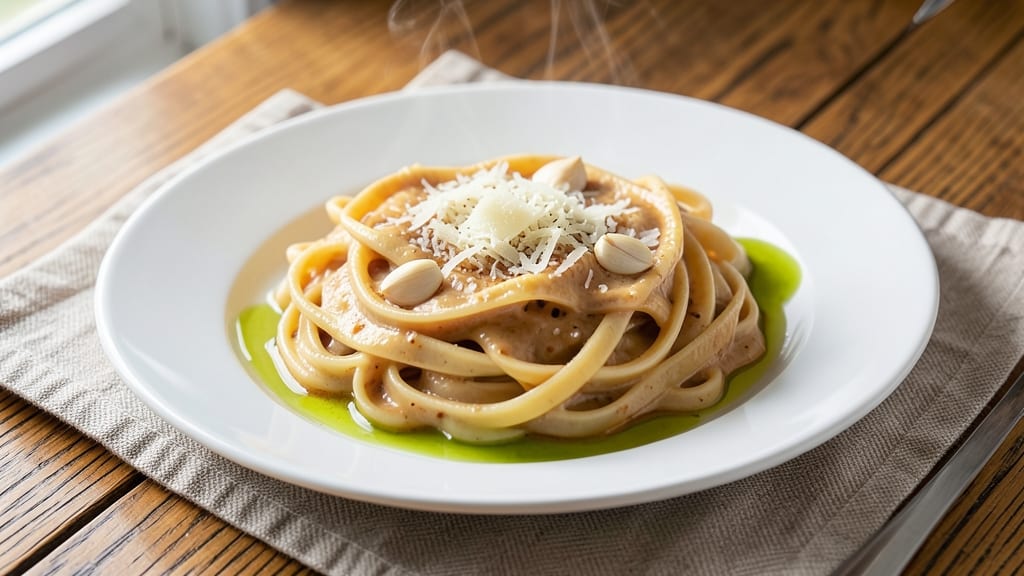
This Alfredo sauce recipe for 1 pound of pasta delivers restaurant-quality creaminess without lumps or separation—just 15 minutes of hands-off cooking. The secret lies in proper technique: blooming garlic in butter first, then slowly whisking in cream to create a velvety base before finishing with sharp Parmesan.
I developed this version after testing countless recipes that either broke or tasted too heavy.
What makes this sauce truly special is its light yet rich texture—no heavy cream clumps, no butter separation, and no aftertaste.
The key ingredients (butter, heavy cream, Parmesan, and a touch of garlic) work together to create a sauce that clings perfectly to fettuccine while remaining smooth enough to coat every strand.
Unlike many recipes, this one uses no flour or cornstarch, relying instead on proper emulsification for that authentic Italian restaurant feel.
The result is a sauce so decadent yet balanced that it transforms simple pasta into a luxurious meal. Each forkful delivers that signature creamy, cheesy flavor without being overly rich, making it perfect for weeknight dinners or special occasions.
The best part? It stays silky and cohesive even after reheating, so leftovers taste as good as the first serving.
Pair this sauce with grilled chicken, shrimp, or roasted vegetables for a complete meal, or serve it as-is with fresh parsley for a restaurant-worthy pasta dish. The instructions are straightforward, but the technique ensures foolproof, clump-free perfection every time. Let’s get cooking!
Ingredients for alfredo sauce recipe for 1 pound of pasta
Nine essential ingredients transform into velvety perfection for your 1-pound pasta batch.
| Ingredient | Amount | Notes |
|---|---|---|
| Unsalted Butter 🧈 | ¾ cup | Cold, cubed for even melting |
| Heavy Whipping Cream 🥛 | 1 ½ cups | Full-fat for optimal richness |
| Fresh Garlic Cloves 🧄 | 4 cloves | Minced for aromatic infusion |
| Parmesan Cheese 🧀 | 1 ½ cups | Freshly grated from block |
| Extra-Virgin Olive Oil 🫒 | ¼ cup | For finishing and balance |
| Diamond Crystal Kosher Salt 🧂 | ½ tsp | Adjusts seasoning precisely |
| Freshly Ground Black Pepper 🌶️ | ¼ tsp | Enhances depth of flavor |
| Fresh Parsley Leaves 🌿 | ¼ cup | Chopped for vibrant garnish |
| Dry White Wine 🍷 | ¼ cup | Optional for brightness (substitute with pasta water) |
The butter and heavy cream form the sauce's luxurious foundation. Use European-style cultured butter for deeper flavor—Plugrá or Kerrygold are excellent choices. Heavy cream must be full-fat; anything lighter risks curdling. For the garlic, fresh is non-negotiable—jarred minced garlic lacks the aromatic complexity. The Parmesan should be Parmigiano-Reggiano freshly grated from a block; pre-grated versions contain anti-caking agents that prevent proper emulsification. If you're concerned about dairy fat content, use half-and-half instead of heavy cream, though the texture will be slightly lighter.
Substitutions must maintain the sauce's delicate balance. No heavy cream? Whole milk plus 2 tablespoons of cream cheese works in a pinch, though the texture will be less velvety. For a dairy-free version, substitute full-fat coconut milk (though flavor will differ). The white wine adds brightness but isn't essential—simply use reserved pasta water instead. If you omit it entirely, increase the Parmesan by 0.25 cup for depth. The olive oil serves as both a finishing touch and emulsifier; don't skip it even if you're watching calories. For extra richness without dairy, nutritional yeast can replace up to half the Parmesan, though it lacks the same umami punch.
This sauce must be used immediately after preparation—it doesn't reheat well due to its emulsified nature. For best results, cook the pasta in the sauce itself rather than mixing after. Store any leftovers in an airtight container with a thin layer of olive oil on top to prevent skin formation; it will keep for up to 3 days in the refrigerator. Freezing isn't recommended as the texture degrades. The parsley should be added at the very end—it wilts quickly in heat. If prepping ahead, store the sauce without the parsley and add it fresh before serving. The wine, if used, should be added during the cooking process and not stored with the sauce.
Why You'll Love This Recipe
- I’ll be real: garlic breath is the price of flavor, but here’s the trade-off—just three cloves minced (or even smashed) while the butter melts. No knife skills required, and the sauce still sings with that rich, garlicky depth.
- Here’s what sold me: this sauce improves the next day. The flavors meld even deeper, and you’ve got enough to stretch into a creamy soup or a quick baked pasta for lunch. Plus, butter and cream stretch further than you’d think—no wasted ingredients here.
Step-by-step instructions for creamy Alfredo sauce
Here's the professional method for velvety, no-clump alfredo that clings perfectly to fettuccine.
Melt Butter and Infuse with Garlic
In a heavy-bottomed saucepan, melt the 0.75 cup unsalted butter over medium-low heat. I use medium-low to prevent burning the butter while still allowing it to melt completely. Once fully melted, add the 4 cloves minced fresh garlic cloves and cook for 1-2 minutes until fragrant but not browned—garlic burns quickly, so watch closely.
This initial step builds the sauce's aromatic foundation. The butter should foam gently and turn a pale golden color. If you smell any burning, immediately reduce the heat to the lowest setting or remove the pan from heat momentarily. The garlic should be translucent and just beginning to soften without developing any brown spots.
Add Cream and Wine for Depth
Pour in the 1.5 cups heavy whipping cream and the 0.25 cup dry white wine (if using). Stir gently to combine, then increase heat to medium. Bring the mixture to a gentle simmer, which should take about 3-4 minutes. The sauce will begin to bubble softly around the edges of the pan.
Here's the thing—adding the wine first deglazes any residual butter particles while preventing the cream from curdling. If you notice the sauce beginning to thicken too quickly, reduce the heat to low and let it simmer gently. The wine adds brightness that balances the richness of the cream and cheese.
Incorporate Cheese Gradually
Remove the saucepan from heat and add the 1.5 cups parmesan cheese in 3 additions, whisking vigorously after each addition. This gradual approach prevents clumping and ensures a silky texture. Return the pan to low heat and stir continuously for 2-3 minutes until the cheese is completely melted and the sauce has thickened to a velvety consistency.
If the sauce appears too thick, whisk in 1-2 tablespoons of pasta water (reserved from cooking) to reach your desired consistency. The sauce should coat the back of a spoon but still flow smoothly. Overheating at this stage can cause the sauce to separate, so maintain low heat throughout this process.
Finish with Seasoning and Olive Oil
Season the sauce with the 0.5 tsp diamond crystal kosher salt and 0.25 tsp freshly ground black pepper, whisking until fully dissolved. Remove from heat and stir in the 0.25 cup extra-virgin olive oil and 0.25 cup chopped fresh parsley leaves. The olive oil adds a subtle fruity note that cuts through the richness, while the parsley provides a fresh finish.
Taste and adjust seasoning if needed—alfredo sauce should be rich but not overly salty. If the sauce has thickened too much while resting, whisk in additional pasta water 1 tablespoon at a time until it reaches the perfect coating consistency. The final sauce should be smooth, glossy, and cling to the back of a spoon without being gluey.
Pro Tips For Making Alfredo Sauce Recipe For 1 Pound Of Pasta
- Melt Butter Slowly: I learned this the hard way—dumping cold butter into the pan and ending up with greasy, separated sauce. Instead, melt the butter over medium-low heat until it’s just liquid but not foaming, then add the garlic. This keeps the sauce smooth and prevents curdling when the cream joins later.
- Use Whole Garlic Cloves: Peeling and mincing garlic takes time, and pre-minced often burns faster. Just smash 3-4 whole cloves with the flat side of your knife, then let them sizzle in the butter for 30 seconds until fragrant but not brown. Strain them out—no one wants a garlicky bite ruining the creamy texture.
- Temper the Cream: Pouring cold cream into hot butter is a one-way ticket to scrambled sauce. Warm the cream slightly (just until it’s lukewarm to the touch) before adding it to the butter-garlic mixture. This gradual temperature merge keeps the sauce silky instead of breaking.
- Finish with Cheese Late: Grated Parmesan loses moisture fast, and adding it too early turns the sauce into a dry, clumpy mess. Stir in half the cheese while the sauce simmers, then fold in the rest off the heat—this keeps it glossy and melts it perfectly into the cream. Save a handful for garnish if you’re fancy.
Pro cooking tips for great alfredo sauce recipe for 1 pound of pasta
Heat Control Secrets
Alfredo sauce demands precise heat management—too high, and you risk curdling the cream or burning the garlic. I always use medium-low heat when melting butter and low heat when incorporating cheese.
A heavy-bottomed saucepan (like All-Clad or Le Creuset) distributes heat evenly and prevents hot spots that can scorch your sauce. 🌡️
Never let the sauce boil—keep it at a gentle simmer (tiny bubbles at the edges) when combining cream and wine. If you see large bubbles or hear a loud rolling boil, immediately reduce heat to low.
The goal is to warm the ingredients gradually, not shock them with high temperatures that cause separation.
Emulsification Tricks
The key to clump-free perfection lies in proper emulsification. After adding cheese, whisk vigorously but steadily—this distributes fat molecules evenly throughout the sauce. I use a balloon whisk for maximum surface area.
If the sauce starts to look grainy, immediately remove it from heat and whisk harder for 30 seconds to re-emulsify.
For extra insurance, stir in 1 tablespoon of olive oil at the end—this acts as an emulsifier and prevents the sauce from breaking when mixed with pasta water. The oil also adds a subtle fruity note that balances the richness.
Timing Matters
Rushing the process is the #1 cause of failed Alfredo sauce. The butter-garlic stage should take 3-4 minutes—no longer. The cream-wine simmer needs 3-4 minutes of gentle bubbling.
And the cheese incorporation requires 2-3 minutes of constant stirring. Each stage builds on the last, so don't skip any—even a minute too long can ruin the texture. ⏱️
Pro tip: If your sauce thickens too quickly, pause cooking and whisk in 1 tablespoon of reserved pasta water (kept from boiling the noodles). This maintains the sauce's velvety consistency without diluting flavor. The water also contains starch that helps bind the sauce.
Cheese Handling
Freshly grated Parmigiano-Reggiano is non-negotiable—pre-grated cheese contains anti-caking agents that prevent proper emulsification. Use a microplane or fine grater to get the finest possible texture. Add the cheese off-heat in three additions, whisking vigorously after each to prevent clumping. 🧀
If you're concerned about dairy fat, substitute half-and-half for the heavy cream, but expect a slightly lighter texture. For a dairy-free version, use full-fat coconut milk (though flavor will differ). Always taste as you go—Alfredo should be rich but not overwhelmingly salty or cheesy.
Finishing Touches
The final 1-2 minutes of seasoning make all the difference. Add kosher salt and freshly ground black pepper while the sauce is still warm—the flavors meld better when incorporated at this stage.
Finish with fresh parsley and extra-virgin olive oil for brightness and balance. These elements elevate the sauce from good to restaurant-quality. ✨
For extra depth, deglaze the pan with 2 tablespoons of dry white wine after melting the butter—this adds acidity that cuts through the richness. If you omit wine, use reserved pasta water instead.
The sauce should coat the back of a spoon but remain pourable—thick enough to cling to pasta without being gluey.
Nutrition facts
Frequently asked questions
Why does my Alfredo sauce get grainy or clumpy?
Graininess usually happens from overheating or adding cheese too quickly. Always add the 1.5 cups Parmesan off-heat in 3 additions, whisking vigorously between each. If it still clumps, whisk in 1 tablespoon of reserved pasta water to re-emulsify. The key is low heat and gradual cheese incorporation.
Can I make this sauce ahead of time?
This recipe is best made fresh, but you can prep components ahead: grate the cheese, measure ingredients, and even melt the butter with garlic. Reheat gently on low heat with a splash of pasta water. Never freeze Alfredo sauce—the texture breaks down completely. The sauce should be used immediately after cooking for that velvety perfection.
What's the best pasta shape for Alfredo sauce?
Fettuccine is ideal because its flat surface clings perfectly to the sauce. Other great options include tagliatelle, pappardelle, or linguine. Avoid thick shapes like penne or rigatoni—they can't hold as much sauce. For extra decadence, try fresh egg pasta, which absorbs the creamy sauce beautifully.
How do I adjust this recipe for a lighter version?
For a lighter texture, replace half the heavy cream with whole milk or half-and-half. Reduce the Parmesan to 1 cup and add 1/4 cup grated Asiago for flavor without heaviness. Use low-fat cream cheese instead of butter for the base. The sauce will still be rich but with fewer calories and fat. Balance with extra fresh herbs like basil or chives.
What proteins pair best with this Alfredo sauce?
Grilled chicken breast or shrimp add perfect protein contrast to the creamy sauce. For heartier meals, try seared scallops, crispy prosciutto, or roasted mushrooms. The sauce also works beautifully with grilled vegetables like asparagus or zucchini. For a vegetarian option, add sautéed spinach or sun-dried tomatoes at the end.