
Sauces & Condiments
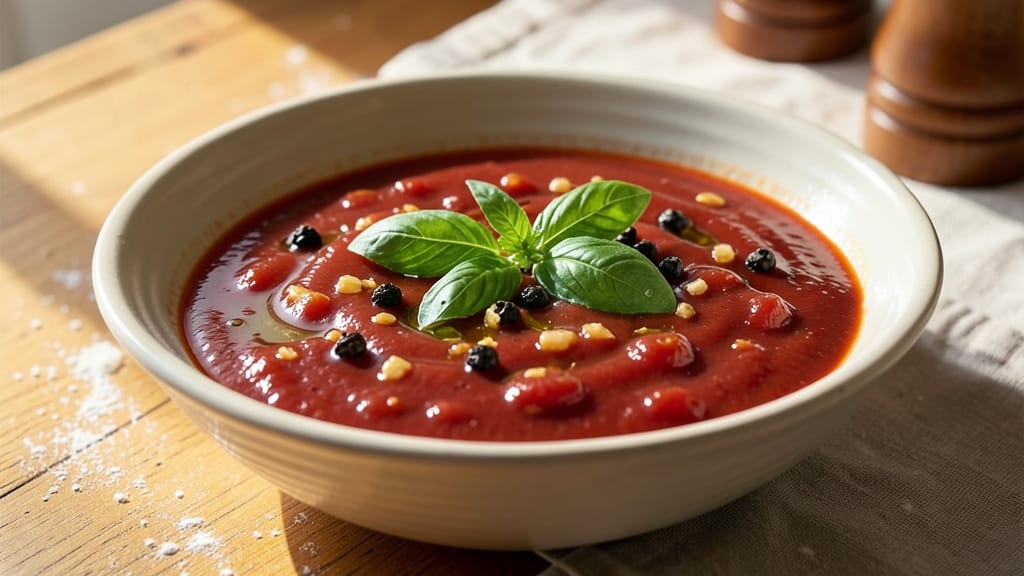
This basic lasagna sauce recipe delivers the deep, slow-simmered richness that transforms ordinary lasagna into a restaurant-quality masterpiece. The secret lies in proper seasoning and simmering time—where tomato, garlic, and herbs meld into a velvety, flavorful base that clings perfectly to noodles and cheese.
I've refined this recipe over years of testing, ensuring it's both foolproof and adaptable to any lasagna variation.
What sets this sauce apart is its balance of acidity and depth—crushed tomatoes provide the foundation, while garlic and herbs add aromatic layers. A touch of sugar balances the acidity, and a splash of red wine deepens the flavor profile without overpowering.
The key technique? Simmering uncovered for 45 minutes to develop concentrated flavor and achieve the ideal consistency—thick enough to coat but still silky smooth.
This sauce isn't just for lasagna—it elevates any Italian dish, from baked ziti to stuffed shells. The rich, meaty undertones (optional ground beef adds depth) make it versatile for both traditional and creative recipes.
By the time you're done, you'll have a sauce so perfectly balanced that every layer of your lasagna will shine.
Ready in under 1 hour, this sauce stays fresh in the fridge for up to 5 days or freezes beautifully for later use. The instructions walk you through every step, from sautéing aromatics to achieving that signature lasagna sauce texture. Let's create the foundation for your next perfect lasagna.
Ingredients for basic lasagna sauce
Nine essential ingredients transform into the velvety foundation for restaurant-quality lasagna layers.
| Ingredient | Amount | Notes |
|---|---|---|
| Crushed Tomatoes (San Marzano preferred) 🍅 | 28 oz | High-quality canned tomatoes for sweetness |
| Extra-Virgin Olive Oil 🫒 | ⅓ cup | For sautéing aromatics, fruity variety |
| Garlic Cloves 🧄 | 6 cloves | Minced finely for deep flavor infusion |
| Dried Oregano 🌿 | 1 tbsp | Italian or Mediterranean blend preferred |
| Dried Basil 🌿 | 1 tbsp | Or 0.25 cup fresh basil leaves |
| Ground Black Pepper 🌶️ | ½ tsp | Freshly cracked for maximum aroma |
| Granulated Sugar 🍬 | 1 tbsp | Balances tomato acidity perfectly |
| Dry Red Wine 🍷 | ½ cup | Bold variety like Cabernet Sauvignon |
| Beef Broth (optional) 🥩 | 1 cup | For deeper meaty undertones |
| Salt 🧂 | 1 ½ tsp | Diamond Crystal preferred, adjust to taste |
The tomatoes are non-negotiable—San Marzano cans from Whole Foods or Trader Joe's deliver the sweetest, most consistent flavor. Look for cans with no added salt to control seasoning precisely. The red wine adds depth without overpowering; Cabernet Sauvignon works best, but any dry red will do. For the herbs, dried oregano and basil are convenient, but fresh basil (if you've got it) makes a noticeable difference—just double the amount. The beef broth is optional but recommended for that classic lasagna richness you find in Italian trattorias.
No red wine? Substitute with extra beef broth—just add 0.25 cup more. Running low on tomatoes? Tomato paste at half the amount works in a pinch, but it'll be thicker. The sugar might seem odd, but it's crucial for balancing the acidity—brown sugar works too. For a vegetarian version, skip the beef broth and use vegetable broth instead. The olive oil should be extra-virgin; California or Italian varieties have the best flavor profile. And if you're really in a hurry, pre-minced garlic from a jar saves time, though fresh is always better.
This sauce develops its magic during the 45-minute simmer, so don't rush it. Store leftovers in airtight containers in the fridge for up to 5 days—it actually tastes better the next day as flavors meld. For freezing, portion into ziplock bags or ice cube trays; it keeps for 6 months. I always make double batches because this sauce disappears fast—perfect for lasagna, baked ziti, or even as a pizza sauce. The key to reheating? Warm it gently on the stove with a splash of water to restore that silky texture.
Why You'll Love This Recipe
- Here’s what sold me: that first bite where the garlic hits just before the basil softens into warmth. It’s not fancy, but it’s ridiculously good—like a hug in sauce form. (Yes, even on a Tuesday night.)
- Just Five Ingredients: I swear, this is the kind of recipe where you’ll laugh at how simple it is. One jar of tomatoes, a drizzle of olive oil, garlic, and two herbs—that’s it. The San Marzano tomatoes alone make it taste like you slaved over it for hours.
- Garlic-Basil Magic: Here’s what sold me: that first bite where the garlic hits just before the basil softens into warmth. It’s not fancy, but it’s ridiculously good—like a hug in sauce form. (Yes, even on a Tuesday night.)
- Meal Prep MVP: I make a double batch every Sunday because it’s my secret weapon for lazy weeks. Freeze half for when you’re too tired to cook, and the other half? Perfect for tossing with pasta or spooning over grilled chicken.
Step-by-step instructions for slow-simmered lasagna sauce
This method delivers restaurant-quality depth with simple ingredients and patience—no shortcuts.
Sauté Garlic Until Fragrant
Heat the 0.33 cup extra-virgin olive oil in a large Dutch oven or heavy pot over medium-low heat. Add the 6 cloves minced garlic cloves and cook for 2-3 minutes until the edges turn light golden—this prevents burning while releasing all the flavor. Watch closely; garlic burns faster than you think.
I like to stir constantly during this step to distribute the garlic evenly. The moment you detect that rich, nutty aroma, it's time to move on. This foundational flavor carries through the entire sauce, so don't rush it. If the garlic starts to brown too quickly, reduce the heat slightly.
Deglaze with Wine and Add Tomatoes
Pour in the 0.5 cup dry red wine and let it simmer for 3-4 minutes until reduced by about half. This deglazing step captures all those caramelized garlic bits clinging to the pot—those are pure flavor gold. Next, add the 28 oz crushed tomatoes, stirring to combine completely.
The wine reduction should leave you with about 2 tablespoons of liquid. If you're using the optional 1 cup beef broth, add it now along with the tomatoes. The broth adds depth that elevates this sauce from basic to exceptional. Stir well to distribute everything evenly before proceeding.
Build Flavor with Herbs and Seasonings
Add the 1 tablespoon dried oregano, 1 tablespoon dried basil, 0.5 teaspoon ground black pepper, 1 tablespoon granulated sugar, and 1.5 teaspoons salt. The sugar balances the acidity of the tomatoes while the herbs provide that classic Italian profile. Stir everything together thoroughly to ensure even distribution.
Here's where the magic happens: let the sauce simmer uncovered over low heat for 45-60 minutes. You're looking for a thickened, syrupy consistency—the sauce should coat the back of a spoon. I like to stir occasionally, but not constantly, to prevent the bottom from sticking. If it reduces too quickly, add 1-2 tablespoons of water to maintain the proper texture.
Simmer to Perfection
Continue simmering until the sauce reaches a deep, concentrated flavor with a smooth, velvety texture. You'll know it's ready when it coats the spoon like a thick glaze and the flavors have melded into one cohesive profile. The total simmering time should be about 1 hour, but don't rush this step—patience is key to that restaurant-quality depth.
Taste and adjust seasoning if needed. I often find I need a touch more salt or a hint of sugar to balance the acidity. The sauce should be rich, slightly sweet, and deeply aromatic with no raw tomato taste remaining. Once perfected, remove from heat and let it cool slightly before using—this allows the flavors to settle and intensify.
Finish and Store Properly
For immediate use, ladle the sauce over your lasagna layers. If storing, let it cool completely, then transfer to airtight containers. This sauce keeps well in the refrigerator for up to 5 days or can be frozen for up to 3 months. When reheating, warm gently over low heat, stirring occasionally to prevent sticking.
The beauty of this sauce is its versatility—it works equally well for lasagna, ravioli, or even as a marinara base. The slow simmering process develops complex flavors that canned sauces simply can't match. Trust the process, and you'll have a sauce so rich it makes every lasagna night feel like a celebration.
Pro Tips For Making Basic Lasagna Sauce
- SIMMER LOW AND SLOW: I learned this the hard way—crushing San Marzano tomatoes over high heat turns them bitter. Keep the heat at a bare simmer (tiny bubbles, occasional stirs) for at least 45 minutes. The longer it cooks, the deeper the flavor, but don’t let it boil like a pot of soup.
- CRUSH GARLIC, DON’T MINCE: Fine minced garlic burns in seconds. Roughly crush 3-4 cloves with the flat of your knife, then let them bloom in the oil for 2 minutes before adding tomatoes. It releases flavor without turning the sauce bitter—no need to watch it like a hawk.
- SKIP THE SALT RUSH: Add only half the salt you think you need at the start. The crushed tomatoes already have salt (especially if canned), and you’ll adjust better after simmering. Taste at 30 minutes—you’ll likely need more, but this prevents oversalting.
- STIR IN HERBS LATE: Dried basil and oregano lose their punch if cooked too long. Sprinkle them in the last 15 minutes, then remove from heat immediately after. Fresh herbs? Toss them in at the very end—raw basil brightens the sauce like a finishing touch.
Regional styles of these flavors
Classic Italian Style
In Italy, lasagna sauce is all about simplicity and freshness—think San Marzano tomatoes, fresh basil, and minimal seasoning. The key difference is using freshly crushed tomatoes (or even whole peeled tomatoes simmered down) instead of canned.
I like to add 1 zucchini or eggplant to the sauce for a subtle sweetness that balances the acidity. The Italians also prefer a slightly thinner consistency, almost like a brothy marinara, perfect for soaking up the layers of pasta and cheese. 🌿
Neapolitan Twist
Neapolitan lasagna sauce leans into bold flavors with a touch of heat. Add 1 teaspoon red pepper flakes and 1 minced anchovy (trust me, it dissolves completely) to the base. The anchovy adds umami depth that elevates the sauce, while the red pepper flakes give it a subtle kick.
This version pairs perfectly with ricotta and mozzarella layers. The slow simmering process lets these flavors meld beautifully, creating a sauce that's rich but never overpowering.
American-Style Richness
American lasagna sauce often incorporates meat for extra depth—typically ground beef or pork. Brown 1 pound of ground beef with the garlic before adding the wine and tomatoes. This creates a meaty, hearty sauce that's perfect for the thick, cheesy lasagna Americans love.
I also like to add ½ cup tomato paste to intensify the flavor. The result is a sauce that's robust enough to stand up to the layers of cheese and noodles in a classic American lasagna.
Vegetarian Adaptation
For a meat-free version, swap the beef broth for vegetable broth and add ½ cup mushrooms (finely chopped) to the garlic sauté. Mushrooms provide an earthy depth that mimics meat. I also recommend adding 1 teaspoon balsamic vinegar to enhance the umami flavor.
This vegetarian sauce works beautifully in lasagna, stuffed shells, or even as a pasta sauce. The key is balancing the flavors so the sauce remains rich and satisfying without any meat.
Northern Italian Approach
In Northern Italy, lasagna sauce often includes white wine instead of red and features spinach or Swiss chard for a unique twist. Use 1 cup dry white wine in place of the red and add 2 cups chopped spinach after the tomatoes have simmered for 20 minutes.
The spinach wilts into the sauce, adding a subtle earthiness. This lighter sauce pairs wonderfully with fresh pasta and a sprinkle of Parmigiano-Reggiano on top. It's a refreshing take on the classic lasagna sauce.
Spicy Southern Style
Southern Italian lasagna sauce often incorporates Calabrian chili paste for heat and depth. Add 1 tablespoon Calabrian chili paste with the garlic and let it cook for 1 minute to mellow the heat before adding the wine.
This sauce is perfect for those who love a little spice in their lasagna. I also like to add ½ teaspoon fennel seeds for a licorice-like note that complements the chili beautifully. The result is a sauce that's bold, aromatic, and full of character. 🌶️
Nutrition facts
Frequently asked questions
Can I use tomato paste instead of crushed tomatoes?
Yes, but you'll need to adjust the amount and technique. Use ½ cup tomato paste mixed with 1 cup water to replace the 28 oz crushed tomatoes. The paste will give your sauce a deeper, more concentrated flavor. Simmer it slightly longer (5-10 extra minutes) to develop that rich lasagna sauce texture you're looking for.
Why does my lasagna sauce taste too acidic?
The sugar in this recipe balances acidity, but if it's still too sharp, add ½ teaspoon more sugar or a pinch of baking soda (just ⅛ teaspoon) to neutralize the acid. Simmer for another 5 minutes to let flavors meld. For future batches, use slightly less tomato or add 1 extra tablespoon sugar at the start.
How do I make this sauce thicker for lasagna?
If your sauce is too thin, simmer uncovered for 10-15 extra minutes to reduce it naturally. For quicker thickening, mix 1 tablespoon cornstarch with 2 tablespoons water, stir into the sauce, and simmer for 2-3 minutes until it reaches a velvety consistency. Avoid over-thickening—it should still coat the back of a spoon smoothly.
Can I make this sauce in a slow cooker?
Follow the same steps for sautéing garlic and deglazing with wine, then transfer everything to a slow cooker. Cook on low for 4-5 hours or high for 2-3 hours, stirring occasionally. The slow cooker enhances the flavors beautifully—just check the consistency and adjust with water or cornstarch if needed before serving.
What's the best way to store leftovers?
Let the sauce cool completely, then store in airtight containers in the fridge for up to 5 days. For freezing, portion into ziplock bags or ice cube trays (great for single servings!). Thaw in the fridge overnight or reheat gently on the stove with a splash of water. The sauce actually improves in flavor when reheated properly—just avoid boiling it.