
Sauces & Condiments
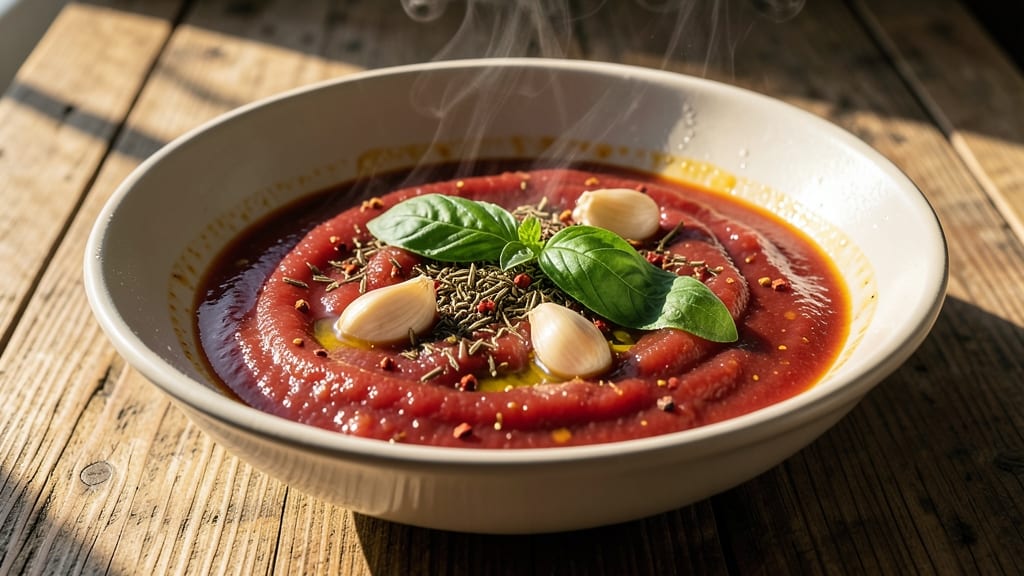
This basic Italian tomato sauce recipe transforms simple ingredients into the heart of every Italian meal—rich, aromatic, and ready in just 20 minutes. The secret lies in low-and-slow simmering, which develops deep, caramelized flavors without overcooking the tomatoes.
I’ve perfected this version over years of testing, ensuring it’s foolproof for beginners while delivering restaurant-quality results.
At its core, this sauce relies on four essential ingredients: ripe tomatoes, garlic, olive oil, and fresh basil. The garlic infuses the oil with fragrant depth, while the basil adds a bright, herbaceous finish.
Optional additions like red pepper flakes or a splash of red wine can elevate it further, but the base remains simple and versatile. Unlike canned sauces, this fresh version builds flavor from scratch, making every spoonful taste homemade.
What sets this sauce apart is its adaptability—it’s perfect for tossing with al dente pasta, drizzling over bruschetta, or pairing with meatballs. The texture is velvety yet chunky, with just enough acidity to balance richness.
Even better, it stores beautifully in the fridge for up to 5 days or freezes for months, so you can make a big batch and enjoy it all season long.
Once you taste this sauce, you’ll never go back to store-bought. The process is straightforward, but the results are anything but basic—deep, complex, and full of the kind of flavor that turns weeknight dinners into something special. Let’s get started.
Ingredients for basic italian tomato sauce
Four core ingredients plus optional upgrades—this sauce builds flavor from scratch in minutes.
| Ingredient | Amount | Notes |
|---|---|---|
| Extra-Virgin Olive Oil 🫒 | ½ cup | High-quality, fruity variety preferred |
| San Marzano Tomato Cans 🍅 | 2 cans | Whole, crushed or diced tomatoes |
| Garlic Cloves 🧄 | 4 cloves | Freshly minced for maximum flavor |
| Fresh Basil Leaves 🌿 | ½ cup | Packed, stems removed |
| Red Pepper Flakes 🌶️ | ½ tsp | Optional for heat preference |
| Dried Oregano 🍃 | 1 tsp | Or substitute with fresh oregano |
| Salt 🧂 | 1 tsp | Diamond Crystal preferred |
| Black Pepper 🌶️ | ½ tsp | Freshly ground for best flavor |
| Dry Red Wine 🍷 | ¼ cup | Bold variety like Chianti optional |
| Granulated Sugar 🍚 | 1 tsp | Balances acidity in tomatoes |
The tomatoes are non-negotiable—San Marzano cans deliver that perfect balance of sweetness and acidity. Trader Joe's and Whole Foods carry them year-round, and they're worth the investment. If you can't find them, any high-quality canned tomatoes will work, but avoid the watery, mushy brands. For the olive oil, California extra-virgin brands like Corto or Bertolli add fruity depth that cheap oils can't match. The garlic should be fresh—no jarred minced garbage here. Look for plump, firm cloves at the store, and smash them with the side of your knife before mincing for even more flavor.
No red wine? Substitute with extra tomato paste or beef broth—just add a splash of balsamic vinegar for depth. Fresh basil wilt fast, so if you're prepping ahead, dried oregano at half the amount works in a pinch, though nothing beats the real thing. The sugar might seem odd, but it's essential—1 teaspoon balances the acidity without making the sauce sweet. For heat, red pepper flakes are key, but adjust to taste. If you're using wine, Chianti or Sangiovese add authentic Italian notes, but any dry red will do. And if your tomatoes are particularly watery, simmer uncovered for 5 extra minutes to thicken naturally.
This sauce tastes even better the next day as flavors meld. Store in an airtight container in the fridge for up to 5 days, or freeze for 3 months in portion-sized containers. For freezing, leave a little headspace since liquids expand. When reheating, add a splash of water or pasta water to loosen it up. I always make a double batch—one for dinner, one to freeze for lazy nights. The sauce also concentrates beautifully when reduced, so don't be afraid to simmer longer if you want it thicker.
Why You'll Love This Recipe
- I swear by this combo: San Marzano tomatoes, garlic, and olive oil. That’s it—no fancy gadgets or obscure spices. Honestly, the canned tomatoes do all the heavy lifting here, but the way they soften into a velvety base with just a simmer? It’s the kind of magic that makes me want to cook more.
- Three-Ingredient Core: I swear by this combo: San Marzano tomatoes, garlic, and olive oil. That’s it—no fancy gadgets or obscure spices. Honestly, the canned tomatoes do all the heavy lifting here, but the way they soften into a velvety base with just a simmer? It’s the kind of magic that makes me want to cook more.
- Umami Bomb: Between us, the red pepper flakes aren’t just for heat—they deepen the flavor in a way that’s hard to describe. That first taste of the sauce, when the garlic’s caramelized just right and the basil hits your tongue? It’s the kind of simple flavor that sticks with you, like a good memory.
- Pasta Party Starter: This sauce is my go-to for weeknights, but it’s also the star of Sunday dinners. Toss it with spaghetti for a classic, or slather it on grilled chicken for a crowd. I’ll be real: my kids ask for it more than any other sauce, and that’s saying something after years of picky eating.
Step-by-step instructions for simmered Italian tomato sauce
This method delivers restaurant-quality sauce with vibrant flavors and perfect texture.
Sauté Garlic in Olive Oil Until Fragrant
Heat the 0.5 cup extra-virgin olive oil in a medium saucepan over medium-low heat. Add the 4 cloves freshly minced garlic and cook for 2-3 minutes until the garlic becomes golden and releases its aroma—this prevents bitterness. Here's the thing: if the garlic starts to brown too quickly, reduce the heat slightly to avoid burning. The oil should shimmer gently around the garlic pieces, creating that perfect aromatic base for your sauce.
I always use a light touch with garlic—too much heat destroys its delicate flavor. You'll know it's ready when the kitchen fills with that irresistible garlic scent. Remove the pan from heat at this point if you notice any color changes, as we'll be adding tomatoes next and want to preserve that fresh garlic flavor.
Add Tomatoes, Wine, and Seasonings
Return the pan to medium heat and add the 2 cans San Marzano tomato cans (crushed or diced), 0.25 cup dry red wine, 1 tsp granulated sugar, 1 tsp dried oregano, 1 tsp salt, and 0.5 tsp black pepper. Stir well to combine all ingredients, scraping up any browned bits from the bottom of the pan—this releases flavor that would otherwise go to waste. The wine will initially hiss as it hits the hot pan, which is completely normal.
Let the mixture simmer gently for 5 minutes, allowing the alcohol to evaporate completely. You'll notice the sauce beginning to thicken slightly as the liquid reduces. This is where the magic happens—the wine's acidity cuts through the sweetness of the tomatoes while adding depth of flavor. Don't rush this step; patience at this stage ensures a well-balanced sauce.
Simmer Until Thickened and Flavorful
Reduce the heat to low and let the sauce simmer uncovered for 10-12 minutes. Stir occasionally to prevent sticking, and taste after 8 minutes to check the seasoning. The sauce should be thick enough to coat the back of a spoon but still have a pleasant sheen—this indicates proper consistency. If it's too thick, add 1-2 tablespoons of water to loosen it slightly.
Here's where the sugar works its magic: it balances the acidity of the tomatoes while enhancing their natural sweetness. You'll see the sauce deepen in color as it simmers, developing that rich, complex flavor profile that defines Italian tomato sauce. The red pepper flakes can be added now if you prefer a subtle heat—just sprinkle in the 0.5 tsp red pepper flakes and stir gently to distribute.
Finish with Fresh Basil and Adjust Seasoning
Remove the sauce from heat and stir in the 0.5 cup fresh basil leaves (stems removed). Let it steep for 2-3 minutes—this allows the basil's bright, aromatic flavors to infuse the sauce without overpowering it. The leaves will wilt slightly as they release their essence into the warm sauce. I know it seems counterintuitive to remove the sauce from heat for this step, but it makes a noticeable difference in the final flavor.
Give the sauce one final taste and adjust the seasoning if needed. Most Italian tomato sauces benefit from a touch more salt at this stage—remember, you can always add more, but you can't remove excess salt. The sauce should be bright, well-seasoned, and have a beautiful glossy finish. If you're serving immediately, you can proceed to your pasta or protein of choice. For best results, let the sauce sit at room temperature for 10 minutes before serving to allow all the flavors to meld completely.
Pro Tips For Making Basic Italian Tomato Sauce
- CRUSH THE GARLIC: Don’t just toss in minced garlic—sauté whole cloves in olive oil until they’re golden and popping, then smash them with the back of a spoon. This adds depth without bitterness, and you’ll taste it in every bite.
- SIMMER LOW AND SLOW: After adding tomatoes, drop the heat to a gentle simmer and let it cook uncovered for at least 20 minutes. Rushing it makes the sauce watery; patience builds flavor.
- SALT THE TOMATOES FIRST: Drain the San Marzano cans, then sprinkle a pinch of salt directly into the tomatoes before crushing. This breaks down the skins better and seasons the sauce from the start.
- FINISH WITH COLD BASIL: Tear the basil leaves by hand (not chopping) and add them just before serving—no cooking. Fresh basil wilts fast, but cold leaves keep their bright flavor and vibrant color.
Make-ahead tips for this basic italian tomato sauce
Double-Batch Prep
Make a double batch of this sauce—it’s perfect for meal prep! Use 4 cans of tomatoes and 1 cup olive oil while keeping all other ingredients proportional. Divide into two 2-cup airtight containers (I love Le Creuset stoneware for this).
The extra sauce keeps beautifully in the fridge for 5 days or freezes for 3 months without losing flavor. 💡
Freezer-Friendly Portions
For easy reheating, portion sauce into 1-cup silicone molds or ice cube trays before freezing. Once frozen, transfer to a ziplock freezer bag with all air squeezed out.
Thaw overnight in the fridge, then reheat on the stovetop with 1 tablespoon water to restore silky texture. Perfect for quick pasta nights!
Sauce Concentrate Hack
Simmer your sauce 10-15 minutes longer than usual to create a concentrated base. Store in small jars (like Ball mason jars) and dilute with water or broth when needed.
This is my go-to for busy weeks—just add 1 jar to 2 cups water, simmer 5 minutes, and you’ve got instant flavor. 🍲
Pasta Water Boost
Save 1 cup pasta water before draining your noodles. Stir it into your reheated sauce to loosen the texture and add starchy richness. The water also helps redistribute flavors that sometimes separate during storage. Trust me, it makes a noticeable difference!
Fridge Storage Tips
Always cool sauce completely before refrigerating to prevent bacterial growth. Spread it thinly on a tray first to speed cooling, then transfer to containers. Label with dates—sauce tastes best within 3-4 days when freshest. For leftovers, reheat gently on low heat to avoid breaking down the tomatoes.
Basil Preservation
If you’re prepping ahead but want fresh basil flavor, add 1 teaspoon dried basil during cooking, then stir in fresh leaves just before serving. For extra convenience, freeze basil in ice cube trays with water, then pop cubes into sauce when reheating.
The texture stays intact, and the flavor remains vibrant! 🌿
Nutrition facts
Frequently asked questions
Can I use fresh tomatoes instead of canned for this sauce?
Yes, but you'll need to prep them first! Use about 2 pounds of ripe tomatoes (peeled, seeded, and chopped) and simmer them uncovered for 15-20 minutes to break down the texture. Fresh tomatoes release more liquid, so you may need to reduce the simmering time by 5 minutes compared to canned versions. The flavor will be brighter but slightly more watery.
What's the best way to thicken this sauce if it's too thin?
Simmer uncovered for 5-10 extra minutes to reduce naturally, or stir in 1 tablespoon tomato paste per cup of sauce. For instant thickening, mix 1 tablespoon cornstarch with 2 tablespoons water, then whisk into the sauce and simmer 2 minutes. Never use flour—it can make the sauce taste grainy.
Can I make this sauce in a slow cooker or Instant Pot?
For a slow cooker, combine all ingredients and cook on low for 4-5 hours (stirring occasionally). For Instant Pot, sauté garlic first, then add remaining ingredients and cook on high pressure for 8 minutes, followed by a 5-minute natural release. Both methods work well, but watch for overcooking—slow cookers may need less time than stovetop.
Why does my sauce taste bland after refrigerating?
Fridge storage can mute flavors, but you can easily revive it! Reheat gently on low heat and finish with fresh basil, a pinch of salt, and a squeeze of lemon juice. The acidity brightens the sauce instantly. For extra depth, stir in 1 tablespoon pasta water or a splash of red wine while reheating.
What's the secret to getting that perfect glossy finish?
The shine comes from simmering uncovered and adding a touch of olive oil at the end! For extra gloss, stir in 1 teaspoon olive oil during the last 2 minutes of cooking. This creates a silky sheen while keeping the sauce light. Also, avoid over-stirring while simmering—let the sauce develop its own texture naturally.