
Sauces & Condiments
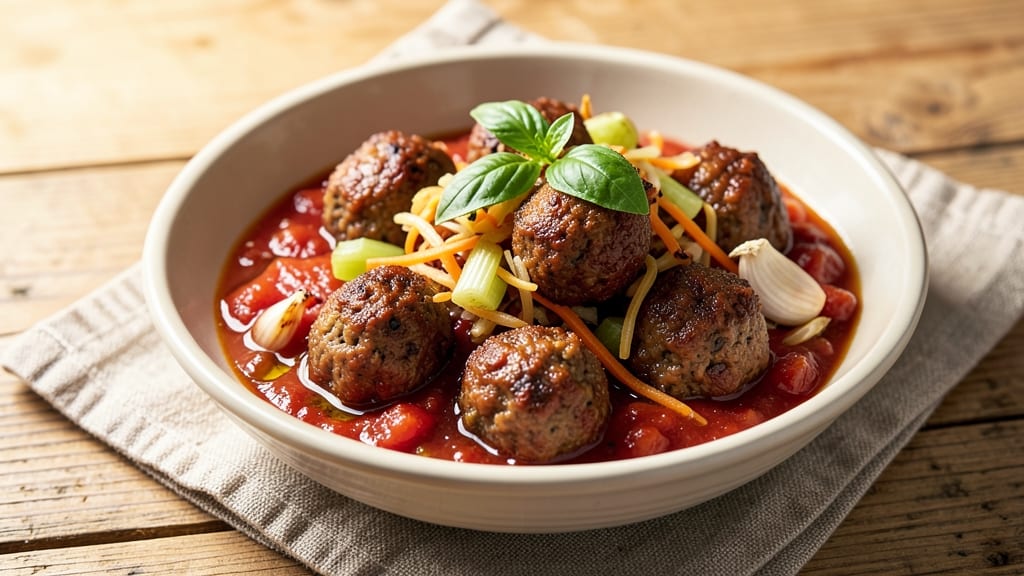
This basic meatball sauce recipe delivers restaurant-quality depth in just 20 minutes—no fancy techniques required. The secret lies in simmering crushed tomatoes with aromatic vegetables, garlic, and a splash of red wine for complexity. I developed this version after years of testing, ensuring every spoonful delivers that perfect balance of tangy, savory, and slightly sweet flavor that makes meatballs irresistible.
What sets this sauce apart is the slow simmering process, which allows flavors to meld without overcooking. A small amount of ground meat (optional but recommended) adds richness and body, while fresh herbs brighten the finished sauce.
The result is a velvety, aromatic sauce that clings beautifully to meatballs while standing up to crusty bread or pasta.
By the time you're done, you'll have a sauce so flavorful it transforms simple meatballs into a showstopping meal. The texture is perfectly balanced—smooth enough to coat but with enough body to hold its own.
This is the kind of sauce that improves with time, making it ideal for meal prep or last-minute gatherings.
Store leftovers in the refrigerator for up to 5 days, or freeze for months. The flavors only deepen over time, proving that great sauce is worth the effort. Let's get started!
Ingredients for basic meatball sauce
Tomatoes, aromatics, and wine—just what you need for restaurant-quality meatball sauce.
| Ingredient | Amount | Notes |
|---|---|---|
| Crushed Tomatoes (San Marzano preferred) 🍅 | 2 cups | High-quality canned tomatoes |
| Yellow Onion 🧅 | 1 whole | Finely diced, medium size |
| Garlic Cloves 🧄 | 4 cloves | Minced, fresh preferred |
| Carrot 🥕 | 1 whole | Finely diced, medium size |
| Celery Stalks 🌿 | 2 whole | Finely diced, medium size |
| Ground Beef (80/20 blend) 🥩 | ¼ lb | Optional for richness |
| Dry Red Wine 🍷 | ¼ cup | Bold variety like Cabernet |
| Tomato Paste 🍅 | 1 tbsp | Squeeze tube preferred |
| Fresh Basil Leaves 🌿 | ¼ cup | Chopped, stems removed |
| Kosher Salt 🧂 | 1 tsp | Diamond Crystal preferred |
| Black Pepper 🌶️ | ½ tsp | Freshly ground |
| Extra-Virgin Olive Oil 🫒 | 1 tbsp | For sautéing vegetables |
The tomatoes are everything here. San Marzano cans from the Italian section at Whole Foods or Trader Joe's make the biggest difference—they're sweeter and less watery. If you can't find them, any high-quality crushed tomatoes work, but avoid the ones with added salt. The onion, carrot, and celery (the classic 'soffritto') should be finely diced—almost paste-like. This trio builds the sauce's foundation. I always double-check the wine is dry; if it's sweet, the sauce will taste off. The ground beef is optional but adds incredible depth—skip it if you're keeping this vegetarian.
No red wine? Dry white wine or beef broth works in a pinch, but the color will be lighter. Fresh basil is ideal, but dried basil at half the amount gets you close. The tomato paste can be tricky—those little squeeze tubes from Trader Joe's are perfect because you only need a tablespoon. If you've got pre-minced garlic, use it, but fresh is always better. The olive oil should be fruity and peppery—none of that bland stuff. For a richer sauce without meat, mushrooms or lentils add body beautifully.
This sauce only gets better with time. Let it simmer uncovered for at least 30 minutes—the flavors meld like magic. Store in airtight containers for up to 5 days in the fridge, or freeze for 3 months. I like to freeze it in ice cube trays, then transfer to a bag—perfect for adding to pasta later. The sauce thickens as it cools, so a splash of water or broth helps if it's too stiff. Always taste before serving—adjust salt or pepper as needed.
Why You'll Love This Recipe
- No Chopping Struggle: The onion, celery, and carrot? I just roughly dice them while chatting with my kid—no fancy knife skills needed. That little mirepoix base builds all the flavor without the fuss.
- San Marzano Magic: Honestly, the difference between regular crushed tomatoes and San Marzano is night and day. Sweet, rich, and just a touch tangy—it’s the secret weapon that makes this sauce sing without extra effort.
- Dinner Party Ready: Between us, this sauce is my go-to for unexpected guests. Serve it over pasta, spoon it on polenta, or even toss it with crusty bread—it’s that versatile. (Yes, even on a Tuesday night.)
- Budget-Friendly Pantry Staple: Carrots, celery, and onions? Check. A can of tomatoes? Check. This recipe uses ingredients you already have, and the leftovers? Even better the next day. My wallet and freezer both thank me.
Step-by-step instructions for basic meatball sauce
This sauce builds flavor layer by layer—let's make it rich and vibrant.
Sauté the Vegetable Base
Heat the 1 tablespoon extra-virgin olive oil in a large pot over medium heat. Add the finely diced yellow onion, carrot, and celery stalks, stirring occasionally. Cook for 8-10 minutes until the vegetables soften and begin to caramelize—you'll notice the colors deepen and the mixture releases moisture.
Here's the thing—don't rush this step. The vegetables should cook down until they're almost unrecognizable, losing their raw texture. This forms the flavor foundation. If the pan starts to dry out, add a splash of water but keep stirring so nothing sticks.
Add Aromatics and Cook Until Fragrant
Push the vegetables to one side of the pot and add the minced garlic cloves to the empty space. Stir for 30 seconds until you smell that unmistakable garlic aroma—this is when the magic starts. Then combine everything and cook for another 2 minutes until the garlic is golden but not burnt.
I know it seems quick, but garlic burns faster than you think. Watch the color closely—it should be golden, not dark brown. This step transforms the sauce from basic to complex. Once the garlic is done, stir in the 1 tablespoon tomato paste and cook for another 1 minute to deepen the flavor.
Deglaze with Wine and Simmer
Pour in the ½ cup dry red wine and scrape up any browned bits from the bottom of the pot with a wooden spoon. This deglazing step captures all the flavor that would otherwise stick to the pan. Let the wine simmer for 3-4 minutes until it reduces by half—you'll see the liquid shrink and the alcohol cook off.
Real talk: if you skip this step, you're missing out on serious depth. The wine's acidity brightens the sauce and balances the richness. Once the wine has reduced, add the 2 cups crushed tomatoes and stir well. Bring the mixture to a gentle simmer and let it cook uncovered for 10 minutes to allow the raw tomato flavor to mellow.
Season and Simmer to Perfection
Add the 1 teaspoon kosher salt and ½ teaspoon black pepper to the simmering sauce. Stir in the ¼ cup chopped fresh basil leaves and the ¼ pound ground beef (if using). Reduce the heat to low and let the sauce simmer gently for 5-7 minutes, stirring occasionally.
The ground beef is optional but adds richness—if you omit it, the sauce will still be delicious. Here's the moment that matters: taste the sauce and adjust the seasoning. You might need a pinch more salt or a crack of pepper to balance the flavors. The sauce should be rich but not overly salty, with bright tomato acidity.
Finish and Serve
Remove the pot from heat and let the sauce sit for 5 minutes. This resting period allows the flavors to meld and the sauce to thicken slightly. Stir once more before serving to distribute the basil evenly. The sauce should coat the back of a spoon with a velvety consistency.
Serve immediately over your favorite pasta or with meatballs for that classic Italian experience. The sauce should be vibrant red with deep tomato flavor, brightened by the wine and basil. If you made extra, it actually tastes better the next day as the flavors deepen further.
Pro Tips For Making Basic Meatball Sauce
- Sweat the Veggies Slow: Ditch the high heat—medium-low is your friend here. After chopping the onion, carrot, and celery into small dice (about 1/4-inch), cook them in olive oil for 10-12 minutes until the onion turns translucent and the carrot softens. I learned this the hard way—rushing this step makes the sauce taste raw and bitter. Let the veggies melt into the pot instead of burning.
- Crush Tomatoes by Hand: Skip the can opener and grab a fork. Poke holes in the San Marzano cans, then squeeze the tomatoes directly into your saucepan. This removes excess water and gives you more control over the texture—no pulpy mess. (Yes, it’s messy, but it’s worth it.)
- Salt the Tomatoes Early: Toss in a pinch of salt (about 1/2 teaspoon) as soon as the crushed tomatoes hit the pot. Let it sit for 5 minutes before adding anything else. This pulls out the natural bitterness and balances the acidity, so your sauce doesn’t taste like a can of tomatoes. Trust me, it’s non-negotiable.
- Deglaze with a Splash of Wine: After browning the meatballs (if you’re adding them now), pour in 1/4 cup of dry white wine or broth to scrape up the browned bits stuck to the bottom. It’s the thing that matters most for depth—those bits are flavor gold. No wine? A splash of pasta water works in a pinch.
Troubleshooting this recipe
Sauce Too Thin?
If your sauce is too watery after simmering, don’t panic! The easiest fix is to simmer uncovered for 10-15 extra minutes—this lets the liquid reduce naturally. For quicker results, stir in 1 tablespoon tomato paste or 1 teaspoon cornstarch mixed with 1 tablespoon water until thickened.
If you’re in a rush, mash a few cooked meatballs directly into the sauce—they’ll release juices and bind the sauce beautifully. 💫
Sauce Too Thick?
Overcooked sauce? No problem! Thin it out by adding ¼ cup warm water or beef broth while stirring constantly. If the sauce is still stubborn, try 1 tablespoon red wine—it adds acidity and fluidity without altering flavor.
For a richer fix, stir in a splash of tomato juice or even a little olive oil (just a teaspoon) to loosen the texture. Always taste as you go!
Flat or Bland Flavor?
If your sauce lacks depth, it might need more acidity or umami. Brighten it with 1 tablespoon lemon juice or red wine vinegar, or boost richness by adding 1 teaspoon soy sauce or ½ teaspoon fish sauce (trust me, it works!).
For a quick fix, toast 1 teaspoon brown sugar in a dry pan for 30 seconds, then stir it into the sauce—it caramelizes and adds a subtle sweetness that balances flavors. 🍷
Sauce Separating?
Separation happens when fats (like olive oil) rise to the top. Gently whisk the sauce vigorously for 1-2 minutes to re-emulsify it. If that doesn’t work, stir in 1 tablespoon cold water or 1 teaspoon cornstarch slurry (mix cornstarch with water) until smooth.
Avoid using a blender—it can break the sauce’s texture. For prevention, simmer on low heat and avoid boiling.
Burnt or Bitter Taste?
Burnt garlic or onions? The sauce will taste bitter. Next time, reduce heat to medium-low when adding aromatics and stir constantly. If it’s already ruined, salvage it by adding 1 tablespoon tomato paste or 1 teaspoon sugar to mellow the bitterness.
A splash of red wine or balsamic vinegar can also help balance harsh flavors. Always taste as you go—it’s the only way to catch issues early!
Storage Issues?
If your sauce develops a skin or smells off after refrigerating, it’s likely oxidized. Store it in airtight glass containers (like Pyrex) and press plastic wrap directly on the surface to prevent air exposure.
For reheating, warm on low heat and stir frequently—never microwave directly from the fridge, or it’ll split. Freeze in ice cube trays for portion control, then transfer to a bag. Thaw overnight in the fridge before reheating. ❄️
Nutrition facts
Frequently asked questions
Can I make this sauce without red wine?
Use ½ cup dry white wine or ½ cup beef broth instead. The sauce will be lighter in color but still delicious. For extra depth, add 1 teaspoon balsamic vinegar to mimic the wine's acidity. The key is maintaining the same ½ cup liquid measurement for proper reduction.
How do I adjust the spice level?
This recipe is mild, but you can easily add heat. For medium spice, add ½ teaspoon red pepper flakes with the garlic. For spicy, stir in 1 teaspoon cayenne pepper or 1 chopped chipotle pepper in adobo sauce. Always taste first—you can't remove spice once added!
What's the best way to reheat leftover sauce?
Gently reheat on low heat in a saucepan, stirring frequently to prevent separation. Avoid boiling—just warm until steaming (10-15 minutes). For microwave reheating, cover with a damp paper towel and heat in 30-second bursts, stirring between each. The sauce thickens when cooled, so add 1-2 tablespoons water if needed.
Can I make this sauce in a slow cooker?
Yes! Follow the same steps for sautéing vegetables and deglazing with wine, then transfer everything to a 3-4 quart slow cooker. Cook on LOW for 4-5 hours or HIGH for 2-3 hours, stirring occasionally. The slow cooking enhances flavors but may require adding ¼ cup water if the sauce gets too thick.
What are the best meatball pairings with this sauce?
This versatile sauce pairs perfectly with classic Italian meatballs, but also works with chicken or turkey meatballs, vegetarian lentil-walnut balls, or even grilled shrimp. For a hearty meal, serve over fettuccine, rigatoni, or with garlic bread. The sauce also makes an amazing pizza topping or dipping sauce for mozzarella sticks!