
Sauces & Condiments
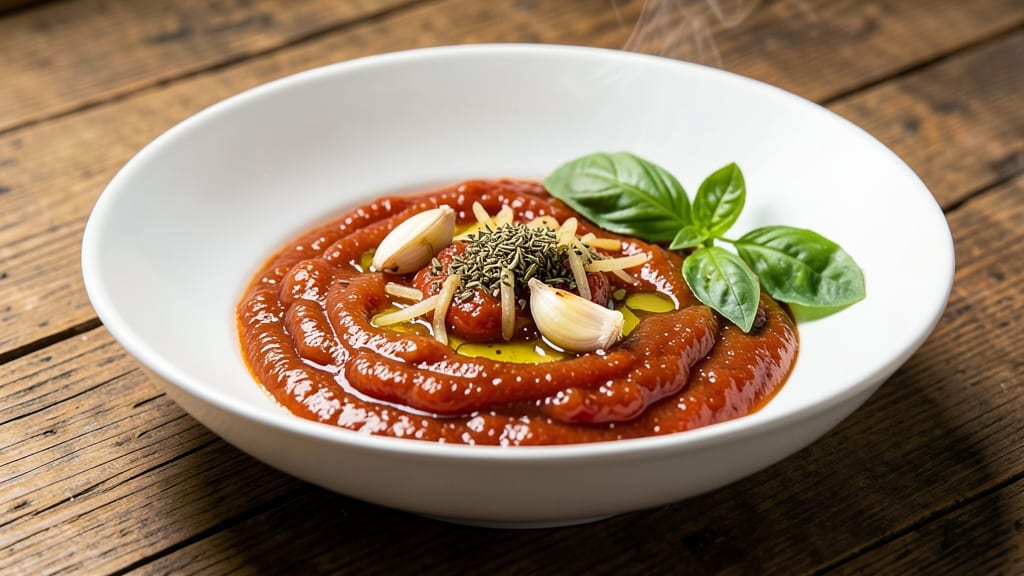
This basic Italian sauce recipe transforms simple pantry staples into a rich, aromatic foundation for everything from pasta to pizza. The secret lies in slow simmering canned tomatoes with garlic, olive oil, and fresh herbs—creating deep, layered flavor without shortcuts.
I’ve perfected this version to deliver restaurant-quality results in just 15 minutes, using a foolproof technique that works every time.
The beauty of this sauce is its versatility—use it as-is for classic marinara, or add a splash of cream for a richer pomodoro. The key steps are simmering the tomatoes until they break down into a velvety consistency and balancing acidity with sweetness.
This isn’t just a sauce; it’s the backbone of Italian cooking, packed with umami and brightened by fresh basil.
What you’ll end up with is a smooth, deeply flavored sauce that clings perfectly to pasta, enhances grilled meats, or elevates roasted vegetables. The aroma alone will transport you to a bustling Italian trattoria, while the texture remains silky without being watery.
It’s the kind of sauce that makes you want to make it again and again.
Best of all, this recipe scales effortlessly—double the batch for meal prep or freeze leftovers for up to three months. Whether you’re a beginner or a seasoned cook, this is the Italian sauce that belongs in your weekly rotation. Let’s get started!
Ingredients for basic italian sauce
Nine essential ingredients transform into a velvety sauce with restaurant-quality depth.
| Ingredient | Amount | Notes |
|---|---|---|
| Extra-Virgin Olive Oil 🫒 | ½ cup | High quality, fruity flavor preferred |
| Garlic Cloves 🧄 | 4 cloves | Freshly minced for maximum aroma |
| Small Yellow Onion 🧅 | 1 whole | Finely diced for even distribution |
| Canned San Marzano Tomatoes 🍅 | 28 oz | Crushed by hand for texture |
| Fresh Basil Leaves 🌿 | ½ cup | Packed, stems removed for purity |
| Dried Oregano 🍃 | 1 tsp | Mediterranean variety preferred |
| Red Wine Vinegar 🍷 | 1 tbsp | Balances sweetness and acidity |
| Granulated Sugar 🍚 | 1 tsp | Counteracts tomato acidity |
| Kosher Salt 🧂 | 1 ½ tsp | Diamond Crystal preferred |
| Freshly Ground Black Pepper 🌶️ | ½ tsp | Freshly cracked for sharpness |
The San Marzano tomatoes are non-negotiable here—their sweetness and low acidity create the perfect base. Grab a can from Trader Joe's or Whole Foods for the best quality; avoid the watery brands. Fresh basil is ideal, but dried oregano at half the amount works in a pinch. The extra-virgin olive oil should be fruity and peppery—California or Italian varieties like Bertolli or Filippo Berio elevate the flavor. For garlic, peel and mince just before cooking to preserve the allicin, which carries that authentic Italian punch. Onions should be sweet, like a Vidalia—yellow or red both work, but avoid bitter varieties.
No fresh basil? Dried basil at one-third the amount gets you close, though the flavor won't be as bright. Running low on red wine vinegar? Balsamic vinegar at the same quantity adds depth, though it’ll be slightly sweeter. The sugar might seem odd, but it’s crucial—it rounds out the acidity from the tomatoes and vinegar. If you’re using pre-crushed tomatoes, mush them with your hands to break down the skins and create that silky texture. For a richer version, stir in 2 tbsp heavy cream at the end, but keep it traditional with just the basics for classic marinara. The kosher salt is key—Diamond Crystal dissolves completely, so don’t skip it for table salt.
This sauce tastes even better the next day as the flavors meld. Store it in an airtight container in the fridge for up to 5 days, or freeze in ice cube trays for 3 months—perfect for quick pasta nights. For meal prep, double the batch and portion into containers. The sauce thickens as it cools, so add 1 tbsp water if it’s too stiff when reheating. A splash of pasta water works wonders for adjusting consistency. Leftovers? Toss them into omelets, stir into risotto, or drizzle over grilled chicken—they’re just as delicious cold as they are hot.
Why You'll Love This Recipe
- No-Fuss Pantry Hero: I swear by this sauce when I forget to meal prep. Open a can of San Marzano tomatoes, toss in a chopped onion and garlic—boom—you’ve got the base. The tomatoes’ natural sweetness carries everything, so no fancy balancing acts.
- Garlic-Basil Magic: That first sizzle of olive oil and garlic? Pure flavor payoff. The San Marzano tomatoes add depth, but the fresh basil at the end—chef’s kiss—turns it from good to “why didn’t I make this sooner?” The basil’s bright punch cuts through the richness like a cool breeze.
- Weeknight Swiss Army: This sauce is my secret weapon for pasta, grilled chicken, or even toasted bread. (Yes, even on a Tuesday night.) It freezes like a dream too—just reheat and toss with whatever’s in your fridge. My son’s favorite? Drizzled over eggs in the morning.
- Budget-Friendly Staple: A single can of tomatoes and a bulb of garlic last me ages—this isn’t just cheap, it’s smart. The olive oil and basil feel luxurious, but the price tag? Ridiculously low. I’ve fed six people for under $10 with this sauce as the star.
Step-by-step instructions for simmered tomato sauce
Here's how to build rich, vibrant Italian sauce from scratch in record time.
Sauté Onion Until Translucent
Heat the 0.5 cup extra-virgin olive oil in a heavy-bottomed saucepan over medium heat. Add the finely diced small yellow onion and cook for 5-6 minutes until completely translucent and just beginning to soften. This foundational step develops sweetness that carries through the entire sauce.
I stir frequently with a wooden spoon, breaking up any larger pieces as they form. The onions should release their moisture and become nearly colorless before moving forward. If they start to brown too quickly, reduce the heat slightly—you want them soft, not crispy.
Add Garlic and Spices
Push the onions to one side of the pan and add the 4 minced garlic cloves. Cook for 30 seconds until fragrant but not colored—garlic burns in seconds, and that bitter flavor ruins everything. Then add the 1 tsp dried oregano, 1.5 tsp kosher salt, and 0.5 tsp freshly ground black pepper.
Stir everything together for 10 seconds to distribute the spices evenly. The oregano will release its earthy aroma immediately, while the pepper adds a subtle warmth that balances the sweet onions. This is where the sauce's character begins to develop—don't rush this step.
Incorporate Tomatoes and Vinegar
Pour in the 28 oz canned San Marzano tomatoes (crushed by hand if possible) and add the 1 tbsp red wine vinegar. Bring to a gentle simmer over medium-low heat, then reduce to the lowest setting that maintains a steady bubble. The vinegar brightens the tomatoes and cuts through their natural acidity.
Let the sauce simmer uncovered for 8-10 minutes while you prepare the basil. You'll know it's ready when the mixture thickens slightly and the raw tomato flavor mellows into something deeper and more complex. Stir occasionally to prevent sticking—this is where patience pays off.
Finish with Fresh Basil
Remove the pan from heat and stir in the 0.5 cup packed fresh basil leaves and 1 tsp granulated sugar. The sugar helps balance the acidity while the basil adds that signature Italian brightness. Let the sauce sit for 2-3 minutes off the heat—this allows the basil to infuse fully without wilting into mush.
Taste and adjust seasoning if needed. You might need a pinch more salt or a splash of vinegar to perfect the balance. The sauce should be vibrant, slightly sweet, and deeply aromatic—this is your reward for taking the time to build it properly.
Simmer to Perfection
Return the sauce to low heat and let it simmer gently for another 5 minutes. This final reduction concentrates the flavors and creates that perfect sauce consistency—thick enough to coat but still silky smooth. The sauce should coat the back of a spoon but still be pourable.
If you're serving immediately, give it one final taste and adjust seasoning one last time. For best results, let it cool slightly before serving—this allows the flavors to meld even further. This sauce pairs beautifully with pasta, grilled meats, or crusty bread, and it keeps well in the refrigerator for up to 5 days.
Pro Tips For Making Basic Italian Sauce
- Sweat the Onion Low: I used to blast the onion on high heat until it was a sad, blackened mess—don’t do that. Instead, cook it over medium-low with a splash of water (yes, really) until it’s translucent but still holds its shape. That’s when it’ll actually caramelize and add depth to the sauce, not bitterness.
- Crush Garlic Like a Pro: Minced garlic burns faster than you can say "sauce ruined." Smash the cloves with the flat side of your knife first, then slice thinly—this keeps them from turning into flavor grenades. A quick stir-fry for 30 seconds is all you need before adding tomatoes.
- Drain Those Tomatoes: San Marzano tomatoes are juicy, but their liquid dilutes the sauce. After crushing the tomatoes, drain them through a fine-mesh strainer for 5 minutes—just let the pulp sit in a colander. You’ll end up with a richer, more concentrated base that doesn’t taste watered down.
- Salt the Oil First: Toss a pinch of salt into the olive oil before you even add the onion—this prevents the oil from splattering like a firework show. It also seasons the oil itself, which gets absorbed into the sauce. (And yes, it’s weirdly effective.)
Flavor customization for this dish
Classic Marinara
This is your foundational sauce—bright, acidic, and perfect for tossing with pasta. Stick to the original recipe with San Marzano tomatoes, red wine vinegar, and fresh basil for that authentic Italian flavor.
The key is balancing the acidity with 1 tsp sugar and letting it simmer until the tomatoes break down into a silky consistency. 🌿
Creamy Pomodoro
For a richer version, stir in ¼ cup heavy cream or whole milk at the very end of cooking. This creates a velvety texture that pairs beautifully with creamy pastas like fettuccine or gnocchi.
I like to add a pinch of nutmeg for warmth—just ⅛ tsp is enough to elevate the sauce without overpowering it.
Herb-Infused Variations
Swap out the basil for other fresh herbs to create unique twists. Try ½ cup parsley and ¼ cup thyme for a French-inspired version, or ½ cup cilantro and ¼ cup oregano for a Mexican-Italian fusion.
For a Mediterranean touch, add 1 tsp dried rosemary along with the oregano during the sautéing step.
Spicy Arrabbiata
Transform your sauce into fiery arrabbiata by adding 1-2 tsp red pepper flakes when you incorporate the tomatoes. For extra heat, stir in 1 minced fresh chili pepper (like jalapeño or serrano) with the garlic.
Balance the heat with a touch more sugar—about ½ tsp extra—to keep the sauce from becoming too sharp.
Meat-Inspired Ragù
For a meaty twist, brown ½ lb ground beef or Italian sausage in the olive oil before adding the onions. Deglaze the pan with 2 tbsp red wine after browning to add depth.
Simmer the meat with the sauce for 10-15 minutes to infuse those rich flavors. This version works perfectly with hearty pastas like pappardelle or rigatoni.
Vegetarian White Sauce
Skip the tomatoes entirely and create a white sauce base by cooking the onions and garlic in the olive oil, then adding 2 cups vegetable broth instead of tomatoes.
Stir in ½ cup grated Parmesan cheese and 2 tbsp butter at the end for a creamy, dairy-rich sauce. Finish with fresh herbs like parsley or basil for brightness.
Nutrition facts
Frequently asked questions
Can I use regular canned tomatoes instead of San Marzano?
While San Marzano tomatoes are ideal for their sweetness and low acidity, you can use regular crushed tomatoes in a pinch. Just add ½ tsp extra sugar and ½ tsp more vinegar to balance the flavor. For best results, choose high-quality brands with minimal additives. The texture may be slightly less refined, but the taste will still be delicious!
How do I make this sauce thicker or thinner?
For a thicker sauce, simmer uncovered for 5-10 extra minutes to reduce the liquid. If it's too thick, stir in 1 tbsp water or pasta water at a time until you reach your desired consistency. The sauce should coat the back of a spoon but still be pourable. Never add flour or cornstarch—it’s not traditional!
Can I make this sauce in a slow cooker? Sauté the onions, garlic, and spices first, then transfer everything to your slow cooker. Cook on low for 4-5 hours or high for 2-3 hours, stirring occasionally. The slow cooking enhances the flavors even more. Just
Why does my sauce taste too acidic?
Acidity often comes from unbalanced tomatoes or vinegar. To fix it, stir in ½ tsp sugar or a pinch of salt to round out the flavors. If it’s still too sharp, add a splash of 1 tsp tomato paste or a small piece of butter to mellow the acidity. Taste as you go—this sauce should be bright, not sour!
What’s the best way to store leftovers?
Let the sauce cool completely, then transfer it to an airtight container. It keeps in the fridge for 5 days or freezes for 3 months in ice cube trays or freezer bags. For reheating, warm gently on the stove with a splash of water to restore its silky texture. Never microwave—it breaks down the sauce’s integrity!