
Sauces & Condiments
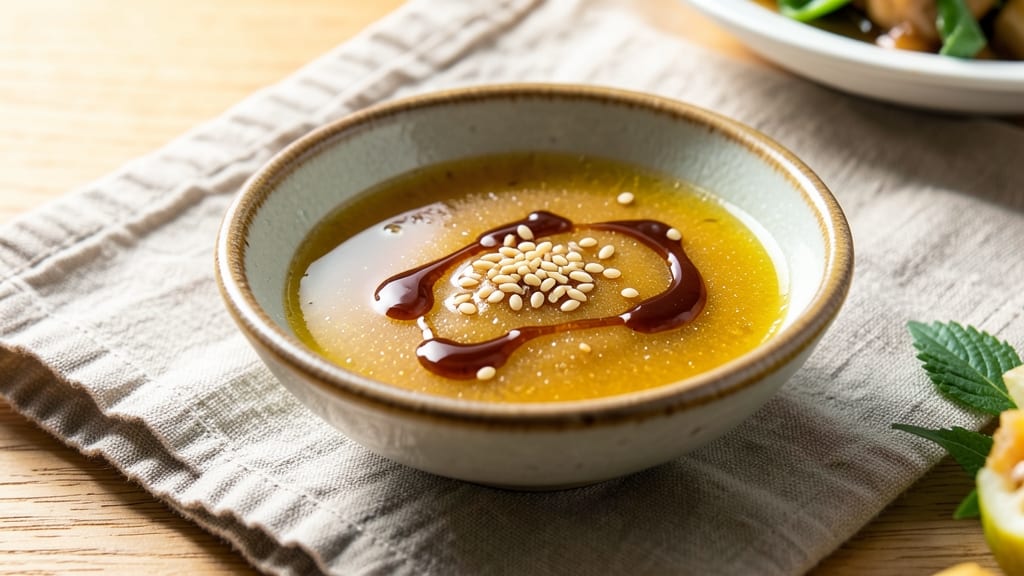
This basic ponzu sauce recipe transforms simple pantry staples into a vibrant, tangy-sweet sauce that elevates everything from grilled fish to fresh sashimi. The secret lies in balancing citrus brightness with umami-rich soy and mirin, creating a sauce that's both complex and effortless to make.
In just 10 minutes, you'll have a versatile condiment that adds depth to any dish—no fancy equipment required.
The foundation of great ponzu is its trio of citrus, soy, and sweetness—traditionally yuzu, but lemon or lime work perfectly as substitutes. A splash of sake or mirin adds that signature Japanese depth, while a touch of vinegar ensures the flavors are well-rounded and not too sweet.
What makes this recipe foolproof is the simplicity: no cooking required, just whisking ingredients together until smooth and glossy.
Once mixed, this sauce keeps beautifully in the fridge for up to 2 weeks, making it ideal for meal prep or gifting. Use it as a dipping sauce for sashimi, a marinade for grilled fish, or a glaze for roasted vegetables.
The tangy, slightly sweet profile cuts through rich flavors while adding a refreshing contrast that makes every bite more exciting.
For extra complexity, infuse the sauce with minced garlic or grated ginger while it steeps, but even without these additions, the basic version delivers restaurant-quality results.
The key is letting it sit for at least 15 minutes before using—this allows the flavors to meld and intensify, ensuring every drop tastes like it came from a Japanese kitchen.
Ingredients for basic ponzu sauce
Nine essential ingredients blend citrus brightness with Japanese umami for a restaurant-quality ponzu.
| Ingredient | Amount | Notes |
|---|---|---|
| Fresh Yuzu Juice 🍋 | ½ cup | Substitute lemon or lime juice |
| Rice Vinegar 💧 | ¼ cup | White or seasoned variety |
| Soy Sauce 🍜 | ¼ cup | Use light or regular soy |
| Mirin 🍶 | ¼ cup | Substitute 1 tbsp sugar + 0.25 cup water |
| Granulated Sugar 🍚 | 2 tbsp | Adjust to taste for sweetness |
| Toasted Sesame Oil 🫒 | 1 tbsp | For aromatic depth |
| Garlic Cloves 🧄 | 2 cloves | Minced, optional for complexity |
| Fresh Ginger 🌿 | 1 tbsp | Grated, optional for zing |
| Diamond Crystal Kosher Salt 🧂 | ½ tsp | Adjust to taste |
For optimal flavor, prioritize fresh yuzu juice—though high-quality lemon or lime juice delivers comparable results. Japanese specialty stores carry yuzu, but Whole Foods or Trader Joe's often stock it alongside citrus. If unavailable, a 50/50 blend of lemon and lime juice works well. The mirin should be authentic, not the sweetened imitation; Kikkoman or Hajime brands excel. Toasted sesame oil adds depth—look for dark, aromatic varieties in the Asian aisle. For garlic and ginger, freshly minced yields the best flavor, though pre-minced works in a pinch.
Mirin unavailable? Substitute 1 tbsp granulated sugar dissolved in 0.25 cup water, though authentic mirin provides subtle sweetness and umami. No sesame oil? Avocado oil or neutral oil adds subtle richness, though lacks the toasted aroma. For a quicker version, skip garlic and ginger—though they deepen flavor significantly. The rice vinegar should be white or seasoned; Makura Sake or Koyo brands are excellent choices. If using pre-minced garlic or ginger, ensure it's fresh—oxidized garlic loses its punch.
Store ponzu in an airtight container with a thin layer of olive oil on top to preserve freshness. Keeps for 2 weeks refrigerated, though flavors intensify over time. For longer storage, freeze in ice cube trays—perfect for single-use portions. The sauce thickens when chilled; whisk before serving. Garnish with toasted sesame seeds or thinly sliced scallions for presentation. Always taste before serving—adjust sweetness or acidity as needed.
Why You'll Love This Recipe
- Here’s what sold me: that perfect balance of sharp yuzu and sweet mirin. It’s like a wake-up call for your taste buds—zesty enough to cut through rich dishes but smooth enough to feel luxurious. Drizzle it over grilled fish or toss with noodles, and suddenly everything tastes alive.
- Five-Ingredient Magic: I swear, this is one of those recipes where you actually use fewer ingredients than you think you need. Fresh yuzu juice, rice vinegar, soy sauce, mirin, and sugar—that’s it. No fancy gadgets, no stressing over ratios. Just measure, mix, and let the bright citrus and umami work their charm.
- Bright & Tangy: Here’s what sold me: that perfect balance of sharp yuzu and sweet mirin. It’s like a wake-up call for your taste buds—zesty enough to cut through rich dishes but smooth enough to feel luxurious. Drizzle it over grilled fish or toss with noodles, and suddenly everything tastes alive.
- Pantry Staple Power: Between us, this sauce is my secret weapon for lazy nights and last-minute guests. Keep it in the fridge, and you’ve got instant flavor for everything from quick stir-fries to fancy seafood platters. No need to buy expensive bottles—just whip up a batch when you need it.
Step-by-step instructions for bright citrus-yuzu ponzu sauce
This ponzu sauce delivers balanced acidity, umami depth, and aromatic complexity in just minutes.
Prepare the Aromatic Base
In a small saucepan, combine the 0.5 cup fresh yuzu juice, 0.25 cup rice vinegar, 0.25 cup soy sauce, and 0.25 cup mirin. Bring to a gentle simmer over medium heat—you should see small bubbles forming at the edges but not a rolling boil. The mixture should smell vibrant and tangy, with the vinegar's sharpness cutting through the sweetness of the mirin.
Simmer for 3-4 minutes until the volume reduces slightly by about 20%—this concentrates the flavors. Watch carefully to prevent boiling, which would cook off the delicate citrus notes. If you're using substitutes like lemon juice or homemade mirin, taste as you go and adjust sweetness or acidity accordingly.
Incorporate the Sweetener and Oil
Remove the saucepan from heat and whisk in the 2 tablespoons granulated sugar until fully dissolved. The sugar should melt smoothly, balancing the acidity. Then, drizzle in the 1 tablespoon toasted sesame oil while whisking continuously—this adds nutty depth and prevents separation. The sauce should now have a glossy sheen and a complex aroma where citrus, vinegar, and umami harmonize.
Return the pan to low heat and let the mixture sit for 1-2 minutes to fully integrate the sesame oil's flavor. This step ensures the oil doesn't overpower but enhances the sauce's aromatic profile. If you notice any oil pooling on top, whisk vigorously to emulsify.
Add the Fresh Aromatics
While the sauce is still warm, add the 2 minced garlic cloves and 1 tablespoon freshly grated ginger. Let the mixture steep off the heat for 5 minutes—this allows the ginger to infuse its zesty warmth and the garlic to mellow without burning. The sauce should develop a subtle, fragrant complexity that bridges sweet, sour, salty, and spicy notes.
Strain the sauce through a fine-mesh sieve into a clean bowl to remove any pulp or fibrous ginger bits. This ensures a silky texture perfect for drizzling or dipping. If you prefer a slightly textured sauce, skip the straining step—but the result will be thicker and more rustic.
Season and Finish
Taste the sauce and adjust the seasoning with the 0.5 teaspoon Diamond Crystal kosher salt if needed. The balance should be bright from the yuzu, tangy from the vinegar, sweet from the mirin and sugar, and umami-rich from the soy. If the acidity feels too sharp, add a touch more mirin or sugar; if it's too flat, a splash of rice vinegar or extra soy sauce will wake it up.
Let the sauce cool to room temperature before serving. The flavors will deepen as it sits, and the texture will become perfectly balanced—neither too thin nor too thick. Store any leftovers in an airtight container in the refrigerator for up to 5 days, or freeze for 3 months. This sauce elevates everything from grilled fish to noodle dishes with its vibrant, layered flavor.
Pro Tips For Making Basic Ponzu Sauce
- STRAIN IT TWICE: Yuzu juice is stubborn—those tiny bits of pulp will sneak through your first strain. After mixing all ingredients, pour through a fine-mesh sieve into another bowl, then strain again through a coffee filter or cheesecloth. I learned this the hard way when my ponzu had a gritty aftertaste that ruined the smoothness.
- DILUTE THE SOY FIRST: Toss the soy sauce into the warm vinegar and mirin before adding yuzu juice—this prevents the sauce from curdling when the citrus hits. I used to add everything at once and ended up with a cloudy, separated mess. A splash of cold water after mixing also helps clarify it.
- WEIGH THE SUGAR: Granulated sugar measures differently when packed vs. loose—use a scale (20g for 1:1 ratio with mirin) for consistency. My first batch was cloyingly sweet because I scooped it straight from the bag. If you’re eyeballing it, use a spoon and level it off.
- LET IT BREATHE: After mixing, cover the sauce and refrigerate for at least 4 hours (overnight is better). The flavors meld like a good marriage—rushed, and it’s flat and one-dimensional. I skipped this once and served it immediately; it tasted like a sad, unbalanced drink. Patience pays off.
Health benefits of basic ponzu sauce
Citrus Powerhouse
Ponzu sauce is a vitamin C powerhouse thanks to its citrus base—½ cup yuzu juice (or lemon/lime substitute) provides over 50% of your daily needs. This boosts immunity and helps your body absorb iron from plant-based meals, making it especially beneficial when paired with tofu or spinach.
The high acidity also aids digestion, reducing bloating after rich meals like fatty fish or fried dishes. 💪
Umami Without the Meat
The soy sauce and mirin combination delivers umami without animal products, making ponzu a perfect pescatarian condiment. A ¼ cup soy sauce provides 5% of your daily protein while offering iron and manganese—great for plant-based diets.
The mirin adds natural sweetness without refined sugar, balancing blood sugar levels better than commercial sauces. This makes ponzu ideal for diabetic-friendly meals when used in moderation.
Antioxidant Boost
Toasted sesame oil (1 tbsp) contributes vitamin E and polyunsaturated fats, which combat inflammation and support heart health. The ginger adds gingerol, a compound shown to reduce muscle soreness and nausea.
Together, these ingredients create a sauce that not only tastes amazing but also provides antioxidant protection—especially important when paired with omega-3-rich fish like salmon or mackerel.
Digestive Aid
The rice vinegar in ponzu acts as a natural digestive aid, stimulating stomach acid production and improving nutrient absorption. A ¼ cup serving contains about 3% of your daily potassium, helping regulate fluid balance and blood pressure.
The low-calorie nature (around 30 calories per 2 tbsp) makes it a guilt-free way to add flavor without derailing weight management goals.
Bone Health Support
Both soy sauce and yuzu juice contain calcium and phosphorus, essential minerals for strong bones. A 2-tbsp serving provides 2% of your daily calcium, supporting bone density when combined with calcium-rich foods like leafy greens or fortified plant milks.
The vitamin K in citrus also aids calcium absorption, making ponzu a sneaky nutrient booster for bone health.
Blood Sugar Balance
Unlike many commercial sauces, ponzu’s natural sweetness comes from mirin and citrus, not refined sugar. The low glycemic index of these ingredients helps stabilize blood sugar levels, making it a safer choice for diabetes management than sugary teriyaki or sweet chili sauces.
The fiber from garlic and ginger (when included) further slows sugar absorption, preventing spikes after meals.
Nutrition facts
Frequently asked questions
Can I make ponzu sauce without yuzu?
Use a mix of lemon and lime juice (½ cup total) for a bright citrus flavor. For extra depth, add 1 teaspoon orange zest to mimic yuzu's complexity. The key is balancing sweetness—adjust sugar to 3 tablespoons if using more tart citrus.
How long does homemade ponzu sauce last?
Store in an airtight container in the fridge for up to 2 weeks. For longer storage, freeze in ice cube trays—thaw overnight in the fridge before using. The sauce thickens when chilled, so whisk before serving. Always keep a thin layer of olive oil on top to preserve freshness.
What's the best way to use ponzu sauce?
Ponzu shines as a dipping sauce for sashimi, marinade for grilled fish, or glaze for roasted vegetables. For extra richness, drizzle over ramen or udon noodles, or mix into mayonnaise for a tangy spread. Its bright acidity cuts through fatty dishes like fried chicken or tempura.
Can I make ponzu sauce spicier?
Yes! Add ½ teaspoon red pepper flakes or 1 teaspoon sriracha when whisking in the sesame oil. For heat without spice, infuse the sauce with ½ teaspoon grated chili while it steeps off heat. Start with small amounts—ponzu's citrus brightness makes spice more noticeable.
Why did my ponzu sauce separate?
Separation happens when oil isn't properly emulsified. Re-whisk vigorously or gently heat the sauce on low heat while whisking until smooth. For prevention, whisk continuously when adding sesame oil, and avoid over-simmering the base. A splash of rice vinegar can also help rebalance the texture.