
Sauces & Condiments
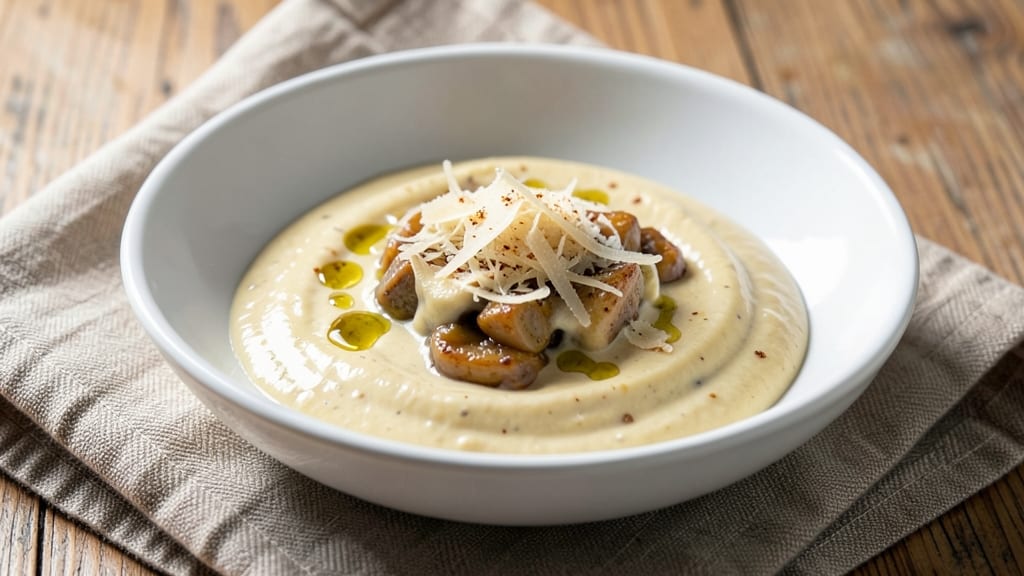
This alfredo sauce recipe for one delivers velvety, clump-free richness in just minutes—perfect for a single serving of pasta without leftovers. The secret lies in slow melting butter and gradual whisking, which creates that signature smooth texture without breaking a sweat.
I developed this version after years of battling lumps in homemade sauces, and it never fails to impress.
What sets this recipe apart is the balance of ingredients: heavy cream for luscious body, Parmesan for nutty depth, and butter for richness, all combined in precise proportions for a single serving.
The key technique is whisking constantly over low heat, which prevents curdling and ensures every bite is perfectly creamy. No special equipment needed—just a saucepan and a whisk.
By the time you're done, you'll have a creamy, restaurant-quality sauce that clings beautifully to your pasta. The aroma alone will make your kitchen feel like an Italian trattoria, and the texture is impossibly smooth—no lumps, no graininess, just pure, luxurious alfredo.
This is the kind of sauce that turns a simple dinner into something special.
Use it immediately over fettuccine or linguine, or save it for later—it reheats beautifully while maintaining that velvety consistency. The recipe scales easily if you need to make more, but the single-serving approach means no waste and maximum flavor per bite. Let's make this sauce!
Ingredients for alfredo sauce recipe for one
Nine simple ingredients transform into velvety alfredo perfection for one.
| Ingredient | Amount | Notes |
|---|---|---|
| Unsalted Butter 🧈 | ½ cup | Cold, cut into small cubes |
| Heavy Cream 🥛 | ¾ cup | Full-fat for best texture |
| Grated Parmesan Cheese 🧀 | ½ cup | Freshly grated from block |
| Garlic Cloves 🧄 | 2 cloves | Minced, fresh preferred |
| Extra-Virgin Olive Oil 🫒 | 1 tbsp | For richness and balance |
| All-Purpose Flour 🌾 | 1 tbsp | For thickening and body |
| Ground White Pepper 🌶️ | ¼ tsp | Freshly ground preferred |
| Salt 🧂 | ¼ tsp | Diamond Crystal preferred |
| Freshly Squeezed Lemon Juice 🍋 | 1 tsp | Brightens the sauce |
The butter is non-negotiable here—European-style unsalted butter melts into silky richness. I grab mine from Whole Foods or Costco for the highest quality. The Parmesan? Freshly grated from a wedge is a game-changer—pre-grated gets clumpy and lacks depth. For the garlic, fresh is essential (the dried stuff just won't cut it), and I always double-check my stash before starting. The heavy cream should be full-fat—half-and-half or light cream will never give you that luxurious texture. Pro tip: let everything sit at room temperature before you begin.
No heavy cream? Full-fat coconut milk works in a pinch (though it does have a slight coconut flavor), or you can use Greek yogurt at half the amount for a tangier twist. Running out of Parmesan? Pecorino Romano is a great substitute—it's sharper and melts beautifully. The olive oil might seem like an afterthought, but high-quality extra-virgin makes all the difference. If you're in a hurry, skip the lemon juice—it's more about brightness than necessity—but I always include it for that final touch of freshness. The flour is just to thicken; if you're really in a bind, cornstarch at half the amount works too.
This sauce is best used immediately, but if you need to store it, cover the surface with plastic wrap to prevent a skin from forming. Keeps for 3-4 days in the fridge, though I always make just enough for one serving to avoid leftovers. For reheating, low heat is key—whisk in a splash of milk or cream to restore that velvety texture. Freezing isn't recommended, as the texture can break down. If you make extra (and I know you won't), portion it into small containers for quick use later.
Why You'll Love This Recipe
- No-Measurement Guessing: I swear by this—just eyeball the butter and cream until it’s velvety, then dump in the Parmesan. No scales, no stress, and it still tastes like I spent hours. That garlic hit? One clove, minced fast while the pot heats—no chopping skills required.
- Rich Without Effort: The heavy cream and butter make it luxurious, but the real magic is that single clove of garlic sizzling in olive oil first. It builds layers of flavor in minutes, not hours. Honestly, I’ve made store-bought sauce taste flat after this—this is the kind of creamy, cheesy goodness that feels like a hug.
- Pasta’s Best Sidekick: Need a quick weeknight dinner? Toss this over fettuccine and call it a meal. Too fancy for plain noodles? Drizzle it over grilled chicken or roasted veggies—it turns everything into something special. Even my picky roommate asks for seconds now.
- Leftovers That Don’t Suck: Make a double batch and refrigerate it; the sauce thickens beautifully and reheats like a dream. No grainy texture, no sad separation—just smooth, creamy perfection. I keep a jar in the fridge for lazy mornings when I just need something comforting without the fuss.
Step-by-step instructions for single-serve alfredo sauce
Here's how to create velvety, lump-free Alfredo sauce tailored for one—no leftovers, no stress.
Melt Butter and Infuse with Garlic
In a small saucepan, melt the 0.5 cup unsalted butter over medium-low heat. I like to use cold butter cubes so it melts gradually and doesn't burn. Once fully melted (about 2 minutes), add the 2 cloves minced garlic and the 1 tablespoon extra-virgin olive oil. Cook for 1-2 minutes until the garlic is fragrant but not browned—this prevents bitterness and ensures a smooth foundation.
Watch the butter carefully—it should foam gently but not turn golden. If it starts to bubble vigorously, reduce the heat immediately. The garlic should sizzle softly, releasing its aroma without coloring. This step builds the sauce's flavor base, so don't rush it.
Whisk in Flour to Create a Roux
Reduce the heat to low and sprinkle in the 1 tablespoon all-purpose flour. Stir constantly with a silicone spatula or whisk for 1-2 minutes until the mixture turns a pale golden color and smells nutty. This creates a roux, which will thicken the sauce beautifully without lumps.
I press the flour into the butter first, then gradually whisk it in to prevent clumping. If you see any dry spots, add a splash of the 0.75 cup heavy cream to help dissolve the flour completely. The roux should coat the back of a spoon smoothly—this ensures your sauce will be velvety, not grainy.
Gradually Add Heavy Cream and Parmesan
Slowly pour in the 0.75 cup heavy cream while whisking continuously. I add it in a thin stream to prevent curdling. Once all the cream is incorporated, stir in the 0.5 cup freshly grated Parmesan cheese and the 0.25 teaspoon salt. Keep the heat at low-medium and whisk for 3-4 minutes until the sauce thickens enough to coat the back of a spoon.
Here's where attention matters: if the sauce looks too thick, add 1 tablespoon water at a time until it reaches a silky consistency. If it's too thin, simmer for another minute. The goal is a sauce that clings to pasta without being gluey. The Parmesan should melt completely—if you see any unmelted bits, whisk vigorously to incorporate them.
Finish with Pepper and Lemon for Balance
Remove the sauce from heat and stir in the 0.25 teaspoon ground white pepper and 1 teaspoon freshly squeezed lemon juice. The lemon brightens the richness, while the pepper adds a subtle, sophisticated touch. Let the sauce sit off the heat for 2-3 minutes—this allows the flavors to meld without risking curdling.
Taste and adjust seasoning: add more salt if needed, or a pinch more pepper for depth. The sauce should be creamy, rich, and perfectly balanced—not overly tangy or salty. If you're serving it immediately, toss with cooked pasta or drizzle over grilled chicken. For later use, let it cool completely before storing in an airtight container.
Serve Immediately for Best Texture
Alfredo sauce is best served fresh, so keep it warm over low heat if you're not using it immediately. The sauce will thicken slightly as it cools, so if you're reheating, whisk in 1 tablespoon warm water or pasta water to restore its silky texture. Avoid boiling—just gentle warmth keeps it creamy without breaking.
This single-serve recipe makes enough for 4 servings (about ½ cup per portion), so you can easily scale it down for one or up for a family. The key to success is patience—rushing leads to lumps, but taking your time guarantees a restaurant-quality sauce every time.
Pro Tips For Making Alfredo Sauce Recipe For One
- Melt Butter Slowly: Start with low heat—no need to rush. Unsalted butter burns faster than you’d think, and once it’s scorched, your whole sauce turns bitter. Let it foam and turn golden, then add the garlic. (Yes, even if you’re impatient like me.)
- Use Cold Heavy Cream: Pour the cold heavy cream into the pan after the butter’s melted and garlic’s cooked. The temperature shock keeps the sauce from curdling—no lumps, no scrambling to fix them later. (Your future self will thank you.)
- Grind Fresh Garlic: Skip the pre-minced jar—it’s often watery and dull. Smash the cloves with the flat side of your knife first, then finely chop them. Fresh garlic adds depth that jarred just can’t match. (I was skeptical until I tried it.)
- Stir Constantly, Low and Slow: Once the cream’s in, keep the heat low and stir like your life depends on it. Alfredo sauce separates faster than you’d believe, and once it splits, there’s no un-splitting it. (This isn’t the prettiest method, but it’s the tastiest.)
Essential equipment for perfect results
Small Saucepan
I use a 3-quart stainless steel saucepan with sloped sides for this recipe—it gives me enough room to whisk without spilling while keeping the sauce contained. The stainless steel conducts heat evenly, preventing hot spots that could scorch your butter.
Look for a Mauviel M'Cook or All-Clad pan if you want to invest; they’re worth every penny for sauce-making. For budget-friendly options, Cuisinart MultiClad works perfectly. 🔥
Whisk Essentials
A balloon whisk is my go-to for Alfredo sauce because it creates air and prevents lumps better than a regular whisk. I recommend the OXO Good Grips Balloon Whisk—it’s ergonomic and won’t slip in your hand.
If you’re short on space, a silicone spatula works too, but whisking is faster for blending ingredients smoothly. Avoid metal spoons—they can scratch your pan over time.
Measuring Tools
Precision matters with small batches, so I use a stainless steel measuring cup set (like Farberware) for the butter, cream, and flour. For the Parmesan, a microplane is a game-changer—it grates finely and efficiently.
I also keep a small digital scale handy (like the OXO Good Grips) for weighing the cheese if I’m feeling fancy. A fine-mesh strainer comes in handy if you accidentally get any garlic bits in your sauce.
Heat Control
Low and slow is key for Alfredo, so I rely on a kitchen thermometer (like the Thermoworks Thermapen) to monitor my pan’s temperature. The ideal range is 170-190°F—any hotter, and your sauce risks breaking.
If you don’t have a thermometer, watch the butter closely: it should bubble gently, not vigorously. A heat-diffusing mat under your pan helps maintain even temperatures, especially if you’re cooking on electric stovetops.
Storage Containers
For leftovers (though I rarely make them!), I store the sauce in glass Pyrex containers with tight-sealing lids. The glass preserves the sauce’s texture better than plastic, and the lids prevent air exposure.
If you’re reheating, a small saucepan is best—never microwave Alfredo, as it can make it grainy. For freezing (not recommended for this recipe), use silicone ice cube trays to portion out single servings.
Nutrition facts
Frequently asked questions
Why does my homemade alfredo sauce get lumpy?
The most common cause is adding cold cream or cheese too quickly—always whisk gradually while keeping heat low. The flour-to-butter ratio matters too: whisk constantly for 1-2 minutes until you see a smooth, pale roux before adding liquids. If lumps appear, strain the sauce through a fine-mesh sieve for instant perfection.
Can I make this sauce without heavy cream?
Yes! For a lighter version, substitute with ½ cup full-fat coconut milk (adds slight coconut flavor) or ½ cup Greek yogurt (creates a tangier, thicker sauce). The texture will be slightly different but still creamy. Reduce simmering time by 1 minute since dairy alternatives thicken faster.
How do I prevent the sauce from separating when reheating?
Never boil the sauce—just warm it gently over low heat while whisking constantly. If it looks curdled, whisk in 1 tablespoon warm water or pasta water until smooth. For extra insurance, stir in ½ teaspoon cornstarch mixed with 1 tbsp water before reheating. The key is patience: let it warm slowly to avoid breaking the emulsion.
Is freshly grated Parmesan really necessary?
Pre-grated cheese contains anti-caking agents that create graininess. A microplane gives you the finest, freshest texture. For a quick fix, pulse pre-grated cheese in a food processor for 10 seconds to break up clumps. If you're out of Parmesan, Pecorino Romano works beautifully—it's sharper and melts more smoothly.
Can I use this sauce on dishes other than pasta?
Definitely! This creamy sauce elevates grilled chicken, roasted vegetables, or even baked potatoes. For meat, simmer the sauce for 2 extra minutes to deepen the flavor. On veggies, reduce the lemon juice to ½ teaspoon to avoid overpowering delicate flavors. The sauce also makes an amazing dip for garlic bread or shrimp—just thin it slightly with a splash of milk if needed.