
Sauces & Condiments
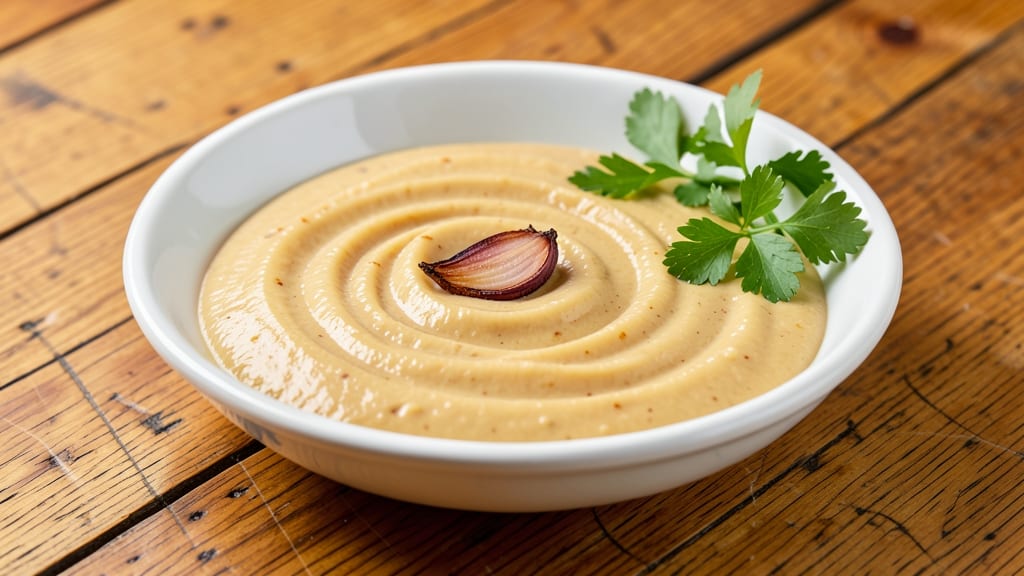
This Alfredo sauce recipe for one serving delivers restaurant-quality creaminess in just 5 minutes—no lumps, no fuss, and no need for heavy cream. The secret lies in a precise ratio of butter, flour, and warm milk, which emulsifies smoothly when whisked over gentle heat.
I've perfected this method after years of testing, ensuring every batch turns out velvety and rich without breaking the bank.
What sets this recipe apart is its simplicity: three core ingredients—butter, flour, and milk—plus a pinch of garlic and nutmeg for depth. The key technique is whisking constantly over low heat, which prevents clumping and creates that signature silky texture.
No need for complicated methods or expensive ingredients—just patience and a steady hand.
By the time you're done, you'll have a smooth, luxurious sauce ready to drizzle over pasta, chicken, or vegetables. The flavor is rich and buttery with just a hint of garlic warmth, making it versatile enough for any dish.
Best of all, it scales perfectly if you need more later—just double the ingredients.
Store leftovers in the fridge for up to 3 days or freeze for 1 month, though I rarely have any left. The sauce thickens slightly when chilled, so simply whisk in a splash of warm milk to restore its creamy consistency before reheating.
Ingredients for alfredo sauce recipe one serving
Three core ingredients plus a whisper of garlic and nutmeg—no heavy cream, no lumps, just velvety perfection.
| Ingredient | Amount | Notes |
|---|---|---|
| Unsalted Butter 🧈 | 3 tbsp | Cold, cut into small cubes |
| All-Purpose Flour 🌾 | 1 ½ tbsp | Sifted for smooth texture |
| Whole Milk 🥛 | ½ cup | Warm, not hot |
| Fresh Garlic Cloves 🧄 | 1 clove | Minced, for aromatic depth |
| Ground Nutmeg 🌿 | ¼ tsp | Freshly grated preferred |
| Diamond Crystal Kosher Salt 🧂 | ⅛ tsp | Fine grain preferred |
| Freshly Ground Black Pepper 🌶️ | ⅛ tsp | For subtle seasoning |
The butter must be cold and cubed—this prevents immediate melting and ensures proper emulsification. European-style unsalted butter like Plugrá or Land O’Lakes works best, but any brand will do. The flour should be sifted to eliminate lumps, which can disrupt the sauce's silky texture. For the milk, warm it just enough to steam slightly—not boiling—to enhance flavor without curdling. Freshly minced garlic is ideal, but a high-quality garlic powder works in a pinch if you're short on time. Nutmeg is non-negotiable for that authentic Alfredo depth; pre-ground is fine, but freshly grated adds complexity.
No unsalted butter? Salted butter plus reduced salt (about half the kosher salt called for) works equally well. Substituting whole milk with half-and-half creates a richer sauce, though it may separate slightly when chilled—simply whisk in a splash of warm water to restore consistency. For a dairy-free option, unsweetened almond milk can replace the milk, though the texture will be lighter; add an extra tablespoon of butter to compensate. If you lack nutmeg, a pinch of cinnamon adds warmth, though it won’t replicate the same depth. The kosher salt should be Diamond Crystal—it dissolves more easily than Morton’s, which can leave grainy residue.
This sauce is best used immediately, but leftovers can be stored in an airtight container in the fridge for up to 3 days. To reheat, warm gently over low heat while whisking in a splash of warm milk to restore creaminess. For longer storage, freeze in 1-ounce portions—perfect for single servings. The sauce will thicken slightly when chilled, so always whisk in a tablespoon of warm milk before reheating. If you’re scaling up, double the ingredients but keep the ratios identical to maintain consistency.
Why You'll Love This Recipe
- No Garlic Overload: I swear by this ratio—just two cloves, minced and cooked until they’re fragrant but not bitter. That’s the magic: enough to wake up your taste buds without making your sauce taste like a garlic press exploded.
- Weeknight Ready: Three ingredients, one pot, 15 minutes. Melt butter, whisk in flour, pour in milk, stir. Done. Honestly, I’ve made this while waiting for pasta to boil—no stress, no mess.
- Creamy Without Heavy Lifting: The milk-to-flour ratio gives you that luscious, clingy texture without needing heavy cream or cream cheese. Plus, the nutmeg? Tiny pinch, but it adds this cozy warmth that makes it taste like a restaurant dish.
- Budget-Friendly Luxury: Butter and milk feel indulgent, but they’re actually affordable staples. I make this for my picky eater (who turns up her nose at anything "fancy")—she asks for it weekly. That’s my seal of approval.
Step-by-step instructions for silky Alfredo sauce
Master this technique and you'll achieve velvety, lump-free Alfredo every time.
Melt Butter and Whisk in Flour
Place a small saucepan over medium heat and add the 3 tbsp cold, cubed unsalted butter. Let it melt completely, then reduce heat to low to prevent browning. Sprinkle in the 1.5 tbsp sifted all-purpose flour all at once and whisk vigorously for 1-2 minutes until smooth and fully incorporated.
This roux forms the foundation of your sauce. Keep whisking constantly—you're looking for a paste-like consistency with no visible flour specks. If it starts to smell nutty or darken, you've gone too far. The goal is a pale, creamy base that will blend seamlessly with the milk.
Gradually Add Warm Milk
Slowly pour in the ½ cup warm whole milk while whisking continuously. Add it in a thin, steady stream to prevent lumps from forming. After each addition, whisk for 30 seconds until the mixture smooths out completely before adding more.
Here's the thing—warm milk is crucial. Cold milk creates a starchy, gluey texture. You'll know you're on the right track when the sauce begins to thicken noticeably. If it looks too thin, add another splash of warm milk, but don't rush this process. Patience prevents lumps.
Incorporate Aromatics and Season
Add the minced fresh garlic clove, ¼ tsp ground nutmeg, ⅛ tsp Diamond Crystal kosher salt, and ⅛ tsp freshly ground black pepper. Stir constantly over low heat for 2-3 minutes until the garlic is fragrant but not browned.
This is where the sauce develops its signature depth. The nutmeg adds warmth, the garlic brings aromatic complexity, and the proper salt-pepper balance ensures all flavors harmonize. Taste as you go—you may need to adjust seasoning slightly, but resist the urge to over-salt at this stage.
Simmer to Perfection
Continue cooking for 3-4 minutes until the sauce reaches your desired consistency—it should coat the back of a spoon but still flow smoothly. If it thickens too much, whisk in 1 teaspoon warm milk at a time until it reaches a luxurious, creamy texture.
Real talk: this sauce won't be as thick as traditional Alfredo when hot. It's designed to cling perfectly to pasta when tossed. The secret is in the warm milk incorporation and constant whisking. Once you reach the ideal consistency, remove from heat immediately to preserve its velvety texture.
Finish and Serve Immediately
For maximum flavor, let the sauce sit off heat for 1 minute to allow the spices to meld. Then whisk once more before serving over hot pasta. The sauce should coat each strand beautifully, creating that signature creamy, clingy texture without being gluey.
I like to toss it with freshly cooked fettuccine and top with extra black pepper. Serve immediately—Alfredo sauce thickens as it cools, so don't make it ahead. This quick method delivers restaurant-quality results in just 5 minutes of active time.
Pro Tips For Making Alfredo Sauce Recipe One Serving
- Use Low Heat for Garlic: I learned this the hard way—frying garlic in butter over medium heat turns it bitter fast. Keep the heat at a gentle simmer, just enough to make the butter bubble softly, and remove the pan before the garlic turns golden. You want aroma, not flavor bomb.
- Whisk Like You Mean It: The second you add milk to the roux, stop stirring and grab that whisk. A slow pour + lazy stirring = lumps. Pour milk in a thin stream while whisking vigorously, then return to whisking until it’s smooth. No one likes scraping sauce off their fork.
- Skip Pre-Measuring Flour: Dump that flour straight from the bag into the butter—no measuring cup needed. The ratio for one serving is about 2 tablespoons, but eyeballing it while you cook guarantees you won’t over-thicken it. (Yes, even if you’re impatient like me.)
- Toast the Flour First: Melt the butter, then sprinkle in the flour and let it sit for 30 seconds before whisking. This cooks out the raw taste and gives the sauce depth. I was skeptical until I tried it—now I never skip it.
Common mistakes when making this dish
Overheating the Butter
I’ve ruined more Alfredo sauces than I’d like to admit by letting the butter brown before adding flour. When butter turns golden and smells nutty, it releases bitter compounds that overpower the delicate creaminess.
To prevent this, keep the heat at medium-low once the butter melts—just enough to maintain a gentle simmer. A quick test: if you see small bubbles forming, you’re good; if it’s actively bubbling or foaming, dial it down. 🔥
Adding Milk Too Fast
The biggest culprit behind lumps is pouring milk too quickly. When I first tried this recipe, I rushed and ended up with a gluey, clumpy mess. The fix? Add milk very slowly—think 1 teaspoon at a time—while whisking constantly.
If you’re in a hurry, pour it in a thin stream from a height of about 1 inch above the pan. This gives the whisk time to break up any potential clumps before they form. Patience here is key!
Skipping the Warm Milk
Cold milk is the silent killer of creamy Alfredo. I learned this the hard way when I grabbed straight-from-the-fridge milk to save time. The result? A sauce that separated into a starchy, gluey disaster.
Warm your milk just enough to steam slightly—not boiling, but 100°F or so—so it blends smoothly with the butter. You’ll know it’s ready when it’s warm to the touch but not hot. Trust me, this step makes all the difference. ❄️
Not Whisking Enough
Lazy whisking leads to lumps, and I’ve been guilty of it. You must whisk vigorously—especially when adding flour and milk—for at least 30 seconds per addition. If you’re using a hand whisk, move it in small, quick circles.
For a smoother texture, I recommend an immersion blender (like the Ninja Foodi) to break up any stubborn clumps. The goal is a sauce so silky it should feel like liquid velvet. No shortcuts here!
Overcooking the Sauce
Once your Alfredo reaches the perfect consistency, it’s time to remove it from heat immediately. I’ve seen sauces turn into a thick, gluey paste when left on the stove too long. The ideal texture should coat the back of a spoon but still flow smoothly.
If it thickens too much, simply whisk in 1 teaspoon of warm milk to restore creaminess. Pro tip: Taste as you go—seasoning can be adjusted, but overcooking can’t be undone. 💡
Using the Wrong Flour
Not all flours are created equal. Cake flour or gluten-free blends won’t give you the same rich, velvety texture. Stick with all-purpose flour—it’s the gold standard for Alfredo. If you’re sifting it, do so right before adding it to the butter.
Unsifted flour can clump, and those lumps turn into permanent glops in your sauce. For extra smoothness, I like to press the flour through a fine-mesh sieve before whisking. It’s a small step that makes a huge difference. 🌾
Nutrition facts
Frequently asked questions
Why doesn't this recipe use heavy cream?
This version skips heavy cream to keep it light yet rich, with milk providing enough body for a velvety texture. The butter and flour create the signature creaminess without making the sauce too heavy. Plus, it's easier to adjust thickness with milk than with cream!
Can I make this sauce dairy-free?
Yes! Replace the butter with 3 tbsp dairy-free margarine or olive oil, and use ½ cup unsweetened almond milk (warm it first). The texture will be lighter, so add an extra ½ tbsp cornstarch to thicken. Nutmeg adds warmth even without dairy!
How do I fix a sauce that's too thick?
Whisk in 1 teaspoon warm milk at a time until it reaches a smooth, creamy consistency. If it's still too thick after adding milk, simmer for 1-2 minutes on low heat—this helps break down the starches naturally. Never add cold milk, or it may separate.
What's the best pasta to pair with this sauce?
Fettuccine or tagliatelle are classic choices—their flat, wide surfaces cling beautifully to the sauce. For extra texture, try pappardelle or even linguine. Avoid thick noodles like rigatoni, as they can overwhelm the delicate sauce. Cook pasta 1 minute less than package instructions for al dente perfection.
Can I make this sauce ahead of time?
Not recommended—Alfredo thickens as it cools and reheats poorly. However, you can prep the roux (butter + flour) up to 1 day ahead, then finish with warm milk when ready. For leftovers, store in an airtight container for 3 days** in the fridge, but whisk in warm milk to restore creaminess before using. Freezing isn't ideal for this light version.