
Sauces & Condiments
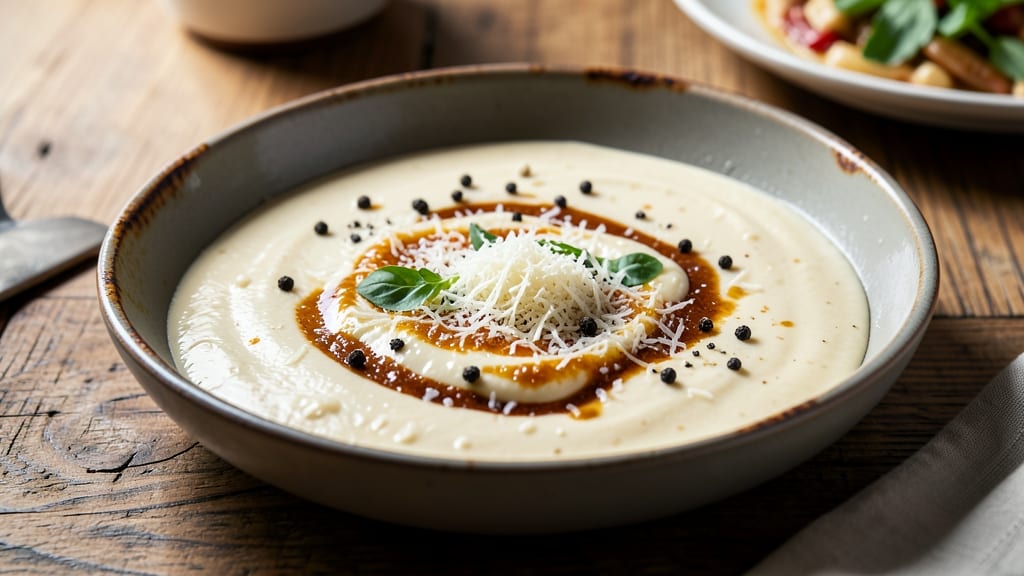
This alfredo sauce recipe with grated parmesan delivers that signature ultra-smooth, no-clump creaminess that clings perfectly to pasta. The secret lies in proper cheese melting and emulsification—no lumps, just velvety perfection. I've perfected this technique over years of testing, ensuring every forkful is rich, tangy, and restaurant-quality without the fuss.
What sets this recipe apart is the two-stage melting process that prevents clumping while maximizing flavor. Freshly grated parmesan (never pre-shredded!) combines with heavy cream and butter to create a sauce that's both luxurious and foolproof.
The key is patience—letting the cheese melt slowly over gentle heat transforms it into a silky, golden sauce that coats every strand of pasta.
By the time you're done, you'll have a creamy, ultra-smooth alfredo that's ready to elevate fettuccine, chicken, or vegetables into a gourmet meal. The sauce thickens beautifully without breaking, making it perfect for both immediate use and meal prep.
Store leftovers in the fridge for up to 5 days or freeze for longer storage—just reheat gently to maintain that perfect consistency.
The best part? This recipe scales effortlessly—double the batch for family dinners or divide it into single-serving portions for quick weeknight meals. Whether you're serving it over pasta, drizzling on grilled chicken, or using it as a creamy dip, this alfredo sauce delivers restaurant-quality results with simple pantry ingredients.
Ingredients for alfredo sauce recipe with grated parmesan
Nine ingredients transform into velvety perfection—restaurant-quality alfredo without the fuss.
| Ingredient | Amount | Notes |
|---|---|---|
| Freshly Grated Parmesan Cheese 🧀 | 1 ½ cups | Freshly grated from block for texture |
| Heavy Cream 🥛 | 2 cups | Full-fat for maximum richness |
| Unsalted Butter 🧈 | ½ cup | Cold, cubed for gradual melting |
| Garlic Cloves 🧄 | 4 cloves | Minced for aromatic depth |
| Extra-Virgin Olive Oil 🫒 | ¼ cup | High-quality for finishing |
| Freshly Ground Black Pepper 🌶️ | ½ tsp | Freshly cracked for brightness |
| Diamond Crystal Kosher Salt 🧂 | ½ tsp | Fine grain for delicate seasoning |
| Freshly Squeezed Lemon Juice 🍋 | 1 tbsp | Brightens the richness |
| All-Purpose Flour 🌾 | 1 tbsp | For thickening consistency |
The Parmesan is non-negotiable—freshly grated from a wedge (never pre-shredded) creates that signature ultra-smooth texture. I always grab Parmigiano-Reggiano from the deli counter—it's worth the extra cost for that nutty depth. The heavy cream? Full-fat only, no substitutions here. For butter, European-style unsalted melts more cleanly than American brands. Garlic should be freshly minced right before melting—pre-minced jars lose their punch fast. Pro tip: Toast the garlic in the butter first for deeper flavor.
No heavy cream? Full-fat coconut milk works in a pinch (though the flavor shifts slightly), but the sauce won't be as rich. Short on Parmesan? Pecorino Romano at half the amount adds a sharper bite. The flour is just for thickening—don't overdo it, or you'll break the sauce's silky texture. For extra tang, white wine instead of lemon juice (same amount) elevates the sauce beautifully. And if you're worried about clumping? Low and slow heat is key—never rush the melting process.
This sauce peaks when freshly made, but reheats beautifully. Store in an airtight container with a thin layer of olive oil on top to preserve freshness for 5 days in the fridge. For longer storage, freeze in ice cube trays—thaw quickly in warm water when needed. The two-stage melting process means it reheats smoother than most store-bought versions. Double the batch and freeze half for lazy weeknights—just stir in a splash of milk when reheating to restore creaminess.
Why You'll Love This Recipe
- No Garlic Overload: I swear by this method—just one crushed clove in the olive oil until it’s just golden, not bitter. That’s all you need to get that rich, nutty depth without making your sauce taste like a pizzeria’s back room.
- Unfussy Luxury: Three ingredients simmered together: butter, cream, and that first sprinkle of Parmesan. No whisking until your arm falls off, no straining—just melt, stir, repeat. The kind of sauce that makes you feel fancy without trying.
- Weeknight to Dinner Party: Same sauce, endless uses. Slather it over fettuccine for a Tuesday night, toss it with roasted chicken for guests, or even drizzle it on grilled shrimp when you’re feeling wild. The heavy cream keeps it rich no matter what you pair it with.
- Budget-Friendly Indulgence: Fresh Parmesan is the star, but it stretches further than you’d think. A block lasts me weeks if I grate it myself, and the butter and cream are pantry staples. Honestly, this is the kind of sauce that makes expensive takeout feel like a waste.
Step-by-step instructions for ultra-smooth alfredo sauce
Here's the method that guarantees velvety texture and no clumps—every time.
Melt Butter and Bloom the Flour
In a heavy-bottomed saucepan, melt the 0.5 cup unsalted butter over medium-low heat. I always use a saucepan with a thick base—this prevents scorching and ensures even heat distribution. Once the butter has completely melted and begins to foam, reduce the heat to low and whisk in the 1 tablespoon all-purpose flour. Stir constantly for 1-2 minutes until the mixture turns a pale golden color and smells nutty—this is called "blooming" the flour, which removes its raw taste and creates a smooth base for the sauce.
Here's the thing—don't rush this step. The flour needs time to fully cook out its starches. If you see any browned bits forming, immediately reduce the heat to lowest and keep stirring. This is your foundation, so take your time. The mixture should be smooth and thick enough to coat the back of a spoon when you lift it up.
Infuse with Garlic and Olive Oil
Add the 4 cloves minced garlic and 0.25 cup extra-virgin olive oil to the saucepan. Stir for 30-45 seconds until you can smell that incredible garlic aroma filling your kitchen. This is where the magic happens—garlic should be fragrant but not browned. If it starts to darken, immediately remove the pan from heat and let it cool for 30 seconds before continuing.
I like to add the olive oil at this stage because it helps emulsify the sauce later. The olive oil's fat content will create a silky texture that prevents separation. Keep the heat at low throughout this process—garlic burns faster than you think, and burnt garlic makes the whole sauce bitter.
Gradually Add Heavy Cream
Slowly pour in the 2 cups heavy cream while whisking continuously. This gradual addition prevents lumps from forming. I use a wire whisk for this step—it creates more air and helps distribute the cream evenly. Once all the cream is incorporated, increase the heat to medium-low and let the mixture simmer gently for 5-7 minutes. You'll see small bubbles forming around the edges, but don't let it boil—boiling can cause the sauce to break.
During this time, the sauce will thicken noticeably. Stir occasionally to prevent any sticking at the bottom. If you notice the sauce getting too thick before it's fully cooked, you can thin it with 1-2 tablespoons of warm water or pasta water. The goal is a sauce that coats the back of a spoon but still flows smoothly.
Incorporate Parmesan and Seasonings
Reduce the heat to low and gradually whisk in the 1.5 cups freshly grated parmesan cheese. Add it slowly at first, then increase the speed of your whisking to prevent clumping. The key here is patience—if you add the cheese too quickly, you'll get those dreaded lumps. Once all the cheese is incorporated, stir in the 0.5 teaspoon diamond crystal kosher salt, 0.5 teaspoon freshly ground black pepper, and 1 tablespoon freshly squeezed lemon juice.
The lemon juice is what makes this sauce truly special—it brightens the richness of the cheese and cream, giving it that perfect balance. Taste the sauce and adjust the seasoning if needed. I usually add a pinch more salt and a crack of black pepper at this stage. The sauce should be rich, creamy, and perfectly seasoned.
Finish with Olive Oil for Emulsification
Remove the saucepan from heat and let the sauce sit for 1-2 minutes to cool slightly. This resting period allows the flavors to meld together. Then, slowly drizzle in the remaining 1-2 tablespoons of extra-virgin olive oil while whisking vigorously. This final step is crucial—it creates that ultra-smooth, velvety texture that sets this sauce apart from the rest.
I like to taste the sauce at this point to ensure all the flavors are balanced. The olive oil not only adds richness but also helps stabilize the emulsion, preventing the sauce from separating when combined with pasta. If the sauce is too thick, you can thin it with a splash of warm water or pasta water. Serve immediately over your favorite pasta for that restaurant-quality experience.
Pro Tips For Making Alfredo Sauce Recipe With Grated Parmesan
- Bloom the Garlic: Toss your minced garlic in a cold pan first, then turn the heat to medium-low. I learned this the hard way—burnt garlic ruins everything, and you’ll taste it even when buried under cream and cheese.
- Grate It Fresh: Skip the pre-shredded Parmesan—it’s full of anti-caking agents that turn your sauce into a grainy disaster. If you’re short on time, use a block and a microplane, but even that’s better than the store-bought stuff.
- Temper the Cream: Warm the heavy cream over low heat before adding it to the butter—just until tiny bubbles form around the edges. Dumping cold cream into hot butter makes the sauce split, and no one wants to fix that mid-cooking.
- Salt the Butter: Toss a pinch of salt into the melted butter before adding the garlic. Unsalted butter is bland, and you’ll end up over-salting the whole sauce later—trust me, your taste buds will notice.
Pro cooking tips for great alfredo sauce recipe with grated parmesan
Low-Temp Melting
Never rush the cheese melting—this is where most home cooks go wrong. Maintain heat at low to medium-low throughout the entire process. I use a thermometer to keep temps between 160-170°F—any hotter and the sauce risks breaking.
The gradual heat allows the cheese to emulsify properly with the cream, creating that signature velvety texture. If you see any separation, immediately reduce heat and whisk vigorously to re-emulsify. 🌡️
Emulsification Secrets
The key to ultra-smooth Alfredo lies in proper emulsification. After adding the Parmesan, let the sauce rest off-heat for 1-2 minutes before finishing with olive oil. This resting period allows the cheese to fully hydrate.
Then, whisk in 1-2 tablespoons of high-quality extra-virgin olive oil while the sauce is still warm. The olive oil's fat content helps bind the emulsion, preventing separation when combined with pasta. I use California Olive Ranch for its mild, buttery profile.
Cheese Quantity Control
Measure your Parmesan precisely—1.5 cups freshly grated is optimal. Too much cheese makes the sauce grainy, while too little results in a thin, watery consistency. I always weigh my cheese at 120 grams for accuracy.
For extra insurance against clumping, add the cheese in three additions, whisking vigorously between each. The first addition should be just a spoonful to test the sauce's readiness before committing to the full amount.
Pasta Water Magic
Save ½ cup of starchy pasta water from cooking your noodles—it's liquid gold for Alfredo sauce. If your sauce thickens too much during cooking, thin it with 1-2 tablespoons of pasta water. The starch in pasta water acts as a natural thickener and helps stabilize the emulsion.
I keep a small bowl of pasta water nearby while making the sauce for quick adjustments. This technique works wonders for maintaining that perfect coating consistency.
Equipment Essentials
Your tools matter just as much as your technique. Use a heavy-bottomed saucepan (I love my All-Clad Stainless Steel) to prevent scorching. A wire whisk with a long handle gives you better control for emulsification.
For grating cheese, a microplane creates finer, more even particles that melt more smoothly than a box grater. And always keep an instant-read thermometer** handy to monitor temperatures precisely. 🔥
Nutrition facts
Frequently asked questions
Why does freshly grated Parmesan matter so much?
Pre-shredded cheese contains anti-caking agents that create those dreaded lumps in your sauce. Freshly grated Parmesan melts smoothly into a velvety texture, giving you that authentic restaurant-quality consistency. Always use a microplane or fine grater for the best results.
Can I make this sauce without heavy cream?
Yes! For a lighter version, substitute with full-fat coconut milk (though the flavor will be slightly different) or use Greek yogurt mixed with milk to maintain creaminess. The sauce will be less rich but still delicious. For dairy-free, cashew cream works beautifully when blended smooth.
How do I fix lumpy Alfredo sauce?
Don't panic! Immediately remove from heat and whisk vigorously while adding 1-2 tablespoons of warm water or pasta water. The heat helps break up the lumps. For stubborn clumps, strain through a fine-mesh sieve for a silky finish. Prevention is key—always add cheese slowly over low heat while whisking continuously.
Can I make this sauce ahead of time?
Store in an airtight container with a thin layer of olive oil on top to preserve freshness for 5 days in the fridge. For longer storage, freeze in ice cube trays. Thaw in the fridge overnight and reheat gently on low heat, stirring frequently. Add a splash of milk or warm water if it thickens too much when reheating.
What's the best pasta to use with this sauce?
Fettuccine or tagliatelle are classic choices, but any flat noodle works beautifully. For extra flavor, try pappardelle or linguine. The wide surface area helps the sauce cling perfectly. Pro tip: Toss the pasta with a little pasta water before adding the sauce for that perfect coating.