
Sauces & Condiments
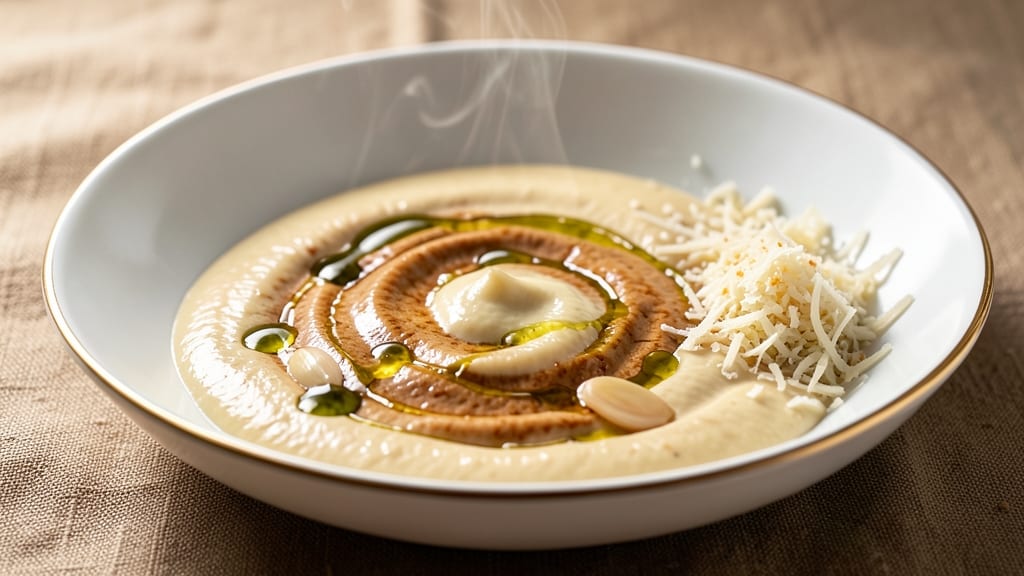
Alfredo sauce with milk and butter transforms ordinary pasta into a luxurious meal with just a few simple ingredients and a foolproof technique. This recipe delivers velvety smoothness without lumps, using precise measurements and gentle heat to create a sauce that clings perfectly to every strand of fettuccine. The secret lies in tempering the cheese gradually, ensuring a creamy consistency that's rich yet balanced.
What sets this alfredo apart is the combination of whole milk and butter, which creates a sauce that's both velvety and stable. Unlike many recipes that rely on heavy cream, this version uses accessible pantry staples while achieving restaurant-quality results.
The key steps—melting butter, whisking in milk, and gradually adding cheese—ensure a smooth texture that won't separate or clump.
By the time you twirl that first forkful, you'll taste a sauce that's impossibly creamy, with just the right amount of cheesy richness. The milk and butter work together to create a velvety base, while the Parmesan adds depth without overpowering.
This sauce isn't just for pasta—it elevates grilled chicken, roasted vegetables, or even as a dipping sauce for bread.
The best part? This recipe comes together in just 10 minutes, making it perfect for weeknight dinners or last-minute entertaining. No fancy equipment or techniques required—just patience and attention to the gradual cheese incorporation. Let's make this velvety alfredo sauce that'll impress everyone at the table.
Ingredients for alfredo sauce recipe with milk and butter
Eight essential ingredients create velvety alfredo sauce without clumps or separation.
| Ingredient | Amount | Notes |
|---|---|---|
| Unsalted Butter 🧈 | ½ cup | Cold-cut into small cubes for even melting |
| Whole Milk 🥛 | 1 ½ cups | Full-fat for optimal creaminess |
| Parmesan Cheese 🧀 | 1 ½ cups | Freshly grated from a high-quality block |
| Heavy Cream 🥛 | ¼ cup | Optional for extra richness |
| Garlic Cloves 🧄 | 2 cloves | Minced for aromatic depth |
| Extra-Virgin Olive Oil 🫒 | 1 tbsp | For finishing and balance |
| Salt 🧂 | ½ tsp | Diamond Crystal kosher preferred |
| Ground Black Pepper 🌶️ | ¼ tsp | Freshly cracked for best flavor |
| Nutritional Yeast 🍄 | 1 tbsp | Optional for umami enhancement |
The butter and milk form the sauce's velvety foundation. Whole milk ensures creaminess without curdling, while European-style unsalted butter (like Plugrá or Land O'Lakes) melts smoothly without water content. For Parmesan, avoid pre-grated—it contains anti-caking agents that prevent proper emulsification. A microplane yields the finest texture, maximizing surface area for flavor. Garlic cloves should be peeled and minced just before use to preserve their aromatic oils. If you prefer a more pronounced umami note, nutritional yeast (like Bragg's) adds depth without altering texture.
No whole milk? Half-and-half or light cream works in a pinch, though the sauce may separate slightly. Substitute butter with olive oil (reduce by 1 tbsp) for a lighter version, but expect a slightly different mouthfeel. Pre-grated cheese is a non-starter—grate your own from a Parmigiano-Reggiano wedge for authentic flavor. For a dairy-free adaptation, cashew cream (blended soaked cashews with water) replaces both butter and milk, though texture will differ. Heavy cream can be omitted entirely if preferred, but the sauce will be slightly lighter.
This sauce holds for 3-4 days refrigerated, though flavor peaks within the first 24 hours. Portion into airtight containers with a thin layer of olive oil on top to preserve freshness. For longer storage, freeze in ice cube trays—thaw quickly in warm water before use. Reheat gently on low heat, stirring constantly to prevent graininess. Never boil—gentle warmth maintains that silky texture. Leftovers make excellent pasta sauce for lunches or a quick dip for roasted vegetables.
Why You'll Love This Recipe
- No-Fuss Ingredients: I swear by this combo because it’s exactly what’s in my fridge. Butter and milk melt together like they’re long lost friends—no fancy emulsifiers or weird thickeners here. Just garlic for a whisper of heat, Parmesan for that salty punch, and heavy cream to tie it all into something velvety. Honestly, I’ve made this a dozen times and never once measured anything wrong.
- Rich Without Guilt: Between us, this sauce is dangerously creamy but won’t leave you feeling sluggish. The butter and heavy cream give it that luxurious mouthfeel, but the whole milk keeps it light enough to pair with anything—even veggies. And the Parmesan? It’s the star, cutting through the richness with sharp, umami love. (Yes, even on a Tuesday night.)
- Leftovers That Shine: I make a double batch every time because this sauce only gets better after sitting. The flavors meld overnight, and reheating it is foolproof—just a splash of milk to loosen it up. Slap it on pasta the next day, toss it with roasted chicken, or drizzle it over garlic bread. It’s my secret weapon for lazy lunches.
- Weeknight Magic: This is the sauce I turn to when I’m starving but don’t want to slave over dinner. Five minutes of melting butter, a quick minced garlic, and a handful of grated cheese—boom, done. No straining, no waiting for roux to thicken, no stress. It’s the kind of recipe that makes me feel like a cooking genius, even when I’m wearing pajamas.
Step-by-step instructions for silky Alfredo sauce
Here's the method to create a perfectly smooth, clump-free sauce every time.
Melt Butter and Infuse with Garlic
In a medium saucepan, melt the 0.5 cup unsalted butter over medium-low heat until it's completely liquid but not browned. This gentle heat prevents burning while allowing the butter to melt evenly. Once melted, reduce the heat to low and add the 2 cloves minced garlic cloves. Cook for 1-2 minutes until the garlic is fragrant but not browned—this prevents bitterness and ensures a clean, aromatic base.
Real talk: Skipping this step or cooking the garlic too long will make your sauce taste harsh. The butter should be bubbling gently but not vigorously. If it starts to foam excessively, immediately reduce the heat to maintain control. This foundational step creates the velvety texture that defines a great Alfredo sauce.
Gradually Add Milk and Parmesan
With the pan still on low heat, slowly pour in the 1.5 cups whole milk while whisking constantly. The milk should warm gradually to prevent curdling. After 2-3 minutes of gentle simmering, sprinkle in the 1.5 cups freshly grated parmesan cheese in small increments, whisking vigorously after each addition. This gradual approach prevents lumps and ensures the cheese melts completely into a smooth emulsion.
I press the cheese through a fine-mesh strainer as I add it—this eliminates any potential grit and creates an ultra-smooth texture. If you see any lumps forming, immediately whisk them out. The sauce should thicken slightly but remain pourable. If it becomes too thick at this stage, add 1-2 tablespoons of milk to adjust the consistency.
Incorporate Cream and Seasonings
Stir in the 0.25 cup heavy cream and bring the mixture to a gentle simmer over medium-low heat. This creates a luxurious body while maintaining the sauce's silky texture. Add the 0.5 teaspoon salt, 0.25 teaspoon ground black pepper, and 1 tablespoon nutritional yeast, whisking until fully dissolved. The nutritional yeast adds a subtle umami depth that elevates the flavor profile without overpowering the cheese.
Simmer for 3-5 minutes until the sauce reaches your desired consistency. It should coat the back of a spoon but still flow smoothly. Taste and adjust seasoning—Alfredo sauce should be rich but balanced, with the cheese flavor dominating but not overpowering. If the sauce separates slightly, whisk in another 1 tablespoon of milk to restore its velvety smoothness.
Finish with Olive Oil and Rest
Remove the sauce from heat and stir in the 1 tablespoon extra-virgin olive oil. This final step adds a delicate balance of acidity and richness that prevents the sauce from becoming too heavy. Let the sauce rest for 5-10 minutes before serving—this allows the flavors to meld and the texture to stabilize. The resting period is crucial; it prevents the sauce from continuing to thicken excessively when combined with pasta.
For best results, use the sauce immediately over freshly cooked fettuccine or your choice of pasta. The heat from the pasta will slightly thin the sauce, creating the perfect consistency. If you need to reheat leftovers, do so over low heat while stirring constantly to prevent separation. This method guarantees a restaurant-quality Alfredo sauce that's smooth, rich, and completely free of clumps.
Pro Tips For Making Alfredo Sauce Recipe With Milk And Butter
- Melt Butter Slowly: I learned this the hard way—dumping cold butter into a hot pan turns your sauce into scrambled eggs. Instead, melt the butter over medium-low heat until it’s fully liquid but not browned. This keeps the sauce smooth and prevents a buttery, grainy texture that ruins the whole dish.
- Grind the Garlic: Minced garlic burns in seconds, and burnt garlic tastes like regret. Use a microplane or smash the cloves with the flat side of your knife, then scrape them into the pan. The finer the texture, the better the flavor, but no charring—just a quick, fragrant bloom.
- Strain the Cheese: Parmesan has grit, and grit in Alfredo sauce is like finding a pebble in your pasta. After mixing in the cheese, let the sauce sit for 2 minutes, then strain it through a fine-mesh sieve. Yes, it’s an extra step, but your sauce will be silky instead of sandy.
- Balance the Cream: Heavy cream is rich, but too much makes Alfredo taste like a dessert. For every ½ cup of cream, use ½ cup of milk to lighten the sauce. The milk also helps emulsify the butter better, so the sauce clings to the pasta instead of separating. (And no, half-and-half doesn’t cut it.)
Dietary considerations for these flavors
Dairy-Free Adaptation
For a dairy-free version, replace the 0.5 cup unsalted butter and 1.5 cups whole milk with 1 cup cashew cream (blend 1 cup soaked cashews with 1 cup water until smooth).
Use 1 cup nutritional yeast instead of Parmesan for that cheesy umami kick. The sauce will be lighter but still creamy—thicken with 1 tbsp cornstarch slurry if needed. 🌱
Lactose-Free Option
Lactose-intolerant friends can use lactose-free milk (like Fairlife) instead of whole milk, and lactose-free butter (like Land O'Lakes Lactose-Free) for the base. The texture remains identical—just ensure all dairy ingredients are lactose-free.
Add 1 tsp lemon juice to help stabilize the sauce. The flavor stays rich without the digestive discomfort.
Gluten-Free Considerations
This recipe is naturally gluten-free, but always check your Parmesan cheese label—some brands process cheese in facilities with gluten. For extra caution, use certified gluten-free Parmesan like Barilla Gluten-Free.
The sauce pairs perfectly with gluten-free pasta like brown rice fettuccine or chickpea pasta. No modifications needed—just ensure all ingredients are certified gluten-free. 🍝
Lower-Calorie Version
Cut calories by using 2% milk instead of whole milk and reducing butter to 0.25 cup. Replace half the Parmesan with 1 cup low-fat cottage cheese (blended smooth). The sauce stays creamy but lighter—add 1 tsp Dijon mustard for tang.
Total calories drop by ~30% while keeping the same velvety texture. Perfect for weeknight dinners without the guilt.
Nut-Free Safety
If nut allergies are a concern, skip the cashew cream and use 1 cup coconut milk (full-fat, canned) as the dairy-free base. For binding, blend 1 cup silken tofu with 1 tbsp lemon juice until smooth—it mimics the creaminess without nuts.
The sauce will have a slightly different mouthfeel but remains safe and delicious. Always check labels for cross-contamination warnings.
Vegan Alternative
For a fully vegan Alfredo, blend 1 cup raw cashews (soaked 4+ hours) with 1 cup water, 2 tbsp nutritional yeast, 1 tbsp lemon juice, and 1 tsp white miso paste until ultra-smooth.
Use this as your base instead of dairy. Add 1 tbsp olive oil for richness. The sauce will be lighter but still clings beautifully to pasta—great with vegan Parmesan on top. 🌿
Nutrition facts
Frequently asked questions
Why does my Alfredo sauce get lumpy?
Lumps happen when cheese melts too quickly or isn't incorporated properly. Always whisk constantly while adding cheese and use low heat. For extra smoothness, press grated cheese through a fine-mesh strainer before adding. The key is patience—add cheese gradually in small amounts while whisking vigorously.
Can I make this sauce without heavy cream?
The recipe works perfectly with just milk and butter. For extra richness, substitute the heavy cream with 1/4 cup extra milk or 1 tablespoon cornstarch slurry (mix 1 tbsp cornstarch with 2 tbsp cold water) to help thicken. The texture will be slightly lighter but still velvety.
How do I prevent the sauce from separating when reheating?
Reheat leftovers over low heat while stirring constantly. If separation occurs, whisk in 1-2 tablespoons of warm milk to restore smoothness. Never microwave—this causes uneven heating and breaks the sauce's emulsion. For best results, reheat just until warm, then stir in a splash of pasta water to refresh the texture.
What's the best pasta to pair with this sauce?
Fettuccine and tagliatelle are classic choices, but any wide, flat pasta works beautifully. For extra texture, try pappardelle or ribbon pasta. Avoid thin noodles like spaghetti—they can't hold the rich sauce as well. Cook pasta al dente (1 minute less than package instructions) to prevent mushiness when tossed.
Can I make this sauce ahead of time?
Yes, but with limitations. Store in an airtight container in the fridge for up to 3 days, but expect some separation. Reheat gently while stirring, then whisk in warm milk to restore smoothness. For longer storage, freeze in 1-cup portions—thaw overnight in the fridge and reheat carefully. The flavor peaks fresh, so use it as soon as possible for best results.