
Sauces & Condiments
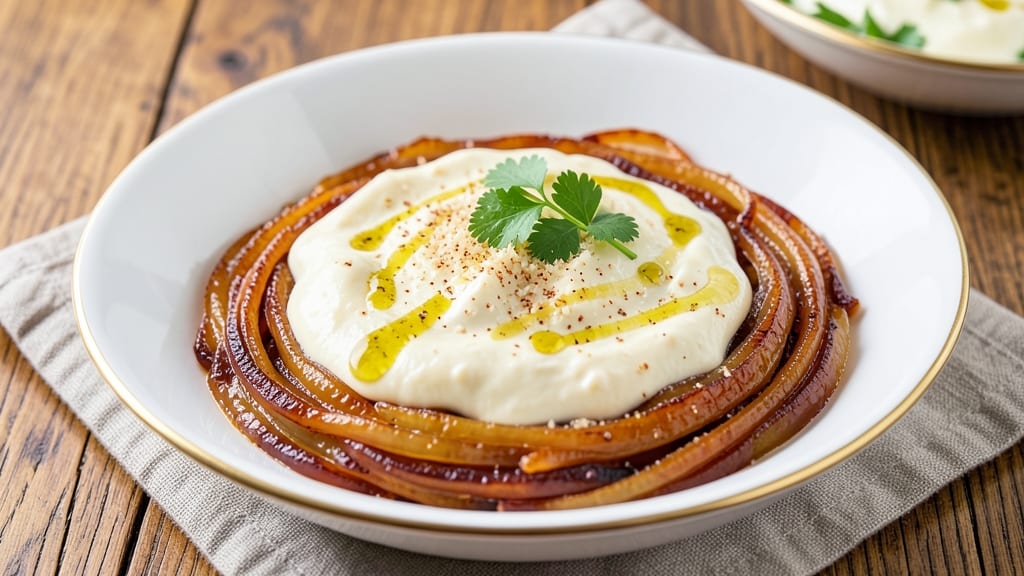
This Alfredo sauce recipe with onion transforms simple ingredients into velvety perfection—no lumps, no fuss, just rich, caramelized sweetness that clings beautifully to pasta or proteins. The secret lies in slow-cooking onions until deep golden, then blending them into a smooth base before adding cream and cheese.
I’ve perfected this version over years of testing, ensuring every spoonful delivers that restaurant-quality creaminess without breaking the sauce.
What sets this recipe apart is the two-stage cooking process: first, onions caramelize until sweet and jammy, then the sauce emulsifies with butter and cream for a silky texture. Heavy cream provides richness, while freshly grated Parmesan adds depth—never powdered, as that ruins the flavor.
The result? A sauce so smooth it coats every strand of fettuccine or every bite of grilled chicken without separation.
This sauce works as a standalone condiment or as the star of creamy pasta dishes, and it reheats beautifully for leftovers. The optional chicken broth variation adds subtle umami, perfect for balancing heartier ingredients.
Whether you’re feeding a crowd or treating yourself to a weeknight dinner, this recipe delivers foolproof, restaurant-quality results every time.
Ready in just 20 minutes, it’s the kind of sauce that turns ordinary meals into something special. Let’s get cooking—your taste buds will thank you.
Ingredients for alfredo sauce recipe with onion
Nine ingredients transform into velvety perfection with caramelized onion depth and restaurant-quality creaminess.
| Ingredient | Amount | Notes |
|---|---|---|
| Yellow Onions 🧅 | 2 large | Peeled, sliced into even strips |
| Unsalted Butter 🧈 | ½ cup | Cold, cubed for emulsification |
| Heavy Cream 🥛 | 1 cup | Full-fat for maximum richness |
| Parmesan Cheese 🧀 | 1 cup | Freshly grated from block |
| Extra-Virgin Olive Oil 🫒 | ¼ cup | For finishing and richness |
| Chicken Broth 🍲 | ½ cup | Optional for umami depth |
| Garlic Cloves 🧄 | 2 cloves | Minced for aromatic base |
| Salt 🧂 | 1 tsp | Diamond Crystal preferred |
| White Pepper 🌶️ | ½ tsp | Freshly ground for smooth finish |
| Freshly Ground Black Pepper 🌶️ | ¼ tsp | For balanced seasoning |
The onions are the foundation—yellow onions caramelize best for that sweet, jammy depth. Sweet onions work too, but yellow delivers the classic Alfredo sweetness. For best results, slice them evenly so they cook uniformly. Whole Foods and Trader Joe's carry pre-sliced onions if you're short on time, but fresh-cut yields the best texture. Look for onions with firm, dry skins and no sprouting—those are your telltale signs of freshness. The butter must be cold when added to emulsify properly; take it straight from the fridge and cube it for maximum surface area.
No heavy cream? Full-fat coconut cream works beautifully for a dairy-free version, though the flavor will differ slightly. Freshly grated Parmesan is non-negotiable—pre-grated cheese contains anti-caking agents that prevent smooth emulsification. For a lighter option, substitute half the Parmesan with Pecorino Romano, which has a sharper bite. The chicken broth adds subtle umami; if you omit it, increase the salt slightly. The olive oil should be extra-virgin for that fruity finish—California Olive Ranch or Colavita are excellent choices. For extra richness, add a splash of crème fraîche at the end, though it's not traditional.
This sauce keeps beautifully—5 days refrigerated in an airtight container with a thin layer of olive oil on top to preserve freshness. For longer storage, freeze in ice cube trays and transfer to a bag; thaw overnight in the fridge. The sauce thickens as it cools, so add a splash of warm water or broth when reheating. For best results, reheat gently on low heat, stirring constantly to prevent separation. Portion into small jars for easy use on pasta, grilled chicken, or roasted vegetables—each jar will yield about 2-3 servings of sauce.
Why You'll Love This Recipe
- No Chopping Nightmare: I swear by this recipe because the onions go in whole—peeled, halved, and left to soften in butter. No tears, no fuss, and the sweetness caramelizes right into the sauce while you stir.
- Rich Without Guilt: That first spoonful of heavy cream swirled with grated Parmesan? It’s like a hug in sauce form. The olive oil keeps it from feeling too heavy, so you get all the creamy goodness without that post-meal nap call.
- Pasta Party Any Day: Slather it on fettuccine for date night, toss it with roasted veggies for a quick weeknight dinner, or even drizzle it over grilled chicken. It’s my secret weapon for turning simple meals into something that feels special—no last-minute shopping required.
- Leftovers That Lie: Honestly, I make double batches because this sauce tastes better the next day. The flavors meld, and it reheats like a dream. Store it in the fridge for up to five days, or freeze half for when you’re too tired to cook. (Yes, even on a Tuesday night.)
Step-by-step instructions for creamy Alfredo sauce with caramelized onions
Master this velvety Alfredo sauce with perfectly caramelized onions—no lumps, no shortcuts, just rich, restaurant-quality results.
Develop Deep Flavor with Caramelized Onions
Heat the 0.5 cup unsalted butter in a heavy-bottomed saucepan over medium-low heat. Add the 2 large yellow onions, sliced into even strips, and cook them undisturbed for 15 minutes. The onions should turn a deep golden brown, releasing their natural sweetness and creating a rich base for the sauce.
Here's the key: resist the urge to stir frequently. Let the onions caramelize slowly—they'll release their moisture first, then gradually darken. Once they're deeply caramelized with a glossy sheen, remove them from the pan and set aside. You'll use them later to add depth to your sauce. The residual butter in the pan will become the foundation for your emulsion.
Build the Sauce Base with Garlic and Broth
Return the saucepan to medium heat and add the 2 cloves minced garlic, cooking for 30 seconds until fragrant but not browned. Immediately pour in the 0.5 cup chicken broth and the 1 cup heavy cream, scraping up any browned bits from the bottom of the pan. This step is crucial for developing umami and preventing lumps later.
Bring the mixture to a gentle simmer over medium-low heat, stirring occasionally. You want the cream to heat through but not boil vigorously—this helps create a stable emulsion when you add the cheese. Simmer for 3-4 minutes until the mixture thickens slightly and coats the back of a spoon. This ensures your sauce will have body without being gluey.
Emulsify the Cheese for Perfect Texture
Reduce the heat to low and gradually whisk in the 1 cup freshly grated Parmesan cheese in small increments. This slow addition is what prevents lumps—adding all the cheese at once creates a thick paste that's nearly impossible to smooth out. Whisk continuously for 2-3 minutes until the cheese melts completely and the sauce becomes velvety smooth.
If the sauce starts to thicken too much, add 1-2 tablespoons of the reserved caramelized onions along with a splash of warm water to loosen it. The onions add another layer of flavor while helping to balance the richness. Season with the 1 teaspoon salt, 0.5 teaspoon white pepper, and 0.25 teaspoon freshly ground black pepper, adjusting to taste.
Finish with Olive Oil for Richness and Stability
Remove the sauce from heat and stir in the 0.25 cup extra-virgin olive oil. This final step is what makes this Alfredo sauce truly exceptional—the oil acts as an emulsifier, preventing the sauce from separating when tossed with hot pasta. The oil also adds a subtle fruity note that complements the caramelized onions and Parmesan.
Return the sauce to low heat and stir in the reserved caramelized onions. Keep the sauce warm but not simmering—this maintains its silky texture. Taste and adjust seasoning one final time. The sauce should be rich, creamy, and perfectly balanced with sweet caramelized onion notes and salty Parmesan depth.
Use Immediately for Best Results
This sauce is at its peak when used immediately, so keep it warm over low heat while you cook your pasta. When ready to serve, toss the al dente pasta with the sauce, adding a splash of pasta water if needed to achieve your desired consistency. The sauce should cling beautifully to each strand, creating that signature creamy, luxurious coating.
For an extra touch, garnish with additional grated Parmesan and a sprinkle of black pepper. The contrast of the pepper's sharpness against the creamy sauce and sweet onions makes each bite unforgettable. Serve immediately while the sauce is at its velvety best.
Pro Tips For Making Alfredo Sauce Recipe With Onion
- Cook Onions Slow: The onion’s job isn’t to caramelize—it’s to sweeten just enough to balance the richness. Slice it thin, melt the butter over medium-low, and let it cook for 8-10 minutes until soft and translucent, stirring occasionally. Rush this, and you’ll end up with a bitter, sharp edge that fights the cream.
- Use Cold Cream: Heavy cream straight from the fridge won’t scald when it hits the hot butter. Add it slowly, whisking constantly, and keep the heat at a simmer—not a boil. I learned this the hard way when I dumped in warm cream and ended up with a split sauce that separated like oil and water.
- Grate Parmesan Fresh: Pre-grated cheese is convenient, but it’s packed with anti-caking agents that turn your sauce grainy. Use a fine grater and grate only what you need—about 1 cup per 2 cups of cream. If you’re short on time, pulse it in a food processor, but don’t overdo it or you’ll turn it into cheese dust.
- Finish with Olive Oil: The sauce will look thin and watery when you first mix in the Parmesan. That’s normal. Let it sit off the heat for 2 minutes, then stir in 1-2 teaspoons of extra-virgin olive oil. It’ll emulsify the sauce, giving it that silky, clingy texture without making it greasy. (Yes, even if you’re skeptical—it works.)
Wine and beer pairings for this dish
Creamy White Wine
A rich, buttery Chardonnay from California—like Meiomi or Kendall-Jackson—complements the sauce’s creaminess beautifully. The wine’s natural acidity cuts through the richness while its citrus notes harmonize with the caramelized onions. Serve slightly chilled to enhance the sauce’s velvety texture. 🍷
Crisp Italian Lager
For a refreshing contrast, pair your Alfredo with a Peroni or Birra Moretti. The light, effervescent beer cleanses your palate between bites, balancing the sauce’s richness without overpowering it. The subtle malt sweetness also enhances the caramelized onion flavors. 🍺
Bold Red Option
If you prefer red wine, a Pinot Noir from Oregon—such as Domaine Serene—works surprisingly well. Its bright acidity and red fruit notes stand up to the sauce’s creaminess, while the earthy undertones complement the Parmesan. Decant for 30 minutes to soften tannins. 🍷
Beer Pairing Hack
For a quick fix, try a Belgian witbier like Hoegaarden. The coriander and citrus notes create a delightful contrast to the sauce’s richness, while the slight effervescence refreshes your palate. Serve slightly chilled for best results. 🍺
Non-Alcoholic Match
For a non-alcoholic option, San Pellegrino Aranciata or Fever-Tree Blood Orange Soda adds a citrusy brightness that mirrors the wine pairings. The effervescence also helps cleanse your palate between bites of creamy pasta. 🍊
Seasonal Adaptations
In summer, opt for a Sauvignon Blanc with its zesty acidity, while winter calls for a full-bodied Chardonnay with oak notes to stand up to the sauce’s richness. Adjust the wine’s temperature accordingly—50-55°F for whites, 60-65°F for reds. ✨
Nutrition facts
Frequently asked questions
Why caramelize the onions instead of sautéing them?
Caramelizing transforms the onions into sweet, jammy flavor bombs that create depth in the sauce. The 15-minute slow cook develops natural sugars, creating a rich base that sautéing simply can't match. This step is what makes this recipe stand out from basic Alfredo—it adds complexity without overpowering the creamy cheese.
Can I make this sauce dairy-free?
Swap the heavy cream for full-fat coconut cream and use nutritional yeast instead of Parmesan. For extra richness, add 1 tablespoon olive oil to help emulsify. The texture will be slightly different but still delicious—just stir vigorously to prevent separation.
What if my sauce gets too thick?
Don't panic! Thin with warm water or pasta water (1 tablespoon at a time) while whisking constantly. The sauce should coat the back of a spoon but still flow smoothly. If it separates, whisk in 1 teaspoon cornstarch mixed with cold water until smooth. This happens when cheese overheats—keep heat at low when adding it.
How do I prevent lumps when adding cheese?
Add cheese gradually in small batches while whisking continuously over low heat. The key is patience—rushing creates clumps. For extra insurance, melt cheese off-heat first, then whisk it into the warm sauce. Pre-shredded cheese contains anti-caking agents that cause lumps, so always grate fresh.
Can I use sweet onions instead of yellow?
Yes, but expect a different flavor profile. Sweet onions caramelize faster and add a milder sweetness, while yellow onions develop deeper, more complex flavors. For best results, use 1 sweet onion + 1 yellow onion to balance both textures. If you prefer all sweet, reduce cooking time to 10 minutes to prevent burning.