
Sauces & Condiments
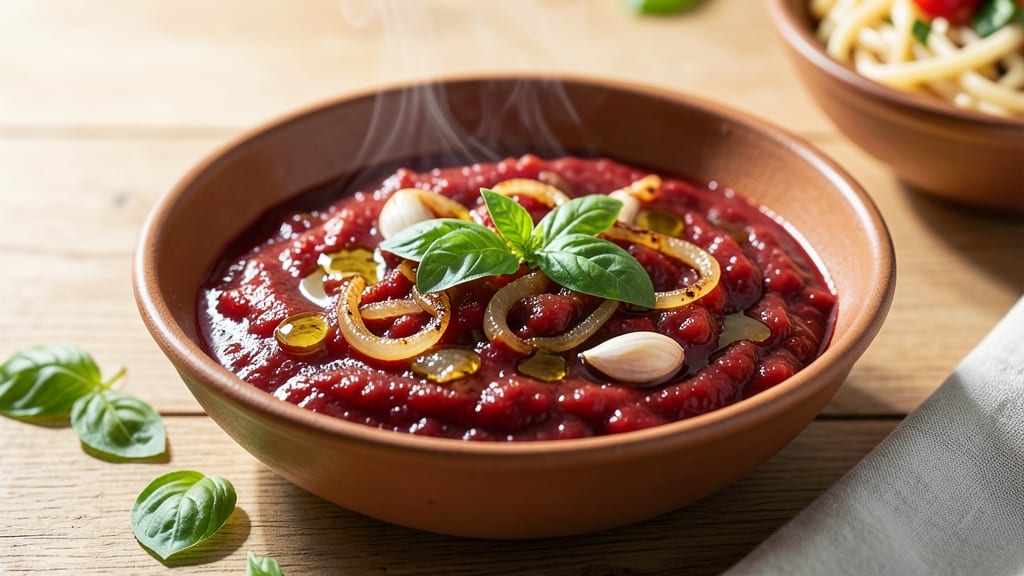
This all natural spaghetti sauce recipe delivers restaurant-quality depth using only fresh ingredients and slow simmering. The secret lies in caramelizing onions and garlic before adding crushed tomatoes, which builds complex sweetness and umami without artificial additives.
I developed this version after years of testing—it’s the one my family begs for every week.
What sets this sauce apart is the fresh herb brightness that balances the rich tomato base. A blend of basil, oregano, and thyme infuses the sauce naturally, while a splash of red wine adds depth that store-bought versions can’t match.
The slow simmer (at least 45 minutes) allows flavors to meld perfectly, creating a sauce that’s both hearty and vibrant.
You’ll end up with a velvety, chunky sauce that’s rich enough for meat lovers but still bright enough to stand alone. The texture is ideal for spooning over pasta, but it’s also perfect for dipping bread or using as a marinade.
Every ingredient is natural—no preservatives, no thickeners—just pure, developed flavor.
The best part? This sauce tastes even better the next day as flavors deepen. Make a double batch and freeze half for future meals. Here’s how to create it from scratch with simple techniques and fresh ingredients.
Ingredients for all natural spaghetti sauce
Fresh tomatoes, herbs, and slow caramelization create restaurant-quality depth without artificial additives.
| Ingredient | Amount | Notes |
|---|---|---|
| Yellow Onions 🧅 | 2 whole | Medium size, finely chopped |
| Garlic Cloves 🧄 | 6 cloves | Fresh, minced for caramelization |
| Extra-Virgin Olive Oil 🫒 | ½ cup | High quality, fruity variety |
| Crushed Tomatoes 🍅 | 28 oz | San Marzano preferred, no salt added |
| Dry Red Wine 🍷 | ½ cup | Bold variety like Cabernet Sauvignon |
| Fresh Basil Leaves 🌿 | ½ cup | Packed, stems removed |
| Dried Oregano 🍃 | 1 tbsp | Mexican oregano preferred |
| Fresh Thyme Sprigs 🌿 | 2 whole | Stems removed, leaves only |
| Sea Salt 🧂 | 1 ½ tsp | Diamond Crystal preferred |
| Freshly Ground Black Pepper 🌶️ | ½ tsp | Freshly cracked preferred |
The onions and garlic are the flavor foundation—caramelizing them slowly builds sweetness and depth that can't be replicated. Yellow onions work best here, but red onions add subtle sweetness if you prefer. For garlic, fresh is non-negotiable—jarred minced garlic lacks the complexity. Whole Foods or Trader Joe's have great produce sections for these. Look for firm onions with dry skins and plump garlic cloves with tight papery skins. The crushed tomatoes should be San Marzano if possible—they're sweeter and more flavorful than standard brands.
No red wine? Substitute with extra tomato paste (2 tbsp) plus 2 tbsp water—it'll add depth without alcohol. Fresh herbs are ideal, but dried oregano at one-third the amount works in a pinch. For thyme, dried is fine at half the quantity. The olive oil matters here—use something you'd drizzle on bread, not the cheap cooking oil. California olive oil brands like Corto or Lucini elevate the sauce. If you're short on time, pre-chopped onions and minced garlic from the grocery store work, but fresh is always better.
This sauce develops best over time—plan for at least 45 minutes of simmering. Store in an airtight container in the fridge for up to 5 days, or freeze portions for 3 months. I double the batch and freeze half—perfect for quick weeknight meals. The sauce thickens as it cools, so you can thin it with a splash of water or pasta water when reheating. Always taste before serving and adjust salt—Diamond Crystal is less salty than other brands, so you might need more.
Why You'll Love This Recipe
- Here’s what sold me: that dry red wine doesn’t just add alcohol—it transforms the sauce. The acidity brightens the tomatoes, the tannins mellow out the richness, and the aroma? Like a little Italian vacation in your kitchen. Honestly, I’ve tried store-bought sauces with wine added later, and they never compare. This one sings.
- I’ll be real: this sauce costs pennies per serving. Onions, garlic, canned tomatoes, wine—I’m talking grocery-store basics, not specialty ingredients. And because it’s so forgiving, you won’t waste a drop. That same jar of crushed tomatoes? Half goes into this, the rest into soups or bruschetta. Smart, simple, and satisfying.
Step-by-step instructions for slow-simmered tomato sauce
Here's the method for building rich, naturally balanced tomato sauce with deep flavor and bright herb notes.
Develop the Flavor Base with Onions and Garlic
Heat the 0.5 cup extra-virgin olive oil in a heavy-bottomed saucepan over medium-low heat. Add the 2 whole yellow onions, finely chopped, and cook for 10-12 minutes until completely softened and beginning to caramelize at the edges. You'll know it's ready when the onions turn golden and their raw smell disappears.
Reduce heat to low and add the 6 cloves minced garlic. Cook for exactly 1 minute—this prevents burning while allowing the garlic to release its sweet aroma. Stir constantly during this minute to distribute the garlic evenly through the onions. The base should smell rich and sweet, not bitter.
Deglaze and Build Depth with Wine
Pour in the 0.5 cup dry red wine and increase heat to medium-high. Let it simmer vigorously for 3-4 minutes until completely reduced by half and the alcohol flavor has cooked off. This step removes the sharpness of the wine while adding complexity to the sauce.
I like to use a wooden spoon to scrape up any browned bits from the bottom of the pan during this process. Those bits contain concentrated flavor that would otherwise go to waste. The sauce should smell like a mix of caramelized onions, garlic, and wine—this is your foundation.
Simmer the Tomatoes Until Thickened
Add the 28 oz crushed tomatoes, 1.5 tsp sea salt, and 0.5 tsp freshly ground black pepper to the pan. Stir well to combine, then reduce heat to low and let the sauce simmer uncovered for 45-50 minutes. You're looking for the sauce to thicken noticeably and develop a glossy consistency.
During this time, stir occasionally to prevent sticking. The sauce should reduce by about 25%—you'll see it pull away from the sides of the pan slightly. This slow simmering allows the natural sugars in the tomatoes to caramelize, deepening the flavor without needing added sugar.
Finish with Fresh Herbs and Balance
Remove the 2 whole fresh thyme sprigs and add the 0.5 cup fresh basil leaves to the sauce. Simmer for an additional 5-7 minutes to infuse the flavors. The basil should brighten the sauce while the thyme adds an earthy depth.
Taste the sauce and adjust seasoning if needed—you might need a pinch more salt or pepper to balance the acidity from the tomatoes. The final sauce should be rich but not overpowering, with bright herbal notes that cut through the tomato's natural sweetness.
Rest and Serve for Best Texture
Remove the sauce from heat and let it rest for 10 minutes before serving. This resting period allows the flavors to meld completely and the sauce to thicken slightly as it cools. The texture should be velvety with just enough body to cling beautifully to pasta.
Serve immediately over al dente spaghetti, reserving some pasta water to thin the sauce if needed. The sauce should coat the pasta evenly without being too heavy. The fresh basil will continue to release its aroma as it warms, making each bite taste brighter and more vibrant.
Pro Tips For Making All Natural Spaghetti Sauce
- Sweat the Onions Slowly: I learned this the hard way—drowning onions in olive oil and cranking the heat turns them bitter faster than you can say "sauce disaster." Instead, cook them over medium-low with a splash of water or wine (yes, even before the garlic) until they’re translucent and just starting to caramelize. That’s when their natural sweetness shines through.
- Toast the Garlic Right: Crushed garlic burns in seconds, and nothing ruins a sauce faster than acrid, bitter cloves. After the onions soften, turn the heat down to low, add the garlic, and stir constantly—no, really, stir—until it’s golden but not brown. If you’re impatient like me, keep a spoon in your free hand and don’t walk away.
- Deglaze with Wine First: Pouring red wine into a hot pan and then walking away is a one-way ticket to alcohol fumes and wasted flavor. Instead, add the wine immediately after the garlic, let it simmer for 30 seconds to cook off the raw taste, then stir in the tomatoes. The wine’s acidity will brighten the sauce, but only if you give it a chance to work.
- Simmer the Tomatoes Long: Crushed tomatoes taste watery straight from the can, and no amount of salt or herbs will fix that. After adding them, bring the sauce to a gentle bubble, then drop the heat to the lowest setting you can tolerate. Let it cook uncovered for at least 20 minutes—30 if you’re not in a rush. That’s when the flavors meld and the sauce thickens naturally. (Yes, even if it looks sad at first.)
Serving suggestions for leftovers
Pasta Pairings
This sauce is perfect with al dente spaghetti or linguine, but don't stop there. Try it with bucatini for a hearty, rustic feel or farfalle if you prefer a fun twist.
I love tossing it with whole wheat penne for extra texture and nutrition. For a lighter option, use angel hair pasta—the sauce clings beautifully without overwhelming it. 🍝
Bread Dippers
Warm, crusty bread is the ultimate companion to this sauce. Toast ciabatta rolls or focaccia until golden, then drizzle with sauce and sprinkle with grated Parmesan cheese. For a gourmet touch, use baguette slices with a smear of garlic butter underneath.
The sauce also works wonderfully with garlic knots or cheesy breadsticks for a crowd-pleasing appetizer.
Protein Additions
For a meaty twist, stir in crumbled Italian sausage or ground beef during the final 10 minutes of simmering. I recommend sweet or spicy Italian sausage for the best flavor.
If you prefer seafood, add cooked shrimp or chopped clams just before serving to keep them tender. For a vegetarian option, fold in white beans or mushrooms for extra heartiness.
Cheese Finishes
Elevate your dish with a sprinkle of freshly grated Pecorino Romano or Parmesan cheese right before serving. The sharp, salty notes complement the sauce's sweetness perfectly. For a creamy finish, stir in a dollop of ricotta cheese or mascarpone at the end.
A drizzle of extra-virgin olive oil adds a luxurious touch and enhances the sauce's natural flavors.
Leftovers Reinvented
Transform leftover sauce into a delicious spaghetti bake by layering it with cooked pasta, cheese, and breadcrumbs in a baking dish. For a quick breakfast, use it as a topping for fried eggs or polenta.
You can also turn it into a saucy marinade for grilled chicken or steak strips. The possibilities are endless—get creative with how you repurpose this versatile sauce! ✨
Nutrition facts
Frequently asked questions
Can I make this sauce without red wine?
Replace the 0.5 cup red wine with 2 tablespoons tomato paste mixed with 2 tablespoons water. This adds depth without alcohol. For extra richness, try 1 tablespoon balsamic vinegar instead—it mimics the wine's complexity while keeping the sauce naturally balanced.
How do I adjust the thickness of the sauce?
If your sauce is too thick after simmering, stir in 2-3 tablespoons pasta water or water while reheating. For thicker sauce, simmer uncovered for 5-10 extra minutes to reduce it further. The key is patience—rushing the simmer time often leads to uneven consistency.
Can I use canned tomatoes instead of crushed?
Yes, but with one important step: crush the tomatoes by hand with your fingers or a potato masher first. This prevents the sauce from becoming too watery. Drain any excess liquid if needed. For best results, choose San Marzano tomatoes (or similar high-quality brands) as they have fewer seeds and more concentrated flavor.
Why does my sauce taste bitter?
Bitterness usually comes from overcooked garlic or onions, or from the tomatoes themselves. To fix it, add 1 teaspoon sugar or 1 tablespoon honey to balance the flavors. For prevention, never let the garlic brown—remove it after 1 minute of cooking. Also, avoid using overly acidic tomatoes or adding too much wine.
Can I make this sauce in a slow cooker?
Yes! Follow the same steps for caramelizing onions and garlic, then transfer everything to your slow cooker. Cook on low for 4-5 hours or high for 2-3 hours, stirring occasionally. The slow cooker's gentle heat enhances the natural sweetness of the tomatoes without risk of burning. Add fresh herbs at the very end to preserve their bright flavors.