
Sauces & Condiments
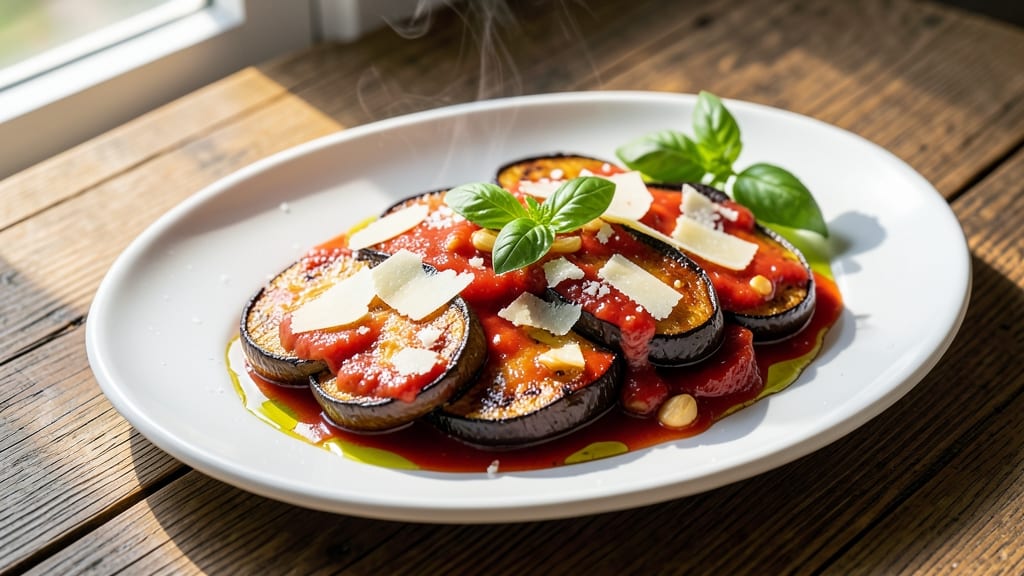
This alla norma sauce recipe transforms simple ingredients into a velvety tomato-basil sauce with a signature crispy eggplant twist—perfect for elevating spaghetti alla norma.
The secret lies in slow-cooked tomatoes, fresh basil, and a touch of ricotta salata that creates a creamy yet light texture, while crispy fried eggplant adds texture and depth.
What makes this sauce special is its balance of rich tomato flavor and delicate creaminess, achieved through careful cooking techniques that preserve the natural sweetness of the tomatoes.
The process begins with sautéing garlic in olive oil until fragrant, then adding crushed tomatoes to simmer until thickened. Fresh basil is stirred in just before finishing, ensuring its bright, aromatic flavor shines through.
Meanwhile, thin slices of eggplant are fried to golden perfection, then drained on paper towels to maintain that satisfying crunch. This sauce isn't just about flavor—it's about texture, with each bite delivering a harmonious mix of creamy sauce and crispy eggplant.
Once complete, this sauce delivers restaurant-quality results that pair beautifully with spaghetti, grilled meats, or even as a topping for bruschetta. The ricotta salata or pecorino cheese adds a salty, tangy contrast that cuts through the richness, while the basil keeps the sauce fresh and vibrant.
What sets this recipe apart is its versatility—it works equally well as a standalone sauce or as part of a larger dish, making it a staple in any kitchen.
Storage is simple: refrigerate for up to 5 days or freeze for up to 3 months, though the sauce tastes best when used fresh. For extra richness, a splash of heavy cream or a sprinkle of grated cheese can be added at the end.
Whether you're serving a classic Italian dinner or experimenting with vegetarian adaptations, this sauce delivers on its promise of bold, comforting flavors with every spoonful.
Ingredients for alla norma sauce
Nine simple ingredients create this velvety tomato-basil sauce with crispy eggplant perfection.
| Ingredient | Amount | Notes |
|---|---|---|
| Extra-Virgin Olive Oil 🫒 | ½ cup | High-quality for frying eggplant |
| Fresh Eggplant 🍆 | 1 ½ lb | Thinly sliced, salted to remove bitterness |
| Garlic Cloves 🧄 | 4 cloves | Minced for aromatic base |
| Canned San Marzano Tomatoes 🍅 | 28 oz | Crushed, for rich tomato flavor |
| Fresh Basil Leaves 🌿 | 1 cup | Packed, for vibrant aroma |
| Ricotta Salata or Pecorino Cheese 🧀 | ½ cup | Grated, for salty tang |
| Heavy Cream 🥛 | ¼ cup | Optional, for extra creaminess |
| Kosher Salt 🧂 | 1 ½ tsp | Diamond Crystal preferred |
| Ground Black Pepper 🌶️ | ½ tsp | Freshly ground for heat |
| Red Pepper Flakes 🌶️ | ¼ tsp | Optional, for subtle heat |
The eggplant is non-negotiable—look for firm, heavy ones at the market, not those with soft spots. Whole Foods or local farmers markets usually carry the best quality. Thinly slice it (about 1/8-inch thick) and salt it to remove bitterness—let it sit for 30 minutes before frying. For the tomatoes, San Marzano cans are worth the splurge—they're sweeter and less acidic, which makes all the difference in this sauce. Fresh basil should be bright green with no yellowing; Trader Joe's often has great deals on fresh bunches.
No ricotta salata? Pecorino Romano or Parmigiano-Reggiano works beautifully—just grate it yourself for that perfect texture. Running out of heavy cream? Full-fat coconut milk adds richness without dairy. For the eggplant, if you're short on time, roast it instead of frying—brush with olive oil, salt, and roast at 400°F for 20 minutes. The tomatoes can be swapped for fresh vine-ripened tomatoes if you prefer, but they'll need more simmering time to break down. For extra depth, add a pinch of red wine vinegar at the end.
This sauce keeps beautifully—5 days refrigerated or 3 months frozen. For freezing, cool it completely first and portion into airtight containers. The fried eggplant stays crispy for about 2 days if stored properly; for longer storage, fry fresh when needed. If you make extra, it pairs perfectly with grilled chicken or shrimp—just reheat gently to maintain that crispy texture. The sauce also freezes wonderfully, so double the batch if you plan to use it later.
Why You'll Love This Recipe
- Salted Eggplant Magic: The eggplant’s crispy edges and silky center? That’s the star here—no fancy prep, just slice, salt, and let it do its thing while you chop garlic. (Yes, even on a Tuesday night.)
- Garlic-Basil Bomb: One whiff of that toasted garlic in olive oil and you’re hooked. The San Marzano tomatoes sweeten it just enough, while fresh basil ties it all together like a hug from a Sicilian nonna.
- Weeknight to Potluck: This sauce is my secret weapon for pasta, grilled chicken, or even toasted bread. Make a big batch—it reheats like a dream and disappears just as fast.
- Budget-Friendly Flex: Eggplant and canned tomatoes stretch this sauce far without breaking the bank. Plus, the leftovers? Better than takeout. (I’ve tested this.)
Step-by-step instructions for alla norma sauce
Master this Sicilian classic with perfectly crispy eggplant and velvety tomato-basil creaminess.
Prepare the Eggplant for Crispy Perfection
Slice the 1.5 lb fresh eggplant into ¼-inch thick rounds using a sharp chef's knife. Arrange the slices in a single layer on a baking sheet lined with paper towels. Sprinkle generously with 1.5 tsp kosher salt and let them sit for 20 minutes—this draws out excess moisture and prevents a soggy texture. After salting, pat the slices dry with fresh paper towels to ensure maximum crispiness.
Heat 0.25 cup extra-virgin olive oil in a large skillet over medium-high heat until shimmering. Add the eggplant slices in a single layer and cook for 3-4 minutes per side until golden brown and slightly caramelized. Transfer to a paper towel-lined plate to drain excess oil. Keep warm while you prepare the sauce base—these crispy slices will add texture and depth to your alla norma.
Build the Tomato-Basil Sauce Foundation
In the same skillet (no need to clean it—the eggplant bits add flavor), reduce heat to medium and add 4 minced garlic cloves. Sauté for 30 seconds until fragrant but not browned—garlic burns quickly, and you want to preserve its sweetness. Pour in the 28 oz canned San Marzano tomatoes, crushing them lightly with your hands as you add them. Season with 0.5 tsp ground black pepper and 0.25 tsp red pepper flakes (if using).
Let the sauce simmer uncovered for 15-20 minutes until thickened and reduced by about ⅓. The color should deepen to a rich, rustic red, and the texture should coat the back of a spoon. Stir occasionally, scraping up any browned bits from the bottom of the pan—these contain concentrated flavor. Taste and adjust seasoning with additional salt if needed. Here's where the sauce transforms from ordinary to extraordinary.
Finish with Cream and Cheese for Richness
Lower the heat to low and stir in the 0.5 cup grated ricotta salata or pecorino cheese. Let it melt into the sauce for 2-3 minutes, stirring constantly to create a smooth, velvety texture. If using the 0.25 cup heavy cream, add it now and simmer for another 2 minutes—this creates a luxurious, almost custard-like consistency. The cheese should fully dissolve, but a few tiny granules are fine for added texture.
Remove the skillet from heat and stir in the 1 cup fresh basil leaves, tearing them by hand rather than chopping. Let the basil steep in the warm sauce for 5 minutes—this infuses the oil with vibrant green flavor. The basil should wilt completely, releasing its aromatic oils. Taste and adjust seasoning one final time, ensuring the balance of salt, acidity, and creaminess is perfect.
Combine and Serve with Crispy Eggplant
Return the crispy eggplant slices to the skillet with the sauce and gently toss to coat evenly. Let them warm through for 1-2 minutes, absorbing the rich tomato-basil creaminess. The contrast between the crispy eggplant and silky sauce is what makes alla norma unforgettable.
Serve immediately over al dente pasta (spaghetti or linguine work best) or alongside grilled meats. The eggplant should maintain its crisp texture, while the sauce clings beautifully to each strand. Garnish with additional fresh basil leaves and a sprinkle of pecorino cheese for an elegant finish. This sauce is best enjoyed fresh—it doesn't reheat well, so plan to serve it immediately after assembly.
Pro Tips For Making Alla Norma Sauce
- SALT THE EGPLANT FIRST: I learned this the hard way—skipping the salting step means soggy, waterlogged eggplant in your sauce. Slice it, sprinkle generously with salt, let it sit 30 minutes, then pat thoroughly dry. This draws out the bitterness and keeps your alla norma from turning into a watery mess.
- COOK THE GARLIC LOW: After burning three batches of garlic, I finally figured out: low heat is your friend. Once the eggplant is out of the pan, add minced garlic to the same oil and cook on lowest simmer—just until fragrant, not golden. High heat turns garlic bitter, and you’ll taste it in every bite.
- CRUSH THE TOMATOES BY HAND: San Marzano tomatoes are sweet, but canned versions can still be watery. Drain them well, then crush them with your fingers (yes, even if you’re impatient like me) to break up the pulp. This thickens the sauce faster and gives you that rich, jammy texture alla norma deserves.
- TOAST THE BASIL AT THE END: Sounds weird, but it works: once your sauce is done, tear in a handful of basil and cook it uncovered for 30 seconds on medium. The leaves crisp slightly, releasing their oils and giving the sauce a bright, aromatic punch. Fresh basil wilts fast—this locks in the flavor.
Serving suggestions for this dish
Pasta Pairings
This sauce shines brightest with al dente spaghetti or linguine, where its creamy texture clings perfectly to each strand. I recommend Bronze Die pasta for its natural ridges that hold sauce beautifully.
For a rustic touch, try bucatini—its hollow center traps the sauce like a little flavor bomb. 🍝
For a heartier option, pair with rigatoni or pappardelle to create a comforting bowl. If you're serving it as a condiment rather than a sauce, use orecchiette or farfalle for a lighter presentation. The crispy eggplant adds a satisfying bite that contrasts perfectly with the soft pasta.
Protein Additions
Grilled chicken breast or shrimp skewers elevate this sauce into a complete meal. The protein absorbs the tomato-basil flavors beautifully while adding a smoky contrast. I love searing 6 oz chicken cutlets in olive oil until golden, then tossing them with the warm sauce. 🍗
For seafood lovers, try seared scallops or calamari rings—their delicate texture pairs wonderfully with the sauce's creaminess. Even pan-seared white fish like cod or halibut works perfectly. The key is to cook the protein just before serving to maintain its texture.
Vegetable Sides
A simple garlic sautéed spinach adds freshness and color to the plate. I toss 4 cups baby spinach with 2 minced garlic cloves and 1 tbsp olive oil for just 2 minutes until wilted. The earthy greens balance the sauce's richness beautifully. 🥬
Roasted zucchini and cherry tomatoes also complement the dish perfectly. Toss 2 medium zucchini and 1 cup cherry tomatoes with olive oil, salt, and pepper, then roast at 400°F for 15 minutes. Their sweetness enhances the sauce's tomato flavor while adding a vibrant contrast.
Bread Pairings
Crusty garlic bread is a must-have for soaking up extra sauce. I use a baguette split lengthwise, brushed with olive oil, and sprinkled with garlic powder before baking at 375°F for 10 minutes. The warm bread acts as a perfect vessel for the creamy sauce. 🍞
For a more elegant touch, serve with grilled ciabatta or focaccia slices. These Italian breads have a light, airy texture that won't overpower the alla norma sauce. A sprinkle of sea salt and fresh basil on the bread adds an extra layer of flavor that ties everything together.
Dessert Contrast
Finish your meal with something light like lemon ricotta cake or panna cotta. The citrus notes in the dessert cut through the sauce's richness, creating a perfect balance. I love a simple limoncello-infused ricotta cake that's light and refreshing after a rich pasta dish. 🍋
For a chocolate lover's option, try dark chocolate-dipped strawberries with a sprinkle of sea salt. The bittersweet contrast with the creamy sauce makes for an unforgettable ending. The key is to keep desserts light so they don't compete with the sauce's bold flavors.
Nutrition facts
Frequently asked questions
What makes alla norma sauce different from marinara?
Alla norma sauce gets its signature character from three key elements: crispy fried eggplant, ricotta salata or pecorino cheese, and a creamy tomato-basil base that's thicker than traditional marinara. The eggplant adds a satisfying crunch, while the cheese creates a velvety texture that marinara lacks. It's essentially a rich, elevated tomato sauce with Sicilian roots, designed to complement pasta dishes with extra depth.
Can I make alla norma sauce without eggplant?
If you're avoiding eggplant, try roasted zucchini or crispy breadcrumbs for texture instead. For a vegetarian version, add mushrooms sautéed in olive oil or white beans for protein. The sauce will still work beautifully—just omit the frying step and focus on building the tomato-cheese base. The key is maintaining that creamy, slightly thick consistency.
How do I prevent the eggplant from getting soggy?
Salting the eggplant slices for 20-30 minutes before frying removes excess moisture, and patting them very dry with paper towels is crucial. Fry them in small batches to avoid overcrowding, and keep them warm on a wire rack (not paper towels) to maintain crispness. The secret is high heat (medium-high) and golden brown color—don't walk away while cooking!
What's the best way to store alla norma sauce?
Store the sauce in an airtight container in the fridge for up to 5 days, but keep the fried eggplant separate until serving to maintain crispness. For freezing, cool the sauce completely first and freeze for up to 3 months. The eggplant freezes poorly, so fry fresh when needed. Reheat gently on low heat—never microwave, as it can make the sauce watery.
Can I make this sauce ahead of time?
Yes! Prepare the sauce base (tomatoes, garlic, cheese) up to 2 days ahead and refrigerate. On serving day, simply reheat gently, then add the fresh basil and crispy eggplant just before serving. For the eggplant, fry it fresh or keep it separate in the fridge until needed. The sauce actually tastes better after resting overnight as flavors meld.