
Sauces & Condiments
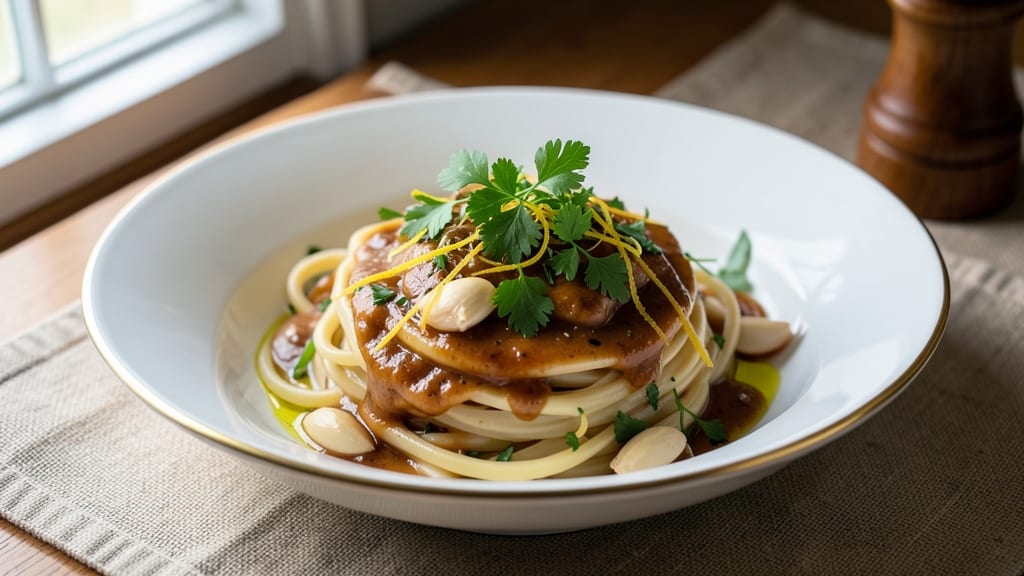
This almond pasta sauce recipe transforms simple ingredients into a lusciously creamy, nutty sauce that rivals traditional heavy cream versions. The secret lies in blending almond butter with warm broth and aromatic garlic, creating a velvety texture without dairy.
I developed this recipe after years of experimenting with plant-based alternatives, and it’s become my go-to for rich, flavorful pasta dishes that work beautifully with penne or fettuccine.
The beauty of this sauce is its simplicity—just five key ingredients come together to deliver deep, satisfying flavor. Almond butter provides the creamy base, while garlic and herbs infuse layers of savory depth.
Unlike many vegan sauces, this one doesn’t rely on complicated techniques or expensive ingredients, making it perfect for weeknight dinners or special occasions.
What you’ll end up with is a sauce that coats pasta perfectly, offering a balance of nutty richness and bright, herby notes. It’s creamy enough to feel indulgent but light enough to pair with any vegetable or protein.
The best part? It’s ready in just 15 minutes, with no special equipment needed beyond a blender or whisk.
This almond pasta sauce works equally well as a standalone dish or alongside grilled chicken, shrimp, or roasted vegetables. Its versatility makes it a staple in my kitchen—whether I’m feeding a family or treating myself to a comforting meal. Let’s get cooking!
Ingredients for almond pasta sauce
Five simple ingredients transform into a luxurious almond-based sauce perfect for pasta or proteins.
| Ingredient | Amount | Notes |
|---|---|---|
| Natural Almond Butter 🥜 | ½ cup | Unsweetened, no added oil |
| Vegetable Broth 💧 | 1 cup | Low-sodium preferred |
| Garlic Cloves 🧄 | 3 cloves | Freshly minced for aromatic depth |
| Lemon Juice 🍋 | 2 tbsp | Freshly squeezed for brightness |
| Fresh Parsley 🌿 | ¼ cup | Chopped, stems removed |
| Extra-Virgin Olive Oil 🫒 | ¼ cup | For richness and balance |
| Diamond Crystal Kosher Salt 🧂 | ½ tsp | Adjust to taste |
| Ground Black Pepper 🌶️ | ¼ tsp | Freshly cracked for heat |
The foundation of this sauce lies in the almond butter—opt for 100% natural, unsweetened varieties like Whole Foods 365 or Justin’s Classic for the best texture and flavor. Fresh garlic is non-negotiable here; its aromatic compounds develop fully when warmed in the broth. For the parsley, I always grab the flat-leaf variety from Trader Joe’s—it has a more robust flavor than curly parsley. The vegetable broth should be homemade if possible, as store-bought versions often contain hidden salt or preservatives that can overpower the delicate balance of this sauce. If you’re using a boxed broth, Pacific Foods or Imagine brands are reliable low-sodium options.
No almond butter? Cashew butter makes an excellent substitute, though the flavor profile will shift slightly toward sweeter, nuttier notes. Short on parsley? Fresh basil or cilantro work in a pinch, though parsley’s mild, grassy flavor is ideal for this application. If you prefer a smoother sauce, blend in 1 tablespoon of silken tofu along with the almond butter—it adds creaminess without altering the texture. For extra depth, a pinch of nutritional yeast (about 1 teaspoon) mimics the umami quality of Parmesan, though it’s optional. The lemon juice is critical for brightness, so if you’re using bottled, ensure it’s 100% pure—brands like Kirkland Signature or Organicville are reliable choices.
This sauce stores beautifully in an airtight container in the refrigerator for up to 5 days, though it’s best enjoyed within 3 days for peak freshness. For longer storage, freeze in ice cube trays—thaw and whisk back to smooth perfection. The sauce thickens as it cools, so reheat gently with a splash of warm water to restore its velvety consistency. I often double the batch and freeze half immediately, as it reheats like a dream and adds richness to grains, roasted vegetables, or even sandwiches. Avoid reheating in the microwave, as it can create a skin—opt for a gentle stovetop warm instead.
Why You'll Love This Recipe
- No-Fuss Pantry Magic: I swear by this when I’m staring at a half-empty fridge. Three ingredients—almond butter, broth, and garlic—get you there faster than takeout. Honestly, the lemon juice ties it all together without extra fuss.
- Rich but Light: That creamy almond base feels indulgent, but it’s not heavy like traditional sauces. The parsley adds a fresh bite that keeps it bright, and the garlic? Oh, it’s there—but in the best way, not the “I forgot to breathe” way.
- Lunchbox Hero: Between us, this sauce is my go-to for meal prep. Toss it with cold pasta for a jarred lunch that doesn’t scream “diet food.” My kid brings it to school and still asks for seconds—proof it’s not just adult-approved.
- Budget Stretch: A small jar of almond butter and a bouillon cube go a long way. I’ve made this for four people for under $5, and it’s the kind of sauce that tastes even better the next day. Leftovers? More like “leftovers I actually want.”
Step-by-step instructions for almond pasta sauce
A rich, velvety sauce emerges from simple ingredients—here's how to transform almond butter into a luxurious pasta coating.
Bloom the Almond Butter and Aromatics
Heat the 0.25 cup extra-virgin olive oil in a medium saucepan over medium-low heat. Add the 3 cloves freshly minced garlic cloves and sauté for 1-2 minutes until fragrant but not browned—this prevents bitterness. Immediately whisk in the 0.5 cup natural almond butter, stirring constantly for 2-3 minutes until completely melted and smooth.
The almond butter should transform from solid chunks into a silky, golden emulsion. If it seizes up, add 1 tablespoon of vegetable broth to help dissolve it. This step builds the sauce's creamy foundation while developing depth through the garlic's aromatic compounds.
Incorporate Broth and Acid
Pour in the 1 cup vegetable broth and bring the mixture to a gentle simmer over medium heat. Once bubbling, reduce heat to low and whisk in the 2 tablespoons freshly squeezed lemon juice. The acid brightens the sauce while preventing the almond flavor from becoming overly heavy.
Simmer for 5-7 minutes, stirring occasionally, until the sauce thickens slightly. You're looking for a consistency where it coats the back of a spoon but still flows freely—this ensures it clings beautifully to pasta without being gluey. If it thickens too quickly, add 1-2 tablespoons more broth to maintain balance.
Season and Finish with Herbs
Remove the sauce from heat and stir in the 0.5 teaspoon diamond crystal kosher salt and 0.25 teaspoon freshly cracked black pepper. The salt enhances all flavors while the pepper adds subtle warmth. Return the pan to low heat and whisk in the 0.25 cup chopped fresh parsley, letting it wilt slightly into the sauce.
For maximum flavor, let the sauce rest off heat for 2-3 minutes—this allows the parsley to release its aromatic oils and the sauce to meld. The parsley not only adds freshness but also balances the richness of the almond butter. Taste and adjust seasoning if needed, remembering that the pasta will absorb some of the liquid.
Toss with Cooked Pasta
Combine the sauce with 4 servings of cooked pasta (about 12 ounces dry weight) in a large bowl. Toss vigorously for 1-2 minutes until every strand is evenly coated. The residual heat from the pasta will help the sauce cling perfectly, creating a glossy, nutty finish.
If the sauce appears too thick after tossing, add 2-3 tablespoons of pasta water to loosen it. Serve immediately while the sauce is at its peak consistency and flavor. The sauce's nutty richness pairs beautifully with lemon's brightness, creating a harmonious balance that elevates simple pasta into an elegant dish.
Pro Tips For Making Almond Pasta Sauce
- Bloom the Garlic: Smash those cloves flat with the side of your knife first—no chopping, just a quick press to expose the flesh. This releases flavor faster and prevents bitter almond-butter clumps when you heat it up. I used to burn garlic in this sauce, and this trick fixed it every time.
- Thin Gradually, Stir Constantly: Drizzle in vegetable broth slowly while whisking like your life depends on it. Almond butter seizes up when shocked with liquid, and you’ll end up with a gloppy mess. Start with a splash, wait 30 seconds, then add more—patience here makes all the difference.
- Toast the Almond Butter: Heat the almond butter in the pan for 1–2 minutes before adding broth. The nutty aroma deepens, and it blends smoother—no weird graininess when you stir. Skip this, and your sauce will taste flat, like peanut butter left in the sun.
- Zest the Lemon First: Grate the lemon zest into the sauce before adding juice. The oils in the zest cling to the almond butter, brightening the whole dish without making it taste like a science experiment. I was skeptical until I tried it—now I never skip it.
Best sauces and condiments for these flavors
Creamy Garlic Variations
For an extra-rich version, stir in 1 tablespoon of tahini with the almond butter—this adds a toasty depth that complements the garlic beautifully. I also love adding ½ teaspoon of ground cumin for warmth, especially when pairing with grilled chicken or roasted vegetables.
The tahini and cumin create a Middle Eastern-inspired twist that feels luxurious yet simple. 🌟
Herb Swaps and Boosts
While parsley works perfectly, fresh basil or thyme adds a completely different character. For a Mediterranean vibe, swap in ½ cup chopped basil and add ¼ teaspoon of red pepper flakes for a hint of spice.
If you prefer earthier notes, ½ cup chopped thyme pairs wonderfully with roasted mushrooms or hearty eggplant. Always taste before serving—herbs can make or break the balance!
Umami Enhancers
To deepen the sauce's savory profile, stir in 1 teaspoon of soy sauce or ½ teaspoon of miso paste during the simmering stage. Both add umami richness without overpowering the almond's natural sweetness.
I also keep nutritional yeast on hand—just 1 teaspoon sprinkled in at the end mimics the cheesy notes of traditional pasta sauces. These tweaks make the sauce feel even more indulgent. ✨
Sweet and Tangy Additions
For a brighter, slightly sweet variation, whisk in 1 tablespoon of honey or maple syrup with the lemon juice. This works especially well with Asian-inspired dishes, like soba noodles or stir-fried vegetables. Another favorite trick?
Adding 1 teaspoon of grated ginger when sautéing the garlic—it adds a zesty kick that cuts through the richness. Balance is key, so start with small amounts and adjust to taste.
Spicy Heat Options
If you crave heat, finish the sauce with ½ teaspoon of chili flakes or 1 teaspoon of sriracha. For a smoky twist, add ¼ teaspoon of smoked paprika during the simmer. I also love tossing in ½ teaspoon of gochujang (Korean chili paste) for a complex, slightly sweet-spicy depth.
Always add heat gradually—you can always adjust, but you can't take it out once it's in!
Protein Pairings
This sauce shines with grilled shrimp or pan-seared chicken, but it also works beautifully with plant-based proteins. Toss it with crispy tofu or mushroom ragout for a hearty vegetarian meal. The nutty richness complements the earthiness of mushrooms perfectly.
For extra indulgence, top with toasted pine nuts or crumbled feta**—just remember, feta adds saltiness, so go light on the additional salt. 💪
Nutrition facts
Frequently asked questions
Can I use roasted almonds instead of almond butter for this sauce?
You can, but it requires extra work! Toast 1 cup of whole almonds until golden, then blend with 2 tablespoons warm water until smooth. This creates a fresh almond base, but the texture will be slightly lighter than store-bought butter. For best results, strain through a fine-mesh sieve to remove any grit.
How do I adjust the sauce for nut allergies?
For nut-free versions, replace almond butter with ½ cup cashew butter (if nut allergies aren't severe) or ¼ cup tahini blended with ¼ cup olive oil. For strict nut-free kitchens, use ½ cup silken tofu blended with 2 tablespoons olive oil—it mimics the creaminess while keeping the sauce cohesive.
Why did my sauce separate when I added the broth?
This happens when oil and liquid aren't properly emulsified. First, ensure your almond butter is fully melted and smooth before adding broth. If separation occurs, whisk vigorously or blend briefly with 1 tablespoon of cold water to re-emulsify. For future batches, whisk constantly while heating to prevent separation.
Can I make this sauce ahead of time?
Store in an airtight container in the fridge for up to 5 days. The sauce thickens as it cools, so reheat gently with 1-2 tablespoons of warm water while whisking. For longer storage, freeze in ice cube trays—thaw and whisk to restore smoothness. The flavors actually improve overnight!
What's the best pasta shape for this nutty sauce?
Ridged pastas like penne, fettuccine, or gemelli work best—they trap the sauce in their crevices. For extra cling, try farfalle or pappardelle. Avoid smooth surfaces like spaghetti, which won't hold the creamy texture as well. The sauce also pairs beautifully with whole wheat or chickpea pasta for added texture!