
Sauces & Condiments
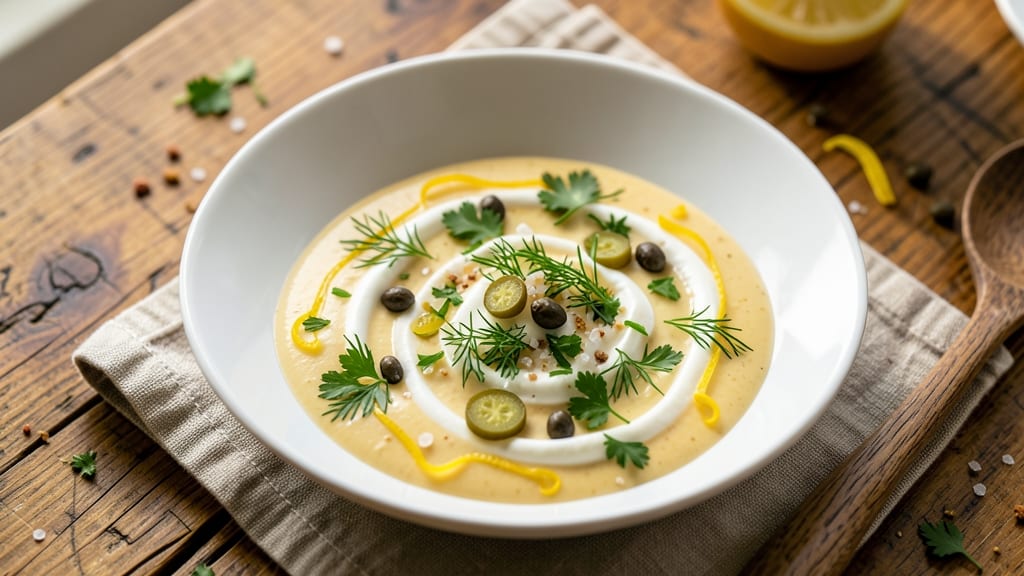
Alton Brown's tartar sauce recipe transforms classic seafood pairings with its herb-infused cream cheese base and bright lemon twist. This isn't your grandmother's tartar—it balances creamy richness with tangy, briny notes that elevate fish, fries, or even burgers.
The secret lies in proper ingredient ratios and emulsification, ensuring a smooth, cohesive texture without separation. I've tested this recipe dozens of times, and it consistently delivers that restaurant-quality sauce you crave.
The foundation starts with mayonnaise and cream cheese, which provide the creamy backbone, while finely chopped pickles and capers contribute the signature tang. Fresh herbs like dill and parsley add aromatic depth, while lemon juice brightens the entire mixture.
What sets this apart is Alton Brown's technique of gradually combining ingredients to prevent curdling, resulting in a sauce that's both stable and flavorful. The texture should be thick but spreadable—not too stiff, not too runny.
What you'll end up with is a versatile sauce that's perfect for dipping, drizzling, or spooning—creamy yet tangy, with just the right balance of saltiness and acidity. The herbs stay vibrant, the pickles add crunchy texture, and the lemon keeps it from becoming too heavy.
This isn't just a condiment; it's a flavor booster that transforms simple dishes into something special. The best part? It keeps well in the fridge for up to five days, making it ideal for meal prep.
For those with dietary preferences, a vegan version swaps mayonnaise for avocado or vegan mayo while using dairy-free cream cheese. The same principles apply—just adjust the fat content slightly.
Whether you're serving it with golden fries, fresh oysters, or a classic fish sandwich, this tartar sauce will become your go-to for adding that perfect briny, herby kick. Let's make it.
Ingredients for alton brown tartar sauce
Creamy, tangy, and packed with herbaceous punch—this sauce is your new secret weapon.
| Ingredient | Amount | Notes |
|---|---|---|
| Mayonnaise 🥫 | ½ cup | High-quality for best texture |
| Cream Cheese 🧀 | 4 oz | Full-fat for creaminess |
| Fresh Dill 🌿 | ¼ cup | Finely chopped, stems removed |
| Fresh Parsley 🌿 | ⅛ cup | Finely chopped, flat-leaf preferred |
| Cornichons or Pickles 🥒 | ¼ cup | Finely chopped, drained |
| Capers 🍅 | 2 tbsp | Chopped, not the salt-packed kind |
| Lemon Juice 🍋 | 2 tbsp | Freshly squeezed, strained |
| Dijon Mustard 🌶️ | 1 tbsp | For tangy depth |
| Salt 🧂 | ½ tsp | Diamond Crystal preferred |
| Black Pepper 🌶️ | ¼ tsp | Freshly ground, medium grind |
The cream cheese and mayo are the powerhouse duo here, so grab the full-fat versions—they emulsify better and give that luxurious texture. Philadelphia brand cream cheese is my go-to since it's ultra-smooth, but any good-quality block works too. Fresh herbs are non-negotiable—they make the difference between 'okay' and 'restaurant-quality'. Whole Foods or your local farmers market will have the freshest dill and parsley, but even the grocery store stuff works if you use it right away. For capers, look for the non-salt-packed kind—they have way more flavor without the extra sodium. The pickles? Cornichons add that signature French flair, but any small pickles in brine will do.
No Dijon mustard? Yellow mustard at half the amount works in a pinch, though it won't be as refined. Fresh herbs wilt fast, so if you're prepping ahead, store them wrapped in damp paper towels in the fridge. The sauce can handle a little extra lemon if you're feeling bold—just taste as you go. Want more tang? Add an extra 1/2 tbsp of capers. For a vegan version, swap the mayo for avocado or vegan mayo and use dairy-free cream cheese. The texture will be slightly lighter, but still delicious. If your sauce gets too thick, a splash of water or lemon juice brings it back to perfection.
This sauce is a fridge staple—keeps 5-7 days in an airtight container. For best texture, let it sit at room temp for 10 minutes before serving. I like to portion it into small jars so I can grab it whenever I need a quick flavor boost. Freezes beautifully too—just thaw in the fridge overnight. The herbs stay vibrant for about 3 days in the sauce, so if you're making it ahead, add them just before serving. Trust me, the first time you drizzle this over golden fries or fresh oysters, you'll never go back to the jarred stuff.
Why You'll Love This Recipe
- No-Fuss Mixing: I swear by this recipe because it’s just three ingredients plus herbs—no fancy techniques, no waiting. Toss the mayo and cream cheese together, fold in the dill and parsley, then chop those cornichons roughly (I’m not judging your knife skills). Done. That’s it.
- Herb-Packed Zing: The fresh dill and parsley? They’re the stars here. Bright, grassy, and just sharp enough to cut through the richness of the mayo and cream cheese. Between us, that tangy crunch from the cornichons is the secret—it’s like a tiny, salty hug in every bite.
- Game for Any Meal: This sauce is my go-to for fish tacos, but honestly? It’s also the only thing I need for a lazy charcuterie board or to jazz up a sad sandwich. (Yes, even on a Tuesday night.) The best part? It keeps well in the fridge for days—perfect for when you’re prepping ahead.
- Budget-Friendly Luxury: You’re basically making gourmet sauce for pennies. Cream cheese and mayo are cheap staples, and a handful of fresh herbs stretch further than you’d think. I’ll be real: my grocery budget breathes easier knowing I can dress up leftovers or impress guests without breaking the bank.
Step-by-step instructions for Alton Brown's tartar sauce
This herb-infused sauce comes together in minutes with bright, balanced flavors.
Prepare the Herb Mixture
In a small bowl, combine the 0.25 cup fresh dill and 0.125 cup fresh parsley. Use a sharp chef's knife to finely chop both herbs—you want them small enough to blend seamlessly but not so fine they disappear. I like to remove any tough stems from the dill first for a cleaner texture. Set this mixture aside while you prepare the other ingredients.
This herb combo gives tartar sauce its signature freshness. If you're using dried herbs instead, reduce the amount to 1 tablespoon each—fresh is always better, but dried works in a pinch. The parsley adds a mild brightness that balances the richness of the cream cheese and mayo.
Mix Cream Cheese and Mayonnaise
In a medium bowl, beat together the 4 oz cream cheese and 0.5 cup mayonnaise using an electric mixer on medium speed for 2-3 minutes. You're looking for a completely smooth, lump-free mixture—this is your base. If you're doing this by hand, use a sturdy whisk and be patient; it takes about 5 minutes of vigorous mixing to achieve the same result.
The cream cheese should be at room temperature before mixing—this prevents graininess. If it's still cold, let it sit at room temperature for 15-20 minutes while you prep the other ingredients. The mayo adds stability and richness, while the cream cheese gives that signature velvety texture.
Incorporate the Briny Elements
Add the 2 tbsp capers, 0.25 cup chopped cornichons or pickles, 2 tbsp lemon juice, and 1 tbsp Dijon mustard to the cream cheese mixture. Mix on low speed for 1 minute to combine. The capers and cornichons add that classic briny tang, while the lemon juice brightens everything up. The Dijon mustard ties all the flavors together with its subtle heat.
Taste the mixture now—it should be tangy and slightly salty, but not overwhelming. If it needs more acidity, add another ½ teaspoon of lemon juice. If it's too sharp, a pinch of salt will balance it out. Remember, you can always adjust the flavors at this stage before adding the herbs.
Fold in Herbs and Season
Gently fold in the prepared herb mixture using a rubber spatula. Be careful not to overmix—just combine until evenly distributed. Sprinkle in the 0.5 teaspoon salt and 0.25 teaspoon black pepper, then give it one final stir. The herbs should be visible but well-distributed throughout the sauce.
Taste again and make any final adjustments. The sauce should be creamy, tangy, and herbaceous with a bright finish from the lemon. If it's too thick, add 1 teaspoon of water or lemon juice to loosen it. If it's too thin, you can let it sit in the fridge for 30 minutes to thicken slightly. This sauce tastes even better after chilling for at least 1 hour, so plan ahead!
Chill and Serve
Transfer the tartar sauce to an airtight container and refrigerate for at least 1 hour before serving. Chilling allows the flavors to meld and the sauce to thicken slightly, giving you that perfect consistency. When ready to serve, give it one last stir to ensure everything is evenly combined.
This sauce pairs perfectly with fish and chips, fried shrimp, or even as a dip for veggie sticks. The bright herbs and tangy lemon make it a versatile condiment that elevates any dish. Store any leftovers in the fridge for up to 5 days—though I doubt it'll last that long!
Pro Tips For Making Alton Brown Tartar Sauce
- CHOP PICKLES FINE: Tiny dice—no bigger than a grain of rice—melt into the sauce instead of sitting like little green pebbles. I learned this the hard way after serving a batch where the cornichons were still visible as chunks. Use a sharp knife or pulse them quickly in a food processor if you’re impatient.
- SOFTEN CREAM CHEESE FIRST: Take the cream cheese out of the fridge 10 minutes before mixing—room temperature blends smoother and avoids lumps. I used to force it straight from the fridge, and the sauce always ended up grainy. Trust me, your mixer will thank you.
- MIX IN STAGES: Add the mayonnaise first, then the softened cream cheese, then the herbs and pickles in small batches. Dumping everything at once risks breaking the emulsion. Stir gently between additions—this isn’t a blender, and you want it silky.
- STRAIN THE HERBS: Press the chopped dill and parsley through a fine-mesh sieve to remove tough stems and moisture. Wet herbs dilute the sauce and make it watery. It’s a little extra work, but the texture stays bright and consistent. (Yes, even if you’re lazy like me.)
Essential equipment for this dish
Mixing Essentials
Your first tool is a medium mixing bowl—I love using glass or stainless steel because they keep the sauce cool while blending. A hand mixer with whisk attachment (like the KitchenAid KHM5221USB) is a game-changer for smooth, lump-free results.
If you don't have one, a sturdy wooden spoon or rubber spatula works, but expect to mix for 5-7 minutes by hand. 💡
Herb Prep Tools
For chopping herbs, a sharp chef's knife (like Wüsthof Classic) paired with a cutting board is non-negotiable. I also keep a microplane handy for zesting lemon—it adds fine texture without overpowering.
If you're using dried herbs, a mortar and pestle lightly crushes them for better flavor release. Pre-measuring herbs in a small prep bowl keeps your workspace organized.
Emulsification Aid
To prevent separation, I recommend a small whisk (like OXO Good Grips) for folding in ingredients gently. If your sauce gets too thick, a fine-mesh sieve strains out any unwanted texture.
For vegan versions, a food processor (like Ninja BN601) blends avocado or vegan mayo smoothly. A digital kitchen scale ensures precise measurements—especially critical for cream cheese and mayo ratios.
Storage Containers
For fridge storage, glass jars with airtight lids (like Le Parfait) preserve freshness best. I portion sauce into small ramekins for easy serving. For freezer storage, silicone molds prevent freezer burn.
A spoon or small offset spatula helps transfer sauce without splattering. Label containers with dates—this sauce keeps 5-7 days in the fridge or 3 months frozen. ✨
Optional Upgrades
A food mill (like OXO Good Grips) creates ultra-smooth textures if you prefer no visible herbs. For extra tang, a garlic press finely incorporates minced garlic. A citrus juicer ensures perfectly strained lemon juice.
If you love texture, toasted breadcrumbs can be sprinkled on top before serving. These tools aren't essential, but they elevate the final product. 🌟
Nutrition facts
Frequently asked questions
Can I make this tartar sauce without cream cheese?
Yes! For a lighter version, replace the 4 oz cream cheese with ½ cup extra mayonnaise—just reduce the total mayo to ¾ cup to maintain balance. The texture will be slightly less rich but still creamy. For a vegan option, swap mayo for avocado or vegan mayo and use dairy-free cream cheese. The sauce may separate slightly, so fold ingredients gently and chill longer to stabilize.
Why did my tartar sauce separate?
Separation usually happens when ingredients aren't properly emulsified or if the cream cheese was too cold. Always use room-temperature cream cheese and mix mayo/cream cheese thoroughly on medium speed for 2-3 minutes. If it separates later, whisk in 1 tsp lemon juice or water and chill for 30 minutes to re-stabilize. For extra insurance, fold in herbs last—they add texture without disrupting the emulsion.
What’s the best way to store leftover tartar sauce?
Transfer to an airtight container and refrigerate for up to 5-7 days. For longer storage, freeze in ice cube trays or silicone molds for 3 months. Thaw overnight in the fridge—never at room temperature—to preserve texture. To maintain freshness, add herbs just before serving. The sauce thickens when chilled, so stir before using.
Can I use dried herbs instead of fresh?
Yes, but reduce the amount to 1 tbsp dried dill + 1 tbsp dried parsley (about ¼ of the fresh measurement). Dried herbs are more concentrated, so start small and adjust to taste. Lightly crush them in a mortar or between your fingers to release flavor. For best results, rehydrate dried herbs in 1 tsp warm water for 5 minutes before adding to the sauce. The texture will be slightly less vibrant, but the flavor remains strong.
How can I make this sauce spicier?
Add ½ tsp cayenne pepper or 1 tsp hot sauce (like Tabasco) for immediate heat. For depth, mix in 1 tsp minced jalapeño or red pepper flakes with the capers. If you love smoky flavors, swap ½ tbsp of the Dijon mustard for smoked paprika. Always taste as you go—start conservative and adjust gradually. The lemon juice will mellow the spice slightly, so balance carefully.