
Sauces & Condiments
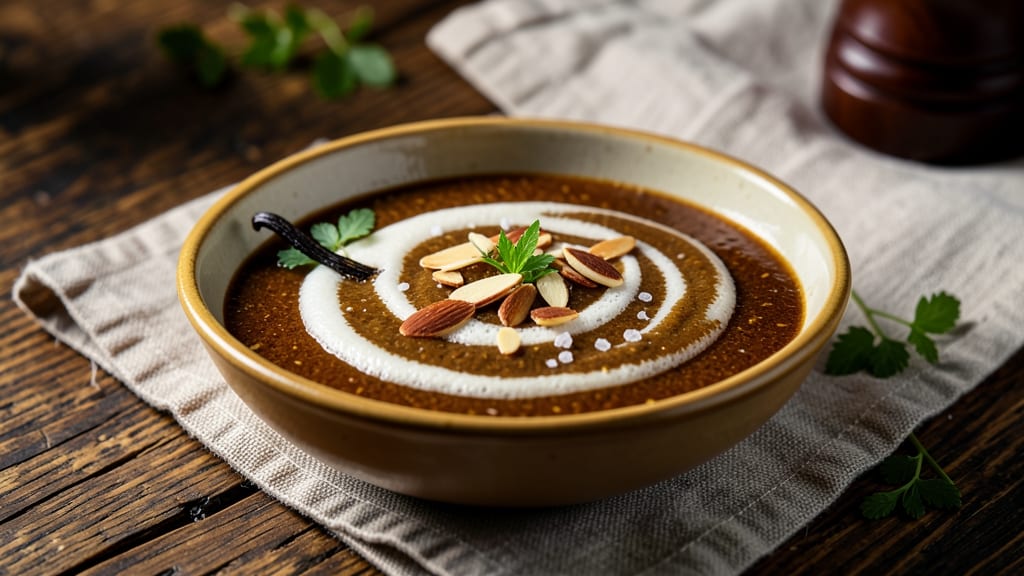
This amaretto butter sauce transforms ordinary dishes into decadent masterpieces with just four ingredients and 10 minutes of work. The rich, nutty depth of amaretto liqueur pairs perfectly with velvety butter, creating a sauce that elevates everything from seafood to roasted vegetables. I developed this recipe after craving a sophisticated drizzle that didn't require hours of reduction—just a simple, foolproof method that delivers restaurant-quality results at home.
The beauty of this sauce lies in its versatility. Whether you're drizzling it over warm pasta, melting it into mashed potatoes, or finishing a decadent dessert, the balance of sweet, nutty, and boozy flavors creates an instant upgrade.
The key is achieving the perfect emulsion—smooth, glossy, and thick enough to cling beautifully without being overly heavy. This isn't just a sauce; it's a flavor multiplier that turns simple meals into something extraordinary.
What makes this recipe truly special is how effortless it is to make. No special equipment is needed—just a saucepan, a whisk, and patience for the flavors to meld together. The sauce keeps well in the refrigerator for up to two weeks, making it perfect for meal prep or gifting.
Once you try it, you'll never go back to store-bought sauces again. The possibilities are endless, from seafood to desserts, and every bite will leave your guests asking for the recipe.
For those who love to experiment, this sauce plays beautifully with variations like adding a splash of vanilla extract or a hint of citrus zest. The options are limited only by your imagination. Let's create something truly special together—this sauce is about to become your new kitchen essential.
Ingredients for amaretto butter sauce
Four ingredients, ten minutes, and a sauce that turns everything extraordinary.
| Ingredient | Amount | Notes |
|---|---|---|
| Unsalted Butter 🧈 | ½ cup | Cold, cubed for even melting |
| Amaretto Liqueur 🍷 | ¼ cup | High-quality, 25-28% ABV preferred |
| Heavy Cream 🥛 | ¼ cup | Full-fat for richness |
| Granulated Sugar 🍚 | 1 tbsp | Adjust to taste for sweetness |
| Vanilla Extract 🌿 | ½ tsp | Pure, high-quality extract |
| Salt 🧂 | ¼ tsp | Fine sea salt for balance |
| Lemon Juice 🍋 | ½ tsp | Freshly squeezed for brightness |
The butter is non-negotiable—European-style unsalted butter like Plugrá or Land O'Lakes has the perfect fat content for this sauce. Amaretto quality matters too; Disaronno is my go-to, but any reputable brand with 25-28% ABV works. The heavy cream should be full-fat—Hormel Organic or Whole Foods 365 are great options. I always buy extra amaretto because it's versatile for cocktails too. For the sugar, Domino or C&H granulated works perfectly—no need for fancy specialty sugars here.
No amaretto? Almond extract plus a splash of vanilla gets you close, though you'll lose that subtle boozy depth. Running low on heavy cream? Half-and-half works in a pinch, but the sauce will be lighter. The vanilla extract can be swapped for vanilla bean paste if you're feeling fancy—just reduce the amount to half a teaspoon. For extra brightness, add a pinch of citrus zest (lemon or orange). The lemon juice is key for balancing the richness—don't skip it, even if you're using a particularly sweet amaretto.
This sauce keeps beautifully in the fridge for up to 2 weeks, though I rarely have it that long. For longer storage, portion into small jars or ramekins—they're perfect for gifting. Reheat gently in a saucepan over low heat or microwave in 10-second bursts. The sauce thickens as it cools, so add a splash of warm water or cream if it becomes too stiff. Trust me, you'll want to make extra—it disappears faster than you'd think!
Why You'll Love This Recipe
- I’ll be real: this sauce takes three minutes of active work—just melt butter, stir in amaretto, and let the cream do its thing. No chopping, no peeling, no stress. Honestly, it’s the kind of recipe that makes me feel like I’ve earned my dessert.
- Five-Ingredient Magic: I’ll be real: this sauce takes three minutes of active work—just melt butter, stir in amaretto, and let the cream do its thing. No chopping, no peeling, no stress. Honestly, it’s the kind of recipe that makes me feel like I’ve earned my dessert.
- Almond-Kissed Luxury: That first swirl of amaretto in warm butter? It’s like a hug for your taste buds—nutty, boozy, and just sweet enough. The vanilla ties it all together so smoothly, you’ll want to drizzle it on everything (yes, even pancakes).
- Weeknight Hero: Dinner guests? Last-minute date night? This sauce works for all of it—drizzle it over grilled chicken, toss it with pasta, or serve it alongside steak. Between us, it’s my go-to when I need something impressive but not complicated.
Step-by-step instructions for amaretto butter sauce
This velvety sauce comes together in minutes with just a few simple techniques.
Melt the Cold Butter Gently
In a medium saucepan, combine the 0.5 cup unsalted butter (cubed as specified) over medium-low heat. I like to use a heavy-bottomed pan to prevent scorching—this sauce needs patience to develop its rich, nutty depth. Let the butter melt slowly, stirring occasionally with a silicone spatula, until it reaches 160°F and becomes completely liquid but not browned. You'll notice the butter foams slightly as it melts; this is normal and indicates it's ready for the next step.
Here's the thing—if you rush this step, you'll end up with a sauce that's too hot when you add the alcohol, causing it to evaporate too quickly. The butter should be warm but not bubbling vigorously. If you see any browned bits forming, immediately reduce the heat to low and stir until they dissolve. This ensures a smooth, velvety texture in your finished sauce.
Add Alcohol and Reduce
Once the butter is fully melted, remove the pan from heat and carefully pour in the 0.25 cup amaretto liqueur. I always recommend using high-quality amaretto—you can taste the difference in the final product. The alcohol will sizzle slightly as it hits the hot butter, but don't worry about this. Return the pan to medium heat and let the mixture simmer gently for 3-4 minutes, stirring constantly with a wooden spoon.
This reduction step is crucial—it allows the alcohol to cook off safely while concentrating the amaretto's nutty, almond flavor. You'll notice the mixture becomes slightly thicker and the aroma intensifies. If you smell any harsh alcohol notes lingering, give it another minute or two of simmering. The goal is to have about 1 tablespoon of liquid remaining when you're done—this ensures the sauce has the right balance of richness and brightness.
Incorporate Cream and Sweeten
With the pan still on medium heat, gradually whisk in the 0.25 cup heavy cream. I add it slowly at first to prevent any sudden temperature changes that could cause the butter to separate. Once fully incorporated, stir in the 1 tablespoon granulated sugar, 0.5 teaspoon vanilla extract, 0.25 teaspoon salt, and 0.5 teaspoon lemon juice. The sugar will dissolve quickly, but I like to let the mixture simmer gently for another 2-3 minutes to allow all the flavors to meld together.
This is where the sauce comes alive—the lemon juice brightens the richness of the butter and cream, while the vanilla adds depth. The salt balances all the sweetness, and the sugar rounds out any bitterness from the amaretto. Taste as you go—you might want to adjust the sugar slightly depending on how sweet your amaretto is. Remember, you can always add more sugar, but you can't take it out once it's dissolved.
Finish and Strain for Smoothness
Once all the ingredients are combined and the sauce has thickened slightly, remove the pan from heat. For an ultra-smooth texture, I recommend straining the sauce through a fine-mesh sieve into a clean bowl. This removes any potential butter grains or sediment that might make the sauce grainy. The finished sauce should be silky, glossy, and thick enough to coat the back of a spoon—it should leave a light trail when you drag your finger through it.
Here's a pro tip: If your sauce is too thick, whisk in 1-2 teaspoons of warm water to reach your desired consistency. For pasta applications, I prefer it slightly thicker so it clings beautifully. For desserts, a slightly looser consistency works better for drizzling. Either way, the sauce should be warm but not hot when you serve it—it thickens as it cools, so don't worry if it looks a bit runnier right after straining.
Pro Tips For Making Amaretto Butter Sauce
- Warm the Cream First: Cold heavy cream will seize up your sauce like a bad first date. Heat it in a separate saucepan until it’s just steaming—about 110°F (43°C)—before mixing it with the butter. This keeps your sauce silky instead of grainy, and you won’t end up with clumps fighting for space in every bite.
- Measure Amaretto Precisely: That bottle’s pour spout lies. Use a measuring spoon to get exactly 1–2 tablespoons of amaretto—any more and you’ll taste liquor, not almond. I learned this the hard way after making a batch that tasted like a dessert version of a martini.
- Simmer, Don’t Boil: Once you add the sugar and butter, keep the heat low and let the sauce bubble gently. Boiling burns the alcohol and turns your sauce into a sad, caramelized puddle. A steady simmer for 3–4 minutes is all it needs—no drama required.
- Salt the Butter: Unsalted butter is a blank slate, but your sauce needs balance. Toss in a pinch of flaky salt (about ¼ teaspoon) with the sugar and butter at the start. It’ll round out the sweetness and cut through the richness—trust me, your taste buds will notice.
Storing and reheating your leftovers
Fridge Storage Basics
Store your amaretto butter sauce in an airtight container with a lid—glass jars or small ramekins work best. The sauce keeps beautifully in the refrigerator for up to 2 weeks, though I rarely have leftovers that long.
Let it cool completely before sealing to prevent condensation, which can dilute the flavors. I like using small jars because they're perfect for portion control and gifting—just pop one in your lunchbox or give it as a hostess gift. 🧈
Freezer Prep Tips
For longer storage, portion the sauce into freezer-safe containers or silicone molds, leaving ½-inch headspace for expansion. The sauce freezes well for up to 3 months, though I recommend using it within 2 months for peak flavor.
When ready to use, thaw overnight in the fridge—never microwave directly from frozen, as this can cause separation. For quick use, place the frozen container in a bowl of warm water for 10-15 minutes to soften before reheating gently. ❄️
Reheating Like a Pro
For the best texture, reheat the sauce in a small saucepan over low heat, stirring constantly with a silicone spatula. Add 1-2 teaspoons of warm water or heavy cream if the sauce thickens too much during storage.
Avoid boiling—the sauce should just warm through to 120°F, maintaining its silky consistency. If using in a hurry, microwave in 10-second bursts, stirring between each, until fully melted. The sauce will thicken as it cools, so adjust consistency right after reheating. 🔥
Reviving Thickened Sauce
If your sauce becomes too stiff after storage, whisk in 1 teaspoon of warm water or heavy cream at a time until it reaches a smooth, drizzling consistency. For pasta applications, I prefer it slightly thicker, while desserts benefit from a looser pour.
Pro tip: If the sauce separates slightly, gently reheat it while whisking vigorously to re-emulsify. The key is patience—don't rush the process, or you'll risk breaking the emulsion. A quick strain through a fine-mesh sieve restores smoothness if needed. ✨
Gifting and Travel
This sauce makes an amazing homemade gift—just portion it into small jars with a ribbon and tag. For travel, use insulated travel containers or freeze it solid in a leak-proof bag. The sauce stays fresh for 24 hours in a cooler with ice packs.
I always label my jars with the recipe name and date to track freshness. When giving as a gift, include a note with serving suggestions—people love knowing how to use it! 💛
Safety Reminders
Always reheat the sauce to at least 165°F if using it with proteins like seafood or poultry. The butter base makes this sauce rich, so it's important to handle it safely. If you've added extra ingredients (like citrus zest or herbs), note them on the container—these can affect storage time.
When in doubt, err on the side of caution and use within 1 week of opening, even if it looks fine. The flavor is worth the effort, but safety comes first! 💡
Nutrition facts
Frequently asked questions
Can I make this sauce without amaretto liqueur?
The amaretto is what gives this sauce its signature nutty depth, but you can substitute with 1 teaspoon almond extract plus 1 tablespoon vanilla extract for a similar flavor profile. Just reduce the vanilla in the recipe by half to balance the sweetness. The sauce will be less boozy but still delicious—great for those avoiding alcohol.
How do I know when the sauce is ready?
The perfect sauce should be silky, glossy, and thick enough to coat the back of a spoon—it should leave a light trail when you drag your finger through it. If it's too thin, simmer for another 1-2 minutes; if too thick, whisk in 1 teaspoon warm water or cream at a time. The sauce will naturally thicken as it cools, so don't worry if it looks slightly runnier right after straining.
What are the best dishes to drizzle this sauce over?
This versatile sauce shines on warm pasta, roasted vegetables, grilled seafood, or even as a finishing drizzle for pancakes and waffles. For savory dishes, pair it with garlic butter shrimp or asparagus, while desserts like vanilla ice cream or pound cake become extraordinary with this nutty-sweet topping.
Why did my sauce separate?
Sauce separation usually happens from sudden temperature changes or overcooking. To fix it, gently reheat the sauce in a saucepan over low heat***, whisking constantly until smooth. If the issue persists, strain through a fine-mesh sieve to restore its velvety texture. For prevention, always melt butter slowly and avoid boiling the sauce.