
Sauces & Condiments
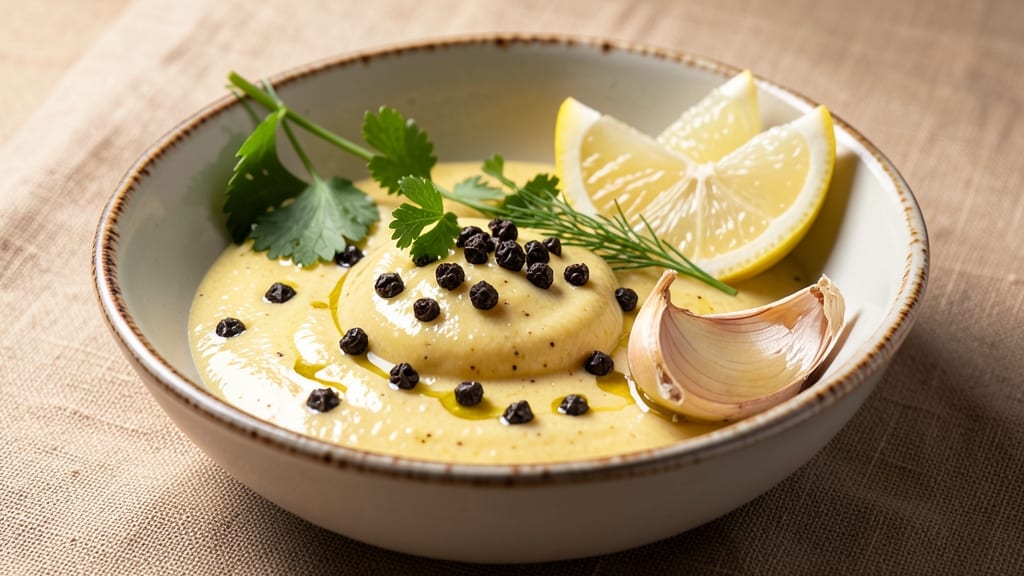
This American deli lemon pepper sauce recipe transforms ordinary meals into restaurant-quality dishes with just a few simple ingredients. The bright, tangy flavor comes from fresh lemon juice and black pepper, while garlic and herbs add depth that elevates everything from sandwiches to wings.
I developed this recipe after craving that signature deli taste at home—no more settling for store-bought versions that lack freshness and complexity.
The sauce is incredibly versatile, perfect for drizzling over grilled chicken, fish, or roasted vegetables, or using as a marinade for meats. It keeps well in the fridge for up to a week, making it a go-to for quick meals.
The balance of acidity and spice ensures every bite is bold without overpowering the dish.
What sets this sauce apart is its simplicity—just a handful of ingredients, yet it delivers professional-level flavor. The lemon juice brightens the pepper’s heat, while garlic and herbs add layers of aroma that make it irresistible.
Whether you're prepping for a game day spread or a weeknight dinner, this sauce will be your secret weapon.
Ready in just 10 minutes, this recipe is ideal for batch-making and storing. Use it as a dip, marinade, or finishing sauce—your taste buds will thank you. Let’s make it!
Ingredients for american deli lemon pepper sauce
Eight essential ingredients crafting restaurant-style lemon pepper sauce with bold tang and aromatic depth.
| Ingredient | Amount | Notes |
|---|---|---|
| Extra-Virgin Olive Oil 🫒 | ½ cup | High-quality, fruity variety preferred |
| Fresh Lemon Juice 🍋 | ½ cup | Freshly squeezed from ripe lemons |
| Black Peppercorns 🌶️ | 2 tbsp | Freshly cracked for maximum flavor |
| Garlic Cloves 🧄 | 4 cloves | Freshly minced or grated |
| Fresh Parsley 🌿 | ¼ cup | Finely chopped, stems removed |
| Fresh Dill 🌿 | 2 tbsp | Chopped, for bright herbal notes |
| Dried Oregano 🍃 | 1 tsp | Crushed between fingers for release |
| Granulated Garlic Powder 🧄 | 1 tsp | For consistent flavor if fresh unavailable |
| Diamond Crystal Kosher Salt 🧂 | 1 tsp | Adjusts seasoning to taste |
The foundation of this sauce lies in its fresh components: extra-virgin olive oil should have a peppery finish, not a bland aftertaste—California Olive Ranch or Colavita are reliable choices. For lemon juice, use Eureka or Meyer lemons when possible; their higher acidity delivers that signature deli brightness. Fresh black peppercorns must be cracked just before use—pre-ground loses potency within hours. Garlic should be freshly minced for maximum aromatic impact, though granulated garlic powder works in a pinch if you're short on time. The herbs—fresh parsley and dill—are non-negotiable for that authentic deli flavor profile, though dried dill at half the amount can substitute if needed.
No fresh dill? Fresh tarragon or basil add complexity, though the flavor will differ slightly. Short on lemon juice? Lime juice works at the same ratio, though it introduces a slightly different citrus profile. The oregano enhances the pepper's heat without overpowering it—Mexican oregano has a more robust flavor than Mediterranean varieties. For a smoother texture, blend the sauce until silky; for texture, leave it slightly chunky. Trader Joe's carries pre-minced garlic and fresh herbs in convenient packages if time is limited, though nothing beats freshly prepared ingredients for this sauce's signature punch.
This sauce reaches peak flavor after 24 hours of refrigeration, allowing the ingredients to meld completely. Store in an airtight glass jar with a thin layer of olive oil on top to preserve freshness—keeps for up to 1 week in the fridge or 3 months when frozen in ice cube trays. The sauce thickens slightly when refrigerated; simply whisk in a splash of water or lemon juice to restore consistency. Portion into small containers for easy use on sandwiches, wings, or as a marinade—each batch disappears quickly once everyone tastes it.
Why You'll Love This Recipe
- No Chopping Needed: I swear by this sauce because it’s one of those rare recipes where you can eyeball everything. Fresh parsley gets a rough chop—no knife skills required—and the garlic stays whole until it’s crushed in the mortar. Five minutes max, and no one will guess how effortless it was.
- Zingy Deli Magic: That bright lemon cut through the richness of olive oil like a summer breeze. The crushed black pepper adds this little kick, while the garlic—just barely toasted—gives it that warm, familiar deli counter vibe. Honestly, it’s the kind of sauce that makes you reach for seconds without trying.
- Game for Any Plate: Drizzle it over grilled chicken or fish, toss it into pasta, or even mix it into mayo for sandwiches. I’ve used it as a marinade, a finishing sauce, and even a dip for veggies. Between us, it’s the only sauce I keep on hand because it works everywhere.
- Lasts All Week: Make a big batch—it keeps for five days in the fridge—and the flavor only gets better. The lemon mellows just enough to deepen, while the pepper stays sharp. My go-to for lazy nights: dump it on whatever’s in the fridge and call it dinner. No waste, no fuss.
Step-by-step instructions for American deli lemon pepper sauce
This bright, aromatic sauce delivers restaurant-quality zing with minimal effort.
Toast and Grind the Peppercorns
Heat a dry skillet over medium heat and add the 2 tablespoons black peppercorns. Toast them for 2-3 minutes, stirring constantly, until they release their aroma and turn a deeper brown color. This step intensifies their flavor and removes any bitterness.
Transfer the toasted peppercorns to a mortar and pestle or spice grinder. Crush them into a fine powder—you want a consistency similar to freshly ground black pepper. The aroma should fill your kitchen; this is your first indication the flavor is developing properly. If you don't have a mortar, a clean coffee grinder works well for small batches.
Infuse the Olive Oil
In a small saucepan, combine the ½ cup extra-virgin olive oil with the 4 cloves minced garlic, 1 teaspoon granulated garlic powder, and the freshly ground peppercorn powder. Warm the mixture over low heat for 5-7 minutes, stirring frequently to prevent burning.
Watch for the garlic to become fragrant but not brown—it should smell sweet and pungent without any bitter notes. Remove from heat immediately when you detect the aroma, as garlic burns quickly. Let the infused oil cool to room temperature, allowing the flavors to meld completely. This infusion creates the sauce's signature depth and complexity.
Blend the Herbs and Citrus
In a blender, combine the cooled infused oil with the ½ cup fresh lemon juice, ¼ cup finely chopped parsley, 2 tablespoons chopped fresh dill, and 1 teaspoon dried oregano. Blend on high speed for 30-45 seconds until completely smooth and emulsified.
The sauce should have a vibrant green color with a thick, almost mayonnaise-like consistency. If it appears too thin, blend for an additional 10 seconds. The acidity from the lemon juice will help emulsify the oil naturally, creating a stable sauce that won't separate. Taste the mixture and adjust the seasoning with the 1 teaspoon Diamond Crystal kosher salt if needed—this sauce should balance bright citrus with robust peppery heat.
Strain and Rest for Maximum Flavor
Strain the blended mixture through a fine-mesh sieve into a clean bowl or jar, pressing gently with a spoon to extract all the liquid. This step removes any herb fibers that might make the sauce gritty while preserving all the infused flavors. The resulting sauce should be completely smooth with no visible particles.
Let the sauce rest at room temperature for at least 30 minutes before using. This resting period allows the flavors to fully develop and marry together. The sauce will continue to improve for up to 24 hours when refrigerated, making it even more flavorful as it sits. For best results, use within 5 days of preparation, storing in an airtight container in the refrigerator.
Pro Tips For Making American Deli Lemon Pepper Sauce
- TOAST THE PEPPERCORNS: Toss whole black peppercorns in a dry pan over medium heat for 30 seconds—just until they sizzle and release their aroma. This isn’t about grinding yet, but waking up their flavor before you crush them. I used to skip this, and the sauce always tasted flat until I realized the difference.
- CRUSH PEPPERCORNS COARSELY: Use the flat side of a knife or mortar to smash peppercorns into uneven pieces, not powder. You want texture, not a smooth sauce. I learned this the hard way—once I blended them into dust, the sauce lost its signature bite.
- STRAIN THE GARLIC: After mincing garlic, press it through a fine-mesh strainer to remove any bitter skins or pulp. This keeps the sauce silky and prevents a gritty aftertaste. Sounds fussy, but it makes a real difference—especially if you’re using older garlic bulbs.
- FINISH WITH COLD LEMON: Stir in fresh lemon juice last, right before serving, and let the sauce sit for 2 minutes. The acid mellows out the garlic’s sharpness and lets the olive oil shine. I used to add it early, and the sauce always tasted harsh and unbalanced.
Regional styles of this american deli lemon pepper sauce
Midwest Deli Twist
In the Midwest, this sauce often gets a heartier touch with 1 teaspoon of smoked paprika—just add it with the oregano while blending. The smoky depth complements the pepper perfectly, especially when drizzled over pulled pork sandwiches or chicken tenders.
I love using Kalamata olives (finely chopped) for texture, too—about 2 tablespoons adds a briny contrast that Midwestern delis swear by. 🌶️
East Coast Brightness
East Coast versions lean into extra lemon juice—up to ⅓ cup—for a sharper tang, ideal for seafood like grilled mahi-mahi or lobster rolls. Add 1 teaspoon of capers (chopped) for a salty bite that mimics classic deli flavors.
Fresh chives replace parsley here; their mild onion note balances the acidity beautifully. Store-bought Annie’s brand lemons work best for consistent acidity.
Southern BBQ Fusion
Southern cooks often thicken this sauce slightly by blending in 1 tablespoon of mayonnaise (like Duke’s) for a richer texture. A dash of hot sauce (like Crystal or Tabasco) adds heat without overpowering.
This version shines on fried chicken or shrimp skewers, where the sauce clings like a glaze. For extra smokiness, add ½ teaspoon of liquid smoke—just a whisper, but it transforms the flavor profile. 🔥
West Coast Lightness
West Coast adaptations focus on freshness—avocado oil replaces olive oil for a lighter finish, and cilantro joins the parsley for a brighter, almost Mexican-inspired twist.
A splash of lime juice (swap 2 tbsp for lemon) and 1 teaspoon of honey softens the pepper’s bite, making it perfect for tacos or grilled fish. Use Trader Joe’s avocado oil for a buttery, neutral base that won’t compete with the citrus.
Game Day Crowd-Pleaser
For stadium-style wings or sliders, boost the sauce with 1 teaspoon of Worcestershire sauce and a pinch of cayenne pepper for a spicy kick. Serve it in a small squeeze bottle for easy drizzling—guests will go back for seconds.
Double the batch and freeze half in ice cube trays for quick game-day prep. The pepper’s heat stands up to spicy wings, while the lemon keeps it fresh. 🏈
Nutrition facts
Frequently asked questions
Can I make this sauce without a blender?
Yes! For a chunkier texture, whisk all ingredients together in a bowl until fully combined. Use a fork to crush peppercorns and finely chop herbs by hand. The sauce will have more texture but still deliver that signature lemon-pepper punch. For smoother results, transfer to a mason jar and shake vigorously for 1-2 minutes.
How spicy will this sauce be?
The heat level depends on how you toast the peppercorns. For mild flavor, toast them for 1-2 minutes—for medium heat, go up to 3 minutes. The sauce balances pepper with bright lemon, so the heat is always tempered. Adjust by adding more lemon juice if needed.
What's the best way to store leftovers?
Transfer to an airtight glass jar and store in the fridge for up to 1 week. For longer storage, freeze in ice cube trays—thaw overnight in the fridge before using. The sauce may thicken slightly when refrigerated; whisk in a splash of lemon juice or water to restore consistency.
Can I use this sauce as a marinade?
It works wonderfully for chicken, fish, or pork. Marinate for 30-60 minutes (no longer to prevent over-acidification). The lemon tenderizes while the pepper adds flavor. For extra protection, submerge meat in a sealed bag with the sauce.
What if my sauce separates?
This happens when oil and lemon juice aren't properly emulsified. Whisk vigorously or blend briefly to recombine. For stubborn separation, add 1 teaspoon of mustard or honey as a natural emulsifier. The sauce should return to a smooth, creamy texture.