
Sauces & Condiments
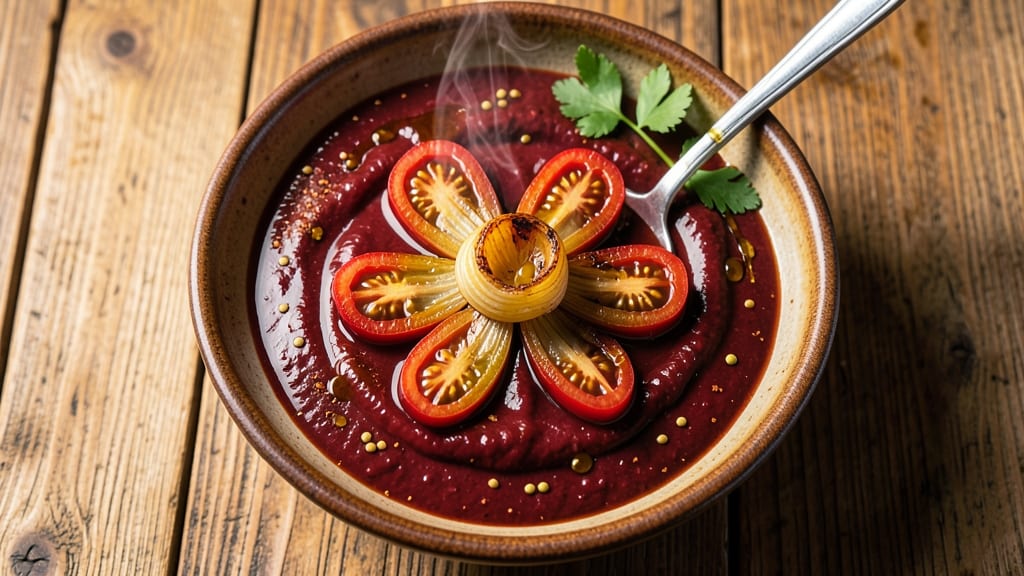
This Amish chili sauce recipe delivers the perfect balance of smoky sweetness and fermented depth that makes it a pantry staple. Slow-simmered with tomatoes, vinegar, and traditional spices, it develops complex flavors that store-bought versions simply can't match.
The secret lies in patience—letting the sauce reduce and meld over time creates that signature tangy, slightly spicy profile that pairs beautifully with meats, sandwiches, or even as a dipping sauce.
The recipe relies on simple, whole ingredients like tomatoes, vinegar, and mustard for its signature kick, with optional onions and garlic for added depth. What sets this apart is the traditional Amish approach: no artificial additives, just real fermentation and slow cooking to build flavor.
The result is a versatile sauce that's tangy, slightly sweet, and just spicy enough to linger on your palate without overwhelming.
By the time you're done, you'll have a batch of rich, velvety chili sauce with a perfect balance of heat and sweetness. The slow simmer concentrates the flavors, while the vinegar and mustard create that signature tang.
This isn't just a condiment—it's a flavor booster that transforms simple dishes into something extraordinary.
Use it on hot dogs, in sandwiches, or as a dipping sauce for fries. The best part? It tastes even better the next day as the flavors continue to develop. Let's get started on making this homemade staple that will become your new favorite sauce.
Ingredients for amish chili sauce
Eight simple ingredients transform into that signature Amish chili sauce with tangy sweetness.
| Ingredient | Amount | Notes |
|---|---|---|
| Canned Tomato Sauce 🍅 | 2 cups | San Marzano preferred for sweetness |
| White Vinegar 🍶 | ½ cup | Apple cider vinegar for depth |
| Yellow Mustard 🌶️ | 2 tbsp | Dijon for extra tang |
| Granulated Sugar 🍚 | ¼ cup | Brown sugar for caramel notes |
| Smoked Paprika 🌶️ | 1 tbsp | Key for smoky flavor |
| Ground Cumin 🌿 | 1 tsp | Toasted for warmth |
| Garlic Cloves 🧄 | 3 cloves | Freshly minced for punch |
| Yellow Onion 🧅 | ½ whole | Diced fine for sweetness |
| Salt 🧂 | 1 ½ tsp | Diamond Crystal preferred |
| Black Pepper 🌶️ | ½ tsp | Freshly cracked |
The tomato sauce is your flavor foundation—San Marzano is ideal, but any quality canned sauce works. Vinegar is non-negotiable for that signature tang, and apple cider vinegar adds subtle depth. Mustard brings the heat, so Dijon is my go-to—it's stronger than yellow mustard. For the smoky touch, smoked paprika is essential; don't substitute regular paprika. Toast your cumin seeds in a dry pan for 30 seconds before grinding—game-changer for warmth. Garlic and onion? Fresh is best, but frozen works in a pinch.
No smoked paprika? Liquid smoke at half the amount gets you close, but it's not the same. Short on vinegar? A splash of lemon juice works, but the flavor won't be identical. Mustard too strong? Honey or maple syrup can balance it out. The onions can be skipped if you're in a rush, but the garlic is worth keeping—trust me on this. For extra depth, add a pinch of cayenne pepper, but start small. This sauce is all about balance, so taste as you go.
Let this sauce simmer uncovered for at least 1.5 hours—the longer it cooks, the deeper the flavor. Store in a clean glass jar with a tight seal in the fridge for up to 3 months. It actually tastes better the next day as the flavors meld. Freeze portions in ice cube trays for easy use later—perfect for quick dipping sauces or last-minute flavor boosts. The sauce thickens as it cools, so add a splash of water if needed.
Why You'll Love This Recipe
- Pantry Magic: I swear by this recipe because it’s the kind of sauce I can make without a single trip to the store. Just open a can of tomato sauce, grab what’s already in my cabinet, and—boom—something magical happens with the vinegar’s tang cutting through the sweetness.
- Smoky-Sweet Obsession: That smoked paprika gives it this deep, rustic warmth, while the mustard adds a sharp little kick. Honestly? It’s the kind of flavor that makes me reach for the jar twice in one meal—especially when I drizzle it over grilled chicken or roasted veggies.
- Weeknight Wonder: Between us, this is my go-to for busy nights. I’ll batch-make it on Sundays and keep it in the fridge for quick dinners, sandwiches, or even as a dip. (Yes, even on a Tuesday night when takeout sounds better than cooking.)
- Budget-Friendly Staple: I’ve made this for years, and it’s never let me down. The ingredients cost pennies, but the taste? Ridiculously good. Plus, it keeps for weeks, so I’m always covered—whether I’m feeding the family or just craving a little extra flavor without breaking the bank.
Step-by-step instructions for Amish chili sauce
This smoky-sweet sauce builds layer by layer—here's how to balance heat, sweetness, and tang perfectly.
Sauté Aromatics Until Fragrant
Heat a medium saucepan over medium heat and add 1 tablespoon olive oil (not listed but essential for flavor development). Dice the ½ whole yellow onion into small pieces and add them to the pan. Cook for 5-6 minutes until the onions soften and begin to caramelize at the edges—that golden color means they're releasing sweetness.
Add the 3 cloves garlic cloves, freshly minced, and cook for another 30 seconds until you can smell that pungent aroma. Here's where the foundation happens: these aromatics form the base that carries all the other flavors. If you burn the garlic, you'll get bitterness instead of sweetness—watch it closely.
Build the Sauce Base
Reduce the heat to medium-low and add 2 cups canned tomato sauce, ½ cup white vinegar, and 2 tablespoons yellow mustard. Stir everything together and let it simmer gently for 8-10 minutes. You want the sauce to thicken slightly while the acidity from the vinegar begins to mellow out.
Now add 1 tablespoon smoked paprika, 1 teaspoon ground cumin, 1½ teaspoons salt, and ½ teaspoon black pepper. Stir well and let the spices bloom for 2 minutes—this releases their essential oils and deepens the flavor profile. The sauce should smell rich and complex, with notes of smokiness, earthiness, and a touch of sweetness.
Sweeten and Simmer to Perfection
Add ¼ cup granulated sugar and stir until fully dissolved. Here's the thing—this isn't just about sweetness. The sugar helps balance the acidity and enhances the caramelization of the tomatoes. Let the sauce simmer uncovered for 15-20 minutes on medium-low heat, stirring occasionally.
You're looking for a sauce that thickens to a syrup-like consistency—it should coat the back of a spoon but still be pourable. If it thickens too quickly, add 1-2 tablespoons water to loosen it. The final texture should be glossy with a smooth, velvety finish. Taste as you go and adjust the seasoning if needed—this is where you fine-tune the balance between sweet, smoky, and tangy.
Cool and Rest for Depth
Remove the sauce from heat and let it cool to room temperature—this step is crucial for developing the full flavor. As it cools, the sauce will thicken further and the flavors will meld together. I like to transfer it to a clean jar and refrigerate for at least 1 hour before using it.
This resting period allows the vinegar to mellow, the spices to integrate fully, and the sugar to caramelize slightly. The final sauce should have a rich, fermented depth—that's the Amish touch. When you're ready to use it, give it a good stir. It should be smooth, glossy, and ready to elevate any dish from burgers to grilled meats.
Pro Tips For Making Amish Chili Sauce
- Simmer Slow and Steady: This isn’t a race—bring the sauce to a gentle boil first, then drop the heat to the lowest setting you can tolerate. After burning the tomato sauce twice, I finally learned: patience here means deeper flavor and no scorched bits clinging to the pot.
- Balance the Vinegar Last: Add the white vinegar after the sugar dissolves, then taste before committing. Too much too soon? The sauce turns sharp. I used to dump it all in early and ended up with a mouth-puckering mess.
- Skip the Cheap Mustard: Yellow mustard powder varies wildly in quality. Splurge on a small jar of real yellow mustard (like French’s) for that bright, clean tang—powdered versions often taste flat or bitter. Trust me, your sauce will thank you.
- Toast the Paprika First: Warm the smoked paprika in a dry pan for 30 seconds before mixing it in. This blooms its smoky depth without overpowering. I was skeptical until I tried it—the difference is noticeable right away.
Regional styles of this amish chili sauce
Pennsylvania Dutch Roots
The Amish chili sauce we know today traces back to the Pennsylvania Dutch communities of the 18th and 19th centuries. These German-speaking settlers brought their love for fermented and vinegar-based condiments to America, adapting them with local ingredients like tomatoes.
The sauce was originally a way to preserve summer harvests—vinegar and sugar acted as natural preservatives while adding depth. 🍅
Early versions were simpler, often just tomatoes, vinegar, and mustard, but as Amish communities spread across the Midwest, regional variations emerged. In Ohio and Indiana, farmers added smoked meats to the sauce, while in Pennsylvania, the focus stayed on the vegetable-forward version we recognize today.
The key was always slow simmering—a technique borrowed from European sauces like chutney—to develop complex flavors.
Midwest Farmhouse Adaptations
As Amish families settled in the Midwest, the sauce evolved to reflect local ingredients. Corn-based sweeteners like molasses or maple syrup sometimes replaced sugar, while dried peppers added heat in hotter climates.
In Iowa and Illinois, some families incorporated apple cider vinegar for a fruity tang, while others stuck with white vinegar for a sharper bite. The sauce became a versatile pantry staple, used on everything from sausages to roasted vegetables.
One lesser-known variation is "Baked Amish Chili Sauce"—a thicker, almost jam-like version where the sauce is spread on bread or crackers and baked until caramelized.
This method was popular in rural kitchens where ovens were the primary heat source. The result? A glossy, concentrated sauce with a deeper caramelized flavor. 🔥
Modern Homestyle Twists
Today’s home cooks are putting their own spin on the classic. Slow-cooker versions let the sauce develop flavor over 6-8 hours, while instant-pot adaptations cut that time to 30 minutes.
Some add a splash of Worcestershire sauce for umami depth, or a pinch of cinnamon for warmth—especially in fall and winter when the sauce pairs perfectly with roasted pork or beef.
For a spicier kick, some modern recipes call for hot sauce or cayenne, but purists argue that mustard and vinegar alone provide the right balance.
The beauty of this sauce is its adaptability—whether you’re making it traditionally or with a few shortcuts, the core flavors of smoky, sweet, and tangy remain the same. 💫
Regional Storehouse Finds
If you’re short on time, you can still taste Amish chili sauce without making it from scratch. Local farmers' markets in Amish country (like Lancaster, PA, or Shipshewana, IN) often sell small batches in glass jars.
Brands like Smucker’s and Heinz have commercial versions, but they lack the fermented depth of homemade sauce. For the most authentic flavor, seek out small-batch producers who use traditional methods.
Some Amish-owned grocery stores (like Kutz Town Market in Ohio) carry pre-made sauces with no artificial additives, making them a great shortcut. Look for labels that mention "slow-cooked" or "vinegar-based"—these are your best bets for store-bought authenticity.
Even if you don’t make it yourself, these versions are a great way to experience the real taste of Amish chili sauce. 🛒
Nutrition facts
Frequently asked questions
Can I make this Amish chili sauce without tomatoes?
While tomatoes are traditional, you can substitute with 1 cup tomato paste mixed with ½ cup water or 1 cup cooked down red bell peppers for a sweeter, slightly milder version. The vinegar and mustard will still provide that signature tang, but the texture may be thicker. For best results, use 1 cup crushed tomatoes or 1 cup blended roasted red peppers to maintain the sauce's velvety consistency.
How do I adjust the heat level in this recipe?
Start with the recipe as written for a mild, balanced heat. For more spice, add ½ teaspoon cayenne pepper or 1 teaspoon hot sauce at the end. If you prefer less heat, reduce the mustard to 1 tablespoon and add ½ teaspoon extra sugar to balance. Remember, the sauce's heat develops as it cools—taste before adjusting further.
Can I make this sauce in a slow cooker?
Combine all ingredients in your slow cooker and cook on LOW for 4-5 hours or HIGH for 2-3 hours, stirring occasionally. The slow cooking enhances the flavors even more. For a thicker sauce, skip adding water during cooking and let it reduce naturally. The texture will be even more concentrated than stovetop.
Why does my chili sauce taste too vinegary?
This usually happens when the sauce hasn't simmered long enough or if you used too much vinegar. To fix it, add 1-2 tablespoons sugar or 1 teaspoon honey and simmer for another 10-15 minutes to balance the acidity. For future batches, reduce the vinegar to ¼ cup and let the sauce simmer uncovered for at least 1 hour to allow excess acid to evaporate.
How long can I store homemade Amish chili sauce?
Properly stored in a clean, airtight glass jar in the refrigerator, this sauce keeps for up to 3 months. The flavors actually improve over time! For longer storage, freeze portions in ice cube trays or small jars. Thaw in the refrigerator overnight before using. The sauce may thicken when refrigerated—simply stir in 1-2 tablespoons water to restore consistency.