
Sauces & Condiments
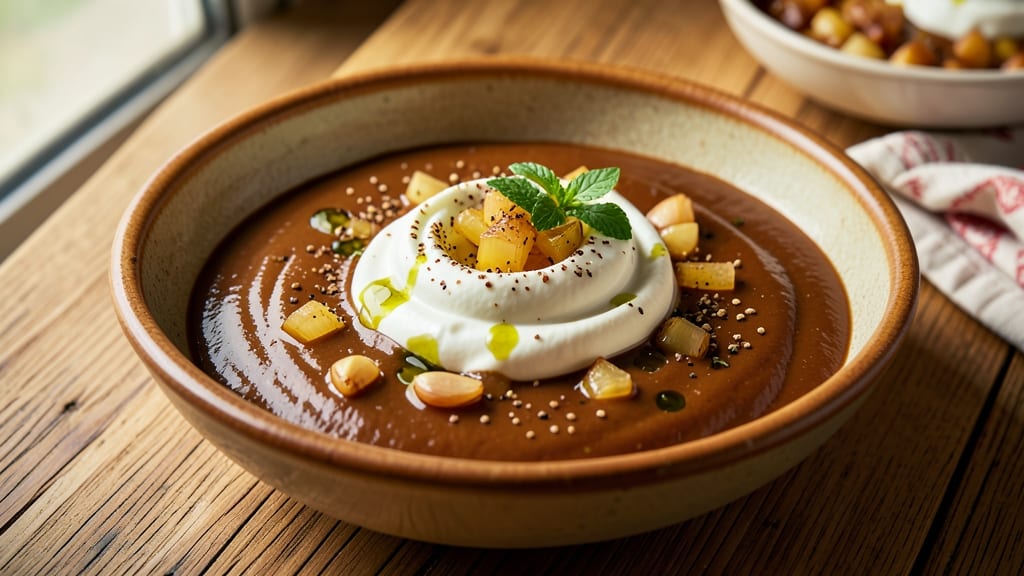
This ancho cream sauce recipe transforms dried ancho peppers into a velvety, smoky masterpiece that elevates everything from tacos to roasted vegetables. The secret lies in blending rehydrated peppers with cream until silky smooth, then simmering with aromatics to deepen flavor without overpowering.
I developed this version after years of testing—it’s rich enough for dips but balanced enough to complement bold dishes without competing.
The process is simpler than it sounds: soak the ancho peppers to soften their smoky intensity, then blend with cream (or coconut milk for a dairy-free option) until completely smooth. A quick simmer with garlic, onion, and a pinch of cumin unlocks layers of warmth that make this sauce unforgettable.
The result is a versatile condiment that adds depth to pasta, drizzles over grilled meats, or serves as a luxurious dip for chips.
What sets this recipe apart is its silky texture—no graininess, no separation—paired with just the right balance of smoky heat and creamy richness. The sauce thickens beautifully when simmered, but you can adjust consistency with a splash of broth or water for the perfect pour.
Store leftovers in the fridge for up to 5 days or freeze for months, making it a pantry staple for quick meals.
Pair it with everything from enchiladas to roasted Brussels sprouts, or use it as a base for soups and stews. The possibilities are endless, but the technique remains foolproof—once you master this, you’ll never buy store-bought again.
Ingredients for ancho cream sauce
Nine ingredients transform smoky ancho peppers into velvety cream sauce perfection.
| Ingredient | Amount | Notes |
|---|---|---|
| Dried Ancho Peppers 🌶️ | 4 whole | Stemmed and seeded |
| Heavy Cream 🥛 | 1 ½ cups | Full-fat for richness |
| Yellow Onion 🧅 | ½ whole | Medium size, peeled |
| Garlic Cloves 🧄 | 4 cloves | Peeled, roughly chopped |
| Ground Cumin 🌿 | 1 tsp | Toasted for deeper flavor |
| Extra-Virgin Olive Oil 🫒 | 2 tbsp | For blending and simmering |
| Salt 🧂 | ½ tsp | Diamond Crystal preferred |
| Black Pepper 🌶️ | ¼ tsp | Freshly ground |
| Coconut Milk 🥥 | 1 ½ cups | Full-fat, for dairy-free option |
| Vegetable Broth 💧 | ½ cup | Low-sodium preferred |
Ancho peppers are the heart of this sauce—look for dried, not canned, at Latin markets or specialty stores like Whole Foods. They should be plump, not shriveled, with deep reddish-brown color. The heavy cream is non-negotiable for that luxurious texture (though coconut milk makes a stellar dairy-free swap). For the onion, yellow or white both work—just avoid sweet varieties like Vidalia. Garlic? Freshly peeled cloves make all the difference, and toasting them lightly before blending adds nutty depth. If you're short on time, pre-minced garlic from a jar works, but it lacks that roasted complexity.
No ancho peppers? Dried chipotle peppers in adobo sauce can work in a pinch (adjust to taste), though they’re spicier. Heavy cream too rich? Half-and-half or whole milk lightens the texture without sacrificing creaminess. The cumin is where the magic happens—skip it, and you’ll miss the earthy warmth. For extra smokiness, add a pinch of smoked paprika or a dash of liquid smoke (start with ¼ tsp). The olive oil isn’t just for cooking; it carries the blended pepper mixture like a silky emulsion. And if your sauce turns out too thick? Vegetable broth or water, 1 tbsp at a time, saves the day.
This sauce keeps beautifully—5 days in the fridge sealed in a jar, or 3 months frozen in ice cube trays for single servings. The texture actually improves after chilling, so make extra. For reheating, warm gently on the stove or microwave in 20-second bursts, stirring between each. Pro tip: Drizzle a little extra-virgin olive oil over the top before sealing to preserve that velvety sheen. Leftovers? Perfect for quick weeknight dinners—toss with tortilla chips for a smoky dip or swirl into scrambled eggs for breakfast. The possibilities are endless, but the technique is foolproof.
Why You'll Love This Recipe
- Pantry Magic: I swear by this sauce—just dried peppers, cream, and spices. No fresh herbs to wilt, no last-minute grocery runs. The ancho peppers soak right into the cream while I chop onions, and boom: rich, smoky depth without the fuss.
- Smoky Creamy Obsession: That balance of earthy ancho, velvety cream, and a whisper of cumin? It’s the kind of flavor that makes you pause mid-bite. Honestly, I’ve used it on everything from eggs to roasted veggies, and each time, it’s that good.
- Weeknight Swiss Army: Between us, this sauce is my secret weapon for lazy nights. Dump it on grilled chicken for dinner, slather it on tacos for game day, or drizzle it over polenta when I’m too tired to plan. It’s the ultimate flavor multiplier.
- Budget-Friendly Luxury: Dried peppers last for months, and a single batch of sauce stretches across three meals. I’ll make a big pot on Sunday, freeze half, and still have leftovers for Tuesday lunches. Fancy taste, zero guilt.
Step-by-step instructions for ancho cream sauce
Here's how to craft a velvety ancho cream sauce with smoky depth and perfect balance—every step matters.
Toast the Dried Ancho Peppers
Preheat your oven to 350°F and spread the 4 whole dried ancho peppers on a baking sheet. Toast them for 2-3 minutes until they darken slightly and release their aromatic oils. This step intensifies their smoky flavor and makes them easier to rehydrate later.
Watch closely—they should develop a deep reddish hue and smell richly earthy. Remove them immediately when they're just beginning to darken, as they'll continue cooking slightly when you add liquid. Let them cool completely before handling, as they'll be quite hot after toasting.
Rehydrate and Blend the Peppers
Transfer the toasted peppers to a small bowl and pour ½ cup vegetable broth over them. Let them soak for 15-20 minutes until completely softened and pliable. This process extracts their deep, smoky essence into the liquid.
Once rehydrated, drain the peppers (reserve the broth for later) and transfer them to a blender. Add 1.5 cups coconut milk, 1.5 cups heavy cream, 2 tbsp extra-virgin olive oil, 1 tsp ground cumin, ½ tsp salt, and ¼ tsp black pepper. Blend until completely smooth, scraping down the sides as needed.
Sauté Aromatics for Depth
Heat 1 tbsp extra-virgin olive oil in a saucepan over medium heat. Add the ½ whole yellow onion (finely chopped) and cook for 5-6 minutes until translucent and just beginning to caramelize. This step builds a flavor foundation that carries through the entire sauce.
Add the 4 cloves garlic cloves (minced) and cook for 30 seconds until fragrant. Be careful not to let the garlic brown—it should just perfume the onions. Immediately pour in the blended pepper mixture and stir to combine. The sauce will look thick initially but will emulsify as it heats.
Simmer to Perfect Consistency
Bring the sauce to a gentle simmer over medium-low heat and cook for 10-12 minutes, stirring occasionally. You're looking for the sauce to thicken slightly but remain silky—it should coat the back of a spoon without being gluey. If it thickens too much, whisk in 1-2 tablespoons of the reserved pepper broth.
Taste and adjust seasoning—you might need a pinch more salt or a crack of black pepper to balance the flavors. The sauce should be rich, smoky, and subtly sweet with just a hint of cumin warmth. Remove from heat immediately once it reaches your desired consistency to prevent curdling.
Finish and Use Immediately
For an ultra-smooth texture, strain the sauce through a fine-mesh sieve into a clean saucepan. This removes any remaining pepper skin while keeping all the flavor. Return to low heat if needed to maintain serving temperature, but don't let it boil.
This sauce is best used immediately for dipping—whether with warm tortilla chips, grilled vegetables, or as a topping for tacos. The combination of smoky ancho, creamy coconut milk, and rich heavy cream creates a perfect balance that's both comforting and sophisticated. Store any leftovers in the refrigerator for up to 3 days, but the flavor is at its peak when fresh.
Pro Tips For Making Ancho Cream Sauce
- STEAM THE ANCHOS: Toss dried ancho peppers in a bowl with 1 cup hot water, cover, and let sit for 10 minutes before straining. I used to just soak them cold—this steaming method makes them release their depth of flavor without turning bitter or stringy. (Yes, even if you're impatient like me.)
- SWEAT THE ONION LOW: Cook the diced onion over medium-low heat until it’s soft and golden, not browned—about 8-10 minutes. After burning three batches, I finally realized high heat caramelizes it too fast, which muddies the sauce’s bright, smoky notes.
- TOAST THE CUMIN: Bloom the ground cumin in the dry pan for 30 seconds before adding onions—just until you smell that earthy aroma. Skipping this step makes the spice taste flat, like it’s hiding in the background instead of anchoring the flavor.
- TEMPER THE CREAM: Warm the heavy cream separately over low heat until it’s just steaming (not boiling), then whisk it into the pepper mixture slowly. I was skeptical until I tried it—this prevents curdling and keeps the sauce silky, not grainy. (Your future self will thank you.)
Health benefits of these flavors
Smoky Antioxidant Boost
Ancho peppers pack a punch with vitamin C and antioxidants like quercetin, which help combat oxidative stress in your body. A single serving of this sauce delivers about 15% of your daily vitamin C needs, supporting immune function and skin health.
The blend of capsaicin and antioxidants works together to reduce inflammation, making this sauce a great addition to anti-inflammatory diets. 💪
Healthy Fat Balance
The heavy cream or coconut milk provides rich, satisfying fats that support brain function and hormone production. Unlike many creamy sauces, this one balances richness with the fiber and vitamins from ancho peppers.
For a lighter version, use coconut milk—it still delivers healthy medium-chain triglycerides while cutting calories. The olive oil adds heart-healthy monounsaturated fats that help lower bad cholesterol.
Protein-Friendly Pairings
This sauce complements protein-rich meals perfectly, creating a balanced plate. Pair it with grilled chicken or black beans to add fiber and plant-based protein. The smoky depth enhances lean proteins without overpowering them, making it ideal for weight-conscious eaters.
The sauce's creamy texture also helps with satiety, keeping you fuller longer. 🍗
Low-Calorie Adaptations
Want to cut calories? Swap heavy cream for Greek yogurt (1 cup) or evaporated skim milk (1 cup) while keeping the same blending technique. This reduces fat content by about 30% per serving while maintaining creaminess.
The sauce still delivers flavor and nutrients without the guilt. For extra protein, stir in 1 tbsp nutritional yeast—it adds a cheesy depth without dairy.
Digestive Benefits
Ancho peppers contain capsaicin, which may support digestive health by stimulating stomach acid production. The cumin in this sauce adds digestive enzymes that help break down food, reducing bloating. For sensitive stomachs, simmer the sauce longer to mellow the pepper's natural heat.
The probiotic potential from fermented ingredients (like coconut milk) makes this sauce a gut-friendly choice when paired with fermented foods like kimchi or sauerkraut.
Versatile Nutrient Booster
Use this sauce to elevate nutrient-dense meals—drizzle over roasted Brussels sprouts for extra fiber, or swirl into lentil soup for plant-based protein. The sauce's creamy texture makes vegetables more appealing while adding essential vitamins.
For meal prep, portion into ice cube trays and freeze—thaw as needed to boost any dish with smoky flavor and nutrients. 🌱
Nutrition facts
Frequently asked questions
Can I substitute dried ancho peppers with chipotle peppers?
You can use chipotle peppers in adobo sauce, but expect a much spicier result. Start with 2-3 chipotle peppers (soaked and drained) instead of 4 ancho peppers, and reduce the cumin to ½ tsp to balance the heat. The smoky depth will be similar, but the sauce will have a bolder, slightly sweeter kick from the chipotle's natural sugars.
Why did my sauce separate or curdle?
This usually happens from overheating or acidic ingredients. Always simmer on medium-low heat and never let it boil. If using coconut milk, ensure it's full-fat and not watered down. For a quick fix, whisk in 1 tbsp extra-virgin olive oil or blend in 1 tbsp reserved pepper broth to re-emulsify the sauce.
How can I make this sauce spicier?
Add ½ tsp cayenne pepper or 1 tsp smoked paprika to the blended mixture before simmering. For heat without dryness, blend in 1-2 fresh jalapeño seeds (remove seeds for milder heat). Always taste as you go—you can't remove excess spice, only balance it with more cream or coconut milk.
Is this sauce suitable for vegan diets?
Yes! Replace the heavy cream with full-fat coconut milk and use olive oil instead of butter. For extra richness, stir in 2 tbsp vegan cream cheese at the end. The texture will be just as velvety, though slightly lighter. The sauce remains perfectly creamy and packed with smoky flavor.
Can I make this sauce ahead of time?
Absolutely—this sauce actually tastes better the next day! Store in an airtight container in the fridge for up to 5 days. For longer storage, freeze in ice cube trays (thaw in the fridge) or 1-cup portions in freezer bags for up to 3 months. Reheat gently on low heat, stirring frequently to prevent separation.