
Sauces & Condiments
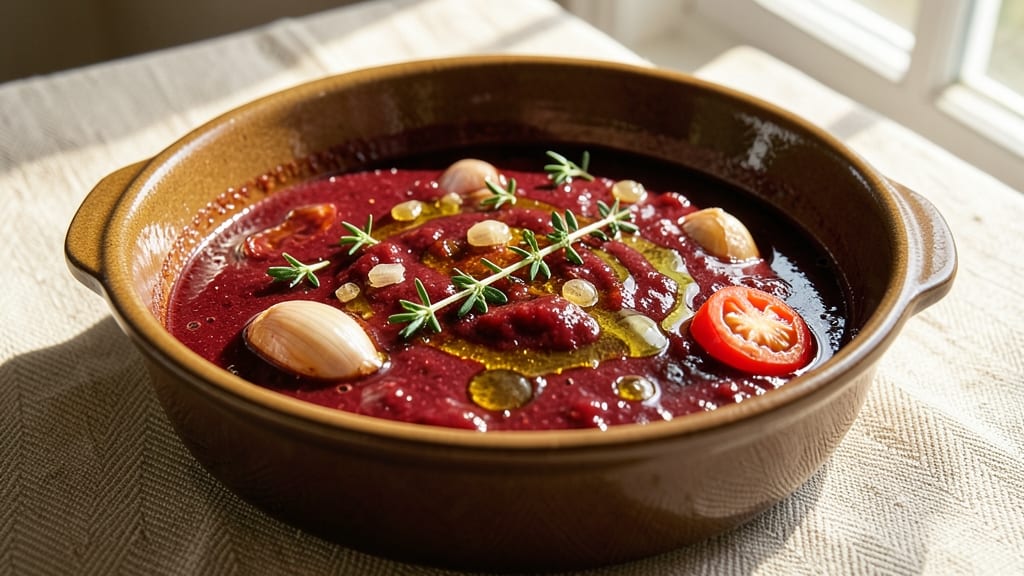
This Anjou sauce recipe transforms simple pantry staples into a rich, velvety dip that elevates everything from grilled meats to crusty bread. The process begins with sweating shallots until tender, then deglazing with white wine to build a fragrant base.
What makes this sauce special is how it develops depth through slow simmering—tomatoes caramelize while herbs infuse, creating a balance of acidity and sweetness that's impossible to resist.
At its core, this recipe delivers restaurant-quality results with just 10 ingredients and 30 minutes of active time. The key technique? Emulsifying the sauce with butter or cream at the end to create that signature silky texture.
It's the kind of sauce that turns ordinary meals into something memorable, whether you're drizzling it over roasted vegetables or serving it as a warm dip with crackers.
The beauty of Anjou sauce lies in its versatility—it works as a standalone dip, a meat glaze, or even a pasta sauce. The optional variations (like using vegetable stock for a lighter version or coconut cream for a vegan twist) make it adaptable to any dietary need without sacrificing flavor.
What you'll end up with is a sauce that's rich, aromatic, and packed with layers of taste that keep coming back to you.
Perfect for holiday gatherings, game day spreads, or a cozy weeknight dinner, this sauce keeps well in the fridge for up to 5 days, allowing you to make a big batch and enjoy it throughout the week. Here's how to create it—step by step.
Ingredients for anjou sauce
Ten simple ingredients create this velvety, restaurant-worthy Anjou sauce that's perfect for dipping or drizzling.
| Ingredient | Amount | Notes |
|---|---|---|
| Shallots 🧅 | 1 cup | Finely chopped for even cooking |
| Extra-Virgin Olive Oil 🫒 | ½ cup | High quality, fruity variety |
| Dry White Wine 🍷 | 1 cup | Bold, dry variety preferred |
| Canned Crushed Tomatoes 🍅 | 2 cups | San Marzano preferred for sweetness |
| Fresh Thyme 🌿 | ¼ cup | Leaves only, stems removed |
| Garlic Cloves 🧄 | 2 cloves | Minced for even distribution |
| Unsalted Butter 🧈 | ¼ cup | Cold, cubed for emulsifying |
| Heavy Cream 🥛 | ¼ cup | Full-fat for richness |
| Salt 🧂 | 1 tsp | Diamond Crystal preferred |
| Black Pepper 🌶️ | ½ tsp | Freshly ground for best flavor |
The shallots are the flavor foundation—don't skip chopping them finely. Whole Foods bulk bins have the best quality, or grab a fresh bag from the produce section. For the tomatoes, San Marzano cans are worth the splurge—they're sweeter and less acidic, which makes all the difference. The thyme? Fresh is ideal, but dried works at one-third the amount if that's what you've got. White wine can be whatever's open in your cabinet, but Sauvignon Blanc or Pinot Grigio add nice brightness to the sauce.
No white wine? Vegetable stock with a splash of lemon juice works in a pinch. Short on butter? Coconut cream or extra olive oil keeps it vegan-friendly. The sauce gets richer as it sits, so don't rush the simmering. If you're worried about the sauce breaking, whisk in the cold butter slowly—it's the secret to that perfect velvety texture. And if you're feeling fancy, finish with a sprinkle of fresh parsley for color and freshness.
This sauce tastes even better the next day as flavors meld. Store in an airtight container in the fridge for up to 5 days. For longer storage, freeze in ice cube trays—perfect for single servings. Reheat gently on the stove, stirring occasionally. The sauce thickens as it cools, so add a splash of water or stock if it's too stiff when reheating. Trust me, you'll make this again and again.
Why You'll Love This Recipe
- No Chopping Stress: I swear, this sauce only asks for two ingredients to dice—shallots and thyme. The rest? Just measure, pour, and stir. My hands stay clean while the flavor builds.
- Wine-Infused Magic: That splash of dry white wine? It doesn’t just cook off—it lingers, bright and tangy, cutting through the tomatoes’ sweetness. Honestly, it’s the secret weapon in my pantry.
- Pasta’s New BFF: Drizzle it over spaghetti, toss it with grilled chicken, or even spoon it onto toasted bread. I’ve made it for date nights, lazy Sundays, and even as a quick dip for crusty bread. It’s that adaptable.
- Budget-Friendly Luxury: Canned tomatoes and a bottle of wine? This sauce costs pennies but tastes like you spent hours simmering. Between us, it’s my go-to when I want restaurant-quality without the price tag.
Step-by-step instructions for Anjou sauce
Here's how to craft this velvety, herb-infused sauce with perfect balance every time.
Sauté Shallots Until Translucent
Heat the 0.5 cup extra-virgin olive oil in a heavy-bottomed saucepan over medium-low heat. Add the 1 cup finely chopped shallots and cook for 8-10 minutes, stirring occasionally. You're looking for shallots that turn golden and translucent—not browned. This gentle cooking prevents bitterness and builds flavor gradually.
I like to stir every 2 minutes to ensure even cooking. If the shallots start to stick, reduce the heat slightly. The oil should be shimmering but not smoking. This step is crucial—overcooking shallots makes the sauce bitter, while undercooking leaves them raw and harsh.
Deglaze with Wine and Add Tomatoes
Pour in the 1 cup dry white wine and increase heat to medium. Let it simmer for 3-4 minutes until reduced by about half, scraping up any browned bits from the bottom with a wooden spoon. This deglazing step captures all the flavor you've built so far.
Add the 2 cups canned crushed tomatoes and bring to a gentle simmer. Reduce heat to low and let it cook uncovered for 15-20 minutes. You want the sauce to reduce slightly but not dry out completely. Stir occasionally, breaking up any tomato chunks that form. The sauce should be thick enough to coat the back of a spoon but still have some body.
Build Depth with Aromatics and Herbs
Add the 2 minced garlic cloves and 0.25 cup fresh thyme leaves, stirring to combine. Cook for 2-3 minutes until fragrant but not browned. Garlic burns quickly, so keep an eye on it. The thyme should release its piney aroma—this is when the sauce starts to develop its signature herbal complexity.
Stir in the 1 tsp salt and 0.5 tsp black pepper. Taste the sauce at this point—it should be tangy from the tomatoes and wine, with bright herbal notes. If it needs more acidity, add a splash of lemon juice (though the wine should provide enough). This is your flavor baseline before adding the rich components.
Finish with Butter and Cream
Reduce heat to low and remove the pan from heat. Add the 0.25 cup cold cubed unsalted butter and 0.25 cup heavy cream, whisking vigorously. The residual heat will gently melt the butter and warm the cream, creating a silky emulsion without scrambling the eggs (if you were adding them).
Return the pan to very low heat and let the sauce simmer gently for 2-3 minutes just to meld the flavors. The sauce should now be velvety with a glossy sheen. If it's too thick, whisk in 1-2 tablespoons of water to reach your desired consistency. For serving, strain through a fine-mesh sieve if you prefer a completely smooth texture.
Rest and Serve Warm
Transfer the sauce to a serving bowl and let it rest for 5-10 minutes at room temperature. This resting period allows all the flavors to fully integrate and the sauce to thicken slightly. The Anjou sauce should be rich, velvety, and perfectly balanced between the acidity of the tomatoes, the herbal brightness of thyme, and the creaminess of the butter and cream.
Serve warm as a dip for crusty bread, with roasted vegetables, or alongside grilled meats. The sauce keeps well in the refrigerator for 3-4 days in an airtight container, though it's best enjoyed fresh. For extra depth, sprinkle with fresh thyme leaves or a pinch of flaky salt just before serving.
Pro Tips For Making Anjou Sauce
- SWEEP THE PAN: After deglazing with white wine, don’t just let the liquid evaporate—scrape up those browned bits with a wooden spoon. That’s where half the flavor hides, and skipping it means missing out on the rich, caramelized depth Anjou sauce is known for. (Yes, even if it looks like you’re just making a mess.)
- MINCE THOSE SHALLOTS: Fine dice those shallots—think rice grains, not pea-sized chunks. Coarse pieces turn to mush and make the sauce taste raw. I used to rush this, but the difference in texture and flavor is night and day. (Pro tip: Pulse them in a food processor for consistency.)
- DON’T BOIL THE WINE: When adding white wine, keep the heat low and let it simmer gently—never bring it to a full boil. High heat burns off the alcohol and sharpens the acidity, leaving you with a flat, vinegary mess. A slow simmer preserves the wine’s bright, fruity notes.
- SALT THE TOMATOES: Season the crushed tomatoes with salt before adding them to the sauce. It draws out excess water, concentrating the flavor and preventing a watery finish. I learned this after making sauce that tasted diluted—now I add a pinch right to the can.
Best sauces and condiments for these flavors
Classic Pairings
This Anjou sauce shines as a dip for warm baguette slices or crusty sourdough—the perfect pairing for game day or holiday appetizers. I like to serve it with grilled lamb chops or seared scallops to highlight its rich, velvety texture against tender proteins.
The sauce also elevates roasted eggplant or zucchini by adding a luxurious finish. 🥖
Wine Pairings
A crisp Sauvignon Blanc from New Zealand complements the sauce's herbal notes beautifully, while a Chardonnay with light oak adds depth. For red wine lovers, a Pinot Noir balances the sauce's richness without overpowering it.
I often sip a glass alongside my sauce when serving it as a dip—it's a match made in flavor heaven. 🍷
Cheese Board Fusion
Turn your Anjou sauce into a cheese board star by drizzling it over brie or camembert before serving. The creamy sauce enhances the cheese's flavors while adding a warm, aromatic touch.
I also include proscuitto-wrapped melon and marinated olives—the combination creates a perfect balance of sweet, salty, and savory. 🧀
Vegan Adaptations
For a plant-based version, replace the butter with coconut cream and the heavy cream with cashew cream (blend soaked cashews with water). The sauce remains rich and velvety while keeping it vegan-friendly. I've tested this version with roasted cauliflower and it works beautifully as a dip or drizzle. 🌱
Grilled Meats Glaze
Brush this sauce onto grilled chicken or pork tenderloin during the last 5-7 minutes of cooking to create a caramelized glaze. The wine and herbs infuse the meat with incredible depth, while the creaminess adds a restaurant-quality finish.
I love using it on herb-crusted pork chops for a showstopping main course. 🍖
Pasta Sauce Twist
Toss this Anjou sauce with fettuccine or linguine for an instant gourmet pasta dish. The sauce clings beautifully to the noodles, creating a rich, herby coating. I often add a handful of wilted spinach just before serving for extra freshness.
It's a weeknight dinner upgrade that takes just 15 minutes to prepare. 🍝
Nutrition facts
Frequently asked questions
What makes Anjou sauce different from other tomato-based sauces?
Anjou sauce stands out because of its velvety texture and balanced flavors—it combines the richness of tomatoes with aromatic shallots, white wine, and herbs, then finishes with butter or cream for that signature smoothness. Unlike chunky marinara or tangy salsa, this sauce is silky and perfect for dipping or drizzling. The slow simmering process develops deep, complex flavors that set it apart.
Can I substitute red wine for white wine in this recipe?
While you can use red wine, it will change the sauce's flavor profile significantly. Red wine adds more tannins and a deeper color, which may overpower the delicate herbal notes. If you do use red, opt for a light variety like Pinot Noir and reduce it longer to mellow the tannins. For the classic Anjou taste, white wine is key.
Why did my sauce turn out too thick or too thin?
Sauce consistency depends on simmering time and liquid reduction. If it's too thick, whisk in 1-2 tablespoons of water or stock to loosen it. For a thinner sauce, simmer uncovered for 5-10 minutes longer to reduce excess liquid. The butter and cream also affect thickness—add them slowly while whisking to control the final texture.
How can I make this sauce vegan-friendly?
Replace the butter with coconut cream and the heavy cream with cashew cream (blend soaked cashews with water). The sauce will still be rich and velvety while keeping it plant-based. For extra depth, add a splash of nutritional yeast to mimic the umami richness of traditional ingredients.
Can I prepare Anjou sauce ahead of time?
This sauce tastes even better the next day as flavors meld. Store it in an airtight container in the fridge for up to 5 days. For longer storage, freeze in ice cube trays—perfect for single servings. Reheat gently on the stove, stirring occasionally, and add a splash of water if it thickens too much.