
Sauces & Condiments
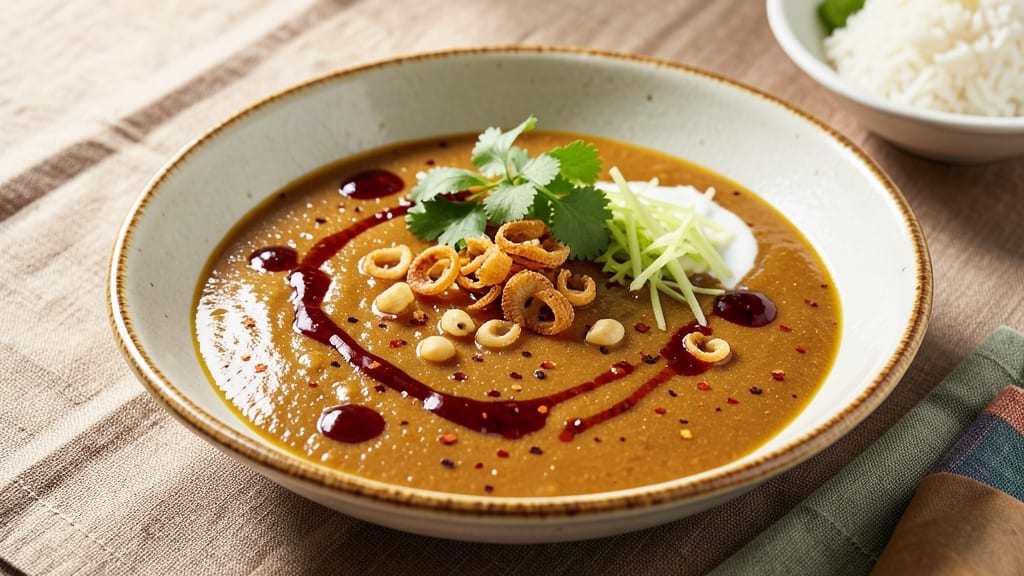
This Annie Chun's Pad Thai sauce recipe delivers that signature sweet-sour balance in minutes, transforming takeout cravings into homemade perfection. The secret lies in tamarind paste for tangy depth, brown sugar for caramelized richness, and a touch of vinegar to brighten every stir-fry.
I've perfected this vegetarian-friendly version using soy sauce and a simple fish sauce substitute that maintains the authentic umami without compromising flavor.
The sauce comes together in just 15 minutes with pantry staples, yet delivers restaurant-quality results. The key is simmering the ingredients until thickened—this creates that signature glossy sheen and concentrated flavor.
Unlike store-bought versions, this recipe avoids artificial additives, giving you control over sweetness, saltiness, and tang to match your preference.
What makes this sauce truly special is its versatility. Use it as a stir-fry sauce for tofu, chicken, or shrimp, or drizzle it over noodles, spring rolls, or even grilled meats. The sauce keeps well in the refrigerator for up to 2 weeks, making it perfect for meal prep.
Each batch delivers that perfect harmony of sweet, sour, and savory that defines Pad Thai.
For an extra boost, add a splash of lime juice before serving to enhance the brightness. This recipe is your gateway to homemade Pad Thai nights without the takeout markup. Let's get started on creating sauce that tastes like a trip to your favorite Asian bistro.
Ingredients for annie chun's pad thai sauce
Nine pantry staples transform into that iconic Pad Thai sauce with perfect sweet-sour harmony.
| Ingredient | Amount | Notes |
|---|---|---|
| Tamarind Paste 🍋 | ½ cup | Use unsweetened for authentic tang |
| Light Brown Sugar 🍚 | ½ cup | Packed firmly for accurate measure |
| Vegetarian Fish Sauce Substitute 🍶 | ¼ cup | Soy sauce + mushroom sauce blend |
| Rice Vinegar 🍶 | ¼ cup | White or seasoned variety |
| Soy Sauce 🍶 | ¼ cup | Light or regular, not low-sodium |
| Garlic Cloves 🧄 | 6 cloves | Minced finely for depth |
| Fresh Ginger 🌿 | 1 tbsp | Grated, not powdered |
| Sesame Oil 🫒 | 1 tbsp | Toasted for nutty aroma |
| Vegetable Oil 🫒 | 1 tbsp | For simmering base |
| Water 💧 | ½ cup | For thinning consistency |
Tamarind paste is the heart of this sauce—look for blocks or unsweetened paste at Asian markets (the powdered kind lacks depth). If you can't find it, substitute lime juice + a pinch of salt, though it won't be identical. Brown sugar should be packed firmly for accurate measuring—lightly tap the cup to settle it. For the fish sauce substitute, mix equal parts soy sauce and mushroom sauce (like Lee Kum Kee)—this mimics the umami without anchovies. Fresh ginger and garlic are non-negotiable here; buy them at the peak of freshness (bright, firm ginger with no wrinkles, cloves that smell pungent).
No tamarind? Double the rice vinegar and add 1 tsp of sugar to compensate. Running low on sesame oil? Toast regular sesame seeds in a dry pan until golden, then grind them—it's not the same but adds a nice crunch. The sauce can be made slightly thicker or thinner with water; start with less and adjust as you simmer. For extra brightness, add 1 tsp of lime zest to the finished sauce. And if you're using this for tofu or veggies, add 1 tsp of cornstarch to the sauce to help it cling better.
This sauce keeps beautifully in the fridge for 2 weeks—store it in a sealed glass jar with a tight lid. For longer storage, freeze in ice cube trays and transfer to a bag; thaw overnight in the fridge. The flavor actually improves after the first day as the ingredients meld. If you make a big batch, portion it into small containers for easy use in stir-fries or as a dipping sauce. Always give it a quick stir before using, as the ingredients may settle.
Why You'll Love This Recipe
- Five-Ingredient Magic: I swear by this sauce because it’s all about balance—the tangy punch of tamarind, the caramelized depth of brown sugar, and that umami kick from the veggie fish sauce. No weird pantry deep-dives here; just five things that work every time.
- No-Burn Nightmare Avoided: Between us, I’ve scorched enough pad thai sauce on the stove. This recipe? Simmer it low and slow—no hovering, no stress—and the flavors meld without a single charred note. The rice vinegar even adds a bright finish that cuts through any bitterness.
- Leftovers That Lie: I make a double batch on Sundays, and by Wednesday, my fridge is empty. The sauce keeps for weeks in the fridge, and it’s just as good on day 10—perfect for tossing with noodles, drizzling over tofu, or even mixing into a quick stir-fry. (Yes, even on a Tuesday night.)
- Budget-Friendly Umami Bomb: Honestly, the veggie fish sauce substitute is a game-changer for my wallet—no need to break the bank for authentic flavors. A little goes a long way, and the brown sugar adds richness without costing a fortune. This is the kind of sauce that makes takeout feel like a splurge.
Step-by-step instructions for Annie Chun's Pad Thai sauce
This sauce captures the restaurant-quality balance of sweet, sour, and umami in just 20 minutes.
Bloom the Aromatics in Oil
Heat the 1 tablespoon vegetable oil in a medium saucepan over medium heat until shimmering but not smoking. Add the 6 cloves minced garlic and 1 tablespoon freshly grated ginger, stirring constantly for 30-45 seconds until fragrant but not browned. This step builds the flavor foundation—don't skip it or your sauce will taste flat.
Watch the aromatics carefully. They should sizzle gently and release their oils within 30 seconds. If they darken too quickly, reduce the heat to medium-low immediately. The goal is aromatic intensity without bitterness. Here's the thing—freshly minced garlic burns faster than pre-minced, so keep your knife sharp and work quickly.
Combine Wet Ingredients
Reduce heat to low and add the 0.5 cup tamarind paste, stirring constantly to dissolve completely. This thick paste contains tiny seeds that can settle—keep whisking until smooth. Then add the 0.5 cup packed light brown sugar and 0.25 cup vegetarian fish sauce substitute, stirring vigorously to incorporate.
The mixture will look thick and syrupy at this stage. That's normal—the tamarind paste and sugar create a concentrated base. Let it simmer gently for 3-4 minutes until the sugar begins to caramelize slightly along the edges of the pan. You'll notice the aroma deepen as the flavors meld together.
Add Acid and Simmer to Balance
Pour in the 0.25 cup rice vinegar and 0.25 cup soy sauce, stirring continuously. The sauce will bubble vigorously—this is where the magic happens. Let it simmer for 5-7 minutes until reduced by about one-third, stirring occasionally to prevent sticking. The sauce should coat the back of a spoon but still be pourable.
Taste at this stage. You should detect all four essential flavors: sweet from the brown sugar, tart from the tamarind and vinegar, salty from the fish sauce and soy sauce, and umami from the aromatics. If it needs more balance, add 1 teaspoon more fish sauce substitute for saltiness or 1 teaspoon more rice vinegar for acidity.
Finish with Water and Sesame Oil
Remove the sauce from heat and stir in the 0.5 cup water until smooth. The sauce should be glossy and coat the spoon lightly. Return to low heat for just 1 minute to warm through completely. Then remove from heat and stir in the 1 tablespoon sesame oil—this adds nutty depth and prevents the sauce from becoming too thick as it cools.
Let the sauce rest for 5 minutes before using. This resting period allows the flavors to fully integrate. The sauce should be thick enough to cling to noodles but still pourable. If it thickens too much after resting, whisk in 1-2 tablespoons water to reach your desired consistency.
Adjust and Use Immediately
Taste the sauce one final time and make any adjustments. For more sweetness, add 1 teaspoon brown sugar. For more tang, add ½ teaspoon rice vinegar. The sauce should be balanced with all flavors present but none overpowering. Use immediately over your pad thai noodles or store in an airtight container in the refrigerator for up to 5 days.
This sauce works best when used fresh, but the flavor actually improves after a night in the fridge. The tamarind paste continues to develop its tangy character, and the other flavors meld even more beautifully. When reheating, warm gently over low heat and add a splash of water if it thickens too much.
Pro Tips For Making Annie Chun'S Pad Thai Sauce
- DILUTE THE TAMARIND FIRST: I learned this the hard way—dumping clumpy tamarind paste straight into hot sauce makes it impossible to dissolve. Mix it with ¼ cup warm water first, stir until smooth, then add to the pan. The sauce will thank you with no grainy surprises.
- USE A BALANCE SCALE FOR SUGAR: Light brown sugar packs differently than white, and this recipe’s depth depends on precise amounts. If you’re eyeballing, you’ll end up with either a cloyingly sweet or undercaramelized sauce. A quick kitchen scale (or even a digital one) guarantees consistency—no guesswork.
- LOW AND SLOW FOR CARAMEL: After adding the sugar, resist the urge to blast the heat. Medium-low is where the magic happens—let it bubble gently for 5-7 minutes, stirring often. Rushing it burns the sugar and turns the sauce bitter, which is the last thing you want in a Pad Thai sauce.
- SALT THE VEGAN FISH SAUCE: Most vegetarian substitutes are milder than the real deal. Taste your chosen brand before adding—if it’s bland, sprinkle in ¼ teaspoon of salt per tablespoon of sauce. This small tweak bridges the gap between store-bought and authentic umami depth.
Flavor customization for this annie chun's pad thai sauce
Sweetness Control
Adjust the brown sugar to match your sweet tooth—start with ½ cup but reduce to ¼ cup for a more authentic Thai balance. If using coconut sugar, add 1 teaspoon extra since it's less refined.
For a diabetic-friendly version, replace 2 tablespoons of brown sugar with 2 tablespoons erythritol or monk fruit sweetener. 🍯
Tangy Variations
Boost the tang with 1 extra tablespoon tamarind paste or swap ¼ cup lime juice for rice vinegar. For a fruity twist, add 1 tablespoon mango puree to the finished sauce.
If tamarind is unavailable, use ¼ cup lemon juice + 1 teaspoon sugar, though the flavor won't be identical.
Spicy Kick Options
Add heat with ½ teaspoon chili flakes or 1 teaspoon sambal oelek during the final simmer. For a smoky depth, stir in ½ teaspoon smoked paprika with the sesame oil. For extra spice, blend 1 small Thai chili with the garlic before cooking.
Umami Enhancers
Deepens flavor with 1 teaspoon soy sauce or ½ teaspoon mushroom powder in the fish sauce substitute. For a meaty note, add 1 teaspoon miso paste with the aromatics. A splash of 1 teaspoon fish sauce (if not vegetarian) adds incredible depth.
Herbaceous Finishes
Brighten with 1 tablespoon chopped cilantro or 1 teaspoon Thai basil just before serving. Add ½ teaspoon lime zest for a citrusy aroma. For a fresh finish, stir in 1 tablespoon chopped mint—it pairs beautifully with the sweet-sour profile.
Thickness Adjustments
For a thicker sauce, simmer uncovered for 2 extra minutes to reduce further. To thin, whisk in 1-2 tablespoons water at room temperature. For a glossy finish, add ½ teaspoon cornstarch mixed with 1 teaspoon water during the final minute of simmering.
Nutrition facts
Frequently asked questions
Can I make this sauce without tamarind paste?
Yes, but the flavor will differ slightly. For a quick substitute, mix ¼ cup lime juice with 1 teaspoon sugar to mimic the tang. For a closer match, use ¼ cup lemon juice + ½ teaspoon sugar. The sauce will be more citrus-forward than the traditional tamarind depth, but still delicious.
How do I adjust the sweetness level?
Start with the full ½ cup brown sugar, then taste as you go. For less sweetness, reduce to ¼ cup or swap 2 tablespoons for a sugar substitute like monk fruit. If using coconut sugar, add an extra 1 teaspoon since it's less refined. Always adjust gradually to avoid overpowering the other flavors.
Can I use this sauce for dishes other than Pad Thai?
This versatile sauce works beautifully with stir-fried tofu, chicken, or shrimp. Drizzle it over spring rolls, rice bowls, or even grilled meats. For extra cling, add ½ teaspoon cornstarch mixed with 1 teaspoon water during the final simmer. The sauce also makes a fantastic dipping sauce for dumplings.
Why did my sauce turn out too thick?
This usually happens if you simmered it too long or didn't add enough water. Thin with 1-2 tablespoons water at room temperature. For a glossy finish, whisk in ½ teaspoon cornstarch mixed with 1 teaspoon water during the final minute of simmering. The sauce should coat the back of a spoon but still be pourable when cool.
How long does this sauce keep in the fridge?
The sauce stays fresh for up to 2 weeks in an airtight container. For longer storage, freeze in ice cube trays, then transfer to a bag. Thaw overnight in the fridge before using. The flavor actually improves after the first day as the ingredients meld together. Always give it a quick stir before using, as ingredients may settle.