
Sauces & Condiments
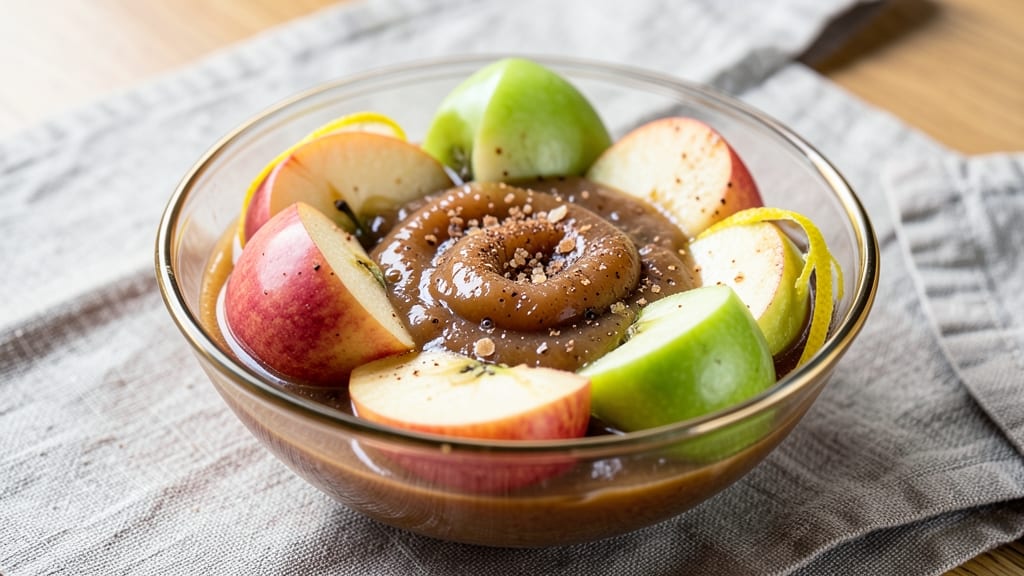
This apple sauce recipe with brown sugar transforms simple apples into a velvety, spiced condiment that’s perfect for everything from toast to roasted pork.
The brown sugar adds depth, while cinnamon and a touch of lemon brighten the sweetness—creating a sauce that’s cozy, versatile, and ready in just 15 minutes. No peeling required, and no fancy equipment needed, just a pot and a little patience for the flavors to meld.
The secret lies in simmering the apples until they break down naturally, then mashing them to a smooth, spreadable consistency. A splash of lemon juice keeps the color vibrant, and a pinch of salt balances the sweetness.
This isn’t just apple butter—it’s a warm, aromatic sauce that elevates dishes with its rich, caramelized notes. The brown sugar caramelizes gently, adding complexity without overpowering the apple’s natural flavor.
What you’ll end up with is a smooth, fragrant sauce that’s ideal for drizzling over pancakes, pairing with cheese boards, or serving alongside holiday meals. The spices infuse deeply as it cools, making it even more aromatic the next day.
It’s the kind of homemade condiment that makes store-bought versions feel lackluster—simple to make, but impossible to resist.
For extra warmth, add a dash of nutmeg or cardamom. Or, if you prefer a chunkier texture, leave some apple pieces intact. The possibilities are endless, but the base recipe is foolproof—just apples, brown sugar, and a few pantry staples. Let’s make it.
Ingredients for apple sauce recipe brown sugar
Just eight ingredients transform tart apples into velvety, caramelized harmony perfect for toast or holiday feasts.
| Ingredient | Amount | Notes |
|---|---|---|
| Apples (mixed variety, e.g., Honeycrisp, Gala, Granny Smith) 🍎 | 4 lb | Cored and quartered, skins on |
| Light Brown Sugar 🍚 | 1 ½ cups | Packed firmly, not loosely |
| Fresh Lemon Juice 🍋 | ¼ cup | From 1-2 lemons, freshly squeezed |
| Ground Cinnamon 🌿 | 1 ½ tsp | Freshly ground preferred |
| Fine Sea Salt 🧂 | ½ tsp | Diamond Crystal preferred |
| Ground Nutmeg 🌿 | ¼ tsp | Freshly grated for warmth |
| Cold Water 💧 | ¼ cup | For thinning if needed |
| Extra-Virgin Olive Oil 🫒 | 1 tbsp | For glossy finish (optional) |
The apples drive this recipe—mixed varieties (sweet, tart, and neutral) create depth. Local farmers markets often have perfect apples for sauce, but grocery store Honeycrisp or Gala work beautifully. Avoid overly mealy apples like Red Delicious. For best flavor, use apples at peak ripeness—just firm enough to hold shape but yielding slightly when pressed. Organic apples reduce bitterness from skins, but conventional apples work fine if washed thoroughly. The key is balancing sweet and tart varieties: one tart apple (Granny Smith) per two sweeter apples (Honeycrisp or Gala) ensures perfect sweet-tart harmony.
No brown sugar? Substitute light muscovado sugar for deeper molasses notes, or swap with equal parts white sugar plus 1 tsp molasses. Fresh lemon juice can be replaced with bottled (though fresh brightens color better), and if you're missing nutmeg, cardamom at half the amount adds exotic warmth. For a smoother sauce, blend briefly after cooking—though purists insist on hand-mashing for texture. The olive oil at the end isn't just for shine; it adds subtle fruitiness that balances the caramelized sweetness. Trader Joe's often carries excellent organic apples and spices at reasonable prices, while Whole Foods bulk bins offer high-quality brown sugar and spices.
This sauce thickens as it cools, so add cold water gradually if you prefer a pourable consistency. For best results, let it sit at room temperature for 10 minutes after cooking—this allows flavors to meld completely. Store in a sterilized glass jar in the fridge for up to 2 weeks, or freeze for 6 months. The flavor actually improves with time, developing deeper caramel notes. For portion control, freeze in ice cube trays—perfect for single-serving applications. The sauce reheats beautifully; just warm gently on the stove with a splash of water to restore smoothness if needed.
Why You'll Love This Recipe
- No-Peel Hassle: I toss in whatever apples I have—peels and all—because the texture’s perfect with that slight bite. Honestly, the only prep is peeling the lemon, and even that’s optional if you’re in a rush.
- Sweet-Spiced Magic: That brown sugar caramelizes into the apples, giving it this deep, buttery richness that tastes like autumn in a jar. A splash of lemon brightens it up so it’s never cloying—just pure, crave-worthy comfort.
- Pantry Staple Power: Between us, this uses stuff you already own: cinnamon, sugar, salt. No fancy ingredients, no last-minute grocery runs. It’s the kind of recipe that turns a boring weeknight into something special without extra effort.
- Make-Ahead Miracle: I double the batch every time because it keeps for weeks in the fridge. Spread it on toast, stir it into oatmeal, or drizzle it over yogurt—it’s my go-to for lazy mornings or last-minute dessert fixes. Zero waste, all flavor.
Step-by-step instructions for perfect brown sugar apple sauce
Here's the method for creating a velvety, spiced apple sauce with caramelized depth.
Prepare and Cook the Apples
In a large, heavy-bottomed pot, combine the 4 lb apples (cored and quartered, skins on) with the 1.5 cups light brown sugar (packed firmly). The sugar will begin dissolving immediately as the apples release their juices. Add the 0.25 cup fresh lemon juice and 0.5 tsp fine sea salt, stirring gently to distribute evenly.
Place the pot over medium heat and cook uncovered, stirring occasionally with a wooden spoon. After 5-7 minutes, the apples will begin to soften and release their juices. You'll notice a fragrant aroma developing—this is when the natural sugars start caramelizing. For best results, avoid stirring too frequently to allow the sugar to develop a subtle golden hue along the bottom of the pot.
Simmer Until Tender
Continue cooking for 10-12 minutes until the apples break down into a thick, chunky consistency. You'll know they're ready when a fork slides through easily with minimal resistance. The sauce should coat the back of a spoon but still maintain some texture—this is the perfect balance between smooth and rustic.
If the mixture becomes too thick before the apples are fully tender, add the 0.25 cup cold water in small increments, stirring well after each addition. The goal is a sauce that's thick enough to coat the back of a spoon but still spreadable. This step ensures you won't end up with a gluey consistency that's difficult to serve.
Add Spices and Finish Cooking
Once the apples are tender, reduce the heat to low and stir in the 1.5 tsp ground cinnamon and 0.25 tsp ground nutmeg. These spices will infuse the sauce with warm, aromatic depth. Let the mixture simmer for an additional 3-5 minutes, allowing the flavors to meld together. You should detect a rich, spiced aroma that fills your kitchen—this is the moment the sauce transforms from good to exceptional.
For an optional glossy finish, stir in the 1 tbsp extra-virgin olive oil during the last minute of cooking. This adds a subtle richness and helps the sauce cling to applesauce spoons or pancakes. The oil also enhances the texture, giving it a luxurious mouthfeel that balances the sweetness and spice.
Cool and Serve
Remove the pot from heat and let the apple sauce cool for 5 minutes before transferring it to a serving bowl. This brief resting period allows the flavors to settle and the sauce to thicken slightly as it cools. The texture should be smooth yet still retain some bite from the apple pieces.
Serve warm or at room temperature. The sauce pairs beautifully with roasted meats, as a topping for oatmeal, or as a spread for toast. For best results, store any leftovers in an airtight container in the refrigerator for up to 5 days, or freeze for up to 3 months. When reheating, do so gently over low heat to preserve the delicate spice flavors and prevent the sauce from becoming watery.
Pro Tips For Making Apple Sauce Recipe Brown Sugar
- PEEL AND CORE LIKE A PRO: I learned this the hard way—skinning apples with a paring knife is slow and messy. Use a sharp vegetable peeler to strip the skin in one smooth motion, then cut into wedges and core them with a sturdy spoon. (Yes, it’s faster, and no, your hands won’t look like a crime scene.)
- STIR THE POT: Brown sugar burns faster than you think, especially when it’s clumping. After the apples soften, keep the pot on low heat and stir every 30 seconds until the sugar dissolves completely. (I’ve turned this into caramel more times than I’d like to admit.)
- LEMON JUICE LAST: Add the lemon juice after the sauce has thickened and cooled slightly—otherwise, it’ll curdle the pectin and make your sauce watery. Just a splash (1-2 teaspoons) brightens the flavor without wrecking the texture. (Your future self will notice the difference.)
- SALT THE APPLES FIRST: Toss the sliced apples with a pinch of salt before cooking—it draws out moisture and keeps the sauce from turning mushy. I skip this, and the result is always just slightly sad. (Not a dealbreaker, but why settle?)
Best sauces and condiments for this apple sauce recipe brown sugar
Sweet-Tart Balance
This apple sauce thrives on the interplay between sweet and tart flavors. The light brown sugar caramelizes beautifully, creating a rich depth that complements the apples' natural tartness. For extra brightness, I always add fresh lemon juice—it prevents the sauce from tasting overly sweet while keeping the color vibrant.
If you prefer a more pronounced tartness, add an extra 1 tablespoon of lemon juice or a pinch of cream of tartar during cooking. 🍋
Spice Variations
While cinnamon and nutmeg are classic, don’t be afraid to experiment! Swap in 1 teaspoon of cardamom for an exotic twist or add ½ teaspoon of ginger for warmth. For a cozy fall vibe, try ½ teaspoon of cloves—just be mindful, as they can overpower if used too liberally.
I’ve also found that a pinch of black pepper adds an unexpected complexity that pairs wonderfully with savory dishes like pork chops. 🌶️
Texture Control
For a smooth, velvety sauce, blend briefly with an immersion blender after cooking. If you prefer rustic chunks, skip blending and gently mash with a potato masher. For a chunkier texture, leave the apples slightly undercooked before adding spices—this preserves more bite.
If the sauce thickens too much while cooking, add cold water 1 tablespoon at a time until you reach your desired consistency. 🥄
Storage Secrets
This sauce thickens as it cools, so store it in an airtight glass jar in the fridge for up to 5 days. For longer storage, freeze in ice cube trays for single-serving portions or in a freezer-safe container for up to 3 months.
When reheating, add a splash of water or apple cider to restore smoothness. The flavors actually deepen overnight, making it even more aromatic the next day. ❄️
Serving Suggestions
Drizzle this sauce over warm pancakes or French toast for a cozy breakfast. Pair it with roasted pork tenderloin or sausage for a savory-sweet contrast. It also elevates cheese boards—especially with sharp cheddar or brie.
For a dessert twist, spread it on toasted baguette slices with a sprinkle of sea salt and a dollop of whipped cream. The possibilities are endless! 🧀
Equipment Essentials
You only need a large, heavy-bottomed pot (like a Le Creuset Dutch oven) to prevent burning. A wooden spoon helps stir gently without scratching the pot. For blending, an immersion blender is ideal, but a regular blender works too—just let the sauce cool slightly first.
If you’re short on time, a slow cooker on low for 3-4 hours works beautifully, though stove-top simmering gives the best caramelized flavor. 🔥
Nutrition facts
Frequently asked questions
Can I use white sugar instead of brown sugar in this recipe?
The recipe specifically calls for brown sugar because its molasses content adds depth and caramelized richness that white sugar can't replicate. However, you can substitute with 1.5 cups white sugar plus 1 teaspoon molasses to mimic the flavor profile. The sauce will be slightly lighter in color and less complex, but still delicious. For best results, use light brown sugar—it has less molasses than dark varieties and won't overpower the apples.
How do I adjust this recipe for a slow cooker?
For a slow cooker version, simply combine all ingredients in your slow cooker and cook on low for 3-4 hours or high for 2 hours. Stir occasionally to prevent sticking. The texture will be slightly thicker than stovetop, so add 1-2 tablespoons cold water if needed. The slow cooker method develops deeper caramelized flavors, making it perfect for large batches. Just avoid peeking too often—every time you open the lid, heat escapes and cooking time increases.
Why does my apple sauce turn out watery?
Watery apple sauce usually happens when apples aren't cooked long enough or too much liquid is added. Always simmer until apples break down completely (10-15 minutes total). If it's still too thin, remove from heat and let it cool—it will thicken naturally as it sits. For immediate thickening, mix 1 tablespoon cornstarch with 1 tablespoon cold water, stir into the hot sauce, and cook for 1-2 minutes until thickened. The skins-on cooking method helps prevent wateriness by drawing out natural pectin.
What's the best way to store leftovers?
Transfer cooled sauce to an airtight glass jar and store in the fridge for up to 5 days. For longer storage, freeze in ice cube trays (perfect for single servings) or a freezer-safe container for up to 3 months. To reheat, warm gently on the stove with a splash of water or apple cider—microwaving can make it grainy. The sauce actually improves overnight as flavors meld, developing deeper caramelized notes. Label containers with dates to track freshness.
Can I make this sauce with frozen apples?
Frozen apples work in a pinch, but fresh apples give the best texture and flavor. If using frozen, thaw them completely first and drain any excess liquid. You may need to add 1-2 extra minutes of cooking time since frozen apples start colder. For optimal results, use fresh apples at peak ripeness—they release more natural juices and pectin during cooking, creating a smoother, thicker sauce. If you must use frozen, choose unsweetened apples without added sugar or preservatives.