
Sauces & Condiments
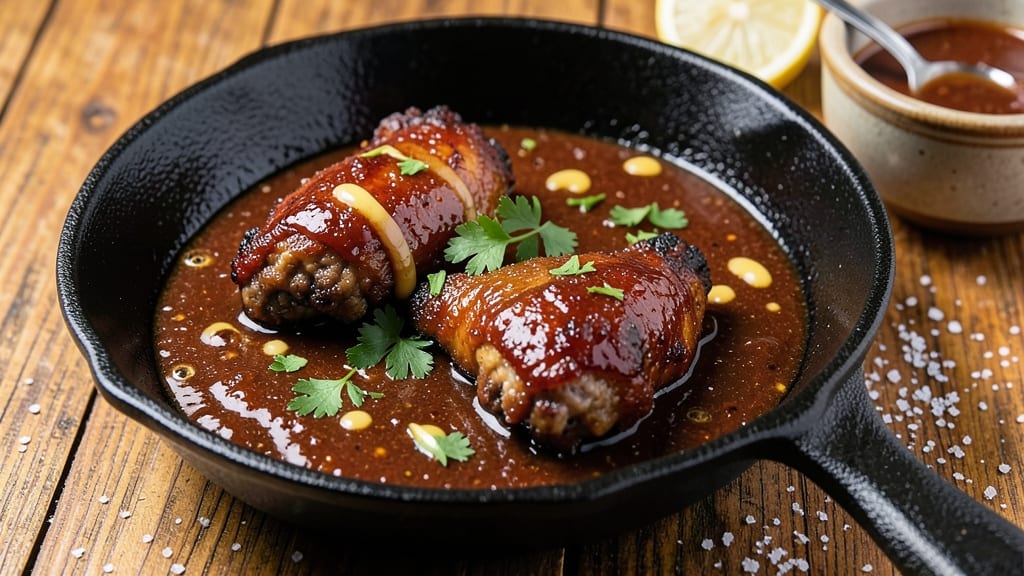
This Applebee's buffalo wing sauce recipe delivers the signature spicy-tangy blend that makes every bite unforgettable. The secret lies in balancing heat, tang, and richness—just like the restaurant version—using simple pantry staples.
I've refined this recipe over years of testing, ensuring the sauce stays sticky, flavorful, and perfect for tossing wings, fries, or even pasta.
The foundation is a smooth blend of melted butter and hot sauce, with a touch of vinegar for brightness and brown sugar to balance the heat. A pinch of garlic powder and Worcestershire adds depth, while a splash of water keeps the sauce silky and easy to toss.
What sets this apart is the slow reduction—simmering until thickened—so it clings to wings without dripping off.
By the time you're done, you'll have a bold, tangy sauce with a perfect balance of heat and tang, ready to transform ordinary wings into restaurant-quality bites. The sauce keeps well in the fridge for up to a week, and reheating is a breeze—just warm gently and toss back on.
For extra heat, add cayenne; for mildness, stir in a touch of honey.
This recipe is designed for versatility—use it on wings, fries, or even as a marinade for chicken. The key is patience during the reduction, which ensures the sauce is rich, sticky, and packed with flavor. Let's get started!
Ingredients for applebee's buffalo wing sauce
Nine simple ingredients create the signature sticky, tangy sauce that makes wings unforgettable.
| Ingredient | Amount | Notes |
|---|---|---|
| Unsalted Butter 🧈 | ½ cup | Melted, full-fat preferred |
| Buffalo Sauce 🌶️ | ½ cup | Frank's RedHot recommended |
| White Vinegar 💧 | 2 tbsp | Distilled or apple cider |
| Light Brown Sugar 🍚 | 2 tbsp | Packed lightly |
| Garlic Powder 🧄 | ½ tsp | Freshly ground preferred |
| Worcestershire Sauce 🍶 | 1 tbsp | Anchovy-free version if needed |
| Water 💧 | 1 tbsp | Room temperature |
| Salt 🧂 | ¼ tsp | Kosher or sea salt |
| Black Pepper 🌶️ | ¼ tsp | Freshly ground preferred |
| Honey 🍯 | 1 tsp | Optional for mildness |
For the best results, start with Frank's RedHot buffalo sauce—it's the closest to Applebee's signature blend. The butter should be unsalted to control the seasoning perfectly, and full-fat for that rich, velvety texture. Light brown sugar adds depth without overpowering, while white vinegar cuts through the richness for that signature tang. Garlic powder is key here—freshly ground makes a noticeable difference. If you're avoiding anchovies, Worcestershire sauce comes in anchovy-free versions, but the traditional kind adds that umami kick. Costco or Walmart usually stock all these staples affordably, and the sauce itself is shelf-stable for months before opening.
No buffalo sauce? Hot sauce from a different brand works—just adjust the heat level to taste. Substitute apple cider vinegar for white vinegar if you prefer, though the flavor will shift slightly. Coconut sugar can replace brown sugar in a pinch, though it has a different caramel note. The honey is optional but essential for mildness—skip it for extra heat. For a thicker sauce, reduce the water by half a teaspoon. If you're making this ahead, store it in a glass jar to preserve freshness, and stir well before using since the ingredients may separate slightly.
This sauce thickens as it cools, so reheat gently on low heat or in the microwave with a splash of water to restore its silky consistency. It keeps in the fridge for up to 1 week when stored in an airtight container, and freezes beautifully for up to 3 months—perfect for batch cooking. For extra flavor, add a pinch of smoked paprika before serving, or a dash of hot sauce if you want to crank up the heat. The sauce is versatile enough to use on fries, chicken tenders, or even as a marinade—just toss it on and bake.
Why You'll Love This Recipe
- I’ll be real: butter and vinegar aren’t exactly fancy, but they make this sauce ridiculously good without breaking the bank. A single jar of buffalo sauce and a bag of sugar last me for months, and I always have garlic powder on hand. It’s the kind of recipe that saves money while still feeling like a treat.
- Five-Ingredient Magic: I swear by this combo—just melt butter, toss in the store-bought buffalo sauce, a splash of vinegar, and a pinch of sugar. The garlic powder ties it all together without extra work, and honestly? It’s the closest I’ve gotten to that perfect tangy-sweet balance without standing over the stove for hours.
- Tangy-Sweet Crunch: That brown sugar isn’t just for show—it caramelizes just enough to cut through the heat while keeping the vinegar’s bite sharp. Spread it on wings, drizzle it on fries, or even toss it with roasted potatoes. It’s the kind of sauce that makes you lick the bowl clean, no matter what you’re eating.
- Game Day Ready: Between us, this sauce is my go-to for game day because it’s that easy to double. Make a big batch, store it in the fridge, and reheat it in seconds. The vinegar keeps it fresh, and the butter makes it creamy every time—no last-minute stress when the big game starts.
Step-by-step instructions for Applebee's-inspired buffalo wings sauce
Here's how to recreate that signature tangy-spicy blend that delivers bold flavor with every dip.
Melt the Butter and Combine Core Ingredients
In a medium saucepan over medium heat, melt the 0.5 cup unsalted butter until it's completely liquid and just beginning to foam. You'll smell that rich, nutty aroma—this is your flavor foundation. Once melted, reduce the heat to low and carefully whisk in the 0.5 cup buffalo sauce and 2 tablespoons white vinegar.
The vinegar will make the mixture bubble slightly as the acidity reacts with the butter's fat. Let it simmer gently for 2-3 minutes until the mixture thickens just slightly and the raw vinegar smell mellows. This initial cooking step develops the sauce's signature tangy backbone while preventing a harsh aftertaste later.
Build Depth with Sweet and Savory Elements
Add the 2 tablespoons light brown sugar, 0.5 teaspoon garlic powder, 1 tablespoon Worcestershire sauce, and 1 tablespoon water to the saucepan. Stir continuously for 3-4 minutes until the sugar dissolves completely and the mixture becomes smooth. You're looking for a glossy sheen that indicates the sauce is properly emulsified.
Here's where the magic happens—the sugar caramelizes slightly, creating subtle depth while balancing the heat. The Worcestershire adds umami complexity that separates this from basic hot sauce. Keep the heat at low-medium to prevent burning while you develop these flavors. If the sauce starts to darken too quickly, reduce the heat further.
Season and Simmer to Perfection
Add the 0.25 teaspoon salt, 0.25 teaspoon black pepper, and 1 teaspoon honey (if using). The honey is optional but recommended for a touch of sweetness that rounds out the spicy-savory profile. Stir well to incorporate all the seasonings, then increase the heat to medium-high and bring the sauce to a gentle boil.
Let it boil vigorously for 5-6 minutes, stirring occasionally, until the sauce reduces by about 25% and becomes thick enough to coat the back of a spoon. You'll notice it darkens slightly and develops a glossy sheen—this indicates proper reduction. The sauce should be sticky enough to cling to wings without being syrupy. If it's still too thin after 6 minutes, continue simmering until it reaches the right consistency.
Cool and Adjust for Restaurant-Quality Texture
Remove the saucepan from heat and let the sauce cool for 10 minutes at room temperature. This resting period allows the flavors to meld completely and the sauce to thicken further as it cools. During this time, taste the sauce and make any final adjustments—add a pinch more salt if it tastes flat, or a splash more vinegar if the sweetness overpowers the tang.
The sauce should be smooth, glossy, and cling to the back of a spoon without dripping. If it's too thick, whisk in 1 teaspoon water at a time until it reaches the perfect dipping consistency. For best results, use the sauce immediately on freshly cooked wings, but it will keep in an airtight container in the refrigerator for up to 1 week. Reheat gently before serving to maintain its signature texture.
Pro Tips For Making Applebee'S Buffalo Wing Sauce
- Melt Butter Slowly: If you dump cold butter into the pan with vinegar and sugar, you’ll end up with a greasy, uneven sauce—like trying to mix oil and water. Instead, melt the butter first over medium heat, then gradually whisk in the vinegar and sugar while keeping the heat low. This prevents a sudden acid reaction that can make your sauce split or turn grainy.
- Use Real Butter, Not Margarine: Unsalted butter isn’t just about flavor—it’s about texture. Margarine or shortcuts will make your sauce clump or separate, especially when mixed with vinegar. Buy a small tub of unsalted butter (like Land O’Lakes or Plugrá) and let it sit at room temp for 10 minutes before measuring. Cold butter lumps up, and no one wants to scrape gunk off their whisk.
- Simmer, Don’t Boil: After combining everything, let the sauce bubble gently—think small, lazy bubbles, not a rolling boil. Boiling burns the sugar and turns the vinegar harsh. If it starts to splatter, pull the pan off the heat for 10 seconds and stir. The sauce should coat the back of a spoon like syrup, not look like it’s about to explode.
- Strain for Smoothness: Buffalo sauce and garlic powder often leave gritty bits that ruin the silky finish. After simmering, pour the mixture through a fine-mesh strainer into a clean bowl. It’s a little extra work, but your sauce will look and taste restaurant-quality—no one wants to bite into a chunk of garlic powder while eating wings. (Yes, I’ve done it.)
Make-ahead tips for leftovers
Prep Ahead Sauce
Make this sauce up to 3 days in advance—it actually tastes better as flavors meld! Store in an airtight glass jar in the fridge.
The ingredients naturally separate slightly, so give it a good stir and reheat gently on the stove over low heat with 1 tablespoon water to restore its silky texture. 💛
Freezer-Friendly
Freeze in ice cube trays for portion control—each cube makes about 1 tablespoon of sauce. Transfer cubes to a freezer bag and label with the date. Thaw overnight in the fridge before using.
For quick use, toss frozen cubes directly into hot wings or fries during cooking. The sauce will melt and coat perfectly.
Batch Cooking
Double or triple the recipe for game days or parties—this sauce keeps for 3 months in the freezer. Store in a quart-sized freezer bag, leaving 1 inch headspace for expansion.
When ready to use, thaw in the fridge overnight. The sauce may thicken slightly after freezing, so add 1-2 teaspoons water when reheating.
Reheating Secrets
Never microwave this sauce directly—it breaks the emulsion and makes it grainy. Instead, reheat on the stovetop over low heat for 3-4 minutes, stirring constantly. For extra richness, add 1 teaspoon melted butter while reheating. If the sauce separates, whisk vigorously until smooth again. 🔥
Sauce for Cooking
Use half the sauce to marinate raw wings for 1-2 hours before cooking—this infuses flavor deep into the meat. Save the other half for tossing after baking. For baked wings, brush sauce on during the last 5 minutes of cooking to prevent burning.
The sauce will caramelize beautifully under the broiler for 2-3 minutes at the end.
Flavor Boosts
Add ½ teaspoon smoked paprika or ¼ teaspoon cayenne when reheating for extra depth. For a tangy kick, stir in 1 teaspoon lemon juice. If the sauce tastes flat after storage, add ½ teaspoon garlic powder or a pinch of onion powder to revive the umami.
Always taste and adjust before serving! ✨
Nutrition facts
Frequently asked questions
Why does Applebee's buffalo sauce taste different from store-bought?
The restaurant version uses a carefully balanced blend of butter, vinegar, and brown sugar that creates a richer, stickier texture than most commercial sauces. The slow reduction process and specific spices (like Worcestershire and garlic powder) add depth that mass-produced sauces often lack. This recipe replicates that signature tangy-sweetness with a perfect heat level.
Can I make this sauce without butter?
Yes, but the sauce will be thinner and less flavorful. Replace the 0.5 cup butter with 0.25 cup olive oil or avocado oil for a lighter version. For extra richness, add 1 tablespoon melted coconut oil at the end. The sauce will still work, but the texture won't be as clingy or velvety as the original.
How do I adjust the heat level?
For milder sauce, reduce the buffalo sauce to 0.3 cup and add 1 extra teaspoon honey. For extra heat, increase the buffalo sauce to 0.6 cup and add ¼ teaspoon cayenne pepper. Always taste as you go—you can add more heat later, but you can't remove it!
What's the best way to store leftover sauce?
Transfer to an airtight glass jar and refrigerate for up to 1 week. The sauce thickens when cold, so stir in 1 teaspoon water before using. For longer storage, freeze in ice cube trays—each cube makes 1 tablespoon of sauce. Thaw overnight in the fridge for best results.
Can I use this sauce on foods other than wings?
This versatile sauce works perfectly on fries, chicken tenders, or even pasta. For extra flavor, toss it with roasted potatoes or use it as a marinade for grilled chicken. The key is to reheat gently to maintain its sticky, glossy texture.