
Sauces & Condiments
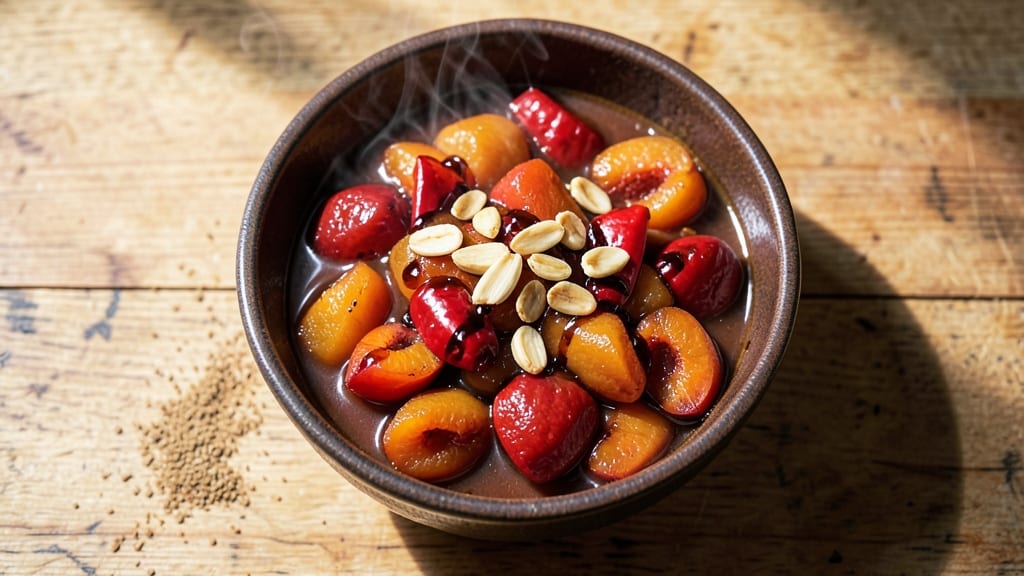
This apricot chili sauce recipe transforms grilled meats into unforgettable centerpieces with its perfect sweet-heat balance. The sauce starts with simmered apricots and chili peppers, creating a vibrant blend that caramelizes into a glossy, sticky consistency.
What makes it special is how the natural sweetness of apricots tames the chili's heat, resulting in a sauce that's bold yet approachable—ideal for marinades, glazes, or dipping.
The process is straightforward: cook down apricots, chili peppers, vinegar, and spices until thick and fragrant, then blend until smooth. This 5-ingredient sauce delivers restaurant-quality flavor with minimal effort, and it keeps well in the fridge for up to 2 weeks.
The versatility is its biggest strength—use it to glaze chicken, drizzle over pork, or serve as a zesty dip for spring rolls.
What you'll end up with is a sauce that's rich, slightly tangy, and perfectly balanced—sweet enough to satisfy, but with enough heat to linger. The deep red color and glossy finish make it as appealing to the eyes as it is to the palate.
The caramelized edges from simmering add depth, while the blend creates a silky texture that coats every bite.
Whether you're grilling for a crowd or prepping for meal prep, this sauce elevates any dish it touches. Pair it with grilled lamb, chicken, or even tofu for a flavor profile that's both complex and crowd-pleasing.
Ready to make it? Here's everything you need to create this versatile sauce at home.
Ingredients for apricot chili sauce
Five ingredients, bold flavors—this sauce brings sweet heat to any grilled dish effortlessly.
| Ingredient | Amount | Notes |
|---|---|---|
| Dried Apricots 🍑 | 1 cup | Chopped into small pieces |
| Red Chili Peppers 🌶️ | ½ cup | Dried, seeded, chopped |
| Red Wine Vinegar 🍷 | ½ cup | Bold, dry variety preferred |
| Granulated Sugar 🍚 | ¼ cup | For balancing sweetness |
| Ground Cumin 🌿 | 1 tsp | Toasted for deeper flavor |
| Garlic Cloves 🧄 | 3 cloves | Peeled, roughly chopped |
| Salt 🧂 | ½ tsp | Kosher or sea salt |
| Olive Oil 🫒 | 2 tbsp | Extra-virgin for richness |
The apricots and chili peppers are your flavor anchors. Look for dried apricots without added sugar—they're sweeter naturally. For chili peppers, Arbol or Fresno peppers work best if you want heat; Ancho or Pasilla for smokier notes. I grab mine from Trader Joe's or Latin markets, but any grocery store carries them. The vinegar matters too—red wine vinegar adds depth, but balsamic works in a pinch. Toast your cumin seeds in a dry pan for 30 seconds before grinding if you're using whole cumin—game-changer for flavor.
No dried apricots? Fresh apricots or peaches work, but you'll need about 4-5 medium ones. Short on chili peppers? Cayenne pepper at half the amount gives heat without depth. The vinegar can be swapped for apple cider vinegar or lime juice, but the tang changes slightly. Sugar can be replaced with maple syrup or honey (though honey isn't vegan). For a smoother texture, strain the sauce after blending—cheesecloth works perfectly. If you're using fresh garlic, roast it first by wrapping cloves in foil and baking at 400°F for 15 minutes. Trust me, it's worth the extra minute.
This sauce thickens as it cools, so blend it while still warm for the best consistency. Store in a glass jar with a tight seal—keeps for 2 weeks in the fridge. For longer storage, freeze in ice cube trays, then transfer to a bag. Thaw overnight in the fridge. The flavor actually improves after a day or two as the ingredients meld. Double the batch—you'll want it on everything.
Why You'll Love This Recipe
- No-Chop Necessary: I swear by this—just tear those dried apricots and toss in whole chilis (seeds out if you’re sensitive). No knife skills required, and the sauce still bursts with depth from the cumin and vinegar’s tang.
- Sweet Heat Balance: Between us, this sauce is ridiculously good—fruity apricot sweetness cuts through the chili’s kick, while the cumin adds that earthy warmth. It’s the kind of flavor that makes you reach for the jar again before the meal even ends.
- Pantry Staple Magic: Honestly, I make this when I’m low on ideas or craving something bold. It glides over grilled chicken, stirs into yogurt for a dip, or even drizzles on roasted veggies. The ingredients? Probably already in your cupboard.
- Lasts All Week: A batch keeps for months in the fridge—no fancy storage needed. I’ll make a double batch on Sunday, then use it for tacos, marinades, or even a quick stir-fry. Budget-friendly? Absolutely. Waste-free? Even better.
Step-by-step instructions for apricot chili sauce
This sauce delivers perfect harmony between sweet and spicy—ideal for grilled meats.
Toast the Dried Apricots and Chili Peppers
Heat the 2 tablespoons olive oil in a medium saucepan over medium heat. Add the 1 cup dried apricots and 0.5 cup red chili peppers, stirring constantly for 3-4 minutes until the apricots soften slightly and the chili peppers darken slightly at the edges.
This step develops depth of flavor by caramelizing the natural sugars in the apricots and intensifying the chili's heat. Keep the heat steady—you want gentle toasting, not burning. If the mixture starts to stick, add a splash of water and stir until it loosens again.
Add Aromatics and Simmer
Push the apricot and chili mixture to one side of the pan and add the 3 cloves garlic cloves and 1 teaspoon ground cumin. Sauté for 1 minute until fragrant, then stir everything together. Pour in the 0.5 cup red wine vinegar and the 0.25 cup granulated sugar, scraping up any browned bits from the bottom of the pan.
The vinegar helps dissolve the sugar and creates a glossy base for the sauce. Let the mixture simmer gently for 5-7 minutes, stirring occasionally, until the sugar dissolves completely and the sauce begins to thicken slightly. You'll notice the colors deepen—this is when the flavors start melding together beautifully.
Blend Until Smooth
Transfer the mixture to a blender or food processor. Add the 0.5 teaspoon salt and blend until completely smooth, scraping down the sides as needed. For a smoother texture, strain the sauce through a fine-mesh sieve if desired—this removes any remaining dried fruit bits.
The sauce should be thick but pourable, with a vibrant reddish-orange color. If it's too thick, thin it with 1-2 tablespoons of water or red wine vinegar until it reaches your preferred consistency. Taste and adjust the seasoning—you can add more sugar for sweetness or salt for balance, but be careful with extra chili peppers unless you want a much hotter sauce.
Simmer to Perfection
Return the sauce to the saucepan and simmer over low heat for 10-15 minutes, stirring occasionally. This step allows the flavors to meld completely and the sauce to thicken further. The sauce should coat the back of a spoon and have a glossy sheen.
Here's the thing—this sauce tastes even better the next day as the flavors continue to develop. If you're using it immediately, let it cool slightly before serving. It pairs wonderfully with grilled chicken, lamb, or even as a dipping sauce for flatbreads. Store any leftovers in an airtight container in the refrigerator for up to 2 weeks.
Pro Tips For Making Apricot Chili Sauce
- SOAK DRY APRICOTS FIRST: Dried apricots can turn to mush if you toss them straight into the pot. Give them a 10-minute soak in warm water first—just enough to plump them up, not drown them. Drain well before adding, or you’ll end up with a watery sauce instead of a thick, jammy one.
- USE A MORTAR FOR CHILI: Skip the food processor for the chili peppers—grinding them by hand in a mortar (or a heavy-duty spice grinder) releases more oils and heat. If you’re in a rush, finely chop them with a knife, but don’t pulse them into a paste. You want texture, not a smooth, bitter slurry.
- STOP WHEN IT’S STICKY: This sauce isn’t about simmering until it’s syrupy—it’s about balance. Pull it off the heat when the apricots are tender and the mixture coats the back of a spoon like thick honey. Overcooking turns the vinegar sharp and the sugar grainy. Taste as you go; your mouth knows better than the clock.
- TOAST THE CUMIN SEPARATELY: Heat the cumin in a dry pan for 30 seconds until it smells nutty and warm before adding it to the sauce. This deepens its flavor without bitterness. I learned this the hard way—adding raw cumin straight in just tastes like dust. (Yes, even if you’re impatient like me.)
Dietary considerations for these flavors
Vegan Adaptations
This sauce is naturally vegan-friendly—just ensure your ingredients are certified vegan. Skip the honey or maple syrup if you're using granulated sugar. For a deeper umami boost, add 1 tablespoon soy sauce or 1 teaspoon miso paste during the simmering step.
The sauce works beautifully as a marinade for tofu or veggie kebabs, adding sweet heat without animal products. 🌱
Gluten-Free Considerations
All ingredients in this recipe are inherently gluten-free, but always double-check labels on dried apricots and chili peppers for cross-contamination warnings. The sauce pairs perfectly with gluten-free flatbreads or grilled chicken. If you're using it as a marinade for meats, ensure your breading or sides are also gluten-free.
The natural sweetness and tang make this sauce a great alternative to store-bought condiments that often contain hidden gluten. ✨
Low-Sugar Options
Reduce the granulated sugar to 2 tablespoons and balance the flavor with an extra 1 tablespoon of red wine vinegar. The apricots and chili peppers already provide natural sweetness, so you won’t lose much depth. For a sugar-free version, omit the sugar entirely and rely on the fruit’s sweetness.
If the sauce tastes too tart, add a pinch of salt to enhance the flavors. This approach works well for those monitoring blood sugar levels. 💪
Spice Level Control
Adjust the heat by modifying the chili peppers. For mild heat, use Ancho or Pasilla peppers—they’re smoky and less spicy. For extra kick, add ½ teaspoon cayenne pepper to the blend.
If you love heat, toast the chili peppers longer for a deeper, spicier flavor. Always taste as you go—this sauce is highly customizable! 🌶️
Allergen-Friendly
This recipe is free from common allergens like dairy, eggs, and nuts, making it safe for most dietary restrictions. If you're allergic to garlic, omit it or substitute with asafetida powder (a tiny pinch, about ⅛ teaspoon, adds depth without garlic).
For olive oil allergies, use avocado oil instead. Always check ingredient labels for potential cross-contamination risks. 💛
Nutrition facts
Frequently asked questions
Can I use fresh apricots instead of dried?
Yes! For fresh apricots, use about 4-5 medium instead of 1 cup dried. Peel, pit, and chop them into small pieces before toasting. Fresh apricots add a brighter, juicier quality to the sauce, but the texture will be slightly thinner. Simmer longer to thicken if needed.
How do I adjust the sweetness or heat?
For more sweetness, add 1-2 tablespoons extra sugar at the end. For less heat, reduce chili peppers to ¼ cup or use milder varieties like Ancho. If it's too spicy, stir in 1 teaspoon honey or maple syrup to balance. Always taste as you go!
What’s the best way to store leftover sauce?
Transfer to a clean glass jar and refrigerate for up to 2 weeks. For longer storage, freeze in ice cube trays, then transfer to a bag. Thaw overnight in the fridge—never microwave directly. The flavor actually improves after 24 hours as ingredients meld!
Can I make this sauce without a blender?
After simmering, mash the mixture with a fork or potato masher until smooth. For a smoother texture, press through a fine-mesh sieve. The sauce will be slightly chunkier but still delicious—great for rustic dishes or as a marinade.
What’s the best way to use this sauce?
Drizzle over grilled meats, use as a marinade, or serve as a dipping sauce for spring rolls. It also works as a glaze for roasted vegetables or a tangy topping for tacos. The sweet heat pairs especially well with lamb, chicken, or tofu—just let it cool slightly before serving!