
Sauces & Condiments
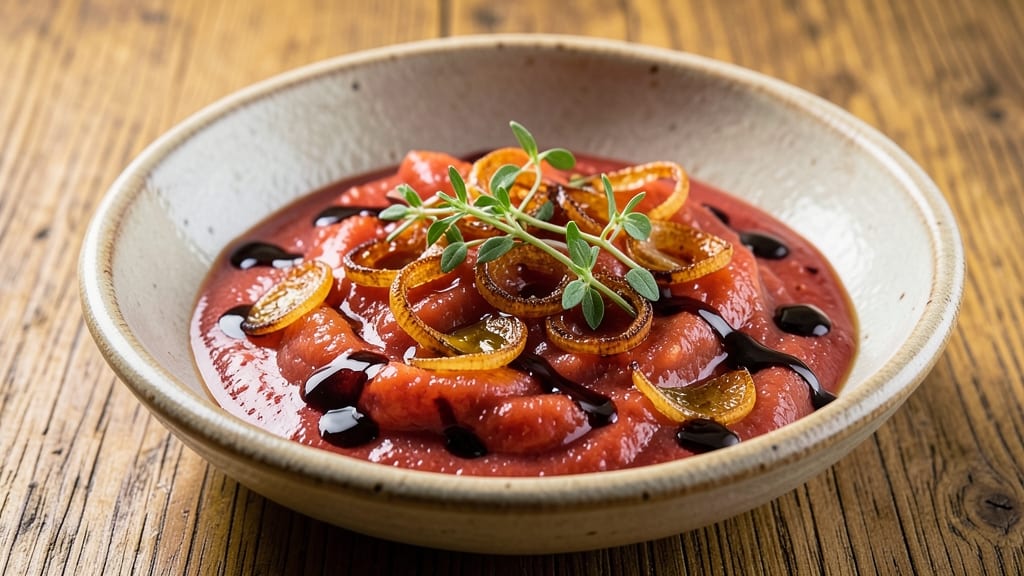
This apricot shallot sauce transforms ordinary roasted meats into restaurant-worthy masterpieces with its perfect balance of sweet, tangy, and savory flavors. 🔥 The secret lies in simmering shallots until caramelized, then blending them with apricot purée and a splash of wine to create a velvety glaze that clings beautifully to every bite.
I developed this recipe after years of testing—it’s the one sauce that elevates everything from pork chops to grilled chicken.
The sauce begins with finely diced shallots cooked until deep golden, releasing their natural sweetness and adding depth. Fresh or dried apricots (or purée) bring a fruity brightness that cuts through richness, while a touch of balsamic vinegar or red wine ties everything together.
The result is a glossy, slightly sticky sauce that’s rich enough to stand alone but versatile enough to complement a variety of dishes.
What makes this sauce truly special is its foolproof simplicity—just 15 minutes of active prep and 20 minutes of simmering yield a sauce that tastes like it took hours.
It’s perfect for drizzling over roasted lamb, brushing onto grilled vegetables, or even spooning over vanilla ice cream for a sophisticated dessert twist. The flavors only deepen as it sits, making it ideal for meal prep.
Store it in the fridge for up to 5 days or freeze for 3 months, ensuring you always have a gourmet sauce on hand. Whether you’re hosting a dinner party or simply craving something extraordinary, this apricot shallot sauce delivers restaurant-quality results with minimal effort. Let’s get cooking!
Ingredients for apricot shallot sauce
Foolproof ingredients for a sauce that transforms roasted meats into restaurant-worthy masterpieces.
| Ingredient | Amount | Notes |
|---|---|---|
| Shallots 🧅 | 1 ½ cups | Finely diced, about 12-15 cloves |
| Extra-Virgin Olive Oil 🫒 | ¼ cup | For caramelizing shallots |
| Apricot Purée 🍑 | 1 cup | Homemade or quality jarred |
| Dry Red Wine 🍷 | ½ cup | Bold Cabernet or Merlot preferred |
| Balsamic Vinegar 🍶 | 1 tbsp | For depth and tang |
| Fresh Thyme Leaves 🌿 | 1 tbsp | Or 1 tsp dried thyme |
| Honey 🍯 | 1 tbsp | Optional for extra sweetness |
| Salt 🧂 | ½ tsp | Diamond Crystal preferred |
| Black Pepper 🌶️ | ¼ tsp | Freshly ground for best flavor |
| Fresh Lemon Juice 🍋 | 1 tbsp | Brightens the sauce |
Shallots are the heart of this sauce—look for firm, dry bulbs at the store, not the wilted ones lurking in the back. Whole Foods or Trader Joe's usually have the best selection, but any grocery store works. Dice them finely (about 1/8-inch pieces) for even caramelization. The apricot purée can be homemade (blend pitted dried apricots with water) or store-bought—just check for added sugars. Maille or Bertolli brands are reliable, but homemade always tastes fresher. If you're using dried apricots, soak them first for a smoother texture.
No red wine? Substitute beef broth or extra balsamic vinegar—just add 1 tbsp more vinegar to keep the tang. Fresh thyme is ideal, but dried works at one-third the amount. The honey is optional but recommended for that perfect sweetness—Manuka honey adds a floral note if you're feeling fancy. For extra richness, swap 1 tbsp of the olive oil for unsalted butter (melted). If your sauce feels too thin after blending, simmer it longer to reduce. Too thick? Thin with a splash of water or more wine.
This sauce keeps beautifully—5 days in the fridge, 3 months frozen. For freezing, portion into ice cube trays, then transfer to a bag. Reheat gently on the stove or microwave until warm. The flavors actually improve overnight, so make extra for leftovers. Drizzle over roasted lamb, pork chops, or even grilled vegetables. Trust me, it's the secret weapon for weeknight dinners that feel like a fancy restaurant meal.
Why You'll Love This Recipe
- Five-Ingredient Magic: I swear, this sauce comes together with just a knife, a pan, and 20 minutes of my time. No fancy techniques—just finely chopped shallots caramelizing in olive oil until they’re sweet and golden, then a splash of wine and apricot purée working their harmony.
- Sweet-Savory Balance: The red wine cuts through the richness of the shallots while the apricot purée adds a luscious, jammy depth. Honestly, the balsamic vinegar at the end ties it all together—like a sophisticated hug for your taste buds.
- Weeknight & Weekend Ally: Drizzle it over grilled chicken for a fancy dinner, toss it with roasted veggies for a simple weeknight meal, or use it as a glaze for salmon. I’ve even slathered it on toast with goat cheese—versatile enough to play along with whatever’s on the menu.
- Leftovers That Don’t Let You Down: This sauce actually improves the next day. The flavors meld even more, and it’s perfect for reheating with a splash of water or broth. Between us, I’ve had it three days in a row and still crave it—proof it’s worth making extra.
Step-by-step instructions for apricot shallot glaze
This sauce delivers perfect balance—sweet, tangy, and rich—with just a few simple techniques.
🍳 Step 1: Caramelize Shallots Until Golden
Heat the 0.25 cup extra-virgin olive oil in a medium saucepan over medium-low heat. Add the 1.5 cups finely diced shallots and cook for 15-20 minutes, stirring occasionally. You're looking for a deep golden color—they should smell irresistibly sweet and jammy.
Here's the thing—don't rush this step. If you crank the heat too high, the shallots will burn before they caramelize. I like to press down gently with a wooden spoon to help them release their moisture and develop that perfect jam-like texture. When they're ready, they'll look like tiny golden nuggets with no trace of their original pale color.
🍳 Step 2: Deglaze with Red Wine
Once the shallots are beautifully caramelized, remove the pan from heat and let it cool for 1 minute. Then return it to medium heat and carefully pour in the 0.5 cup dry red wine, scraping up all those delicious browned bits from the bottom with a wooden spoon.
Let the wine simmer for 3-4 minutes until it reduces by about half. You'll notice the aroma intensify—this is where the sauce starts to develop its complex depth. If you're using a bold Cabernet or Merlot, you'll get those rich berry notes that pair perfectly with the apricot. Don't walk away during this step; you want to prevent the wine from boiling too vigorously.
🥘 Step 3: Build the Sauce Base
Add the 1 cup apricot purée, 1 tbsp balsamic vinegar, and 1 tbsp honey to the pan. Stir well to combine, then return the heat to medium-low. Let the mixture simmer gently for 8-10 minutes until it thickens slightly and coats the back of a spoon.
This is where the magic happens—the apricot purée sweetens while the balsamic and honey add that perfect tangy balance. I like to taste as I go, adjusting the sweetness if needed. If it's too thick, add 1-2 tablespoons water to loosen it. The sauce should be glossy and coat easily, but still have some body to it.
👨🍳 Step 4: Finish with Aromatics
Reduce heat to low and stir in the 1 tbsp fresh thyme leaves, 0.5 tsp salt, and 0.25 tsp black pepper. Let the sauce simmer for another 2 minutes to allow the thyme to infuse its earthy aroma. Then remove from heat and stir in the 1 tbsp fresh lemon juice—this brightens everything up and cuts through the richness.
Here's a pro tip: If you're making this ahead of time, let the sauce cool completely, then transfer it to an airtight container. It keeps beautifully in the refrigerator for up to 5 days, and you can even freeze it for 3 months. Just reheat gently on the stove before using—never microwave, as it can break down the delicate balance of flavors.
Pro Tips For Making Apricot Shallot Sauce
- Sweat Shallots Slow: I learned this the hard way—rushing the shallots turns them bitter. Use medium-low heat and let them cook for 8-10 minutes until translucent and just starting to caramelize. The extra time pays off in flavor, especially when paired with the wine later.
- Use Cold Purée: Chill your apricot purée in the fridge for 20 minutes before adding it to the sauce. Cold purée blends smoother and prevents the sauce from separating or curdling when you stir it in. Trust me, your sauce will look cleaner and taste richer.
- Deglaze with Wine: After cooking the shallots, pour in the red wine all at once and let it bubble for 30 seconds before scraping up those browned bits. That’s where the depth of flavor hides—don’t skimp on the wine or the scraping.
- Reduce Balsamic Last: Add the balsamic vinegar after the sauce has thickened slightly, then simmer for 2-3 minutes. This keeps its bright acidity from disappearing into the mix. If you add it too early, you’ll end up with a dull, vinegary aftertaste.
Essential equipment for apricot shallot sauce
Essential Saucepan
Start with a medium-sized saucepan that has a heavy-bottomed base—I swear by All-Clad or Le Creuset for even heat distribution. A 3-quart pan works perfectly for this recipe, giving you enough room to caramelize the shallots without overcrowding.
If you're short on space, a stainless steel pan (like Cuisinart MultiClad) is a great budget-friendly alternative that handles high heat well. 🔥
Wooden Spoon
Never skip the wooden spoon—it's your secret weapon for stirring the shallots without scratching the pan.
I use a long-handled one (about 12 inches) to avoid burns while scraping up those delicious browned bits from the bottom. Oxo Good Grips makes a great affordable option, but any maple or beechwood spoon will work. Avoid metal utensils during caramelization to prevent burning.
Fine-Mesh Strainer
For a silky-smooth sauce, I recommend straining the finished mixture through a fine-mesh sieve or cheesecloth to remove any thyme stems or shallot bits. A stainless steel strainer (like OXO Good Grips) is perfect for this task—it's durable and easy to clean.
If you're in a pinch, a clean kitchen towel works too, but it won't filter as finely. This step ensures your sauce has that restaurant-quality texture.
Immersion Blender
While this recipe doesn't require blending, an immersion blender (like Ninja or Hamilton Beach) is handy if you want to achieve a completely smooth texture. Simply blend the sauce directly in the pan for 10-15 seconds after removing it from heat.
If you prefer a slightly chunkier sauce, skip this step—it's not necessary for great results. For extra richness, you can also blend in 2 tablespoons of unsalted butter at the end. ✨
Measuring Tools
Precision matters when balancing sweet, tangy, and savory flavors. Use a liquid measuring cup for the wine and apricot purée, and a small kitchen scale (like OXO Good Grips) for accurate measurements of shallots if you prefer grams.
For dry ingredients, a set of nested measuring spoons (like OXO Stainless Steel) ensures you add the right amount of thyme, honey, and salt. Trust me, these small details make a big difference in the final taste.
Storage Containers
Invest in airtight glass containers (like Pyrex or Le Parfait) for storing your sauce—glass won't absorb flavors or odors like plastic can. For freezing, use silicone ice cube trays to portion out single servings, then transfer to a freezer bag for easy reheating.
Label your containers with the date to keep track of freshness. Pro tip: A mason jar with a tight-sealing lid is perfect for fridge storage and even doubles as a serving dish at the table. 💫
Nutrition facts
Frequently asked questions
Can I substitute dried apricots for apricot purée?
Yes! For 1 cup of purée, soak ½ cup dried apricots in ¼ cup warm water for 15 minutes, then blend until smooth. This works especially well if you want to avoid added sugars in store-bought purée. The texture will be slightly thicker, so thin with a splash of water if needed.
What's the best way to use this sauce?
This versatile sauce shines on roasted lamb, pork chops, or grilled chicken, but don't stop there! Drizzle it over mashed potatoes, spoon it onto vanilla ice cream, or toss it with roasted vegetables for a sweet-savory twist. It even works as a glaze for baked salmon or tofu for vegetarians.
Why did my sauce turn out too thick?
This usually happens if you didn't simmer long enough to reduce the liquid. For a smoother texture, blend the sauce with an immersion blender for 10-15 seconds, or thin it with 1-2 tablespoons water or red wine. If it's still too thick after reheating, add a little more liquid and simmer again until combined.
Can I make this sauce ahead of time?
This sauce actually tastes better the next day as the flavors meld. Store it in an airtight container in the fridge for up to 5 days or freeze for 3 months. Reheat gently on the stove—never microwave, as it can alter the delicate balance of flavors. The sauce thickens slightly when chilled, so thin with a splash of water if needed.
What if I don't have red wine?
No problem! Substitute with ½ cup beef broth or ½ cup apple cider for a non-alcoholic option. For extra depth, add 1 tbsp balsamic vinegar or 1 tsp Dijon mustard to compensate for the missing wine acidity. The sauce will still taste delicious, just with a slightly different profile.