
Sauces & Condiments
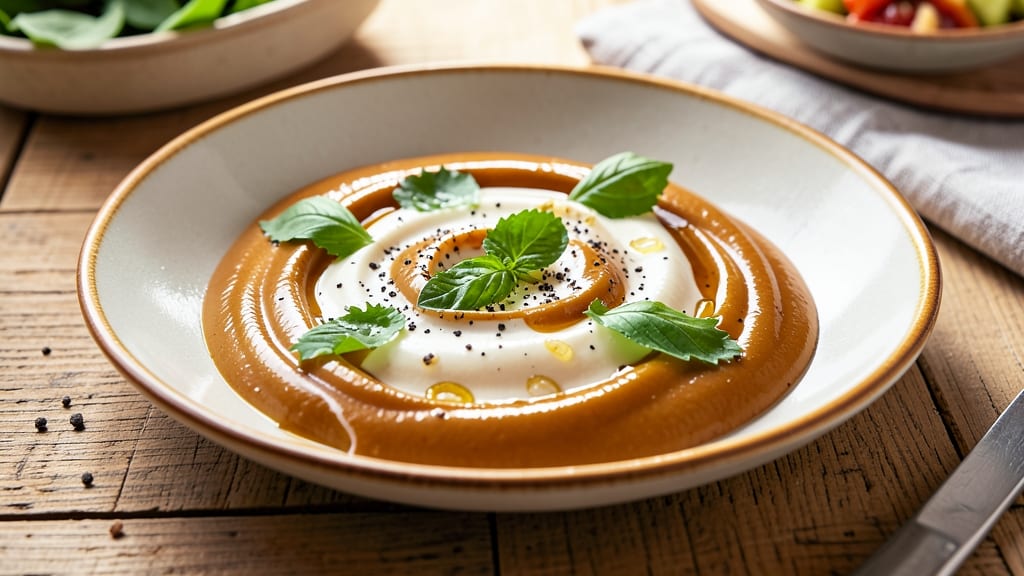
This Armoricaine sauce transforms simple seafood into a restaurant-worthy dish with its rich, smoky depth and aromatic herbs. Born in Brittany's coastal kitchens, it's a velvety blend of butter, cream, and fresh basil that clings perfectly to fish or poultry.
The secret lies in proper shallot caramelization—never letting it brown—which creates the sauce's signature sweetness without bitterness.
What sets Armoricaine apart is its balance of textures: silky cream meets crispy fried seafood, while fresh basil adds bright, herbal notes that cut through the richness. The sauce's versatility makes it ideal for both classic French preparations (like sole meunière) and modern twists on grilled fish or chicken.
Professional chefs rely on this sauce because it delivers authentic flavor with minimal effort.
Ready in just 15 minutes, this sauce requires only 6 ingredients but delivers complex, layered flavor. The key technique is low-and-slow reduction of the butter-shallot base, which forms the sauce's velvety foundation.
Fresh basil is added at the end to preserve its vibrant aroma and color, ensuring every spoonful tastes like a Brittany seaside bistro.
Perfect for weeknight dinners or special occasions, Armoricaine sauce elevates any seafood dish to gourmet status. The recipe yields enough for 2-3 servings, making it ideal for intimate gatherings or pairing with a single impressive piece of fish.
Store any leftovers in the refrigerator for up to 3 days, or freeze for 1 month—though you'll likely use it all before then.
Ingredients for armoricaine sauce
Six ingredients create this velvety Armoricaine sauce with smoky depth and herbal brightness.
| Ingredient | Amount | Notes |
|---|---|---|
| Unsalted Butter 🧈 | ¾ cup | Cold, cubed for even melting |
| Shallots 🧅 | ½ cup | Finely minced, not browned |
| Heavy Cream 🥛 | ½ cup | Full-fat for richness |
| Fresh Basil Leaves 🌿 | ½ cup | Packed, stems removed |
| Diamond Crystal Kosher Salt 🧂 | ½ tsp | For seasoning shallots |
| Freshly Ground Black Pepper 🌶️ | ¼ tsp | For finishing |
The butter and shallots form the sauce's foundation. European-style unsalted butter (like Plugrá or President) has higher fat content for better emulsification. Shallots should be finely minced—think confit byrons, not rough dice. Whole Foods Market or specialty grocers carry the best quality shallots, but regular grocery stores work too if they're firm and vibrant. Avoid pre-minced shallots—they oxidize too quickly. For a deeper flavor, toast the shallots in butter for 2-3 minutes before adding cream, but never let them brown.
No fresh basil? Dried basil at one-third the amount works, though it lacks the bright aroma. Substitute flat-leaf parsley if needed, but reduce to 0.25 cup—it's milder. The heavy cream must be full-fat; light or reduced-fat versions won't emulsify properly. For a dairy-free version, replace cream with full-fat coconut milk, though the texture will be slightly different. The kosher salt is crucial—Diamond Crystal dissolves more easily than Morton's, so adjust accordingly. Freshly ground black pepper adds subtle heat without overpowering the delicate flavors.
This sauce peaks immediately after preparation but remains stable for 3 days refrigerated in an airtight container. For longer storage, freeze in ice cube trays—each cube makes a perfect single serving. To reheat, warm gently over low heat, adding a splash of cream if it thickens too much. The sauce pairs beautifully with fried sole, grilled trout, or chicken breast. For extra richness, stir in 1 tablespoon of cold butter at the end—this creates the signature French velouté texture.
Why You'll Love This Recipe
- No Chopping Nightmare: I swear by this sauce because shallots barely need mincing—just a quick slice and let the butter melt them down. Ten minutes, max, and you’re left with silky, sweet depth that tastes like you spent hours.
- Butter-Basil Magic: That moment when you stir in the basil? It’s like a whisper of summer in every bite—bright but never overpowering, with the cream and butter rounding it out. Honestly, it’s the kind of flavor that makes you pause mid-spoonful.
- Leftovers That Shine: This sauce reheats like a dream—just a splash of cream to loosen it up, and it’s richer than the first time. I’ve drizzled it over pasta, tossed it with roasted veggies, even used it in omelets. It’s my lazy genius for turning simple meals into something special.
- Budget-Friendly Luxury: You’re basically buying flavor in bulk: butter and cream feel indulgent, but they stretch across multiple meals. Plus, a single bunch of basil lasts forever if you freeze it. It’s fancy without the grocery shock.
Step-by-step instructions for Armoricaine sauce
This sauce delivers rich, aromatic depth with minimal effort—just six ingredients transformed into velvety perfection.
Sweat the Shallots for Fragrant Foundation
Melt the 0.75 cup unsalted butter in a medium saucepan over medium-low heat. Once fully melted and foaming subsides, add the 0.5 cup finely minced shallots and 0.5 tsp Diamond Crystal kosher salt. Stir gently to prevent browning—you're not cooking them, just releasing their sweet aroma.
Cook for 5-6 minutes until the shallots soften and become translucent, not golden. This gentle cooking process ensures they dissolve smoothly into the sauce rather than adding texture. If they start to color, reduce the heat immediately—you want sweetness, not bitterness.
Incorporate Cream for Velvety Texture
Pour in the 0.5 cup heavy cream and stir to combine with the shallot-butter mixture. Increase heat to medium and bring to a gentle simmer, stirring occasionally. The sauce should thicken slightly as it reduces, but don't let it boil—you want the cream to infuse rather than curdle.
Simmer for 3-4 minutes until the mixture reduces by about 25% and coats the back of a spoon. This reduction step concentrates the flavors and creates the sauce's signature richness. Taste and adjust seasoning with additional salt if needed—this is your flavor baseline before adding the basil.
Finish with Basil and Pepper
Remove the saucepan from heat and stir in the 0.5 cup packed fresh basil leaves and 0.25 tsp freshly ground black pepper. The basil will wilt immediately, releasing its bright, herbal notes. Let the sauce sit off the heat for 1-2 minutes to allow the flavors to meld completely.
For maximum freshness, I recommend using a mortar and pestle to finely chop the basil leaves before adding them. This ensures even distribution and prevents large pieces from settling at the bottom. The pepper adds a subtle heat that balances the sauce's richness without overpowering.
Strain and Serve Immediately
Line a fine-mesh strainer with cheesecloth or a coffee filter and strain the sauce into a clean bowl. This step removes any basil stems or shallot bits, leaving you with an impossibly smooth, velvety sauce. The texture should be thick enough to coat the back of a spoon but still flow gracefully—like liquid silk.
Serve the sauce immediately over grilled seafood, steamed mussels, or roasted vegetables. For best results, keep it warm in a double boiler if serving family-style. The sauce's peak flavor occurs within 30 minutes of preparation, so don't make it too far in advance. Each spoonful should deliver a perfect balance of smoky butter, sweet shallots, and bright basil.
Pro Tips For Making Armoricaine Sauce
- Sweat Shallots Slow: I learned this the hard way—rushing the shallots means they’ll turn bitter or burn before the butter melts. Cook them on low heat for 8-10 minutes, stirring every 30 seconds, until they’re translucent and jammy. No need to rush; patience here keeps the sauce from tasting harsh.
- Salt the Cream Early: Heavy cream burns easily, and adding salt at the end means you’ll end up guessing how much to use. Mix ½ teaspoon Diamond Crystal kosher salt directly into the cream before heating—it stabilizes the sauce and ensures perfect seasoning without overdoing it later.
- Skip the Butter Burn: Unsalted butter has a lower smoke point than you’d think, especially when combined with cream. Once the shallots are cooked, reduce the heat to medium-low before adding the butter and cream. If it starts to brown too quickly, pull it off the heat for 30 seconds—your sauce will thank you.
- Chop Basil Just Before Mixing: Basil loses its brightness fast, even in warm sauce. Instead of pre-chopping it, tear the leaves by hand (no need for a knife) right before folding them into the finished sauce. This keeps the flavor vibrant and the texture fresh—no sad, wilted basil here.
Common mistakes when making this dish
Overcooking Shallots
I've seen many cooks accidentally brown the shallots, which turns the sauce bitter. The key is to keep heat at medium-low and stir constantly—never let them turn golden. If they start to color, immediately reduce heat and add a splash of cold cream to cool them down.
Fresh Whole Foods Market shallots are best for this recipe, but any firm, unblemished shallots will work. 🧅
Boiling the Cream
Boiling the cream will cause it to curdle, ruining the sauce's velvety texture. Maintain a gentle simmer—tiny bubbles should just break the surface occasionally. If you see large bubbles or hear a rolling boil, remove from heat immediately and stir in 1 tablespoon cold butter to stabilize the emulsion.
This trick works like magic for fixing separated sauces.
Using Dried Basil
Substituting dried basil is a common mistake that changes the sauce's character completely. Dried basil lacks the bright, fresh aroma of fresh leaves. If you must use dried, reduce to 1 tablespoon (about one-third the amount) and add it with the cream, not at the end.
For best results, always use fresh basil—it makes all the difference in flavor and presentation.
Skipping the Straining Step
Many home cooks skip straining, leaving behind basil stems and shallot bits that create an uneven texture. Line your strainer with cheesecloth or a coffee filter for the smoothest possible sauce.
If you're short on time, use a fine-mesh sieve and press gently with a spoon to extract every last drop of flavor. The effort is worth it for that restaurant-quality finish.
Adding Basil Too Early
Adding basil while the sauce is still hot will cook the leaves, destroying their delicate flavor and vibrant color. Always add fresh basil off the heat and let it steep for 1-2 minutes before straining.
For extra freshness, I like to pulse the basil in a food processor for 5 seconds before adding it—this releases more aroma without overpowering the sauce.
Ignoring the Reduction Step
Skipping the 3-4 minute reduction of the cream-butter mixture results in a thin, watery sauce. This step concentrates the flavors and creates the proper consistency. If your sauce seems too thick after straining, thin it with 1 tablespoon warm water or cream.
Conversely, if it's too thin, simmer uncovered for 1-2 minutes to reduce further. The goal is a sauce that coats the back of a spoon but still flows gracefully.
Nutrition facts
Frequently asked questions about Armoricaine sauce
Can I make Armoricaine sauce without butter?
While traditional Armoricaine sauce relies on butter for its rich, velvety texture, you can substitute with olive oil or vegetable oil for a lighter version. Use a 1:1 ratio, but the sauce will have a different mouthfeel. For extra richness, add 1 tablespoon of vegan butter at the end. The flavor will be more herb-forward rather than buttery.
What's the best way to reheat leftover Armoricaine sauce?
Gently reheat over low heat in a saucepan, stirring constantly to prevent separation. If it thickens too much, add 1 tablespoon of warm cream or water. Never microwave it—this causes the cream to curdle. For best results, reheat just until warm (2-3 minutes) to preserve its delicate texture.
How does Armoricaine sauce differ from béarnaise?
Armoricaine sauce is richer and herby, while béarnaise is tangier with a mustard base. Armoricaine uses butter and cream for a velvety texture, while béarnaise relies on clarified butter and vinegar for a lighter, more complex flavor. Both pair well with seafood, but Armoricaine works better with fried or grilled fish.
Can I make Armoricaine sauce ahead of time?
Yes! Prepare it up to 24 hours ahead and store in an airtight container in the fridge. Reheat gently before serving. For longer storage (1 month), freeze in ice cube trays—each cube reheats perfectly for one serving. The flavors actually improve slightly after resting, as the ingredients meld together.
What if I don't have fresh basil?
Use 1 tablespoon dried basil (about one-third the amount) and add it with the cream, not at the end. For a different herbal note, try thyme or parsley, but reduce to 0.25 cup. If you have no herbs, omit them—the sauce will still be delicious, just less aromatic. Fresh basil is ideal, but these substitutes work in a pinch!