
Sauces & Condiments
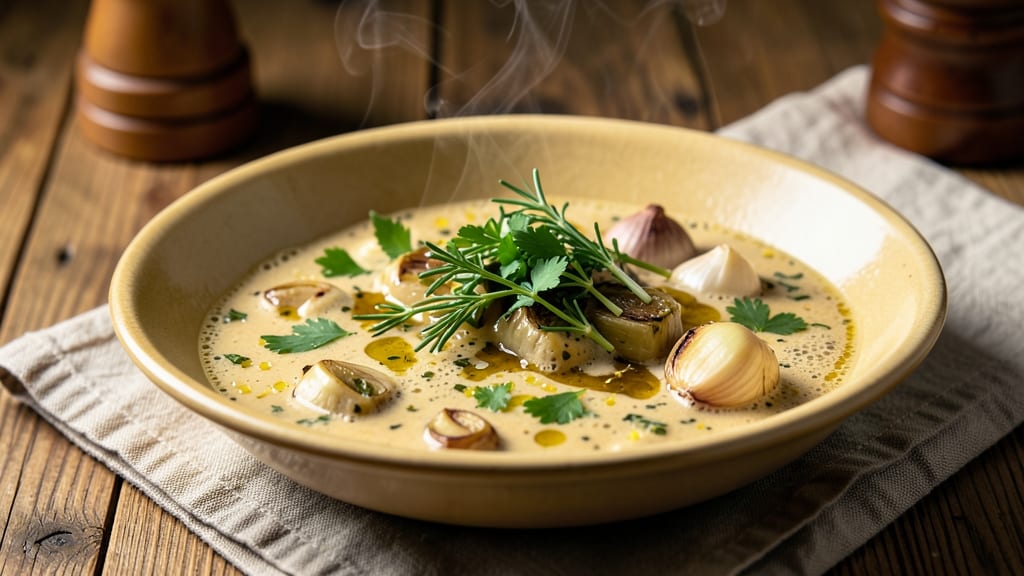
This artichoke butter sauce transforms simple meals into gourmet experiences with its velvety texture and bright, herby flavor. 💛 The secret lies in blending creamy butter with jarred artichoke hearts, garlic, and fresh herbs—a perfect balance of richness and acidity that elevates everything from pasta to grilled fish.
Unlike store-bought versions, this sauce develops deeper flavor when made fresh, with the artichokes breaking down into a smooth, spreadable consistency that clings beautifully to any dish.
What sets this recipe apart is its versatility and ease—just blend together butter, artichokes, garlic, lemon juice, and a handful of fresh parsley and thyme.
The sauce comes together in minutes, yet its flavor profile is complex, thanks to the caramelized notes from the artichokes and the bright pop of lemon.
It’s ideal for drizzling over fettuccine alfredo, spreading on crusty bread, or pairing with roasted vegetables, where its creamy texture and savory depth shine.
The result is a sauce that’s restaurant-quality yet simple to make, with a smooth, velvety finish that stays creamy even after refrigeration. The artichokes add a subtle tang, while the herbs keep it fresh and vibrant.
Best of all, it keeps well in the fridge for up to 4 days, making it a perfect make-ahead option for busy weeknights or entertaining.
Whether you’re looking to impress guests or simply add a touch of elegance to a weeknight dinner, this artichoke butter sauce delivers effortless sophistication. The blend of textures—creamy, slightly grainy, and herby—makes every bite unforgettable. Ready to elevate your meals? Let’s get started.
Ingredients for artichoke butter sauce
Nine ingredients transform into restaurant-worthy artichoke butter sauce with velvety texture and vibrant herby notes.
| Ingredient | Amount | Notes |
|---|---|---|
| Unsalted Butter 🧈 | ¾ cup | Cold, cubed for blending |
| Jarred Artichoke Hearts 🥬 | 1 cup | Drained, chopped if large |
| Garlic Cloves 🧄 | 3 cloves | Peeled, lightly crushed |
| Fresh Parsley 🌿 | ¼ cup | Stems removed, loosely packed |
| Fresh Thyme Leaves 🌿 | 1 tbsp | Or 1 tsp dried thyme |
| Lemon Juice 🍋 | 1 ½ tbsp | Freshly squeezed |
| Diamond Crystal Kosher Salt 🧂 | ½ tsp | Adjust to taste |
| Freshly Ground Black Pepper 🌶️ | ¼ tsp | Freshly cracked |
| Extra-Virgin Olive Oil 🫒 | 1 tbsp | For finishing drizzle |
The butter is the foundation—use unsalted so you control the seasoning, and grab it from the coldest part of the fridge for perfect blending. Artichoke hearts should be jarred, not marinated—the plain ones from Trader Joe's or Whole Foods work best. Fresh herbs are non-negotiable here; parsley and thyme from the grocery store's produce section should be bright green and fragrant. If you're missing thyme, dried works at one-third the amount, but fresh gives that restaurant-quality depth. For garlic, three cloves is perfect—don't overdo it, or the sauce gets bitter. The lemon juice? Freshly squeezed is key; bottled just won't cut it.
No artichoke hearts? Sun-dried tomatoes in oil can mimic the tang, though the texture will differ. Short on butter? Vegan butter or coconut oil works, but the sauce will be slightly less rich. Fresh herbs wilt fast—if you're prepping ahead, wrap them in damp paper towels and store in the fridge. For a smoother sauce, blend the artichokes longer, but leave it slightly grainy for that authentic texture. The olive oil at the end is optional but adds a silky finish—drizzle it in slowly while blending to emulsify perfectly.
This sauce keeps beautifully—4 days in the fridge, sealed in an airtight jar with a thin layer of olive oil on top to preserve freshness. For longer storage, freeze in ice cube trays and transfer to a bag; it'll last 3 months. Reheat gently in a saucepan or microwave until just warm—never boil, or it'll separate. The best part? It tastes even better the next day as flavors meld. Portion into small jars for easy use—perfect for drizzling over pasta, topping grilled fish, or spreading on crusty bread.
Why You'll Love This Recipe
- Here’s what sold me: the way melted butter clings to those artichoke hearts, then gets brightened by fresh thyme and parsley. It’s rich but not heavy, with that crisp garlic bite that makes every spoonful worth it. (Honestly, I’ve used it on toast, eggs, and even grilled chicken—each time, it’s a win.)
- Five-Ingredient Magic: I swear by this—no chopping, no fuss. Just melt butter, blend in those jarred artichoke hearts (yes, the canned kind works perfectly), and toss in whole garlic cloves for the blender to crush. That’s it. Even my "I can’t cook" friend nailed it.
- Umami Bomb: Here’s what sold me: the way melted butter clings to those artichoke hearts, then gets brightened by fresh thyme and parsley. It’s rich but not heavy, with that crisp garlic bite that makes every spoonful worth it. (Honestly, I’ve used it on toast, eggs, and even grilled chicken—each time, it’s a win.)
- Weeknight to Dinner Party: Between us, this sauce is my secret weapon for lazy nights and when I’m trying to impress. Drizzle it over roasted veggies for a fancy-ish side, or slather it on grilled steak for a restaurant-worthy finish. The jarred hearts keep it simple, but the flavor? Chef’s kiss.
Step-by-step instructions for artichoke butter sauce
This herb-infused sauce transforms simple ingredients into velvety richness perfect for pasta, bread, or roasted vegetables.
🍳 Step 1: Pulse the Artichoke and Herb Base
Place the cold, cubed unsalted butter in a food processor fitted with the metal blade. Add the 1 cup jarred artichoke hearts (chopped if large), 3 peeled garlic cloves, and 0.25 cup fresh parsley. Pulse the mixture for 10-12 seconds until the artichokes are finely chopped but not puréed—you want visible texture for that beautiful artichoke speckle.
Stop and scrape down the sides of the bowl to ensure even blending. Here's the thing—you're not making a smooth sauce yet, but rather creating a flavorful butter base with visible artichoke flecks. This texture is what makes this sauce so visually stunning when drizzled over pasta or bread.
🍳 Step 2: Incorporate Herbs and Seasonings
Add the 1 tablespoon fresh thyme leaves, 1.5 tablespoons lemon juice, 0.5 teaspoon kosher salt, and 0.25 teaspoon freshly ground black pepper to the food processor. Pulse again for 5-6 seconds just to combine—you don't want to over-process or the herbs will turn to dust. The mixture should look like a chunky, herby butter with visible artichoke pieces.
Taste the mixture right from the processor. It should be bright, herby, and tangy from the lemon. If it needs more brightness, add another ½ teaspoon lemon juice. This is your flavor checkpoint—adjust now before the butter melts completely. The acidity from the lemon will balance the richness of the butter beautifully.
⏰ Step 3: Create the Perfect Emulsion
Transfer the artichoke-herb mixture to a small saucepan set over low heat. Let it melt slowly, stirring constantly with a silicone spatula for 3-4 minutes until the butter is completely melted but not browned. You're looking for a smooth, creamy consistency with visible artichoke specks.
Here's where it gets fun—this is the moment that matters: once fully melted, remove the pan from heat and immediately whisk in the 1 tablespoon extra-virgin olive oil. The olive oil helps stabilize the emulsion, preventing the sauce from separating. Return the pan to low heat for just 30 seconds to warm through, then whisk off heat again.
🥘 Step 4: Finish and Serve Immediately
Let the sauce rest for 1-2 minutes off the heat—this allows the flavors to meld completely. The sauce should be silky and glossy with those beautiful artichoke specks suspended throughout. If it thickens too much, whisk in 1 teaspoon warm water to reach your desired consistency.
Here's the best part: this sauce is at its peak when served immediately. Drizzle generously over hot pasta, fresh bread, or roasted vegetables. The contrast of the warm, creamy sauce against the heat of the food is what makes it truly special. Store any leftovers in an airtight container in the refrigerator for up to 3 days, but honestly, it'll disappear quickly!
Pro Tips For Making Artichoke Butter Sauce
- Drain and Pat Dry: Jarred artichoke hearts come packed in brine or oil, and that moisture turns your sauce into a sad, watery mess. After draining, lay them on a paper towel and press gently with another towel—this step alone makes the texture richer and the flavor pop. (Yes, even if you’re impatient like me, take the 30 seconds.)
- Mince the Garlic Fine: Whole garlic cloves in artichoke butter sauce? That’s how you end up with a chunky, uneven bite. Use a microplane or knife to mince them into tiny pieces—think rice grains, not slivers. This ensures every spoonful is smooth and flavorful, not a surprise garlic surprise.
- Low Heat, Long Simmer: I learned this the hard way—high heat burns butter fast, turning your sauce into a greasy, bitter disaster. Keep the heat at a gentle simmer (barely bubbling) for 8–10 minutes. If it smells nutty or smoky, you’ve gone too far. The butter should melt into the artichokes, not brown them.
- Toast the Herbs: Fresh parsley and thyme taste bland in cold sauces because they’re underused. Before blending, heat the dry herbs in a dry pan for 10 seconds until fragrant—just enough to wake up their flavor. Then toss them into the warm butter mix. (Your future self will notice the difference.)
Regional styles of these flavors
Italian Coastal Style
In coastal Italian regions like Liguria and Tuscany, artichoke butter sauce gets a bright, citrusy twist. Add 1 teaspoon grated lemon zest to the food processor with the herbs for an immediate aromatic boost.
Many Italian cooks also incorporate ½ teaspoon fennel seeds (lightly toasted) into the butter base—this adds an anise-like warmth that pairs beautifully with the artichokes.
For an authentic touch, finish with a drizzle of high-quality Italian olive oil like Bertolli or Colavita, and a sprinkle of flaky sea salt instead of kosher. 🍋
French Provençal Twist
Provençal chefs take this sauce in a completely different direction by infusing the butter with 2 sprigs fresh tarragon and 1 sprig fresh rosemary (removed after blending). The French version often includes 1 tablespoon white wine vinegar instead of lemon juice, creating a more complex acidity.
For extra depth, sauté ½ cup finely diced shallots in olive oil until translucent before blending with the butter mixture. This version works beautifully with bouillabaisse or grilled sea bass. 🌿
Southern U.S. Adaptation
In the American South, this sauce often gets a smoky, spicy kick. Add ½ teaspoon smoked paprika and ¼ teaspoon cayenne pepper to the seasoning blend, then finish with a drizzle of hot honey (like Baldor Hot Honey) before serving.
Many Southern cooks also incorporate ½ cup cooked and crumbled andouille sausage into the sauce for a meaty depth. This version pairs perfectly with shrimp and grits or cornbread. 🌶️
Mediterranean Greek Version
Greek cooks often transform this sauce into a tzatziki-inspired dip by adding ½ cup Greek yogurt to the butter mixture. The sauce gets a tangy, cooling quality that works wonderfully with grilled lamb chops or as a dip for pita bread.
For extra authenticity, add 1 teaspoon dried oregano and a pinch of ground coriander to the herb blend. The Greek version keeps beautifully for 5 days in the refrigerator due to the yogurt's natural preservation properties. 🥙
Nordic Scandinavian Style
In Nordic cuisine, this sauce takes on a lighter, more herb-forward profile. Replace the thyme with 1 tablespoon fresh dill and add ½ teaspoon ground cardamom for warmth. Many Scandinavian cooks also incorporate 1 tablespoon crème fraîche at the end for a tangy finish.
This version pairs exceptionally well with smoked salmon or herring, and the cardamom adds a subtle complexity that balances the richness of the butter. ❄️
Nutrition facts
Frequently asked questions
Can I use fresh artichokes instead of jarred ones?
Fresh artichokes work but require extra prep! Trim off the tough outer leaves, remove the choke, and steam or boil them for 15-20 minutes until tender. Then chop and drain well before using. Fresh artichokes add a slightly more fibrous texture, so you may want to blend them longer for a smoother sauce.
Why did my sauce separate?
This usually happens when the sauce gets too hot or lacks an emulsifier. The olive oil in this recipe helps stabilize it, but if it still separates, whisk in 1 teaspoon warm water or a splash of lemon juice to bring it back together. Always melt the butter over low heat to prevent curdling.
How can I make this sauce dairy-free?
Swap the butter for ½ cup vegan butter or coconut oil, and use ¼ cup neutral oil (like avocado) instead of olive oil for finishing. The texture will be slightly lighter, but the herby artichoke flavor remains rich. For extra creaminess, stir in 2 tablespoons cashew cream at the end.
What's the best way to reheat leftovers?
Gently reheat in a saucepan over low heat with 1 tablespoon water to prevent drying out. Never microwave directly—it can make the sauce grainy. For best results, reheat just until warm (about 1-2 minutes
Can I add this sauce to cold dishes?
The sauce works beautifully on cold pasta salads, chilled seafood platters, or as a dip for vegetables. For a smoother texture, blend in 1 teaspoon cold water before serving. The creamy consistency actually enhances cold dishes by adding richness without overpowering.