
Sauces & Condiments
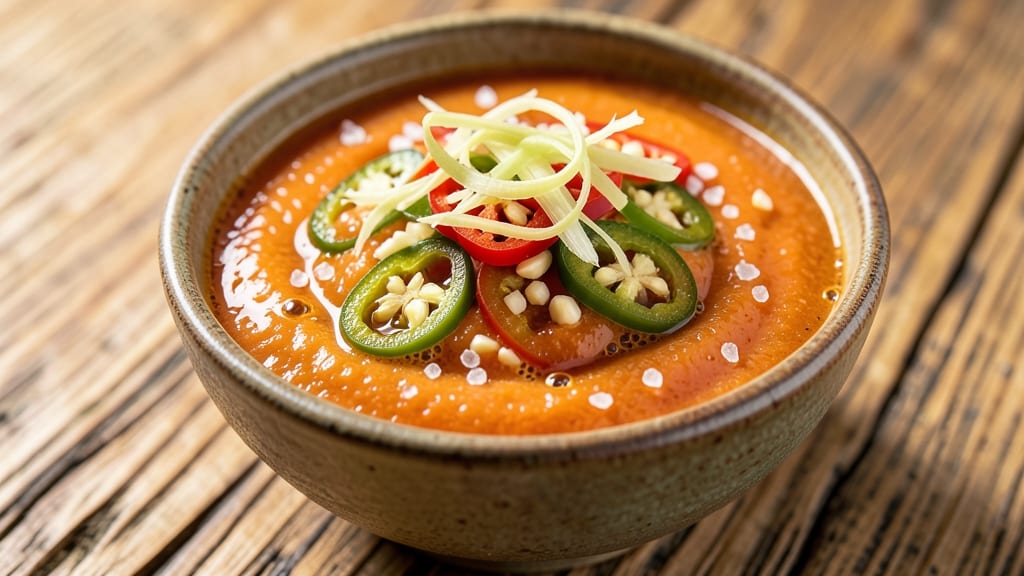
This Aruba papaya hot sauce recipe transforms the island's signature fruit into a bold, fermented condiment that balances tropical sweetness with fiery heat. 🌶️ The key lies in fermenting fresh papaya with chili peppers and garlic, creating a complex sauce that deepens over time—perfect for adding a Caribbean kick to grilled meats, seafood, or even cocktails.
What sets this sauce apart is its dual fermentation process: first, the papaya and spices ferment to develop depth, then a vinegar base preserves the flavors while maintaining that bright, fruity punch.
The result is a smooth yet spicy sauce with layers of umami from fermented garlic and a lingering tropical sweetness from the papaya.
Unlike store-bought hot sauces, this recipe delivers authentic Aruban flavor with no artificial ingredients. The fermentation process makes it shelf-stable for months, though it tastes best after 2-4 weeks when the flavors fully meld. Adjust the heat level by controlling the chili variety—from mild habaneros to fiery Scotch bonnets.
Whether you drizzle it over grilled mahi-mahi, mix it into marinades, or use it as a cocktail garnish, this sauce brings tropical heat to every dish. Ready in just 10 minutes of prep (plus fermentation time), it’s a game-changer for home cooks who crave restaurant-quality depth without the fuss.
Ingredients for aruba papaya hot sauce
Nine ingredients transform ripe papaya into a fermented hot sauce with Caribbean depth and tropical heat.
| Ingredient | Amount | Notes |
|---|---|---|
| Ripe Papayas 🍈 | 3 cups | Seedless, flesh only, finely chopped |
| Fresh Garlic Cloves 🧄 | 6 cloves | Minced, skin-on for flavor |
| Fresh Chili Peppers 🌶️ | 4 whole | Habanero or Scotch bonnet, seeds removed |
| Apple Cider Vinegar 💧 | 1 cup | Raw, unfiltered preferred |
| Fresh Ginger Root 🌿 | 1 ½ oz | Peeled, finely grated |
| Granulated Sugar 🍚 | ½ cup | Light brown preferred |
| Sea Salt 🧂 | 1 tsp | Diamond Crystal preferred |
| Water 💧 | ½ cup | Filtered, room temperature |
| Extra-Virgin Olive Oil 🫒 | ¼ cup | For emulsification |
| Lemon Juice 🍋 | 2 tbsp | Freshly squeezed |
The papaya and garlic are the foundation—ripe papayas ensure sweetness while skin-on garlic cloves add umami depth. For chili peppers, habaneros deliver mild heat while Scotch bonnets bring fiery intensity; adjust based on heat preference. Whole Foods or Latin markets are best for fresh peppers, but grocery store produce sections work too. The ginger root should be firm and aromatic—avoid any with soft spots or mold. If you can't find fresh ginger, substitute 1 tbsp ground ginger, though fresh yields better flavor.
No apple cider vinegar? White vinegar or rice vinegar works in a pinch, though flavor will differ slightly. The sugar isn't just for sweetness—it helps fermentation along and balances acidity. Light brown sugar adds subtle caramel notes, but granulated is fine. For emulsification, avocado oil can replace olive oil, though it has a neutral taste. The lemon juice brightens the sauce, so use freshly squeezed—bottled lacks the same tang. If you're short on time, ferment the papaya mixture for just 24 hours instead of 48, though flavors will be less complex.
This sauce ferments best in a glass jar with an airlock, though a regular jar with a loose lid works too. Store in a cool, dark place for 48 hours, then refrigerate after adding vinegar. Once vinegar is incorporated, the sauce keeps for 6-12 months in the fridge. For single servings, freeze in ice cube trays—perfect for adding heat to cocktails or marinades. The sauce deepens over time, so taste after 2 weeks for peak flavor.
Why You'll Love This Recipe
- No Blender Required: I swear by this—just chop, mash, and strain. No fancy equipment, no pulsing until your arm falls off. The papaya’s natural sweetness and the vinegar’s tang blend effortlessly with a wooden spoon and a fine-mesh sieve.
- Sweet Heat Balance: That first bite? It’s like sunshine and fireworks. The ripe papaya’s honeyed ripeness softens the chili’s kick while the ginger and garlic add this warm depth—like a hug for your taste buds, but with a little bite.
- Party in a Bottle: Serve it with grilled shrimp, drizzle it over tacos, or let your kids (yes, even the picky ones) dip chips in it. It’s the one condiment that turns anything into an event—no extra prep, just pure flavor.
- Lasts All Week: Between us, I make a big batch and it’s still there when I open the fridge on Thursday. The vinegar keeps it fresh, and the cost? A fraction of store-bought. Plus, it’s way more exciting than ketchup.
Step-by-step instructions for Aruba papaya hot sauce
Transform tropical flavors into a vibrant, fermented hot sauce with this precise method.
🍳 Step 1: Blend the Base Ingredients for Maximum Flavor Extraction
In a high-powered blender, combine the 3 cups of finely chopped ripe papayas, 6 cloves minced fresh garlic cloves, 4 whole fresh chili peppers (seeds removed), 1.5 oz peeled and finely grated fresh ginger root, and 2 tablespoons freshly squeezed lemon juice. I pulse briefly to break up the chili peppers and ginger before blending on high for 30-45 seconds until completely smooth.
The goal here is to create a uniform puree that will emulsify beautifully with the vinegar and oil. You'll notice the mixture will be vibrant orange with flecks of green from the ginger and chili. If your blender struggles, work in batches—this puree forms the flavor foundation, so take your time. The texture should be silky, not grainy, with no visible chunks remaining.
🥘 Step 2: Cook the Mixture to Develop Complex Flavors
Transfer the papaya puree to a medium saucepan and add 1 cup apple cider vinegar, 0.5 cup granulated sugar, 1 teaspoon sea salt, and 0.5 cup filtered water. Stir well to combine all ingredients thoroughly. Place the pan over medium heat and bring to a gentle simmer, which should take about 5-7 minutes.
Once simmering, reduce heat to low-medium and let the mixture cook uncovered for 15-20 minutes, stirring occasionally. You're looking for the flavors to meld and the mixture to reduce slightly—about 20-25% reduction. The sauce should coat the back of a spoon and develop a glossy sheen. This cooking step caramelizes the natural sugars in the papaya and vinegar, creating depth that raw blending can't achieve.
🔥 Step 3: Emulsify with Olive Oil for Silky Texture
Remove the saucepan from heat and let it cool slightly for 5 minutes. While it cools, warm the 0.25 cup extra-virgin olive oil in a small saucepan over low heat until just warm to the touch—about 110°F. This gentle warming helps the oil emulsify better with the acidic papaya mixture.
With the sauce still warm (but not hot), slowly drizzle the warm olive oil into the sauce while whisking vigorously. The sauce should begin to thicken and develop a velvety texture. If it separates at any point, simply whisk more vigorously—this is normal and temporary. The final texture should be smooth, almost like a thin hot sauce with a luxurious mouthfeel. This emulsification step is what transforms a simple blend into a restaurant-quality condiment.
⏰ Step 4: Ferment for 3-5 Days at Room Temperature
Transfer the emulsified hot sauce to a clean, sterilized glass jar with an airtight lid. Leave about 1 inch of headspace at the top. Place the jar in a dark, warm spot (around 70-75°F) for 3-5 days. This fermentation period develops the signature tang and complexity of Aruban hot sauces.
You'll notice bubbles forming and a slight effervescence when you open the jar—this is normal fermentation at work. Taste after 3 days to check for desired acidity. If it's not tangy enough, continue fermenting for up to 2 more days. The flavor will evolve from sweet and fruity to a balanced tropical heat with fermented depth. Don't skip this step—it's what transforms good sauce into exceptional sauce.
🍽️ Step 5: Strain, Bottle, and Store Properly
After fermentation, strain the sauce through a fine-mesh sieve into a clean bowl, pressing gently on the solids to extract all the liquid. Discard the solids or compost them—they've given everything they can. Return the strained sauce to a sterilized jar and seal tightly.
The hot sauce will keep in the refrigerator for up to 3 months, with flavors actually improving over time. For best results, use within 2 months for peak freshness. This vibrant orange sauce with its tropical papaya sweetness and underlying heat makes an extraordinary condiment for seafood, grilled meats, or even drizzled over fresh fruit salads. The balance of sweet, spicy, and tangy flavors is what makes this Aruban hot sauce truly special.
Pro Tips For Making Aruba Papaya Hot Sauce
- Peel Ginger Like a Pro: Skip the peeler—use a spoon to scoop the flesh right off the root in one smooth motion. You’ll save time and avoid the bitter, stringy bits that ruin the sauce’s bright flavor. (Yes, even if you’re impatient like me.)
- Blister Chilies Whole: Toss whole chilies in a dry skillet over medium-high heat until blackened in spots—this concentrates their heat without burning. Smash them afterward; the char adds depth, but crushed skins make the sauce grainy.
- Strain Twice for Smoothness: After blending, strain through a fine-mesh sieve first, then a cheesecloth. The second pass catches the tiny papaya fibers that turn your sauce into a chunky mess. Trust me, your future self will thank you.
- Vinegar First, Then Papaya: Add apple cider vinegar to the pot before cooking the papaya—it jumpstarts the flavor extraction and prevents the sauce from tasting flat. I learned this the hard way after a batch that tasted like overripe fruit.
Best sauces and condiments for these flavors
Sweet & Spicy Balance
This hot sauce thrives on the perfect harmony between tropical sweetness from ripe papaya and fiery heat from habaneros or Scotch bonnets. For a milder version, reduce chilis to 2 whole peppers or remove seeds entirely.
To intensify sweetness, add 1 extra tablespoon of sugar during cooking. I love balancing it with 1 teaspoon of honey after fermentation for a caramelized finish. 🌶️
Fermented Depth Variations
Extend fermentation beyond 5 days for deeper tang—some batches taste best after 7-10 days. For a garlicky kick, add 2 extra cloves during blending. Experiment with 1 teaspoon of smoked paprika during the cooking step for a subtle smoky note.
Trust me, the longer it ferments, the more complex the flavors become. 💫
Smoky & Herbal Twists
Infuse the sauce with smoky depth by adding 1 teaspoon of liquid smoke during the cooking phase. For herbal brightness, blend in 1 tablespoon of fresh cilantro or thyme after fermentation. A splash of 1 tablespoon of coconut aminos adds umami richness—especially great for Asian-inspired dishes. 🌿
Sweet Heat Adjustments
Need more sweetness? Swap ½ cup of sugar for ½ cup of mango puree—it adds natural sweetness while keeping the tropical theme. For a spicier kick, blend in 1 teaspoon of cayenne pepper during the cooking step.
I’ve also found that adding 1 teaspoon of ground coriander enhances the overall warmth. 🔥
Cocktail & Dipping Uses
This sauce shines in cocktails—try drizzling it over piña coladas or mojitos for a tropical twist. For dipping, pair it with grilled shrimp skewers or plantain chips.
A 1:1 ratio of sauce to mayonnaise makes an incredible sandwich spread. The versatility is what makes this sauce a pantry staple. ✨
Storage & Shelf Life
Store in a sterilized glass jar with an airtight lid in the fridge for up to 3 months. For long-term storage, freeze in ice cube trays—perfect for single-use portions.
The sauce actually improves with age, developing richer flavors. If it thickens over time, simply whisk in 1 teaspoon of water to restore consistency. ❄️
Nutrition facts
Frequently asked questions
Can I substitute papaya with another fruit?
While papaya is essential for that authentic Aruban flavor, you can use mango or guava in a pinch for similar tropical sweetness. However, the texture and fermentation profile will differ slightly. For the closest match, blend 2 cups of mango puree with 1 cup papaya puree—this maintains some of the fermented depth while keeping the sweet-spicy balance.
How do I adjust the heat level?
For milder heat, use habanero peppers with seeds removed or reduce to 2 peppers total. For extra fire, add 1 Scotch bonnet pepper (seeds in) or blend in ½ teaspoon cayenne pepper during cooking. Always taste as you go—heat builds during fermentation!
What if my hot sauce separates?
This happens when oil and vinegar phases don't emulsify properly. Fix it by whisking vigorously while warming the sauce gently (don't boil). For stubborn separation, blend in 1 teaspoon of Dijon mustard or 1 tablespoon of xanthan gum to stabilize. Prevention tip: Warm the oil to 110°F before adding it to the sauce.
Can I make this without fermentation?
Yes! Skip fermentation by blending all ingredients, simmering for 25-30 minutes to reduce, then straining. The flavor will be brighter but less complex. For quick use, add 1 extra tablespoon of vinegar to compensate for missing tang. This method works well for immediate use but lacks the depth of fermented versions.
How should I use this hot sauce?
Drizzle over grilled seafood, marinades for jerk chicken, or even cocktails like piña coladas. Mix with mayo for sandwich spreads or toss with plantain chips for dipping. Start with ½ teaspoon per serving—it's potent! The sweet-spicy balance works surprisingly well with cheese boards too.