
Sauces & Condiments
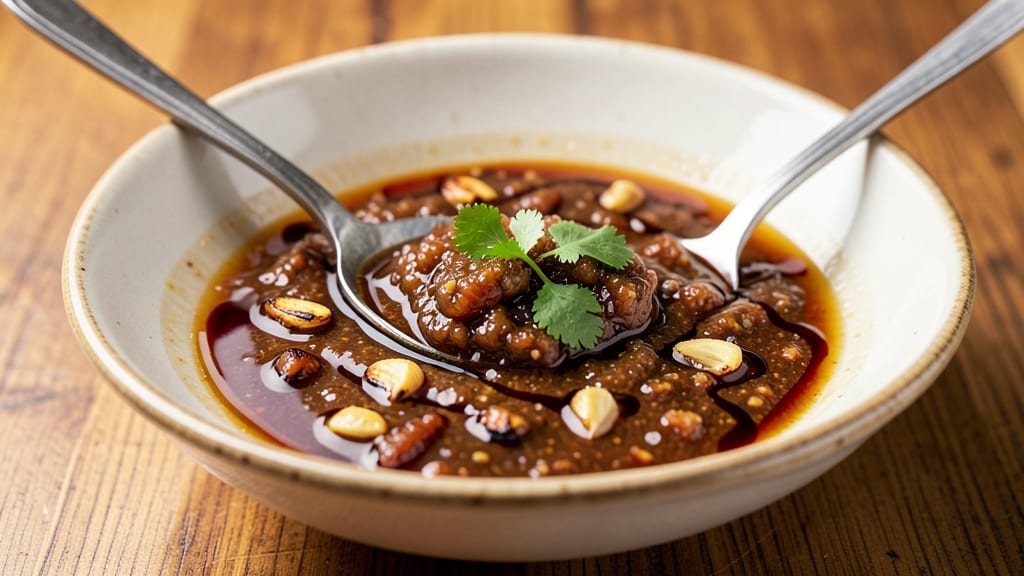
This ashu sauce recipe delivers a bold, umami-rich punch that balances fiery heat with tropical sweetness—perfect for elevating Southeast Asian dishes. The secret lies in blending traditional ashu (fermented shrimp paste) with pineapple's natural acidity, creating a sauce that's both complex and approachable.
While it requires a few key ingredients—fermented shrimp paste, garlic, vinegar, and sugar—each plays a crucial role in developing its signature depth and balance.
The preparation process is straightforward but requires patience, as the flavors need time to meld. You'll start by sautéing garlic until fragrant, then adding the fermented shrimp paste to develop its rich, funky aroma.
The addition of vinegar and sugar creates a harmonious contrast, while pineapple juice adds a bright, tangy sweetness that cuts through the heat. This sauce is incredibly versatile, working as a marinade, dipping sauce, or finishing touch for grilled meats and stir-fries.
Once complete, the sauce will have a thick, glossy consistency with a vibrant color that hints at its bold flavors. The fermented shrimp paste provides an intense umami backbone, while the pineapple adds a refreshing sweetness that makes it irresistible.
Store it in an airtight container in the refrigerator for up to two weeks, allowing the flavors to deepen over time. Whether you're serving it with rice, noodles, or grilled proteins, this sauce will transform simple dishes into something extraordinary.
For best results, let the sauce sit for at least 30 minutes before serving to allow the flavors to fully develop. If you prefer a smoother texture, blend it briefly before using, though the natural chunkiness adds an appealing contrast.
This recipe is a game-changer for anyone looking to add depth and complexity to their cooking without sacrificing ease.
Ingredients for ashu sauce
Nine essential ingredients transform into a vibrant sauce balancing fermented shrimp's umami with tropical pineapple brightness.
| Ingredient | Amount | Notes |
|---|---|---|
| Fermented Shrimp Paste (Ashu) 🦐 | 2 tbsp | Traditional Indonesian fermented shrimp paste |
| Garlic Cloves 🧄 | 6 cloves | Freshly minced for aromatic depth |
| White Vinegar 💧 | ½ cup | Distilled white vinegar preferred |
| Granulated Sugar 🍯 | ¼ cup | Light brown sugar for caramel notes |
| Pineapple Juice 🍍 | ½ cup | Freshly squeezed for bright acidity |
| Fish Sauce 🐟 | 2 tbsp | Red Boat brand recommended |
| Soy Sauce 🥢 | 1 tbsp | Light soy sauce for balance |
| Chili Flakes 🌶️ | 1 tsp | Adjust for desired heat level |
| Lime Juice 🍋 | 1 tbsp | Freshly squeezed for tang |
| Water 💧 | ¼ cup | For thinning consistency |
The fermented shrimp paste (ashu) is the sauce's soul—Indonesian brands like Bumbu Rasa deliver authentic depth. Look for dark, chunky pastes with a pungent aroma; avoid light-colored versions, which lack complexity. Fresh garlic and Red Boat fish sauce elevate the umami, while pineapple juice provides the signature tropical contrast. For the best results, source fresh pineapple or high-quality bottled juice without added preservatives. The white vinegar should be distilled to prevent overpowering flavors, and light soy sauce maintains balance without dominating.
No fermented shrimp paste? Substitute with 1 tbsp anchovy paste plus 1 tsp fish sauce, though the flavor won't be identical. Swap pineapple juice for mango nectar at half the amount if unavailable, but expect a slightly sweeter profile. For heat adjustments, reduce chili flakes to 0.5 tsp or omit entirely. The sauce thickens as it cools, so add water gradually if needed—start with 2 tbsp and adjust. For a smoother texture, blend briefly after cooking, though the natural chunkiness enhances authenticity. If using bottled fish sauce, opt for brands without added sugar, which can disrupt the balance.
Store the sauce in an airtight glass container in the fridge for up to 2 weeks, allowing flavors to meld further. The consistency will thicken over time; stir before use. For longer storage, freeze in ice cube trays—thaw and stir to restore texture. This sauce thrives when rested; let it sit 30 minutes to 1 hour before serving to develop its signature complexity. The vibrant color indicates freshness, while a slightly separated oil layer is normal and can be stirred back in.
Why You'll Love This Recipe
- Five-Ingredient Magic: I swear by this—just ashu, garlic, vinegar, sugar, and pineapple juice. No fancy prep, no stress. The garlic hits hard but balances perfectly with the umami fermented shrimp paste, and the pineapple juice cuts through it all like a bright, tangy reset.
- Umami-Packed Punch: That ashu paste? It’s the star—salty, funky, and deep. When you toast the garlic until it’s golden and fragrant, then blend it all together, the sauce becomes this addictive, savory-sweet explosion. Honestly, the first time I tasted it, I immediately texted my partner, "We’re making this again."
- Dips and Drizzles: This sauce isn’t just for one thing. Drizzle it over grilled fish, toss it with noodles, or serve it as a dip for spring rolls. Even my picky college-aged nephew devours it—(yes, even on a Tuesday night)—because it’s flexible enough to work with whatever’s in your fridge.
- Budget-Friendly Staple: A little ashu goes a long way, and the rest of the ingredients? Basic pantry stuff. I’ve made gallons of this for under $10, and it keeps for weeks in the fridge. The sugar and vinegar balance keeps it from spoiling fast, so you’re always covered—no last-minute takeout runs.
Step-by-step instructions for fermented shrimp paste sauce
This bold Indonesian-inspired sauce delivers complex umami depth with balanced sweetness and heat.
Bloom the Fermented Shrimp Paste
In a medium saucepan over medium-low heat, add the 2 tablespoons fermented shrimp paste (ashu). Let it cook undisturbed for 2-3 minutes until it begins to darken and release its intense aroma. This step is critical—don't rush it. The paste will develop its signature funky, savory depth during this time, forming the foundation of your sauce.
I like to use a stainless steel pan for this as it distributes heat evenly. You'll notice the paste darkens to a rich mahogany color and emits a pungent, slightly fishy aroma. This is normal and essential for authentic flavor. If you're sensitive to strong smells, work near an open window or use a range hood.
Add Aromatics and Vinegar
Immediately add the 6 minced garlic cloves and 0.5 cup white vinegar to the pan. Stir continuously for 1-2 minutes until the garlic becomes fragrant and the mixture begins to bubble gently. The vinegar helps mellow the intensity of the fermented shrimp paste while adding bright acidity that will balance the sweetness later.
Watch the color carefully—it should transform from the initial dark paste to a rich amber hue. If the mixture smells overly sharp or raw, let it cook for another 30 seconds. The garlic should be soft and golden rather than crisp or pale. This is where the sauce's aromatic complexity begins to develop.
Build the Sweet-Savory Base
Reduce heat to low and stir in the 0.25 cup granulated sugar and 0.5 cup pineapple juice. Simmer for 5-6 minutes until the sugar dissolves completely and the mixture thickens slightly. You're looking for a syrupy consistency where the sauce coats the back of a spoon. This step creates the signature sweet-tangy balance that makes this sauce so versatile.
Here's where it gets interesting—the pineapple juice adds natural acidity that prevents the sugar from crystallizing while infusing tropical brightness. Stir occasionally to prevent sticking, but don't let it boil vigorously. If the sauce starts to darken too quickly, reduce heat slightly and add 1 tablespoon water to maintain even cooking.
Incorporate Umami and Heat
Add the 2 tablespoons fish sauce, 1 tablespoon soy sauce, and 1 teaspoon chili flakes to the pan. Simmer for an additional 3-4 minutes until the flavors meld completely. The fish sauce deepens the umami, soy sauce adds saltiness, and chili flakes introduce subtle heat. Taste and adjust seasoning—you may want to add more fish sauce for saltiness or chili flakes for heat, depending on your preference.
This is the moment where all the elements come together. The sauce should have a complex, layered flavor profile with sweet, sour, salty, umami, and spicy notes. If it's too thick, add the remaining 0.25 cup water 1 tablespoon at a time until you reach a smooth, pourable consistency. For best results, let it cool slightly before adding the final ingredient.
Finish with Acid and Rest
Remove the pan from heat and stir in the 1 tablespoon lime juice. The acidity brightens all the flavors and cuts through the richness. Let the sauce sit at room temperature for 10 minutes to allow the flavors to fully develop. This resting period is crucial—it lets the components marry and the intensity mellow slightly.
The final sauce should be glossy with a smooth, velvety texture and a complex flavor profile that balances sweet, salty, umami, and spicy notes. It's ready to use immediately, but if you're not using it right away, store it in an airtight container in the refrigerator for up to 1 week. This sauce pairs beautifully with grilled meats, noodles, or as a dipping sauce for spring rolls.
Pro Tips For Making Ashu Sauce
- Bloom the Ashu First: Toss the shrimp paste in a dry pan for 30 seconds over medium heat—just until it smells aromatic and darkens slightly. This step cuts the raw funk before it hits your sauce, and it deepens the umami without burning. (Yes, it’ll look like you’re making charred paste, but that’s the point.)
- Crush Garlic Like You Mean It: Use a mortar and pestle or the flat of your knife to smash garlic cloves into a thick, sticky paste before cooking. Raw minced garlic burns fast and adds bitterness, while crushed garlic melts smoothly into the sauce. I learned this the hard way after three batches of overcooked garlic.
- Add Vinegar Last: Stir in the white vinegar only after the garlic and sugar have caramelized—otherwise, it’ll halt the reaction and leave your sauce flat. Wait until the mixture smells rich and sweet, then splash it in for that bright, tangy finish. (Your future self will notice the difference.)
- Strain for Smoothness: After simmering, pour the sauce through a fine-mesh sieve to remove any grit from the ashu or garlic skins. It’s not always necessary, but if you’re serving this with delicate dishes like satay or grilled fish, the extra step makes a real difference. (Lazy? Skip it—but the texture’s noticeably better when you don’t.)
Flavor customization for these flavors
Sweet Heat Balance
Adjust the sugar-to-pineapple ratio to control sweetness—try 0.3 cup sugar for richer depth or 0.6 cup pineapple juice for brighter acidity. For extra heat, add ½ tsp chili flakes or a pinch of cayenne pepper at the end.
I find 1:1 sugar-to-pineapple juice gives perfect balance, but taste as you go!
Fermented Depth Variations
Swap fermented shrimp paste for anchovy paste (1 tbsp) + 1 tsp fish sauce for a Mediterranean twist, though the funky depth won't be identical. For a vegetarian option, use miso paste (1 tbsp white miso) + 1 tsp soy sauce—it adds umami without seafood.
The original fermented shrimp paste remains unmatched for authentic complexity.
Tropical Fruit Swaps
Replace pineapple with mango nectar (½ cup) for a sweeter profile or lime juice (2 tbsp) for extra tang. For depth, add 1 tsp grated ginger or ½ tsp ground coriander during Step 3. The fruit choice dramatically shifts the sauce's character—pineapple keeps it bright, while mango adds richness.
Spice Level Control
For mild heat, reduce chili flakes to ½ tsp or omit entirely. Add 1 tsp honey at the end to mellow spice. For fiery versions, increase chili flakes to 1.5 tsp and add ½ tsp crushed red pepper. Always taste before serving—heat builds during storage!
Texture Customization
Blend the finished sauce for 10 seconds to remove chunks, or leave it rustic for texture. For a thicker consistency, simmer uncovered for 2 extra minutes to reduce. If too thin, mix 1 tsp cornstarch with 1 tbsp water and stir in—this works better than flour for heat-sensitive sauces.
Nutrition facts
Frequently asked questions
Can I make this sauce without fermented shrimp paste?
Yes, but the flavor will change significantly. For a seafood alternative, use 1 tbsp anchovy paste + 1 tsp fish sauce. For vegetarian, substitute with 1 tbsp white miso paste + 1 tsp soy sauce. The fermented shrimp paste provides that unmistakable umami depth that's hard to replicate, but these swaps work in a pinch.
How long does this sauce keep, and can I freeze it?
Store in an airtight glass container in the fridge for up to 2 weeks. For longer storage, freeze in ice cube trays—thaw and stir to restore texture. The flavors actually improve slightly after refrigeration as the ingredients meld further. Always check for any separated oil before using.
What's the best way to use this sauce?
This versatile sauce works as a dipping sauce for spring rolls or grilled meats, a marinade for tofu or chicken, or a finishing sauce for stir-fries. Try it with rice noodles or drizzled over grilled fish for an authentic Southeast Asian touch. The balance of sweet, spicy, and umami makes it perfect for bold flavors.
Why does my sauce smell so strong?
The fermented shrimp paste gives off intense aromas—this is completely normal and essential for authentic flavor! The smell mellows as it cooks and cools. Work near an open window if needed, and remember: the stronger the aroma during cooking, the richer the final flavor. This funky depth is what makes the sauce so complex and delicious.
Can I adjust the heat level?
For mild heat, reduce chili flakes to ½ tsp or omit entirely. For extra spice, increase to 1.5 tsp and add ½ tsp crushed red pepper. Always taste before serving—heat tends to intensify as the sauce sits. You can also add 1 tsp honey at the end to balance spiciness.