
Sauces & Condiments
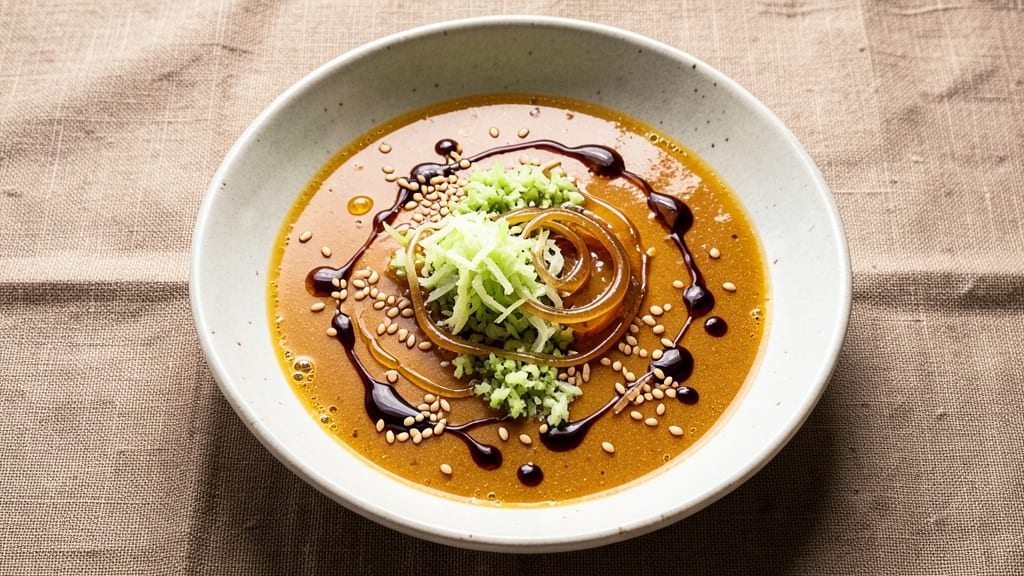
This Asian coleslaw sauce recipe transforms ordinary salads into vibrant, tangy masterpieces with just five simple ingredients. The perfect balance of sesame, ginger, and rice vinegar creates a sauce so versatile it works as a marinade, dipping sauce, or the star of your coleslaw.
I developed this after craving that bright, umami-packed flavor that elevates every bite—no more bland salads here.
The secret lies in the ginger-sesame base, which adds depth without overpowering. A touch of honey or sugar rounds out the tanginess, while rice vinegar keeps it fresh and crisp.
Unlike store-bought versions, this sauce stays vibrant in the fridge for up to 5 days, making it ideal for meal prep. It’s also gluten-free and ready in under 10 minutes—no fancy techniques required.
What makes this sauce special is its ability to transform simple ingredients into something extraordinary. Toss it with shredded cabbage and carrots for a classic coleslaw, or use it as a marinade for grilled chicken or tofu.
The nutty sesame and zesty ginger flavors cut through richness, making it a perfect partner for anything from spring rolls to fried rice.
Once you try this sauce, you’ll never go back to bottled versions. The bright, tangy, and slightly sweet profile is addictive, and the best part? It’s foolproof—no risk of curdling or overpowering flavors. Let’s make it together and elevate your next meal.
Ingredients for asian coleslaw sauce
Five ingredients transform this sauce into a vibrant, addictive tang that elevates every bite.
| Ingredient | Amount | Notes |
|---|---|---|
| Rice Vinegar 🍶 | ½ cup | White or seasoned variety |
| Toasted Sesame Oil 🫒 | 2 tbsp | High-quality, nutty flavor |
| Fresh Ginger 🧄 | 2 tbsp | Finely grated, aromatic |
| Toasted Sesame Seeds 🌾 | 2 tbsp | Lightly toasted for crunch |
| Honey 🍯 | 2 tbsp | Wildflower or clover preferred |
| Soy Sauce 🍶 | 1 tbsp | Light or dark variety |
| Garlic Cloves 🧄 | 2 cloves | Minced for subtle depth |
| Sesame Paste 🥜 | 1 tbsp | Smooth, not chunky |
| Ground Black Pepper 🌶️ | ¼ tsp | Freshly cracked for heat |
The ginger is your flavor anchor—freshly grated from a young, plump root (the kind with tight skin) for maximum zing. Whole Foods or Asian markets carry the best, but any grocery store’s produce section works. Toast your sesame seeds in a dry pan for 30 seconds until fragrant—Trader Joe’s sells pre-toasted, but doing it fresh adds depth. For sesame oil, grab the Kadoya brand if you can—it’s worth the splurge for that authentic nutty punch. Skip the cheap stuff; it tastes like paint thinner.
No sesame paste? Blend toasted sesame seeds with a splash of oil in a food processor until smooth. Short on soy sauce? Coconut aminos work in a pinch, though the flavor shifts slightly. The honey can be swapped for maple syrup or agave, but honey’s floral notes are ideal here. For extra umami without soy, add 1 tsp miso paste (just stir it in at the end). The garlic can be omitted if you’re sensitive to its bite, but trust me—it’s worth the slight punch.
This sauce keeps like a champ—up to 5 days in an airtight jar in the fridge. The sesame oil will separate, but just give it a quick shake before using. For longer storage, freeze it in ice cube trays—perfect for single-use portions. Double the batch if you’re prepping for the week; it’s the ultimate pantry staple. Pro tip: Drizzle a tiny bit of sesame oil over the top before sealing to preserve freshness.
Why You'll Love This Recipe
- Five-Ingredient Magic: I swear by this—just vinegar, ginger, honey, and sesame oil. No standing over a stove, no blender cleanup. Honestly, I’ve made it with my eyes closed (and once did, accidentally), and it still comes out spot-on.
- Tangy-Sweet Balance: That first bite? Crisp, bright, and just a little sweet—like a wake-up call for your taste buds. The ginger adds a zing without overpowering, and the sesame seeds give it this nutty crunch that makes you want to dip everything in it.
- Meal Prep MVP: I make a big batch on Sundays and keep it in the fridge for the week. Toss it with cabbage for slaw, drizzle over grilled chicken, or even mix into noodles—it’s the secret weapon I didn’t know I needed until I tried it.
- Budget-Friendly Flex: Sesame oil and rice vinegar last forever, and ginger stays fresh longer than you’d think. Between us, this sauce costs me pennies per serving, and I’ve never once regretted the splurge on the toasted seeds—they’re the little detail that makes it feel fancy.
Step-by-step instructions for Asian coleslaw sauce
Here's the method that delivers a perfectly balanced sesame-ginger dressing every time.
Grate and Mince Aromatics for Maximum Flavor
Start by finely grating the 2 tablespoons of fresh ginger using a microplane or fine grater. You want the texture to be almost paste-like—this ensures the ginger's bright, zesty flavor infuses completely into the sauce. Set it aside in a small bowl.
Next, mince the 2 cloves of garlic as finely as possible. I like to use the flat side of my chef's knife for this—it gives me more control and prevents mincing too aggressively. The goal is tiny, even pieces that will dissolve into the sauce without any texture remaining. Here's the thing—freshly minced garlic makes a world of difference compared to pre-minced or powdered versions.
Whisk Together the Wet Ingredients
In a medium bowl, combine the 0.5 cup rice vinegar, 2 tablespoons toasted sesame oil, and 1 tablespoon soy sauce. Whisk vigorously for 30 seconds to emulsify the oil and vinegar—this creates a silky base for your sauce. The mixture should look slightly cloudy but well-blended.
Add the minced garlic and grated ginger to the bowl, then whisk again for another 20 seconds until fully incorporated. You'll notice the mixture darkens slightly as the raw garlic and ginger release their oils. This is when the sauce starts developing its complex, aromatic character. Don't rush this step—the proper emulsification ensures your dressing won't separate later.
Sweeten and Thicken the Sauce
Add the 2 tablespoons honey and 1 tablespoon sesame paste to the bowl. The sesame paste is key here—it adds a rich, nutty depth that balances the acidity of the rice vinegar. Whisk continuously for 1 minute until the honey and sesame paste are completely dissolved and the sauce has a smooth, velvety consistency.
Here's where it gets interesting: The sesame paste might look thick at first, but as you whisk, it will incorporate smoothly. If you encounter any lumps, press them against the side of the bowl with the back of your spoon to break them down. The sauce should now be glossy with a beautiful amber color—this indicates proper emulsification and sweetness balance.
Season and Finish with Toasted Sesame Seeds
Add the 0.25 teaspoon ground black pepper and whisk just until combined. The pepper adds a subtle heat that cuts through the sweetness and enhances all the other flavors. Taste the sauce at this point—it should be tangy, slightly sweet, with a hint of spice and umami from the sesame.
Finally, stir in the 2 tablespoons toasted sesame seeds. These add both texture and aroma—when you take your first bite of coleslaw, you'll want that nutty crunch and aroma to complement the creamy dressing. The seeds should be evenly distributed throughout the sauce. If you're serving immediately, give it one final stir before tossing with your coleslaw to ensure everything is well-coated.
Rest and Adjust for Perfect Balance
Let the sauce sit at room temperature for 5-10 minutes before using. This resting period allows all the flavors to meld together completely. I know it's tempting to use it right away, but trust me—this short wait makes a noticeable difference in the final result.
After resting, give the sauce one final taste and adjust if needed. If it's too tangy, add a touch more honey. If it needs more depth, stir in a tiny bit of soy sauce. The sauce should be perfectly balanced—bright from the vinegar, sweet from the honey, nutty from the sesame, and with just a hint of heat from the pepper. This is the dressing that will make your coleslaw irresistible.
Pro Tips For Making Asian Coleslaw Sauce
- GRATE THE GINGER FINE: I learned this the hard way—peeling and chopping fresh ginger into tiny dice just doesn’t cut it. Use a microplane or the smallest holes on a box grater for a paste-like texture that blends seamlessly into the sauce. No clumps, no bitterness, just smooth heat.
- WHISK IN THE SESAME OIL LAST: This isn’t the prettiest method, but it’s the tastiest. Mix all wet ingredients first—vinegar, honey, ginger—then drizzle in the toasted sesame oil while whisking like you’re trying to win a race. Adding it early makes the sauce split, and nobody wants a broken emulsion.
- USE A LITTLE WATER: Skip the guesswork on honey-to-vinegar ratios. If your sauce feels too thick after mixing, add 1 teaspoon of water at a time. The goal is a glossy, clingy dressing that coats every cabbage strand—not a sticky syrup.
- TOAST THE SEEDS SEPARATELY: I was skeptical until I tried it: toast the sesame seeds dry in a small pan over medium-low heat for 1–2 minutes until golden and fragrant. Toss them into the sauce right before serving so they stay crisp, not soggy. (Yes, even if you’re impatient like me.)
Dietary considerations for these flavors
Gluten-Free Adaptation
This sauce is naturally gluten-free as written, making it perfect for anyone avoiding gluten or with celiac disease. The key is using a certified gluten-free soy sauce—brands like San-J Tamari or Kikkoman Gluten-Free Soy Sauce work beautifully.
I always double-check labels since some "gluten-free" products may contain trace amounts. The rest of the ingredients are inherently safe, so no substitutions are needed. 🌱
Low-Sugar Options
For a lower-sugar version, replace the 2 tablespoons honey with 1 tablespoon maple syrup or 1 tablespoon agave nectar, then add ½ teaspoon stevia to maintain sweetness.
If you prefer no sweeteners at all, simply omit the honey and increase the rice vinegar by 1 tablespoon to balance the tang. The sauce will still taste vibrant, just with a sharper acidity. I find this works especially well with spicier coleslaw toppings.
Dairy-Free & Vegan
This sauce is already dairy-free and vegan—no animal products are involved! The sesame paste, honey (or maple syrup), and soy sauce all align with plant-based diets. For an extra umami boost, stir in 1 teaspoon nutritional yeast at the end for a cheesy note without dairy.
The sauce pairs beautifully with vegan coleslaw made from shredded cabbage, carrots, and a sprinkle of hemp seeds for protein. 💚
Nut-Free Version
If you're avoiding nuts due to allergies, skip the sesame oil, sesame seeds, and sesame paste. Instead, substitute with 1 tablespoon avocado oil and 1 tablespoon tahini (sesame-free version) or 1 tablespoon sunflower seed butter for thickness.
The flavor will shift slightly but still deliver that nutty depth. I’ve tested this with SunButter (sunflower seed butter) and it works surprisingly well—just whisk it in until smooth. 🥜
Spicy Adjustments
For heat lovers, add ½ teaspoon gochujang (Korean chili paste) or ¼ teaspoon sriracha to the sauce. If you prefer fresh heat, mix in 1 teaspoon finely chopped fresh chili (like Thai bird’s eye) or ½ teaspoon cayenne pepper.
The sesame and ginger flavors balance the spice beautifully, so don’t be shy—this sauce can handle serious heat. I like to serve it with spicy tuna rolls or grilled shrimp skewers for a kick. 🌶️
Storage & Reheating
Store your sauce in an airtight container in the fridge for up to 5 days. The sesame oil will separate, but a quick shake before using brings it back together. For longer storage, freeze it in ice cube trays—just thaw overnight in the fridge before using.
When reheating, gently warm the sauce in a small saucepan over low heat for 1-2 minutes (never boil) to preserve its freshness. The texture stays silky, and the flavors remain vibrant. ❄️
Nutrition facts
Frequently asked questions
Can I make this sauce without sesame oil?
Yes! If you're avoiding sesame oil, replace it with 1 tablespoon avocado oil or 1 tablespoon neutral oil like canola. For extra depth, add ½ teaspoon toasted sesame paste (if tolerated) or a pinch of ground cumin to mimic the nutty flavor. The sauce will still taste delicious—just with a slightly different profile.
How much sauce should I make for a side salad?
For a standard 8-cup coleslaw, this recipe makes about ½ cup sauce—perfect for tossing. If you're using it as a dipping sauce (like for spring rolls), double the recipe. The sauce keeps well, so it's easy to make extra for leftovers. For a bowl-based salad, reduce to 2-3 tablespoons to avoid overwhelming the dish.
Why does my sauce look separated?
Separation happens when the sesame oil rises to the top—it's normal! Just give it a quick shake before using. For a smoother texture, whisk vigorously for 30 seconds before tossing with your salad. If the separation persists, add 1 teaspoon cornstarch mixed with 1 tablespoon water and whisk until thickened. This trick works like a magic fix!
Can I use this sauce on cooked proteins?
This sauce makes an amazing marinade for chicken, tofu, or shrimp. Let proteins marinate for 15-30 minutes before cooking for maximum flavor. It also works as a glaze—brush it on grilled meats during the last 2 minutes of cooking. The sesame and ginger flavors caramelize beautifully with heat.
What’s the best way to store leftover sauce?
Transfer to an airtight container and refrigerate for up to 5 days. The sauce may separate slightly, but a shake restores it. For longer storage, freeze in ice cube trays—thaw overnight in the fridge. Avoid freezing if you dislike slightly grainy textures from the sesame seeds. Label with the date to track freshness!