
Sauces & Condiments
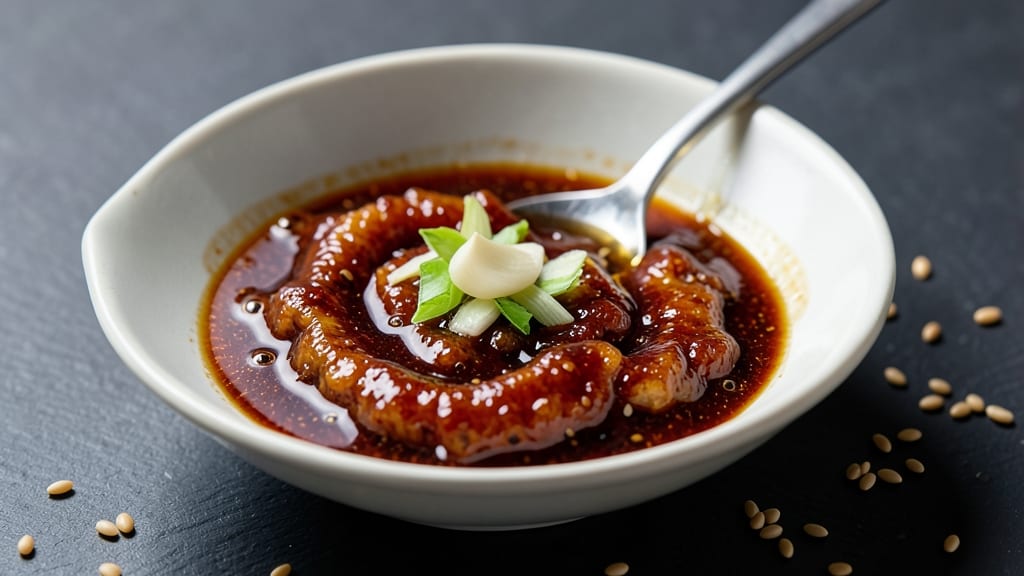
This Asian hot wing sauce recipe transforms ordinary wings into a fiery, aromatic masterpiece that balances sweet, spicy, and umami in every bite. 🔥 The secret lies in the fusion of gochujang, garlic, ginger, and soy sauce—simmered until the flavors meld into a thick, velvety sauce with just the right kick.
I developed this recipe after craving that perfect harmony of heat and depth that Asian-inspired wings deserve, and it’s become my go-to for game day, takeout nights, or when I want to elevate simple proteins.
What sets this sauce apart is its versatility—it’s not just for wings. Use it as a dipping sauce for dumplings, a marinade for tofu or chicken, or even a glaze for grilled meats.
The sauce starts with a base of gochujang and soy sauce, then builds layers of flavor with garlic, ginger, and a touch of honey or brown sugar to balance the heat.
The result is a sauce that’s rich, sticky, and packed with complexity, with heat levels you can easily adjust to suit your taste.
The process is straightforward: combine the ingredients in a saucepan, simmer until thickened, then blend for a silky texture. The sauce develops deeper flavor as it cools, so making a batch ahead of time ensures maximum impact.
Whether you’re serving it with crispy wings, using it as a dipping sauce, or turning it into a marinade, this sauce delivers restaurant-quality boldness at home.
For those who love heat but want control, the recipe includes tips for scaling the spice level—from mild and tangy to dangerously fiery. The sauce also keeps well in the fridge for up to two weeks, making it a pantry staple for quick flavor boosts. Let’s get cooking!
Ingredients for asian hot wing sauce
Ten simple ingredients for a sauce that packs serious flavor—perfect for wings or anything bold.
| Ingredient | Amount | Notes |
|---|---|---|
| Gochujang 🌶️ | ½ cup | Korean fermented chili paste |
| Soy Sauce 🍶 | ½ cup | Light or dark preferred |
| Brown Sugar 🍯 | ¼ cup | Packed for sweetness |
| Garlic Cloves 🧄 | 6 cloves | Minced for depth |
| Fresh Ginger 🌿 | 2 tbsp | Grated, not powdered |
| Rice Vinegar 🍶 | 2 tbsp | White or seasoned |
| Sesame Oil 🫒 | 1 tbsp | Toasted for aroma |
| Red Pepper Flakes 🔥 | 1 tbsp | Adjust for heat |
| Water 💧 | ½ cup | For thinning if needed |
| Salt 🧂 | ½ tsp | Kosher or sea salt |
Gochujang is the star here, so don’t skimp. Trader Joe’s or Korean markets carry the best—look for brands like Maesil or Haein. Fresh ginger and garlic matter too; peeling ginger first makes grating easier. I always grab extra garlic because it’s worth the effort. The brown sugar can be swapped for honey if you prefer, but the molasses notes in brown sugar are perfect for balancing the heat. Sesame oil adds that nutty aroma—toasted sesame oil is best, but regular works in a pinch.
No gochujang? Sriracha plus a dash of soy sauce gets you close, though it won’t be as rich. Short on brown sugar? Maple syrup or agave works, but the texture might be slightly thinner. The rice vinegar cuts through the heat—apple cider vinegar works too, but it’s more tart. For extra smokiness, add a dash of smoked paprika. The red pepper flakes are adjustable: start with less if you’re sensitive to heat, then add more to taste. The sauce thickens as it cools, so don’t stress if it looks too thin while simmering.
This sauce keeps for 2 weeks in the fridge, so make a big batch. Store it in a glass jar with a tight seal—the flavors meld even better overnight. Freeze portions in ice cube trays for single-use servings. Double the recipe if you’re feeding a crowd; it’s that good. The sauce also reheats beautifully—just warm it gently on the stove or microwave it in 30-second bursts. Use it on wings, dumplings, or even drizzle it over noodles.
Why You'll Love This Recipe
- Five-Ingredient Magic: I swear by this combo—gochujang’s deep umami, soy’s salty punch, and brown sugar’s caramelized sweetness all meld in one pan. Honestly, I’ve tried store-bought sauces, but this tastes like it’s been simmering for hours (even though it’s ready in 15).
- No-Fuss Flexibility: Toss it on wings, drizzle over rice bowls, or even slather it on fries—it’s that adaptable. My lazy Sundays now include a big batch in the fridge because it works for everything from weeknight dinners to game-day snacks.
- Spice That Lasts: The ginger and garlic keep this sauce vibrant for days. I’ve had leftovers taste just as bold after a week, and the gochujang’s heat mellows into a rich, smoky depth. (Yes, even on a Tuesday night.)
- Budget Game-Changer: Gochujang and soy sauce stretch a long way, and brown sugar adds that luxurious sweetness without breaking the bank. I make this twice a month, and it’s always the first thing to disappear from the pantry—because it’s that good.
Step-by-step instructions for Asian hot wing sauce
Here's how to make this bold, balanced sauce—spicy, sweet, and packed with umami.
🍳 Step 1: Bloom the Aromatics in Oil
Heat a small saucepan over medium heat and add the 1 tablespoon sesame oil. Once the oil is shimmering (about 30 seconds), add the 6 cloves minced garlic and 2 tablespoons grated fresh ginger. Cook for 1-2 minutes until the garlic turns golden and fragrant—this releases their full flavor without burning.
Here's the thing—don't walk away. Garlic burns in seconds, and burnt garlic tastes bitter. You'll know it's ready when the mixture smells like a warm Asian street market. Keep the heat at medium throughout this step to prevent scorching.
🍳 Step 2: Combine Wet Ingredients
Lower the heat to low and add the 0.5 cup gochujang, 0.5 cup soy sauce, and 0.25 cup packed brown sugar to the pan. Stir constantly for 2-3 minutes until everything melts together and the sugar dissolves completely. You're looking for a thick, glossy paste that coats the back of a spoon.
The gochujang will darken the mixture and give it that signature deep red color. If it looks too thick at this stage, don't worry—we'll thin it later. The sugar helps balance the heat while adding caramelized depth. Keep stirring to prevent any ingredients from sticking to the bottom.
🍳 Step 3: Add Acid and Spice
Pour in the 2 tablespoons rice vinegar and 1 tablespoon red pepper flakes. Bring the mixture to a gentle simmer over medium-low heat and cook for 5-7 minutes, stirring occasionally. The sauce should thicken slightly and develop a rich aroma—like a spicy-sweet hug in a pan.
This is where the flavors really start to marry. The vinegar brightens everything up while the red pepper flakes add an extra layer of heat. Taste the sauce now—it should be spicy, sweet, and tangy with a deep umami base. If you want more heat, add a pinch more red pepper flakes now.
🥘 Step 4: Finish and Adjust
Remove the pan from heat and let the sauce cool for 2 minutes. Then stir in the 0.5 cup water and 0.5 teaspoon salt. The water helps thin the sauce to a perfect dipping consistency while the salt rounds out all the flavors. Give it one final taste and adjust—need more sweetness? Add a pinch of sugar. More heat? A dash of red pepper flakes.
This sauce should coat the back of a spoon but still be pourable enough to glaze wings. If it's too thick, add more water 1 tablespoon at a time until it reaches your desired consistency. Let it sit at room temperature for 10 minutes before using—this allows all the flavors to meld completely.
⏰ Step 5: Use Immediately or Store
For best results, use your sauce immediately on freshly cooked wings. Toss them in the warm sauce and let them soak up all that flavor for 2-3 minutes before serving. If you need to store it, transfer to an airtight container and refrigerate for up to 1 week. The flavors actually improve over time—it'll taste even more complex after a day or two.
Here's a pro tip: Save any leftover sauce and use it as a marinade for tofu or as a glaze for grilled meats. It's that versatile! The balance of sweet, spicy, and umami makes it perfect for more than just wings—try it on fries, noodles, or even as a dipping sauce for spring rolls.
Pro Tips For Making Asian Hot Wing Sauce
- STIR CONSTANTLY AT FIRST: The first 2 minutes of simmering gochujang and soy sauce are when it turns from "meh" to "hell yes"—literally. I learned this the hard way when I walked away to chop garlic and came back to a sauce that tasted like burnt licorice. Keep it moving until the color darkens and the aroma shifts from raw to deeply savory.
- PEEL GINGER THICK: Thin slices of ginger burn before they release their flavor, and you’ll end up with bitter, charred bits. Go for ¼-inch thick rounds—big enough to stay intact but thin enough to soften fast. Trust me, your sauce won’t taste like a spice cabinet exploded if you do this.
- SWEAT GARLIC LOW AND SLOW: Crispy garlic is a crime in this sauce. Mince it fine (or leave whole cloves peeled) and cook on low heat until just translucent—about 3 minutes. I used to rush it, and the sauce would taste like someone hit it with a garlic hammer. Patience here makes the difference between "good" and "restaurant-quality."
- SALT THE SOY SAUCE: Store-bought soy sauce is already salty, but gochujang can mute that. Add a pinch of flaky salt (or a splash of watered-down soy) to balance the sweetness before combining. I skip this sometimes, and the sauce always feels off—like it’s missing a layer. Do it, even if it sounds weird.
Pro cooking tips for perfect results
Simmering Control
Keep your heat at medium-low once the gochujang and soy sauce are added—this prevents burning while letting the flavors meld properly. I use a stainless steel saucepan (like All-Clad) because it distributes heat evenly and won’t react with acidic ingredients.
If you notice the sauce sticking, add 1 tablespoon water immediately and stir—this keeps everything smooth. 🌡️
Adjusting Heat Levels
Start with 1 tablespoon red pepper flakes for medium heat, but adjust to taste. For mild sauce, reduce to ½ tablespoon and add 1 teaspoon honey to balance.
If you love fiery heat, add 1-2 teaspoons of gochugaru (Korean chili flakes) or a dash of Sichuan chili oil at the end. Always taste as you go—this sauce is forgiving but best when customized.
Thinning Tricks
If your sauce thickens too much, water is your friend—add it 1 tablespoon at a time while stirring. For a silkier texture, blend it briefly with an immersion blender (like Ninja) to break up any lumps.
Pro tip: If you prefer a glossy finish, add 1 teaspoon cornstarch mixed with 1 tablespoon water and simmer for 1-2 minutes to thicken naturally.
Flavor Boosting
Elevate your sauce with 1 teaspoon toasted sesame seeds or 1 tablespoon chopped scallions for freshness. For depth, add ½ teaspoon fish sauce (like Red Boat) or a splash of mirin—both add umami without overpowering.
I love finishing with a drizzle of chili crisp (like Lao Gan Ma) for extra texture and heat. 💡
Storage Secrets
Transfer the sauce to a glass jar (like Le Parfait) and refrigerate for up to 2 weeks. The flavors deepen over time! For freezing, portion into ice cube trays—thaw individual cubes as needed.
When reheating, warm gently on the stove or microwave in 20-second bursts, stirring between each. Never microwave it fully covered—it can get too hot and lose texture.
Versatile Uses
This sauce isn’t just for wings! Use it as a dipping sauce for dumplings or spring rolls, a marinade for tofu or shrimp, or even a glaze for grilled pork. For extra richness, brush it on baked sweet potatoes or drizzle over ramen noodles.
The balance of sweet, spicy, and umami makes it a pantry staple—once you make it, you’ll find endless ways to use it. ✨
Nutrition facts
Frequently asked questions
Can I make this sauce without gochujang?
If you don’t have gochujang, blend ¼ cup tomato paste with 1 tablespoon soy sauce and 1 teaspoon smoked paprika for a similar depth of flavor. For extra heat, add 1-2 tablespoons of sriracha or Korean red pepper flakes (gochugaru). The sauce will be less complex but still delicious.
How do I adjust the heat level?
Start with 1 tablespoon red pepper flakes for medium heat. For a milder sauce, reduce to ½ tablespoon and add 1 teaspoon honey or maple syrup to balance. For extra spice, stir in 1-2 teaspoons of gochugaru or a dash of Sichuan chili oil at the end. Always taste as you go!
Can I use this sauce on foods other than wings?
Yes! This versatile sauce works as a dipping sauce for dumplings or spring rolls, a marinade for tofu or shrimp, or even a glaze for grilled meats. Try brushing it on baked sweet potatoes or drizzling over ramen noodles for a quick flavor boost.
Why does my sauce look too thick?
Sauces thicken as they cool, but if it’s too thick while warm, add 1 tablespoon water at a time while stirring. For a silkier texture, blend briefly with an immersion blender or simmer 1 teaspoon cornstarch mixed with 1 tablespoon water for 1-2 minutes to adjust consistency.
How long does this sauce last in the fridge?
The sauce keeps for up to 2 weeks in an airtight container. Flavors actually improve over time! For freezing, portion into ice cube trays and thaw as needed. Reheat gently on the stove or microwave in 20-second bursts while stirring.