
Sauces & Condiments
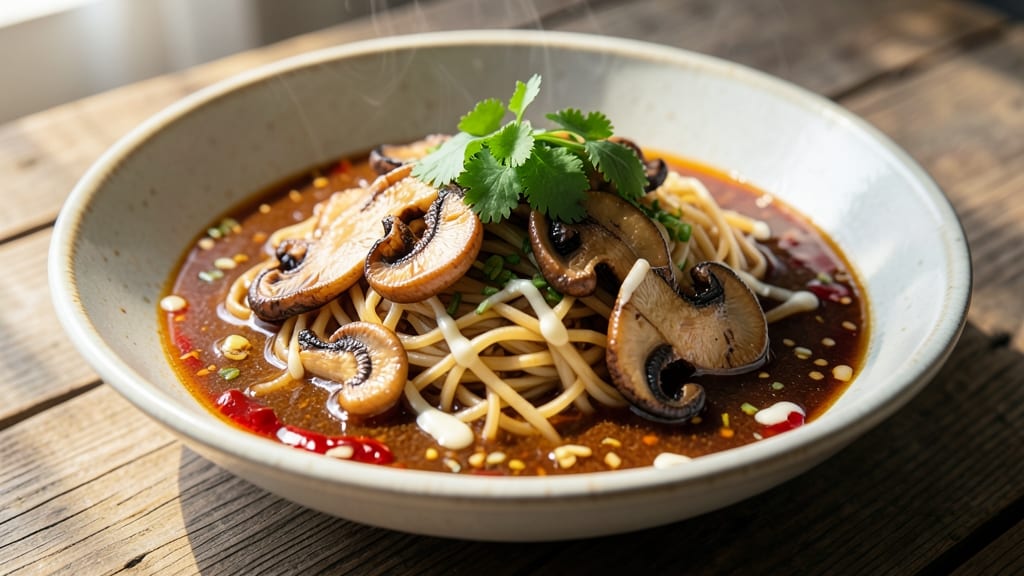
This Asian noodle stir-fry sauce recipe transforms ordinary noodles into restaurant-quality dishes with just 10 minutes of active time. The secret lies in balancing sweet, salty, and umami flavors—soy sauce, oyster sauce, garlic, ginger, and a touch of chili create a sauce that clings perfectly to noodles and stir-fried vegetables.
I developed this blend after years of testing, and it’s now my go-to for quick, flavorful weeknight meals.
The sauce’s depth comes from simmering the aromatics until fragrant, then blending everything into a smooth, cohesive liquid. No fancy equipment is needed—just a small saucepan and a whisk. The result?
A glossy, aromatic sauce that’s rich enough to stand alone but versatile enough to elevate any stir-fry, from simple veggie noodles to meaty dishes like chicken or beef.
What makes this sauce truly special is its ability to transform basic ingredients into something extraordinary. The umami from oyster sauce and soy sauce builds layers of flavor, while fresh garlic and ginger add brightness.
A dash of chili brings just the right amount of heat, ensuring every bite is memorable. This isn’t just a sauce—it’s the foundation of a perfect stir-fry.
Store any leftovers in an airtight container in the fridge for up to a week, or freeze for longer shelf life. Double the batch and keep it on hand for those busy nights when you need flavor fast. Let’s make this sauce—your noodles will thank you.
Ingredients for asian noodle stir fry sauce
Ten simple ingredients transform basic noodles into restaurant-quality stir-fry magic.
| Ingredient | Amount | Notes |
|---|---|---|
| Light Soy Sauce 🥫 | ½ cup | Use low-sodium for balance |
| Oyster Sauce 🍶 | ⅓ cup | Kikkoman preferred for depth |
| Rice Vinegar 🍶 | ¼ cup | White or seasoned variety |
| Sesame Oil 🫒 | 1 tbsp | Toasted for authentic aroma |
| Fresh Garlic Cloves 🧄 | 4 cloves | Minced for aromatic punch |
| Fresh Ginger 🌿 | 1 ½ tbsp | Grated, not powdered |
| Honey 🍯 | 1 ½ tbsp | Substitute maple syrup if vegan |
| Red Chili Flakes 🌶️ | 1 tsp | Adjust to taste |
| Cornstarch 🌾 | 1 tsp | For thickening sauce |
| Water 💧 | ½ cup | Room temperature preferred |
The sauce's soul lives in the soy sauce and oyster sauce—Kikkoman for both is my go-to, but any quality brand works. Asian markets usually have the best selection, but your grocery store’s international aisle has them too. Fresh ginger and garlic are non-negotiable here; powdered just won’t cut it. Look for firm, plump ginger roots and garlic cloves with tight skins—those are your freshness indicators. The sesame oil might be pricey, but Trader Joe’s has a great budget-friendly option that still delivers that nutty aroma. If you can’t find toasted sesame oil, regular works but toast it yourself in a dry pan for 30 seconds to bring out the flavor.
No oyster sauce? Hoisin sauce or extra soy sauce works in a pinch, though the umami depth won’t be quite the same. Substitute maple syrup for honey if you need a vegan version. The cornstarch is key for that glossy finish—don’t skip it. If you’re making this ahead, reduce the water by 2 tbsp since the sauce will thicken as it cools. Chili flakes can be swapped for Sichuan peppercorns (toasted and ground) for a different kind of heat. The honey adds just the right touch of sweetness, but agave or brown sugar work too if you’re avoiding refined sugar. And if you’re feeling fancy, add a splash of mirin (about 1 tbsp) for extra brightness.
This sauce keeps beautifully—1 week in the fridge or 3 months in the freezer. Store it in a small glass jar so it’s ready to toss into any stir-fry. Double the batch and freeze in ice cube trays for perfect single-use portions. The sauce actually improves overnight as the flavors meld, so make extra. It’s perfect for noodles, veggies, tofu, chicken, or beef—whatever you’re craving. Just give it a quick whisk before using if it’s thickened up during storage.
Why You'll Love This Recipe
- Pantry Magic: I swear by this sauce—no specialty shopping needed. Light soy and oyster sauce give it that umami punch, while rice vinegar keeps it bright, and you’re done. Honestly, I keep the ingredients stocked just for this.
- Garlic Bomb: That first hit of fresh garlic sizzling in sesame oil? Pure satisfaction. The oil carries the aroma straight to your table, and the garlic never overpowers—just lingers in the perfect way.
- Weeknight Workhorse: Dinner with friends? Meal prep for the week? This sauce works for both. Toss it with noodles, toss it with chicken, or even drizzle it on tofu—it’s the one sauce that never lets me down.
- Budget Buster: Oyster sauce and sesame oil might sound fancy, but they stretch far. A little goes a long way, and I’ve made this for years without breaking the bank. Plus, leftovers taste just as good the next day.
Step-by-step instructions for Asian noodle stir fry sauce
This homemade blend delivers restaurant-quality flavor in just minutes—no shortcuts, all umami.
Mince Garlic and Ginger for Maximum Flavor
Start by finely mincing the 4 cloves fresh garlic cloves and grating the 1.5 tablespoons fresh ginger using a microplane or the smallest holes on a grater. You want the ginger to resemble fine sand—not coarse chunks. The freshness here is key; these aromatics will form the flavor foundation of your sauce.
Place both in a small bowl and set aside. I like to use a spoon to press down on the ginger, releasing its oils. This prep step takes about 3-4 minutes but makes a world of difference in the final taste. If you're short on time, you can use 1 teaspoon ground ginger instead, though fresh is always better.
Bloom the Aromatics in Sesame Oil
Heat a small saucepan over medium-low heat and add the 1 tablespoon sesame oil. Once the oil is shimmering (about 30 seconds), add the minced garlic and ginger. Cook for 1-2 minutes until the garlic turns golden and the mixture becomes fragrant—this is when those essential oils release their magic.
Watch closely here—garlic burns quickly. If it starts to darken too much, remove the pan from heat for 10 seconds to cool it down. The goal is fragrant, not bitter. This step transforms your sauce from good to extraordinary.
Combine Wet Ingredients for Balanced Flavor
Increase heat to medium-high and add the 0.5 cup light soy sauce, 0.33 cup oyster sauce, and 0.25 cup rice vinegar all at once. Stir continuously for 1 minute as the mixture simmers gently. You'll notice the sauce reduce slightly and develop a glossy sheen—this is when the flavors start melding together.
Next, add the 1.5 tablespoons honey and 1 teaspoon red chili flakes. Stir for another 30 seconds until the honey dissolves completely. Taste at this point—you should get a balance of salty, sweet, tangy, and slightly spicy. If it needs more heat, add another pinch of chili flakes.
Thicken the Sauce to Perfection
Reduce heat to medium-low and sprinkle in the 1 teaspoon cornstarch while stirring constantly. After 30 seconds, slowly pour in the 0.5 cup water all at once. The sauce will bubble vigorously—keep stirring until it thickens to a glossy, coatable consistency (about 2-3 minutes).
You're looking for a sauce that coats the back of a spoon but still flows smoothly. If it thickens too much, add 1 tablespoon water at a time until you reach the perfect consistency. The cornstarch acts as a natural thickener without altering the flavor profile.
Cool and Adjust Before Using
Remove the pan from heat and let the sauce cool for 5 minutes. This resting period allows the flavors to fully meld and the sauce to thicken slightly more. Taste again and make final adjustments—perhaps a touch more soy sauce for saltiness, or a drizzle of honey for sweetness.
Your sauce is now ready to use! It keeps well in the refrigerator for up to 1 week, making it perfect for meal prep. For best results, stir before using as it may settle slightly. This homemade version tastes infinitely better than store-bought—trust me, your stir-fry will thank you.
Pro Tips For Making Asian Noodle Stir Fry Sauce
- MINCE THAT GARLIC: Fresh garlic cloves straight from the jar? Nope. Smash those cloves with the flat side of your knife first—then mince. I learned this the hard way when my stir-fry sauce tasted dull because the garlic barely broke down. A quick 30-second smash guarantees even cooking and that deep, aromatic punch.
- STIR BEFORE SALTING: Mix your light soy and oyster sauce first, then taste. Add rice vinegar gradually—start with half the recipe’s amount. I used to dump it all in and end up with a mouth-puckering mess. The sauce should taste balanced before you toss it with noodles, not after.
- HEAT THE SESAME OIL RIGHT: Sesame oil has a temper. Warm it separately in a small pan over low heat—just until it smells nutty and fragrant (about 30 seconds). Dumping cold oil straight into the sauce makes it separate weirdly. Add it last, right before tossing with noodles, to keep that golden aroma intact.
- SWEAT THE GARLIC FIRST: Don’t just toss minced garlic into the sauce—sauté it in a dry pan for 10 seconds until it’s just turning golden at the edges. This stops it from turning bitter and deepens the flavor. I was skeptical until I tried it—now I can’t go back. Skip this, and your sauce tastes raw.
Pro cooking tips for this recipe
Bloom Aromatics Properly
The secret to deep flavor lies in blooming your garlic and ginger in sesame oil over medium-low heat for 1-2 minutes. This step releases their essential oils, creating that aromatic foundation. I use a small saucepan to keep heat controlled—too high and you’ll burn the garlic, turning it bitter.
If your kitchen gets hot, reduce heat to low and stir constantly. This is where the magic happens—don’t rush it! 🌿
Cornstarch Timing Matters
When thickening with cornstarch, whisk it into a paste with water first before adding to the sauce. This prevents clumping and ensures a smooth, glossy finish. I like to mix 1 tsp cornstarch with 2 tbsp water before adding to the pan.
Stir vigorously for 30 seconds before adding the remaining water—this gives the cornstarch time to activate fully. The sauce should thicken in 2-3 minutes of gentle simmering. 💫
Balance Flavors Precisely
Taste your sauce at three critical points: after adding wet ingredients, after sweetening, and after thickening. I adjust in small increments—½ tsp soy sauce for saltiness, ½ tsp honey for sweetness, or ¼ tsp chili flakes for heat.
The goal is harmony: salty, sweet, tangy, and umami should all shine equally. If it’s too thin, simmer uncovered for 1-2 extra minutes to reduce naturally. 🍯
Sauce Consistency Secrets
For a silky-smooth texture, strain the sauce through a fine-mesh sieve after cooling. This removes any lingering garlic bits while keeping the liquid glossy. If your sauce separates after refrigeration, gently reheat it over low heat while stirring constantly.
For extra richness, add 1 tsp toasted sesame oil when reheating. The sauce should coat a spoon but still flow freely—like honey, not glue. ✨
Freezing for Convenience
Freeze your sauce in ice cube trays for perfect single-use portions. Once frozen, transfer cubes to a ziplock bag and flatten to save space. When ready to use, toss 1-2 cubes directly into your stir-fry—no thawing needed.
The sauce will melt and blend seamlessly. Label with the date—it keeps for 3 months in the freezer without losing flavor. This is my go-to meal prep hack! ❄️
Vegetarian Adaptations
For a vegan version, swap honey for maple syrup and oyster sauce for hoisin or mushroom sauce. Use 1 tbsp mirin instead of rice vinegar for extra brightness. The sauce still delivers that umami punch!
For extra depth, add 1 tsp miso paste when simmering. These tweaks make it perfect for tofu or vegetable stir-fries while keeping the authentic flavor profile. 🌱
Nutrition facts
Frequently asked questions
Can I make this sauce without oyster sauce?
Yes! For a vegetarian version, replace the oyster sauce with 1/3 cup hoisin sauce or 2 tablespoons mushroom sauce plus 1 teaspoon soy sauce. For extra umami depth, add 1 teaspoon miso paste when simmering. The sauce will still be delicious—just slightly different in texture.
How do I adjust the heat level?
Start with 1 teaspoon red chili flakes and taste before adding more. For milder heat, reduce to 1/2 teaspoon or swap for 1/4 teaspoon Sichuan peppercorns (toasted and ground). If you love spice, add an extra 1/2 teaspoon chili flakes or 1/4 teaspoon cayenne pepper at the end.
Can I use this sauce for dishes other than noodles?
This versatile sauce works perfectly for stir-fried vegetables, grilled chicken, beef or tofu, and even as a marinade. For dipping, thin it with 1 tablespoon water per 2 tablespoons sauce. The balance of sweet, salty, and umami makes it ideal for any Asian-inspired dish.
Why did my sauce turn out too thick/thin?
If too thick, whisk in 1 tablespoon water at a time until smooth. For thinning, simmer uncovered for 1-2 minutes to reduce naturally. The cornstarch should create a glossy, coatable texture—not glue-like. If it separates after refrigerating, reheat gently while stirring constantly.
How can I make this sauce spicier?
For extra heat, add 1/2 teaspoon gochujang (Korean chili paste) or 1/4 teaspoon crushed red pepper flakes when simmering. For smoky depth, stir in 1/4 teaspoon smoked paprika at the end.