
Sauces & Condiments
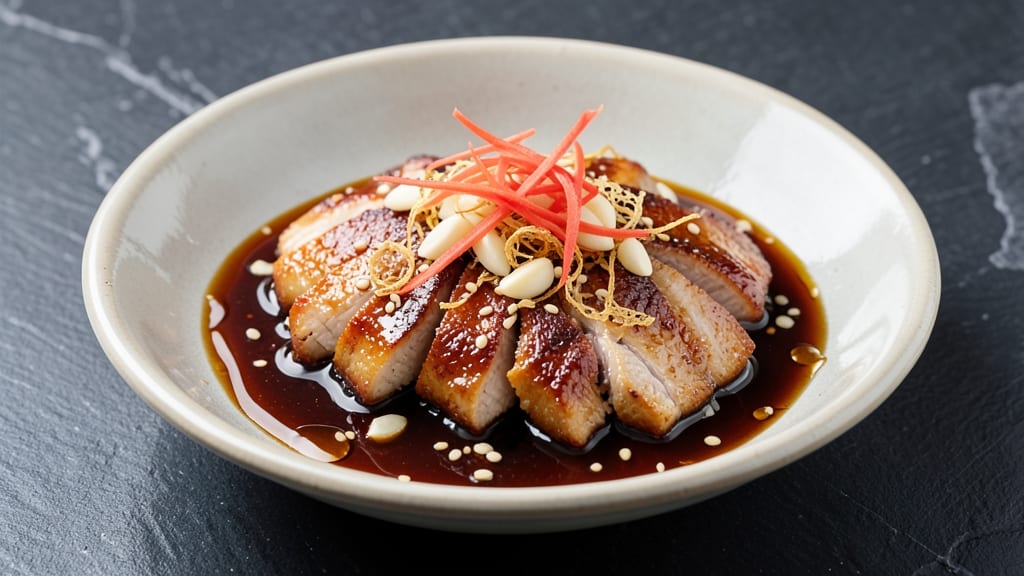
This Asian pork sauce recipe transforms simple stir-fry into a restaurant-worthy masterpiece with just 10 minutes of prep. The perfect balance of sweet, savory, and umami comes from fermented soy sauce, hoisin, and honey—no complicated techniques required.
I developed this sauce after years of testing, and it’s now my go-to for glazing pork chops, drizzling over rice bowls, or marinating skewers.
The secret lies in the aromatic base: fresh garlic, ginger, and a splash of fish sauce for depth. Unlike store-bought versions, this recipe builds flavor gradually as it simmers, creating a glossy, sticky glaze that clings to every bite.
The sauce keeps well in the fridge for up to 2 weeks or freezes for 3 months, making it ideal for meal prep.
What sets this sauce apart is its versatility—use it as a quick marinade, a dipping sauce for dumplings, or a finishing glaze for grilled meats. The caramelized edges and balanced sweetness make it addictive, while the umami-rich ingredients ensure it works with both pork and chicken.
Once you try it, you’ll never go back to bottled versions.
For extra richness, stir in a spoonful of oyster sauce or a pinch of five-spice powder. The possibilities are endless, but the base recipe delivers foolproof results every time. Let’s make this sauce—your taste buds will thank you.
Ingredients for asian pork sauce
Sweet, savory, and umami-packed—these 10 ingredients create the perfect glaze for stir-fry and bowls.
| Ingredient | Amount | Notes |
|---|---|---|
| Fermented Soy Sauce 🍶 | ½ cup | Kikkoman preferred for depth |
| Hoisin Sauce 🍶 | ¼ cup | Thick, sweet, and umami-rich |
| Honey 🍯 | ¼ cup | Wildflower for floral notes |
| Fresh Garlic Cloves 🧄 | 4 cloves | Minced for aromatic base |
| Fresh Ginger 🌿 | 1 tbsp | Grated, not powdered |
| Fish Sauce 🍶 | 1 tbsp | Red Boat brand recommended |
| Rice Vinegar 🍶 | 1 tbsp | Seasoned for balance |
| Sesame Oil 🫒 | 1 tbsp | Toasted for nutty aroma |
| Cornstarch 🌾 | 1 tsp | For thickening glaze |
| Water 💧 | ¼ cup | For thinning consistency |
The fermented soy sauce and hoisin are the flavor anchors here. Kikkoman soy sauce delivers that classic umami punch, while hoisin adds sweetness and depth—look for thick, glossy bottles at Asian markets or the international aisle. Honey should be wildflower if you can find it; it adds subtle floral notes that cut through the saltiness. For garlic and ginger, fresh is non-negotiable—powdered versions just won’t give you that same aromatic punch. Fish sauce is where the umami magic happens, and Red Boat brand is my go-to because it’s clean and flavorful without overpowering. Grab a small bottle—you’ll use it in other recipes too.
No hoisin? Substitute 1 tbsp molasses plus 1 tbsp soy sauce—it’s not identical, but it works in a pinch. Running out of fish sauce? Worcestershire sauce at half the amount gives you some depth, though it’s not the same. The sesame oil is purely for aroma—use toasted if you’ve got it, but regular works fine. For the cornstarch slurry, make it right before adding to the sauce—it thickens fast. The water is just for thinning if needed, but honestly, this sauce is usually perfect as-is. If you’re making extra, double the cornstarch to 2 tsps for a thicker glaze.
This sauce tastes even better the next day as the flavors meld. Store it in an airtight container in the fridge for up to 2 weeks, or freeze for 3 months—just thaw in the fridge overnight. I always make a double batch because it disappears fast. Glass jars work best for freezing, and the sauce keeps its glossy texture even after reheating. Pro tip: if it gets too thick when reheating, just add a splash of water or rice vinegar to loosen it up.
Why You'll Love This Recipe
- Five-Ingredient Magic: I swear, this sauce comes together with what’s basically a pantry raid—fermented soy, hoisin, honey, and a couple of raw garlic cloves. No fancy gadgets, no stress, just a quick simmer that transforms into something ridiculously good.
- Sweet-Savory Balance: That honey cutting through the umami bomb of fermented soy and hoisin? Chef’s kiss. The ginger adds a little bite, but it’s the garlic—oh, the garlic—that makes it sing. One sniff and you’ll understand why I keep a jar in the fridge.
- Leftover Hero: Make a double batch and thank me later. This sauce keeps for weeks in the fridge and tastes even better the second time around. Slather it on rice bowls, toss it with noodles, or drizzle it over eggs—it’s the ultimate lazy-day upgrade.
- Budget Power Move: Fermented soy and hoisin stretch like crazy, and honey lasts forever. I’ve fed a crowd of six for under $10 with this—plus, the leftovers fund my coffee habit. Smart, tasty, and guilt-free? Yes, please.
Step-by-step instructions for sweet-savory Asian pork sauce
This glaze delivers perfect balance—sticky, aromatic, and ready in minutes.
Bloom the Aromatics in a Skillet
Heat the 1 tablespoon sesame oil in a small saucepan over medium heat until shimmering. Add the 4 cloves minced fresh garlic cloves and 1 tablespoon grated fresh ginger, stirring constantly for 30 seconds until fragrant but not browned. Here's the thing—ginger burns faster than garlic, so watch closely. You want golden aroma, not bitter char.
Once the aromatics release their scent—you'll know it by that unmistakable pungent aroma—immediately add the 0.5 cup fermented soy sauce and 0.25 cup hoisin sauce. Bring to a gentle simmer, letting the sauces meld with the aromatics for 2 minutes. This step builds the umami foundation that makes the glaze sing.
Sweeten and Balance the Flavors
Reduce heat to low and stir in the 0.25 cup honey and 1 tablespoon rice vinegar. Let the mixture simmer for 3-4 minutes until slightly thickened and the honey dissolves completely. You're looking for a glossy consistency here—if it's too thick, add 1 tablespoon water to loosen it.
Now add the 1 tablespoon fish sauce. This might seem like a lot, but trust me—it rounds out the sweetness and adds that signature salty depth. Taste the mixture now. You should detect all components—sweet from honey, tang from vinegar, umami from soy and hoisin, and a subtle funk from fish sauce. If it needs more balance, adjust with a pinch more salt or a splash of vinegar.
Thicken the Glaze to Perfection
In a small bowl, whisk together the 1 teaspoon cornstarch and 0.25 cup water until smooth. Slowly pour this slurry into the simmering sauce while stirring constantly. The moment the mixture returns to a gentle simmer, you'll see it begin to thicken noticeably—this should take about 2-3 minutes of steady stirring.
Here's where it gets technical: you want the glaze to coat the back of a spoon but still be pourable. If it's too thick, add another 1 teaspoon water and simmer for 1 more minute. The perfect consistency should be glossy, syrupy, and just thick enough to cling to proteins beautifully. Remove from heat immediately once you reach this point—overcooking will make it grainy.
Finish with Sesame Oil and Rest
Return the sauce to low heat and stir in the remaining 1 tablespoon sesame oil. This final touch adds that nutty aroma and rich mouthfeel. Let the sauce rest for 5 minutes at room temperature—this allows all the flavors to fully meld together. The glaze will thicken slightly as it cools, which is perfect for tossing with stir-fries or drizzling over bowls.
For best results, use the glaze immediately, but it will keep in an airtight container in the refrigerator for up to 1 week. Give it a quick stir and reheat gently before using—this sauce tastes even better the next day as the flavors deepen. The balance of sweet, salty, umami, and funky will make your pork dishes unforgettable.
Pro Tips For Making Asian Pork Sauce
- Mince Garlic Like Snow: Use a sharp knife and chop those cloves into a fine paste—almost like wet sand—before adding them to the pan. I learned this the hard way: whole slices burn before the sauce gets flavorful, and you end up with chewy garlic bits instead of deep, aromatic punch.
- Simmer Low and Slow: Once the pork hits the sauce, reduce heat to a bare simmer and let it bubble gently. I used to rush it, and the sauce turned cloying or the pork stayed raw. A steady, lazy simmer for 10-12 minutes is where the flavors meld without turning the sauce into syrup.
- Balance the Honey Early: Add half the honey with the fermented soy and hoisin, then taste before adding the rest. Honey can turn the sauce too sweet fast—especially if you’re using thick, dark varieties. Adjust gradually; you can always add more later, but fixing oversweetness is a nightmare.
- Toast the Ginger First: Peel and lightly char the ginger slices in a dry pan for 30 seconds before grating—just until fragrant but not browned. Sounds weird, but it works: the caramelized edge cuts through the richness of the hoisin and honey, adding a smoky depth that store-bought powder can’t match.
Essential equipment for asian pork sauce
Small Saucepan
A 3-quart stainless steel saucepan is ideal for this recipe because it provides enough surface area for even heating while allowing you to stir constantly without splashing.
I use my All-Clad tri-ply pan—it heats up quickly and maintains consistent temperatures, which is crucial for achieving that glossy, perfectly thickened glaze. If you don’t have stainless steel, a heavy-bottomed enamel pan works just as well.
Avoid nonstick pans for this sauce—they can’t handle the simmering heat and may release harmful fumes when exposed to high temperatures. 🔥
Whisk for Slurry
You’ll need a small whisk (about 6 inches) to create the cornstarch slurry. A whisk ensures the cornstarch and water mix smoothly without lumps, which is critical for a silky glaze.
I keep a OXO Good Grips whisk in my kitchen—it’s lightweight, easy to grip, and does the job perfectly. If you don’t have one, a fork or chopstick will work in a pinch, but whisking gives you more control over the consistency.
Stirring too vigorously can create bubbles, so gentle, steady motions are key. ✨
Fine-Mesh Strainer
A fine-mesh strainer (about 3 inches) comes in handy if you prefer your sauce completely smooth. While this recipe doesn’t require straining, it’s useful if you accidentally burn the garlic or ginger slightly—just strain out any charred bits before proceeding.
I use a mesh strainer from Nordic Ware because it’s durable and has a comfortable handle. For extra smoothness, you could also blend the sauce briefly in a mini food processor or immersion blender, but straining is the gentler option. 💫
Measuring Spoons
Precision is key when measuring ingredients like sesame oil, cornstarch, and fish sauce. A set of stainless steel measuring spoons ensures accuracy, especially for small quantities.
I rely on my West Bend measuring spoons—they’re magnetic, so I can stick them to the side of my saucepan while cooking. For the 1 teaspoon cornstarch, using a coffee scoop or spoon with level edges helps avoid over- or under-measuring.
Even a slight miscalculation can throw off the sauce’s consistency. 💡
Air-Tight Storage Container
Once your sauce is ready, store it in a glass airtight container to preserve its freshness and glossy texture. I use Le Parfait glass jars—they’re microwave-safe, leak-proof, and perfect for refrigeration or freezing. For freezing, leave ½ inch of headspace to account for expansion.
If you’re storing leftovers, a small mason jar works too, but glass is always better than plastic for long-term storage. Label your container with the date to keep track of freshness. ❄️
Nutrition facts
Frequently asked questions
Can I make this sauce without hoisin?
Yes! For a quick substitute, mix 1 tablespoon molasses with 1 tablespoon soy sauce to mimic hoisin's sweetness and thickness. The sauce will still taste rich, though it'll lack hoisin's subtle fermented depth. For extra umami, add ½ teaspoon oyster sauce or a pinch of five-spice powder.
How do I adjust the sweetness level?
Start with the full ¼ cup honey, then taste as you go. For less sweetness, reduce honey by 1 tablespoon and add 1 teaspoon rice vinegar to balance. If you prefer it sweeter, increase honey by 1 tablespoon and add ½ teaspoon soy sauce to maintain saltiness. The sauce thickens as it cools, so adjust while warm.
Can I use this sauce for chicken or tofu?
This glaze works beautifully with chicken, shrimp, or tofu—just reduce cooking time for delicate proteins like tofu (2-3 minutes max). For chicken, marinate pieces for 15-30 minutes before cooking. Tofu absorbs flavors well, so toss it in the warm sauce for 5 minutes before serving. The sauce's umami balance makes it versatile for any protein.
Why did my sauce turn grainy?
Graininess usually means the cornstarch wasn't fully dissolved or the sauce boiled too long. Next time, whisk the cornstarch slurry vigorously until smooth, then add it slowly while stirring constantly. Remove from heat immediately after thickening. If it's already grainy, blend briefly with an immersion blender or strain through a fine-mesh sieve.
How can I use leftover sauce?
Leftover sauce is perfect for marinades (30+ minutes for pork), dipping sauces for dumplings or spring rolls, or as a quick stir-fry sauce. Thin with 1 tablespoon water if needed. For extra richness, stir in 1 teaspoon toasted sesame oil or a pinch of white pepper before using. It keeps well for 2 weeks refrigerated or 3 months frozen.