
Sauces & Condiments
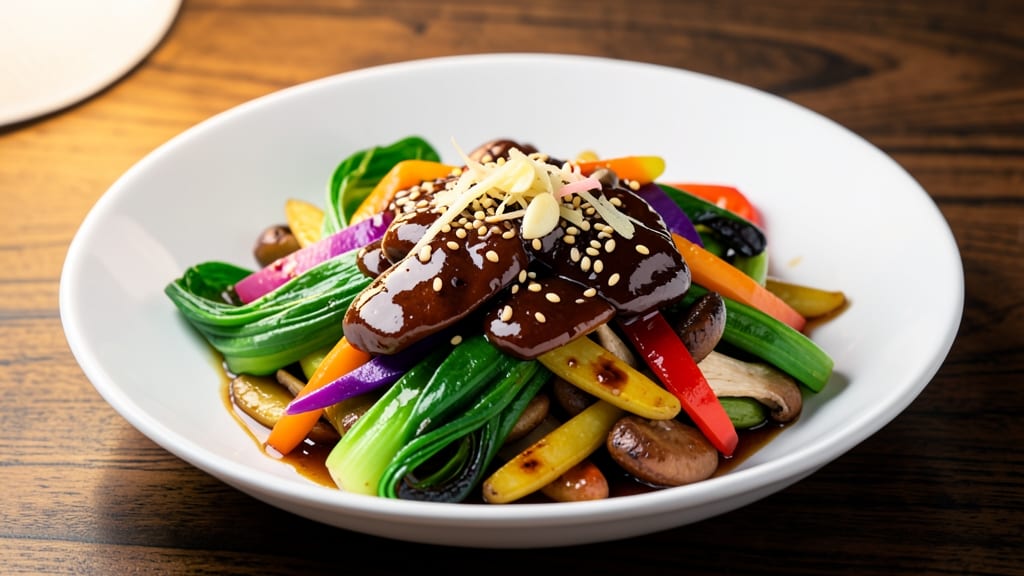
This Asian vegetable stir fry sauce recipe transforms simple stir-fried vegetables into a restaurant-quality dish with just a few pantry staples.
The secret lies in balancing umami depth from soy sauce and fermented chili, bright tang from rice vinegar, and natural sweetness from honey or maple syrup—creating a sauce that clings perfectly to crisp-tender vegetables.
I developed this version after years of testing, ensuring it delivers bold flavor without overpowering the natural taste of fresh produce.
The foundation of this sauce is simple yet powerful: garlic, ginger, and sesame oil form the aromatic base, while soy sauce provides that essential umami backbone.
What sets it apart is the optional addition of chili paste or sriracha for heat, which can be adjusted to taste—perfect for those who prefer mild or fiery flavors.
The sauce keeps well in the fridge for up to a week, making it ideal for meal prep or spontaneous stir-fry nights.
What you’ll end up with is a versatile, vibrant sauce that elevates even the most basic vegetables—bell peppers, broccoli, snap peas, or bok choy—into a dish worthy of a takeout menu.
The sauce’s sticky, glossy texture ensures every bite is packed with flavor, while its adaptability means it works equally well with tofu, chicken, or shrimp. Whether you're cooking for one or feeding a crowd, this sauce is your secret weapon.
Use it as a base for quick weeknight meals, marinades, or even as a dipping sauce for spring rolls. The best part? You can make it in 10 minutes with ingredients you likely already have on hand.
Let’s get started on creating this foolproof, umami-rich sauce that will change how you approach stir-fries forever.
Ingredients for asian vegetable stir fry sauce
Nine ingredients, ten minutes—this sauce transforms basic veggies into restaurant-worthy stir-fry magic.
| Ingredient | Amount | Notes |
|---|---|---|
| Low-Sodium Soy Sauce 🍶 | ½ cup | Kikkoman preferred for authentic flavor |
| Rice Vinegar 🍶 | ¼ cup | Seasoned variety for extra depth |
| Sesame Oil 🫒 | 1 ½ tbsp | Toasted for nutty aroma |
| Fresh Garlic Cloves 🧄 | 4 cloves | Minced for aromatic base |
| Fresh Ginger 🌿 | 1 ½ tbsp | Grated, not paste |
| Honey 🍯 | 2 tbsp | Or maple syrup for vegan option |
| Red Chili Paste 🌶️ | 1 tbsp | Optional for heat |
| Sriracha 🌶️ | 1 tbsp | Alternative heat source |
| Toasted Sesame Seeds 🌰 | 1 tbsp | For garnish and crunch |
| Cornstarch 🌾 | 1 tsp | For thickening consistency |
The soy sauce is non-negotiable—Kikkoman delivers that authentic umami punch, but any low-sodium brand works. Fresh ginger and garlic are your flavor anchors, so don't skimp. Trader Joe's carries pre-grated ginger if you're short on time, but it's worth the 30-second grate for fresher flavor. For the sesame oil, grab the toasted variety (not the regular cooking oil)—La Choy or Kadoya are my go-tos. The red chili paste can be found in the Asian aisle at Walmart or Target, but if you're avoiding heat, just skip it entirely.
No soy sauce? Coconut aminos in a 1:1 ratio works surprisingly well. Fresh ginger not an option? Ground ginger at half the amount gets you close, but it lacks that bright zing. The honey can be swapped for maple syrup if you're avoiding refined sugar—just add an extra splash of vinegar to balance. For heat, gochujang is another fantastic option, but it's thicker so start with half the amount. And if you're making this ahead, add the cornstarch to the sauce only when reheating—it thickens when hot.
This sauce keeps beautifully in an airtight container in the fridge for up to 1 week. The flavors actually deepen overnight, so make extra. For freezing, portion into ice cube trays—perfect for single-use portions later. Just remember to whisk in the cornstarch when reheating, as it loses thickening power when cold. The sesame seeds stay fresh for months in a sealed jar, so buy extra if you're a stir-fry enthusiast.
Why You'll Love This Recipe
- Pantry Magic: I swear by this sauce because it’s all there—no special shopping trips. The low-sodium soy sauce gives that deep umami punch, while the rice vinegar brightens it up instantly. Honestly, I keep this combo in my fridge for when I forget the store-bought stuff.
- Umami Bomb: That sesame oil hit? Chef’s kiss. One teaspoon transforms bland veggies into something irresistible. The garlic and ginger sizzle just enough to wake up every bite—no complicated marinades, just pure flavor.
- Weeknight Wonder: Toss it with whatever’s in the crisper (bell peppers, snap peas, even wilted greens) and dinner’s done. I’ve used it for quick lunches, potlucks, or even as a dipping sauce—it’s my go-to when I’m low on time and high on hunger.
- Budget Hero: This sauce costs pennies but feels like a fancy takeout. A little goes a long way, and leftovers reheat beautifully. Between us, I’ve stretched a single batch into three meals without breaking the bank.
Step-by-step instructions for Asian vegetable stir fry sauce
This sauce delivers perfect balance—sweet, salty, tangy, and umami-rich in minutes.
Bloom the Aromatics in Toasted Sesame Oil
Heat a small saucepan over medium-low heat and add the 1.5 tablespoons sesame oil. Let it warm for 30 seconds until fragrant—you'll smell that nutty aroma develop. Add the 4 minced garlic cloves and 1.5 tablespoons grated fresh ginger, stirring constantly for 1-2 minutes until the garlic turns golden brown and the ginger softens.
This step builds the sauce's aromatic foundation. If the garlic starts to brown too quickly, reduce heat immediately—burnt garlic will make the sauce bitter. I like to press the garlic and ginger into the oil with a wooden spoon to release their essential oils fully.
Combine Wet Ingredients for Flavor Fusion
Pour in the 0.5 cup low-sodium soy sauce and 0.25 cup rice vinegar, stirring to dissolve any cornstarch residue. Add the 2 tablespoons honey and 1 tablespoon red chili paste, followed by the 1 tablespoon sriracha. Bring the mixture to a gentle simmer over medium heat and let it cook for 3-4 minutes until the honey dissolves completely.
The sauce should now have a rich, glossy appearance. Here's where the magic happens—if you taste it now, you'll notice the initial balance of sweet, salty, and tangy flavors. This is your flavor baseline before thickening. If you prefer less heat, reduce the chili paste to ½ tablespoon and adjust the sriracha accordingly.
Thicken the Sauce to Perfect Consistency
In a small bowl, whisk together the 1 teaspoon cornstarch with 1 tablespoon cold water until smooth. Slowly pour this mixture into the simmering sauce while stirring constantly. The sauce will thicken immediately—keep stirring for another 1-2 minutes until it reaches a glossy, coatable consistency that clings to vegetables.
You're aiming for a sauce that's thick enough to coat the back of a spoon but still flows smoothly. If it thickens too quickly, add 1-2 teaspoons hot water to adjust. The sauce should now have a velvety texture with all flavors perfectly integrated. Remove from heat immediately to prevent over-thickening.
Finish with Toasted Sesame Seeds
Transfer the sauce to a bowl and let it cool for 5 minutes. Stir in the 1 tablespoon toasted sesame seeds just before serving. These seeds add both visual contrast and nutty crunch that cuts through the sauce's richness.
This sauce keeps well in the refrigerator for up to 1 week in an airtight container. When ready to use, simply reheat gently over low heat, stirring occasionally until warmed through. The sauce should coat your stir-fry vegetables beautifully, enhancing their natural flavors while adding that signature umami depth.
Pro Tips For Making Asian Vegetable Stir Fry Sauce
- MINCE GARLIC THIN: I learned this the hard way—chunky garlic cloves burn before they release their flavor in stir-fry sauce. Use a sharp knife to finely mince (almost paste-like) so it blends smoothly and cooks instantly with the ginger. No food processor? Smash cloves with the flat of your knife first, then chop.
- TOAST SESAME OIL FIRST: Pour sesame oil into the hot pan before adding garlic and ginger—this prevents that bitter burn. Let it sizzle for 10 seconds until fragrant (yes, even if you’re impatient like me), then toss in the aromatics. Skimp here, and your sauce tastes like nail polish remover.
- BALANCE VINEGAR LAST: Rice vinegar’s acidity cuts through the richness, but add it after the soy sauce and aromatics have cooked. Start with 1 teaspoon, taste, then adjust—too early, and the acid will cook off, leaving your sauce flat. (Your future self will thank you.)
- GRATE GINGER FINE: No, “matchstick” ginger won’t do. Use the large holes of a box grater (or microplane) for a paste-like texture that dissolves into the sauce. I was skeptical until I tried it—now it’s non-negotiable for depth. Save the thick slices for tea. BONUS (because I’m feeling generous):
Troubleshooting your asian vegetable stir fry sauce
Sauce Too Thin?
If your sauce ends up too thin after cooking, don't panic—this is an easy fix. Simply mix ½ teaspoon cornstarch with 1 teaspoon cold water in a small bowl, then stir it into the warm sauce. Heat for 1-2 minutes until it thickens to your desired consistency.
I've found that adding the cornstarch slurry too quickly can cause clumping, so stir constantly and gradually. For an instant fix, you can also whisk in 1 tablespoon unsweetened applesauce—it thickens without altering flavor. 💡
Overpowering Heat?
Too much spice? Balance it by adding ½ teaspoon honey or 1 teaspoon maple syrup to mellow the heat. The natural sweetness will help counteract the spiciness while maintaining the sauce's overall flavor profile.
If you're using both chili paste and sriracha, reduce one of them by ½ tablespoon in future batches. For a milder version, swap the red chili paste for 1 teaspoon of mild miso paste—it adds umami without heat. 🌶️
Sauce Separates When Stored?
This happens when oils and liquids separate over time. To fix it, simply stir vigorously or whisk the sauce for 1-2 minutes before using. For prevention, store the sauce in a glass jar rather than plastic, which can absorb flavors.
If you notice separation after reheating, add 1 teaspoon sesame oil and whisk again to restore that glossy texture. I keep my sauce in a Ball mason jar to maintain freshness and prevent separation. ❄️
Lacking Umami Depth?
If your sauce tastes flat or lacks that signature umami punch, try adding 1 teaspoon fish sauce (for non-vegetarian versions) or 1 teaspoon soy sauce (for vegetarian). For a vegan option, ½ teaspoon nutritional yeast adds a cheesy, umami flavor.
Another trick is to simmer the sauce with 1-2 dried shiitake mushrooms for 5 minutes—they infuse incredible depth without altering texture. 💪
Sauce Too Sweet?
Balance excess sweetness by adding ½ teaspoon rice vinegar or 1 teaspoon fresh lime juice. The acidity will cut through the sweetness while enhancing the sauce's brightness. If you prefer a more savory profile, add ½ teaspoon toasted sesame oil—it adds nutty depth without sweetness.
For a quicker fix, stir in ¼ teaspoon grated fresh ginger to add a zesty, slightly bitter note. 🍯
Preventing Future Issues
To avoid common problems, always use fresh garlic and ginger—they prevent bitterness and ensure vibrant flavor. When storing, leave ½ inch headspace in your container to allow for expansion. For long-term storage, freeze the sauce in ice cube trays—just thaw and reheat as needed.
I also recommend tasting the sauce at each step, especially after adding the wet ingredients, to catch any imbalances early. This proactive approach saves time and frustration later. ✨
Nutrition facts
Frequently asked questions
Can I make this sauce without sesame oil?
Yes! If you're avoiding sesame oil, substitute it with 1 tablespoon neutral oil like vegetable or canola oil. For extra flavor, add ½ teaspoon toasted sesame seeds directly to your stir-fry vegetables instead. The sauce will still taste delicious, though it'll lack that signature nutty aroma.
How do I adjust the sauce for tofu or meat stir-fries?
For tofu, add 1 teaspoon rice vinegar and ½ teaspoon honey to brighten the sauce and cut through tofu's mild flavor. For meat (chicken or shrimp), reduce the honey to 1 tablespoon and increase the soy sauce to ⅓ cup for deeper umami. The sauce works perfectly with all proteins!
What vegetables pair best with this sauce?
The sauce works beautifully with bell peppers, broccoli, snap peas, bok choy, and carrots. For extra texture, add water chestnuts or mushrooms. The glossy texture clings perfectly to crisp-tender vegetables, enhancing their natural sweetness.
Can I make this sauce gluten-free?
Swap the soy sauce for ½ cup gluten-free tamari or coconut aminos. Keep all other ingredients the same. The flavor profile will be slightly different but still delicious. For extra umami, add ½ teaspoon nutritional yeast to compensate for the soy sauce's depth.
How long does it take to make this sauce?
This sauce comes together in just 10 minutes—perfect for busy weeknights! The process includes 2 minutes for blooming aromatics, 3 minutes for simmering, and 1 minute for thickening. The quick prep time makes it ideal for spontaneous stir-fry meals.