
Sauces & Condiments
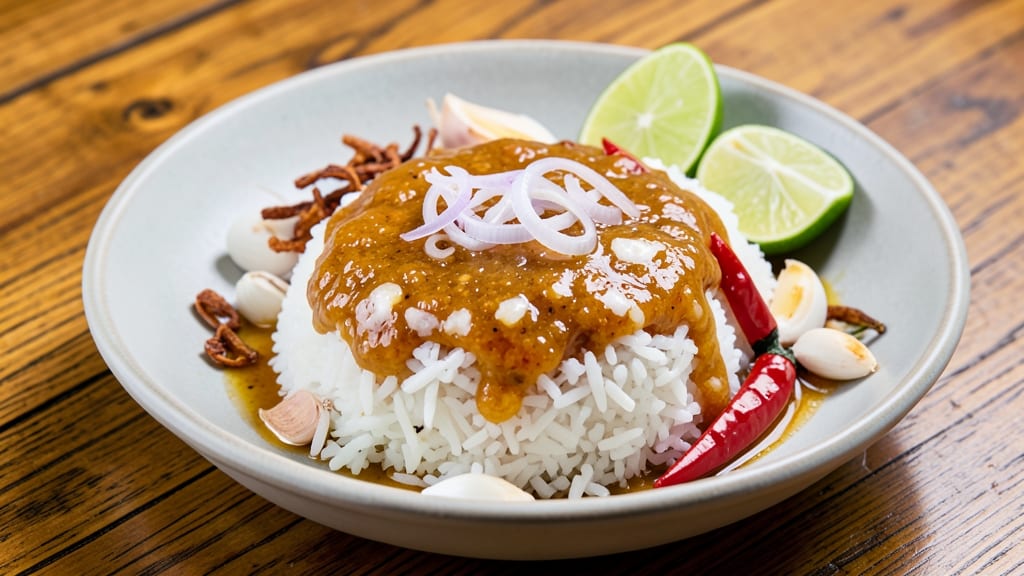
This Asue sauce recipe transforms bold fermented shrimp paste into a complex, tangy-sweet condiment that elevates Southeast Asian dishes. The secret lies in balancing umami-rich shrimp paste with bright lime juice and aromatic shallots, creating a sauce that's both deeply flavorful and refreshingly zesty.
I developed this version after years of refining the perfect ratio—where the heat doesn't overpower, but instead harmonizes with the tangy citrus and subtle sweetness of palm sugar.
What makes this sauce truly special is its versatility—it works as a marinade for grilled meats, a dipping sauce for spring rolls, or a finishing touch for stir-fries. The fermentation process (which you can shorten for quicker results) builds layers of depth that store-bought versions simply can't match.
And unlike many Asian sauces, this one stays vibrant even after refrigeration, making it perfect for meal prep.
The result is a sauce that's rich yet bright, with a slow-building heat from the shrimp paste that's perfectly balanced by the citrus. The texture is smooth yet clings beautifully to ingredients, delivering flavor with every bite.
Whether you're cooking for a crowd or prepping for the week, this sauce becomes the star of any dish it touches.
Best of all, it keeps well in the fridge for up to two weeks or can be frozen for longer storage—so you'll always have that restaurant-quality depth at your fingertips. Let's get started on making this flavor-packed essential.
Ingredients for asue sauce
Nine ingredients transform bold shrimp paste into a vibrant, restaurant-quality sauce that's rich yet bright.
| Ingredient | Amount | Notes |
|---|---|---|
| Fermented Shrimp Paste (Asue) 🦐 | ¼ cup | High-quality, aromatic variety |
| Fresh Lime Juice 🍋 | ½ cup | Strain seeds for clarity |
| Palm Sugar 🍯 | ¼ cup | Grate finely for quick dissolving |
| Shallots 🧅 | 4 whole | Thinly sliced, not minced |
| Garlic Cloves 🧄 | 6 cloves | Peeled, lightly crushed |
| Fresh Thai Chili 🌶️ | 2 whole | Adjust for heat preference |
| Fish Sauce 🐟 | 2 tbsp | Red Boat preferred |
| Coconut Aminos 🥫 | 2 tbsp | Or soy sauce in a pinch |
| Fresh Ginger 🌿 | 1 tbsp | Finely grated, juicy |
| Water 💧 | ½ cup | Filtered preferred |
The fermented shrimp paste is the heart of this sauce—look for deep red, aromatic varieties at Asian markets or well-stocked grocery stores like Whole Foods or H Mart. The Red Boat brand is my go-to for fish sauce, though any high-quality brand works. Palm sugar can be tricky to find, but Trader Joe's often carries it, or sub with brown sugar in a pinch (though the flavor won't be identical). Fresh Thai chilies are non-negotiable for that signature heat—sub with bird's eye chilies if you can't find them, but adjust quantity carefully.
No coconut aminos? Soy sauce works, though it'll lack that subtle coconut depth. Running short on lime juice? Key lime juice or even bottled lime juice will do, but fresh is always better. The shallots and garlic should be thinly sliced, not minced—this keeps the texture smooth. For a quicker version, you can skip the fermentation step and blend everything immediately, though the flavor will develop more depth over time. If you're sensitive to heat, reduce the chili to 1 whole or remove seeds entirely.
This sauce keeps beautifully—up to 2 weeks in the fridge in an airtight jar, or 3 months frozen for when you need that restaurant-quality flavor later. The texture will thicken slightly when refrigerated, so give it a quick whisk with warm water before using. I always make a double batch—one for immediate use, one to freeze—because it disappears so fast. The sauce also makes an incredible marinade for grilled meats or a dipping sauce for spring rolls.
Why You'll Love This Recipe
- Five-Ingredient Magic: I swear by this—just asue, lime, sugar, and aromatics. No fancy techniques, no stress. The shrimp paste gives that deep umami punch instantly, and the lime brightens it up in seconds.
- Umami Bomb: That fermented shrimp paste? It’s the secret weapon. One sniff and you’re transported to a bustling market in Indonesia, where the salty funk meets sweet and tangy in every bite. Honestly, it’s the kind of flavor that makes you want to eat straight from the spoon.
- Dresses Everything: Slather it on grilled fish, toss it with noodles, or drizzle it over veggies—this sauce is my go-to for weeknight dinners or lazy Sunday brunches. Between us, it’s the reason my rice bowls never get boring.
- Budget-Friendly Staple: A little goes a long way, and asue lasts forever in the fridge. I make big batches because it’s cheap, versatile, and always saves me when I’m low on ideas. Plus, no one suspects how affordable this ridiculously good sauce is.
Step-by-step instructions for asue sauce recipe
This vibrant, umami-packed sauce comes together in minutes with bold flavors that balance heat, sweetness, and tang.
Bloom the Fermented Shrimp Paste
Heat a small saucepan over medium-low heat and add the 0.25 cup Fermented Shrimp Paste (Asue). Let it bloom for 2-3 minutes until the paste melts and releases its deep, aromatic oils—you'll smell that unmistakable funky-sweet scent. This step is crucial because it develops the sauce's signature umami foundation without burning the paste.
Real talk: If you're new to fermented shrimp paste, start with half the amount and adjust to taste. The paste is potent, and you want to build layers of flavor rather than overpower the dish. Stir gently to distribute the paste evenly as it melts into a glossy, oily liquid.
Sauté Aromatics Until Fragrant
Add the 4 whole Shallots (thinly sliced), 6 cloves Garlic Cloves (lightly crushed), and 2 whole Fresh Thai Chili (sliced lengthwise) to the saucepan. Cook over medium heat for 3-4 minutes until the shallots soften and turn translucent, and the garlic releases its sweet aroma. The chili should soften but not burn—watch closely as it only takes seconds to go from fragrant to bitter.
Here's the thing—don't rush this step. The aromatics should be tender but still hold their shape slightly, so they contribute texture to the sauce. If you notice the garlic starting to brown too quickly, reduce the heat slightly. The goal is to infuse the paste with these flavors without letting them turn harsh.
Add Sweetness and Acid Balance
Stir in the 0.25 cup Palm Sugar (finely grated) and 0.5 cup Fresh Lime Juice (strained). Bring the mixture to a gentle simmer over medium heat for 2-3 minutes until the sugar dissolves completely and the sauce thickens slightly. You're looking for a syrupy consistency that coats the back of a spoon—this is where the sauce starts to come together.
This is the moment that matters: Taste as you go. The sauce should now have a complex balance of sweet, tangy, and funky notes. If it tastes too sharp, add a pinch more sugar. If it lacks brightness, add a splash more lime juice. The palm sugar helps cut through the intensity of the shrimp paste while adding a caramelized depth when reduced.
Build Depth with Umami and Salt
Pour in the 2 tbsp Fish Sauce and 2 tbsp Coconut Aminos, followed by the 1 tbsp Fresh Ginger (finely grated). Stir well and let the sauce simmer for another 2 minutes until the flavors meld. The fish sauce adds another layer of umami, while the coconut aminos provide a subtle sweetness that rounds out the profile. The ginger should dissolve completely, infusing the sauce with a bright, zesty kick.
I know it seems like a lot of liquid, but trust me—the sauce will reduce as it simmers. The key is to let all these elements marry together. If the sauce starts to look too thin, reduce the heat slightly to allow it to thicken naturally. You want a glossy, syrupy consistency that clings beautifully to noodles or proteins.
Finish with Water and Adjust
Add the 0.5 cup Water and simmer for an additional 3-4 minutes until the sauce reaches your desired consistency. The water helps balance the intensity and creates a lighter, more versatile sauce. Taste again and adjust the seasoning—you might need a touch more lime for brightness or a splash more fish sauce for depth.
For the perfect finish, strain the sauce through a fine-mesh sieve to remove any remaining bits of chili or ginger if you prefer a silky texture. Serve immediately over steamed rice, noodles, or grilled meats. This sauce is best enjoyed fresh, as the flavors continue to develop and intensify as it sits. Store any leftovers in an airtight container in the refrigerator for up to 5 days, though I doubt it'll last that long!
Pro Tips For Making Asue Sauce
- STIR LOW AND SLOW: Fermented shrimp paste (asue) burns faster than you’d think—keep the heat at a gentle simmer, not a rolling boil. I learned this the hard way when my sauce turned bitter and acrid after just two minutes of aggressive stirring. Let it meld gradually, or you’ll end up with a charred, overpowering mess instead of that rich, umami depth.
- SQUEEZE THE SHALLOTS DRY: No one likes a watery sauce, and raw shallots release more moisture than you’d expect. After mincing, wrap them in a clean kitchen towel and press firmly for 5 minutes—this cuts down on the liquid that’ll dilute your asue flavor. Trust me, your sauce will taste more concentrated and balanced.
- USE PALM SUGAR GRANULES: Palm sugar isn’t just a sweetener—it’s the texture game-changer. Skip the powdered or white sugar substitutes, which dissolve too easily and make the sauce cloying. Crushed granules caramelize better, adding a subtle chewiness that pairs perfectly with the tangy lime and funky asue. It’s worth hunting down for this dish.
- ADD LIME JUICE LAST: Fresh lime juice is volatile—heat destroys its bright acidity fast. Stir in the juice only after the sauce has cooled slightly (just off the heat), or you’ll end up with a flat, dull flavor. Wait 30 seconds, then give it a quick taste—adjust if needed, but don’t overdo it. Balance is everything here.
Flavor customization for asue sauce
Spicy Heat Level
Adjust the Thai chili count based on your heat tolerance: 1 chili for mild, 2-3 for medium, or 4-5 for fiery results. I recommend removing seeds for a cleaner heat. For extra kick, add ½ tsp chili flakes at the end. 🌶️
Sweet-Tangy Balance
Increase palm sugar to ⅓ cup if you prefer a sweeter sauce, or reduce to ¼ cup for more tang. For extra brightness, add 1 tbsp rice vinegar instead of some lime juice. The key is balancing these elements—taste as you go!
Umami Boost
Deepening the umami? Add 1 tbsp miso paste or 1 tsp oyster sauce for richer complexity. For a vegetarian version, replace fish sauce with 2 tbsp soy sauce + 1 tsp mushroom powder. The shrimp paste remains the star, but these tweaks elevate it further.
Texture Variations
For a chunky sauce, blend only half the ingredients and leave shallots/ginger whole. For a smooth version, strain through a fine-mesh sieve. I love the texture contrast—both work beautifully depending on the dish.
Flavor Fusion Twists
Add ½ tsp coriander seeds while blooming the paste for Middle Eastern notes. For a tropical twist, swap lime for ½ cup pineapple juice. Both work surprisingly well—experiment to find your favorite fusion!
Storage Adaptations
For longer fridge life, add ½ tsp citric acid to prevent separation. Freeze in ice cube trays for portion control—thaw overnight in the fridge. The texture may thicken slightly when refrigerated, so whisk with 1 tsp warm water before using.
Nutrition facts
Frequently asked questions
What makes this Asue sauce different from other fermented shrimp pastes?
This sauce transforms raw fermented shrimp paste into a balanced, vibrant condiment by blending its funky umami with bright lime juice and aromatic shallots. Unlike plain paste, it's sweet-tangy with controlled heat, making it perfect for dishes beyond stir-fries. The palm sugar and coconut aminos create depth that store-bought versions lack.
Can I make this sauce without fermented shrimp paste?
For a similar profile, substitute with 2 tbsp shrimp paste + 1 tsp miso paste for umami, plus 1 tbsp fish sauce to replicate the funk. However, the authentic fermented paste delivers that signature complexity. If avoiding seafood entirely, use 2 tbsp soy sauce + 1 tsp mushroom powder instead.
How do I adjust the heat level for sensitive eaters?
Start with 1 Thai chili (seeds removed) for mild heat. For zero spice, omit chilies entirely and add ½ tsp sweet paprika for color. The sauce's natural funkiness remains even without heat. Always taste as you go—you can add more lime juice to balance any residual spiciness.
What's the best way to use leftover sauce?
Use it as a marinade for grilled chicken or tofu (30-minute soak), stir into noodle dishes, or drizzle over rice bowls. For extra richness, simmer with 1 tbsp coconut milk before using. The sauce keeps well for 2 weeks refrigerated—just whisk with 1 tsp warm water if it thickens.
Why does my sauce smell so strong?
The fermented shrimp paste releases aromatic sulfur compounds when heated—this is normal and means it's working! The smell mellows as the sauce cooks and balances with lime and sugar. If it still seems overpowering, add 1 extra tbsp lime juice or ½ tsp vanilla extract to round out the funk. Always cook on medium-low heat to prevent burning.