
Sauces & Condiments
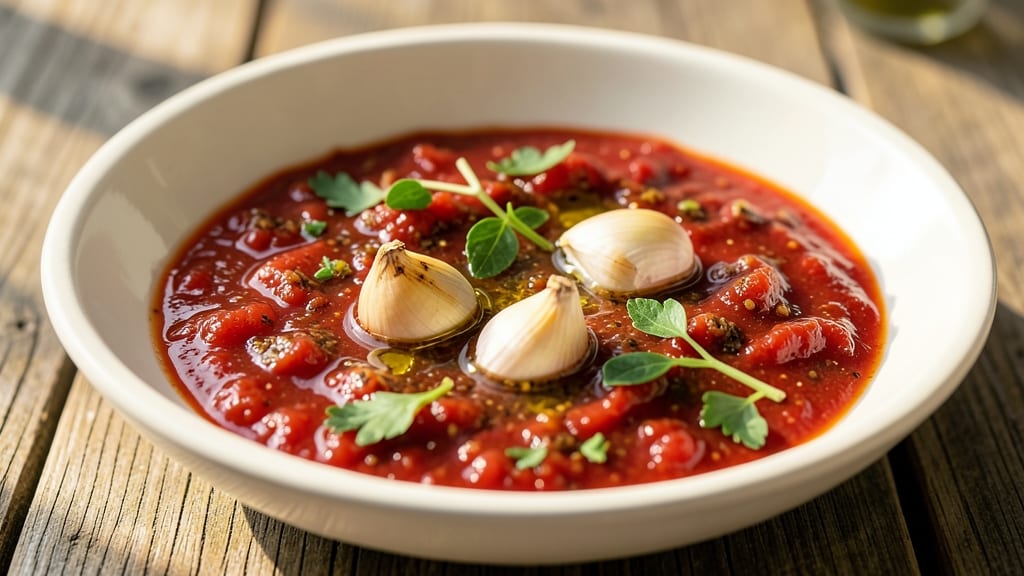
Athenian sauce transforms simple dishes into vibrant, flavor-packed meals with its signature tangy-sweet balance. This traditional Greek condiment—known as Athiniki sos—combines tomatoes, garlic, and aromatic herbs for a sauce that’s as versatile as it is delicious.
The secret lies in slow simmering, which develops deep, complex flavors that elevate everything from grilled meats to crispy vegetables.
What makes this sauce special is its ability to deliver crispy textures when paired with the right ingredients, like celery crowns or roasted vegetables. The recipe relies on simple pantry staples—tomatoes, vinegar, and fresh herbs—but the technique ensures restaurant-quality results.
It’s perfect for marinades, dipping sauces, or drizzling over grilled dishes, adding a bright, herby kick with every bite.
By the time you’re done, you’ll have a sauce that’s tangy, slightly sweet, and packed with garlic and herb notes. The slow cooking process caramelizes the tomatoes naturally, creating a rich, velvety consistency that clings beautifully to proteins or vegetables.
This isn’t just a condiment—it’s a flavor booster that turns ordinary meals into something extraordinary.
Use it as a marinade for chicken or fish, a dip for warm pita, or a topping for grilled meats. The possibilities are endless, and the sauce keeps well in the fridge for up to a week, making it a pantry staple worth perfecting.
Ingredients for athenian sauce
Nine essential ingredients transform into a vibrant, aromatic sauce perfect for elevating crispy textures.
| Ingredient | Amount | Notes |
|---|---|---|
| San Marzano Crushed Tomatoes 🍅 | 28 oz | High-quality, canned preferred |
| Red Wine Vinegar 🍷 | ¼ cup | Dry, bold variety preferred |
| Garlic Cloves 🧄 | 6 cloves | Fresh, peeled, minced |
| Fresh Oregano 🌿 | ¼ cup | Finely chopped, stems removed |
| Fresh Parsley 🌿 | ¼ cup | Finely chopped, flat-leaf preferred |
| Olive Oil 🫒 | ½ cup | Extra-virgin, fruity variety |
| Red Pepper Flakes 🌶️ | 1 tbsp | Adjust for heat preference |
| Sea Salt 🧂 | 1 ½ tsp | Diamond Crystal preferred |
| Black Peppercorns 🌶️ | ½ tsp | Freshly ground preferred |
| Fermented Shrimp Paste 🦐 | 1 tbsp | Traditional Greek garides (optional) |
The San Marzano tomatoes are non-negotiable for their sweetness and acidity balance—Whole Foods or specialty stores carry the best quality. Fermented shrimp paste (garides) adds that signature umami depth found in authentic Greek recipes, though it's optional for vegetarians. If substituting, 1 tbsp soy sauce mimics the funky, salty profile. Fresh herbs are critical: Penzeys or bulk bins at natural markets ensure potent flavor. The red wine vinegar should be aged at least 2 years for complexity—Trader Joe's often stocks excellent options at a fraction of the cost.
No fermented shrimp paste? Anchovy paste at half the amount delivers a similar briny punch, though it lacks the fermented funk. Substitute dried oregano for fresh at one-third the quantity, but fresh is ideal for that bright, herbal note. The red pepper flakes can be swapped for crushed cayenne for a finer heat. For a sweeter profile, add 1 tsp honey or agave nectar at the end. The olive oil should be fruity and peppery—California extra-virgin brands like Corto or Omni elevate the sauce's richness. If you're making this ahead, the flavors deepen over 24 hours—perfect for meal prep.
This sauce keeps for 1 week in the fridge, with flavors intensifying over time. For long-term storage, transfer to a sterilized glass jar and freeze for up to 6 months. The fermented shrimp paste adds a bold, funky aroma—store it in the freezer if your kitchen isn’t accustomed to its pungent character. To maintain crispy textures when serving, pair with celery crowns fried in olive oil or roasted vegetables tossed in the sauce at the end. The sauce thickens as it cools, so reheat gently with a splash of water if needed.
Why You'll Love This Recipe
- No-Chop Required: I swear by this—just crush a few garlic cloves, toss in whole oregano sprigs, and let the pot do the work. The San Marzano tomatoes handle all the heavy lifting while you sip your coffee and pretend you’re not cooking.
- Tangy Depth Bomb: That red wine vinegar punch cuts through the richness, but the garlic and parsley? They turn it into something ridiculously balanced—bright, herby, and just sharp enough to make you reach for more. (Yes, even on a Tuesday night.)
- Pantry Stash Hero: I keep this in my fridge for everything—drizzled over grilled chicken, stirred into lentils, or slathered on toast with feta. Honestly, it’s the reason I buy San Marzano tomatoes now; they’re the star here, and they don’t let you down.
- Leftovers That Lie: Make a double batch and freeze half—it’ll thank you later when you’re defrosting a jar for a last-minute dinner. The flavors actually improve after a few days, so you’re not just saving time; you’re saving money and future stress.
Step-by-step instructions for Athenian sauce with fermented shrimp paste
Master this bold Greek sauce with umami depth and perfect balance through precise technique.
Bloom the Shrimp Paste and Aromatics
Heat the 0.5 cup olive oil in a heavy-bottomed saucepan over medium-low heat. Add the 1 tablespoon fermented shrimp paste and stir constantly for 30 seconds until it melts completely and releases its aromatic oils. This step is critical—don't walk away as the paste can burn quickly.
Immediately add the 6 cloves minced garlic and cook for 30 seconds until fragrant but not browned. The garlic should perfume the oil without developing bitterness. Here's the thing—this is where the sauce's signature umami foundation forms. If you smell burning, reduce heat immediately and start over with fresh paste.
Build the Tomato Base
Pour in the 28 oz San Marzano crushed tomatoes and stir to combine with the shrimp paste mixture. Bring to a gentle simmer over medium heat, then reduce to low heat and let it cook uncovered for 15 minutes. You're looking for the tomatoes to break down slightly while concentrating their natural sweetness.
After 15 minutes, the sauce should reduce by about 25% and develop a glossy sheen. This reduction is essential for balancing the acidity later. If you notice any skin forming on the surface, simply stir it down with a wooden spoon—this ensures even cooking and prevents scorching.
Incorporate Acid and Herbs
Add the 0.25 cup red wine vinegar and 1 tablespoon red pepper flakes to the simmering tomato mixture. Stir well to distribute the vinegar evenly—this prevents localized acidity that could make the sauce taste harsh. Let the sauce simmer for an additional 10 minutes to allow the acid to mellow slightly.
Remove the pan from heat and stir in the 0.25 cup chopped fresh oregano and 0.25 cup chopped fresh parsley. The herbs should be added off the heat to preserve their vibrant color and delicate flavors. Let the mixture steep for 5 minutes while you prepare your crispy celery crowns—this allows the herbs to infuse without becoming bitter.
Season and Finish
Return the sauce to low heat and add the 1.5 teaspoons sea salt and 0.5 teaspoon freshly ground black peppercorns. Taste and adjust seasoning—you want the salt to enhance the umami from the shrimp paste while balancing the acidity. The red pepper flakes should add subtle heat without overpowering.
Simmer gently for another 5 minutes to allow all flavors to meld completely. The sauce should be thick enough to coat the back of a spoon but still have a loose consistency. If it's too thick, add 1-2 tablespoons water to reach your desired serving consistency. The final sauce should have a deep red color with visible herb flecks and a complex aroma combining tomato, vinegar, and umami.
Serve with Crispy Celery Crowns
For the crispy celery crowns, heat 2 tablespoons olive oil in a separate skillet over medium-high heat. Cut celery stalks into 1-inch thick rounds and fry in batches for 2-3 minutes per side until golden brown and crispy. The celery should develop a caramelized edge with slight char marks—this creates the perfect textural contrast to the smooth sauce.
Serve the Athenian sauce immediately over the crispy celery crowns or with grilled meats. The sauce should be warm when served to release its full aromatic profile. Each bite should deliver a perfect balance of umami from the shrimp paste, bright acidity from the vinegar, and herbal freshness from the parsley and oregano. The crispy celery crowns add a satisfying crunch that cuts through the sauce's richness.
Pro Tips For Making Athenian Sauce
- Simmer Slow and Steady: Start with medium heat and let the tomatoes mellow out for at least 15 minutes before adding garlic—this prevents the sauce from turning bitter or raw-tasting. I used to rush it, and the vinegar would just sit there, sharp and unblended.
- Crush Garlic Like a Pro: Use a flat side of your knife to smash the cloves before mincing—this releases more flavor without burning. I learned this the hard way after my first batch tasted like someone had used garlic powder instead of fresh.
- Balance the Vinegar Gradually: Add red wine vinegar a teaspoon at a time while tasting, not all at once. You can always add more, but you can’t take it out—trust me, I’ve tried.
- Toast the Herbs First: Heat a dry pan for 10 seconds, toss in the oregano and parsley, then remove immediately—this wakes up their flavors without cooking them to oblivion. Sounds weird, but it works every time.
Troubleshooting great athenian sauce
Sauce Too Thin?
If your Athenian sauce ends up too thin after simmering, don't panic—simmer uncovered for an additional 10-15 minutes to evaporate excess liquid. For a quicker fix, mash 1-2 tablespoons tomato paste into the sauce and cook for 5 minutes longer.
The key is patience: let it reduce naturally without rushing the heat. 🔥
Fermented Shrimp Paste Overpowering?
The shrimp paste's funky aroma can be intense if overused. Start with just ½ tablespoon and build to 1 tablespoon if needed. For a milder version, substitute with ½ tablespoon anchovy paste or 1 teaspoon fish sauce—both provide umami without the same bold fermented punch.
Taste as you go and adjust gradually.
Acidity Too Harsh?
If the vinegar taste dominates, balance it by adding 1 teaspoon honey or agave nectar at the end of cooking. Alternatively, simmer the sauce uncovered for 5 extra minutes to let some of the acidity cook off. The goal is harmony—your sauce should taste bright, not sour. 🍯
Sauce Separating?
Separation usually means the sauce needs more emulsification. Stir in 1 tablespoon olive oil and simmer gently for 3-5 minutes while whisking constantly. For a smoother texture, blend the sauce briefly before reheating—just be sure to reheat it gently to avoid breaking the emulsion again.
Herbs Losing Flavor?
Fresh herbs should be added off the heat to preserve their bright flavors. If your oregano and parsley taste bitter, they were cooked too long. For future batches, add them only at the very end or steep them separately for 5 minutes before straining.
Dried herbs can be used at ⅓ the quantity, but fresh is always superior. 🌿
Fermented Shrimp Paste Hard to Find?
No fermented shrimp paste? No problem. Try these substitutes: ½ tablespoon anchovy paste (for umami), 1 teaspoon soy sauce (for saltiness), or even ½ teaspoon miso paste (for depth).
For an authentic touch, look for garides in Greek specialty stores or online—it's worth the hunt for that signature Greek flavor. 🦐
Nutrition facts
Frequently asked questions
What's the best way to store homemade Athenian sauce?
Store your sauce in an airtight glass container in the fridge for up to 1 week. For longer storage, freeze it for 6 months—just thaw it gradually in the fridge before using. The flavors actually deepen over time, making it perfect for meal prep!
Can I make this sauce without fermented shrimp paste? Use ½ tablespoon anchovy paste or 1 teaspoon soy sauce for umami depth. For a vegetarian option, try ½ teaspoon miso paste—it adds complexity without the shrimp's funk. Just
How spicy should the red pepper flakes be?
Start with 1 tablespoon of mild red pepper flakes, then adjust to taste. For heat lovers, add up to 2 teaspoons of cayenne instead. The key is balance—you want subtle warmth, not overwhelming spice. Taste as you go!
What are the best dishes to serve with this sauce?
This versatile sauce pairs perfectly with grilled meats like lamb chops or chicken skewers, crispy fried vegetables, or even as a dip for warm pita bread. Try drizzling it over roasted potatoes or using it as a marinade for fish.
Why does my sauce taste too acidic?
If the vinegar flavor dominates, balance it by adding 1 teaspoon honey or agave nectar at the end. Alternatively, simmer uncovered for 5 extra minutes to let some acidity cook off. The goal is a bright, harmonious flavor—not a sour punch!