
Sauces & Condiments
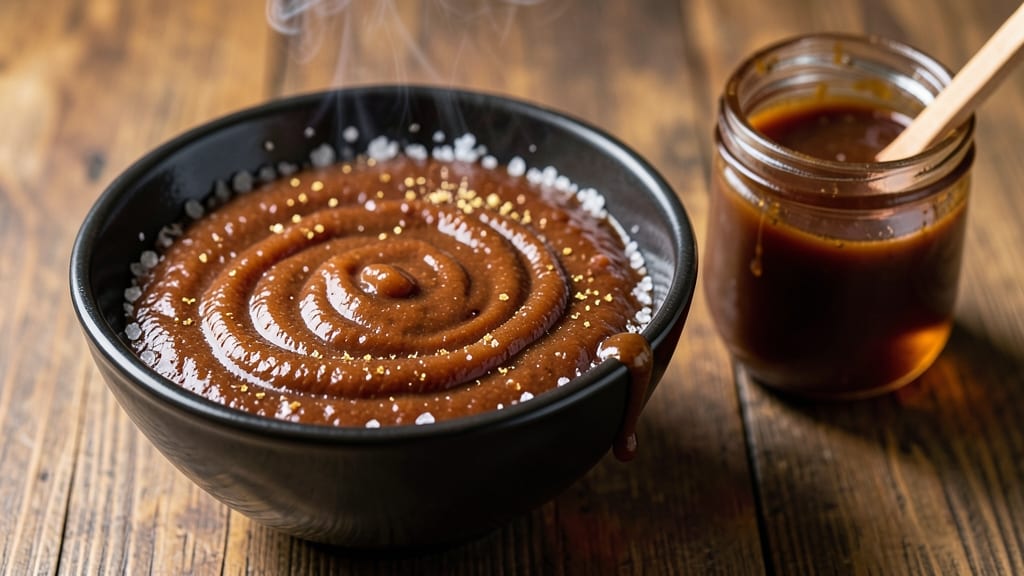
This sugar-free Atkins barbecue sauce delivers all the smoky-sweet tang you crave without the carb crash—perfect for grilled meats, pulled pork, or dipping. The secret lies in erythritol for sweetness and apple cider vinegar for depth, creating a sauce that mimics traditional flavors while staying keto-friendly.
I developed this recipe after years of hunting for a low-carb sauce that didn’t sacrifice taste, and it’s now my go-to for everything from weeknight dinners to summer cookouts.
What sets this sauce apart is its balance of bold spices and tangy acidity, achieved through slow simmering that intensifies the flavors without adding sugar. The blend of tomato paste, Worcestershire, and liquid smoke creates that classic BBQ profile, while garlic and onion powder add layers of warmth.
Unlike store-bought alternatives, this version is shelf-stable for up to 3 months or freezer-friendly for even longer storage—no wasted leftovers here.
The result is a glossy, smoky-sweet sauce with just the right kick, perfect for basting ribs, slathering on burgers, or drizzling over grilled chicken. It clings beautifully to proteins and stands up to heat, so you won’t lose flavor when cooking.
The erythritol ensures sweetness without the blood sugar spike, making this the ideal sauce for Atkins, keto, or low-carb diets.
Best of all, it’s foolproof—no complicated techniques, just a one-pot method that takes less than 30 minutes. Once you taste the difference between this and sugary store-bought sauces, you’ll never go back. Let’s get started!
Ingredients for atkins barbecue sauce
Nine ingredients transform into the ultimate sugar-free BBQ sauce—bold, tangy, and keto-friendly.
| Ingredient | Amount | Notes |
|---|---|---|
| Tomato Paste 🍅 | ½ cup | High-quality, no sugar added |
| Erythritol 🍬 | ½ cup | Granular, for sweetness |
| Apple Cider Vinegar 🍏 | ¼ cup | Raw, unfiltered preferred |
| Worcestershire Sauce 🍶 | 2 tbsp | Sugar-free, like Annie's |
| Liquid Smoke 🔥 | 1 tbsp | Pure liquid smoke flavor |
| Garlic Powder 🧄 | 1 tbsp | Freshly ground preferred |
| Onion Powder 🧅 | 1 tbsp | No added anti-caking agents |
| Smoked Paprika 🌶️ | 1 tbsp | For authentic smoky depth |
| Salt 🧂 | 1 tsp | Diamond Crystal kosher |
| Black Pepper 🌶️ | ½ tsp | Freshly cracked for heat |
The tomato paste is your flavor base—no sugar added is key here. I grab the Muir Glen brand from Trader Joe's because it's consistent and reliable. Erythritol is a game-changer for sweetness without the carb crash. Lakanto or Wholesome Sweeteners brands work perfectly, but avoid powdered versions—they clump. Apple cider vinegar adds that signature tang, so don't skimp. The raw, unfiltered kind from Bragg or Texas Pete gives the best depth. Worcestershire sauce needs to be sugar-free—Annie's is my go-to, but check labels carefully. Liquid smoke might be tricky to find, but Amazon or specialty stores like Penzeys carry it. The spices? Freshly ground garlic and onion powder make all the difference—pre-ground loses potency fast.
No erythritol? Monk fruit sweetener works in a 1:1 ratio, though the texture might be slightly different. Running out of Worcestershire? Coconut aminos plus a dash of soy sauce mimics the umami, but you'll lose some depth. Smoked paprika hard to find? Regular paprika plus a pinch of cayenne gets you close. The tomato paste can be thinned with extra apple cider vinegar if needed—just keep the ratio balanced. For extra tang, add a splash of lemon juice at the end. Want more heat? Hot sauce or cayenne can be stirred in after cooking. The key is balance—start with these amounts, then adjust to taste.
This sauce keeps beautifully. Store in a sealed glass jar in the pantry for up to 3 months—it only gets better with time. Freeze for 6 months if you want to stock up. The flavors meld perfectly overnight, so making a double batch is worth it. I like to portion it into small jars for easy dipping or basting. If it thickens too much, just stir in a splash of water or vinegar. The erythritol might settle at the bottom, but it dissolves completely when reheated. Perfect for grilling season or meal prep!
Why You'll Love This Recipe
- Five-Ingredient Magic: I swear, this sauce comes together with fewer ingredients than my grocery list for coffee. Just tomato paste, erythritol, vinegar, Worcestershire, and a splash of liquid smoke—no fancy pantry trips or last-minute store runs.
- Smoky-Sweet Fix: That liquid smoke and apple cider vinegar combo? It’s like a campfire in a bottle, but with none of the bugs. The erythritol keeps it sweet without the sugar crash, so every bite feels like a little victory.
- Grill Night Every Night: Slap this on chicken, ribs, or even roasted Brussels sprouts—it’s my secret weapon for turning weeknight dinners into "I actually cooked" moments. (Yes, even on a Tuesday night.)
- Keeps Like a Champ: I make a big batch and store it in the fridge for weeks. No weird aftertaste, no spoilage—just pure, ready-to-use flavor whenever I crave that tangy, smoky kick without the sugar guilt. Budget-friendly? Absolutely. Stress-free? Even more so.
Step-by-step instructions for sugar-free barbecue sauce
This smoky, tangy sauce delivers all the bold flavors without the sugar crash—let's make it together!
Combine the Base Ingredients
In a medium saucepan over medium heat, add the 0.5 cup tomato paste and stir continuously for 2-3 minutes until it begins to bubble and darken slightly. This step develops the sauce's rich, concentrated flavor. I like to use a wooden spoon here—it helps scrape up any bits sticking to the bottom, ensuring nothing goes to waste.
Next, add the 0.5 cup erythritol and 0.25 cup apple cider vinegar. Stir well to dissolve the erythritol completely. The vinegar will start to bubble vigorously—this is normal and actually helps blend the flavors faster. Let the mixture simmer for 5 minutes, stirring occasionally, until it thickens slightly and the raw taste of the tomato paste disappears. You'll notice the sauce turning into a glossy, reddish liquid—this is your foundation.
Build the Smoky Depth
Now it's time to add the smoky elements that make this sauce truly special. Reduce the heat to low and stir in the 1 tbsp liquid smoke, 1 tbsp Worcestershire sauce, 1 tbsp garlic powder, 1 tbsp onion powder, and 1 tbsp smoked paprika. The mixture will darken immediately and smell intensely smoky—this is exactly what we want!
Let the sauce simmer for another 5-7 minutes, stirring frequently. You'll see the spices begin to bloom and release their aromas. If the sauce starts to thicken too much, add 1-2 tablespoons of water to keep it smooth. The goal here is to meld all the flavors together into one cohesive, tangy-sweet-smoky blend. Here's the thing—don't rush this step. Letting the spices infuse properly makes all the difference in the final product.
Season and Simmer to Perfection
Add the 1 tsp salt and 0.5 tsp black pepper, then give everything one final stir. Taste the sauce now—it should be tangy and slightly sweet, with a deep smoky background. If it needs more sweetness, add a pinch more erythritol. If it needs more tang, add a splash more vinegar. This is where you can adjust to your exact taste preferences.
Continue simmering for an additional 3-5 minutes until the sauce reaches your desired consistency. It should coat the back of a spoon but still be pourable. For a thicker sauce, simmer a bit longer. For a thinner, more dippable sauce, add a bit more water. The sauce will thicken further as it cools, so aim for a slightly thinner consistency than you think you need.
Cool and Store for Maximum Flavor
Remove the saucepan from heat and let the sauce cool completely. This cooling period is crucial—it allows all the flavors to fully meld together. Once cooled, transfer the sauce to a clean glass jar or airtight container. The sauce will keep in the refrigerator for up to 2 weeks, making it perfect for meal prep.
I always make a double batch because this sauce disappears fast! Use it on grilled meats, in sandwiches, or as a dip for veggies. The sugar-free nature means you can enjoy it without worrying about blood sugar spikes, and the smoky depth makes it taste just like the classic version you love. Trust me, once you try this, you'll never go back to regular barbecue sauce again.
Pro Tips For Making Atkins Barbecue Sauce
- STIR CONSTANTLY: The second this sauce starts simmering, grab that spoon and don’t let up—especially after adding tomato paste. I learned this the hard way when I walked away for "just a minute" and came back to a glued-on mess. Keep it moving on medium-low heat to prevent scorching those sugars.
- WHISK ERYTHRITOL FIRST: Before adding anything else, dissolve that erythritol in a splash of warm water or vinegar—about 2 tablespoons. I used to just toss it in dry, and it’d clump like sand in a blender. This ensures it blends smoothly and sweetens evenly, so your sauce isn’t gritty or unevenly sweet.
- VINEGAR FIRST, SMOKE LAST: Add the apple cider vinegar at the very beginning, right when you start heating. Liquid smoke goes in last—just before serving—because its flavor fades when cooked too long. I used to add both at once and ended up with a sauce that tasted flat and smoky but weak.
- SIMMER UNTIL THICK: Walk away and let it cook uncovered for 15–20 minutes on low heat. You’re not just reducing liquid; you’re building depth. I used to rush it, and the sauce would taste thin and one-dimensional. Patience here makes the difference between store-bought and restaurant-quality.
Wine and beer pairings for atkins barbecue sauce
Bold Red Wine Pairings
This smoky-sweet sauce pairs beautifully with bold red wines that can stand up to its tangy depth. I reach for a Zinfandel from California—its jammy berry notes and peppery finish complement the sauce’s smokiness without overpowering it.
A Syrah from Washington State works too, with its dark fruit and spice profile cutting through the sweetness. 🍷
Crisp White Wine Options
For those who prefer whites, a dry Riesling from Germany or Alsace is my go-to. The wine’s bright acidity and hints of citrus balance the sauce’s richness perfectly. If you’re feeling adventurous, try a Gewürztraminer—its lychee and floral notes add an unexpected but delightful contrast to the smoky flavors.
Beer Pairings for Grilling
When grilling, a hoppy IPA like Fat Tire Amber Ale or Sierra Nevada Pale Ale is ideal. The beer’s bitterness and caramel maltiness mirror the sauce’s tangy-sweet profile. For a lighter option, a Belgian Witbier with its coriander and citrus notes refreshes the palate between bites. 🍺
Non-Alcoholic Alternatives
Skip the alcohol? No problem. A sparkling apple cider with its crisp acidity mimics wine’s refreshing quality, while a ginger beer adds a zesty kick that pairs surprisingly well with the sauce’s smoky depth.
For a more traditional approach, try a black cherry soda—its tartness enhances the sauce’s tangy-sweet balance.
Regional Beer Specialties
In the South, a Texas-style craft lager like Lone Star or Shiner Bock works wonders—their malty sweetness and subtle hop bitterness complement the sauce’s bold flavors. Up North, a Michigan craft IPA with its piney, citrusy notes adds a refreshing twist to grilled dishes slathered in this sauce.
Nutrition facts
Frequently asked questions
Can I substitute erythritol with another sweetener?
Yes, you can use monk fruit sweetener in a 1:1 ratio, though the texture might differ slightly. For a closer match, try allulose—it caramelizes better during cooking. Avoid maltitol or honey, as they contain carbs that break Atkins rules. Always adjust to taste after simmering.
How do I prevent the sauce from getting too thick?
Simmer the sauce over low heat and add 1-2 tablespoons of water or apple cider vinegar as needed. Stir frequently to prevent sticking. The sauce will thicken further as it cools, so aim for a slightly thinner consistency while hot. For extra insurance, make a double batch—it disappears fast!
Why does my sauce taste too vinegary?
This usually happens when the tomato paste isn't fully cooked or the vinegar wasn't balanced with sweetness. Simmer the sauce longer to deepen flavors, then adjust with ½ teaspoon more erythritol or a pinch of smoked paprika. For extra depth, add ½ teaspoon of mustard powder—it rounds out the acidity beautifully.
Can I use this sauce on vegetables?
This sauce works perfectly on grilled or roasted vegetables like Brussels sprouts, zucchini, or eggplant. The smoky-sweet flavor complements their natural sweetness, and the low-carb nature keeps it keto-friendly. Just brush it on lightly—veggies absorb sauce quickly, so less is more.
How long can I store homemade barbecue sauce?
Store in a sealed glass jar in the pantry for up to 3 months—it only gets better with time! For longer storage, freeze for 6 months. The sauce thickens when refrigerated, so stir well before using. The erythritol might settle, but it dissolves completely when reheated.