
Sauces & Condiments
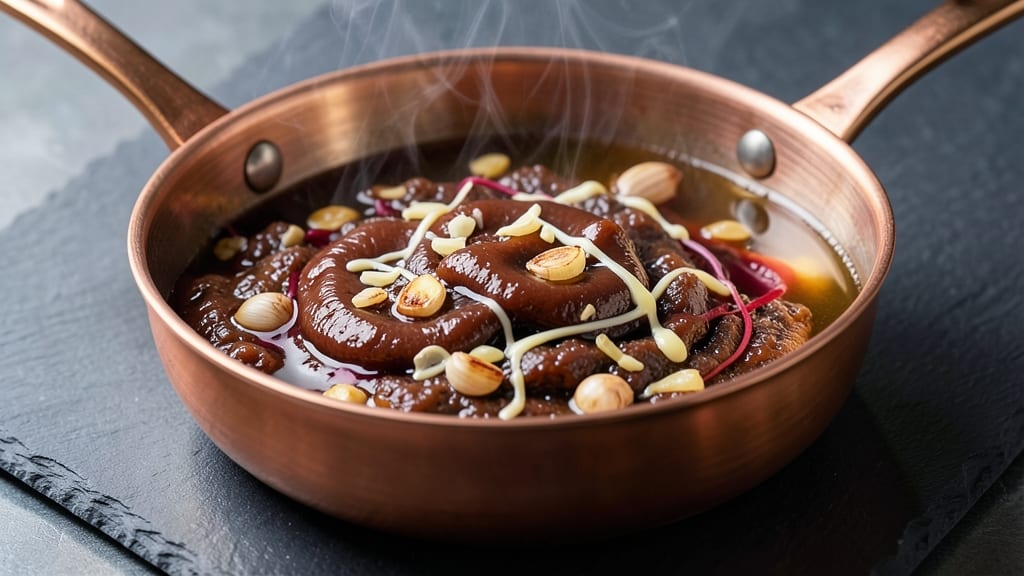
This au jus sauce recipe transforms simple beef broth into a rich, velvety pan gravy that elevates any beef dish. 💛 The secret lies in reducing beef drippings with aromatic vegetables and a splash of wine, creating layers of savory depth that cling to every bite.
I developed this recipe after years of testing—it’s the kind of sauce that turns a simple roast into a restaurant-worthy meal without fuss.
The beauty of this au jus sauce is its versatility—it works as a dipping sauce for fries, a garnish for steak, or a base for beef stroganoff. The key steps involve deglazing the pan with wine and beef broth, then simmering until the sauce thickens to a glossy finish.
No fancy techniques required, just patience and a few pantry staples.
What you’ll end up with is a deep, savory sauce that’s rich but not heavy, with a perfect balance of umami and acidity. The reduction process concentrates the flavors, making every spoonful taste like it’s been simmering for hours.
Best of all, it keeps well in the fridge for up to 5 days, so you can make a big batch and enjoy it all week.
This sauce is perfect for weeknight dinners when you want to impress without spending hours in the kitchen. Whether you’re serving a Sunday roast or a casual beef sandwich, this au jus will take it to the next level. Let’s get started!
Ingredients for au jus sauce recipe with beef broth
Pantry staples plus a few key ingredients transform beef drippings into restaurant-quality au jus sauce.
| Ingredient | Amount | Notes |
|---|---|---|
| Beef Broth 🥩 | 4 cups | High-quality, homemade preferred |
| Red Wine 🍷 | ½ cup | Bold, dry variety like Cabernet |
| Beef Drippings 🍖 | ½ cup | From roasted beef, reserved in pan |
| Shallots 🧅 | 2 whole | Minced, or sub with onion |
| Garlic Cloves 🧄 | 4 cloves | Minced, not pre-minced jar |
| Tomato Paste 🍅 | 1 tbsp | Squeeze tube preferred for ease |
| Balsamic Vinegar 🍶 | 1 tbsp | For depth, not white vinegar |
| Dried Thyme 🌿 | 1 tsp | Or 1 tbsp fresh thyme leaves |
| Black Peppercorns 🌶️ | 10 whole | Crushed, not pre-ground |
| Unsalted Butter 🧈 | 2 tbsp | Cold, for finishing |
| Salt 🧂 | 1 tsp | Kosher or sea salt |
The beef broth is non-negotiable—homemade or high-quality store-bought makes all the difference. Kitchen Basics or Pacific Foods brands are my go-tos for store-bought. Look for beef drippings with visible fat—this is where the sauce gets its richness. The red wine should be bold and dry (Cabernet Sauvignon or Merlot work perfectly), not sweet. Shallots add elegance, but a pinch of onion powder works in a pinch. Fresh thyme is ideal, but dried works at one-third the amount—just crush it between your fingers to release the aroma before adding.
No red wine? Extra beef broth with a splash of balsamic vinegar saves the day. Pre-minced garlic? Freshly minced garlic cloves add way more flavor, but if you're in a rush, jarred minced garlic is fine. Tomato paste tubes are a game-changer—they keep for months and make measuring a breeze. The butter at the end is crucial for that velvety finish, so don't skip it. For a lighter version, swap half the butter with olive oil. The sauce thickens as it cools, so if it seems too thin, simmer it uncovered for another 2-3 minutes.
This sauce gets better as it sits—1-2 hours in the fridge lets the flavors meld beautifully. Store in an airtight container for up to 5 days, or freeze for 3 months in ice cube trays for single-serving portions. I always make a double batch because it disappears fast. The sauce reheats beautifully—just warm it gently on the stove and stir in a pat of butter to restore that glossy finish. Perfect for drizzling over steak, fries, or even mashed potatoes!
Why You'll Love This Recipe
- Pantry Magic: I swear by this sauce because it uses what’s already lurking in my fridge—no special shopping needed. Swap the red wine for a splash of balsamic if you’re fresh out, and the shallots? Even if they’re a little past their prime, they’ll caramelize into something rich.
- Rich Without Effort: That beef drippings base turns ordinary broth into liquid gold with almost no work. Just deglaze the pan after searing, let it simmer, and—boom—depth of flavor that tastes like you spent hours in the kitchen.
- Leftovers That Shine: This sauce keeps for days in the fridge, and it’s even better the next day. I freeze extra in ice cube trays to toss into soups or drizzle over grilled steaks later. (Yes, even on a Tuesday night.)
- Weeknight Hero: Between us, this is my go-to when I’m too tired to think. Toss in the shallots and garlic while the meat roasts, and by the time everything’s done, you’ve got a sauce that’s bold enough for company but simple enough for a solo dinner.
Step-by-step instructions for rich au jus sauce
Here's your shortcut to restaurant-quality au jus—bold, savory, and packed with deep flavor.
🍳 Step 1: Sauté Shallots and Garlic Until Golden
Heat the 0.5 cup beef drippings in a medium saucepan over medium heat until shimmering. Add the 2 whole shallots (minced) and cook for 5-6 minutes until softened and just starting to turn golden. Here's the thing—don't rush this step. You want those shallots to caramelize slightly, which builds the sauce's foundation.
Add the 4 cloves garlic cloves (minced) and cook for another 30 seconds until fragrant. Watch carefully—garlic burns fast. When you smell that sweet, nutty aroma, it's ready. Remove the pan from heat for now; we'll return to it after adding the wine.
🍷 Step 2: Deglaze with Red Wine and Balsamic
Return the pan to medium heat and pour in the 0.5 cup red wine and 1 tbsp balsamic vinegar. Scrape up every last bit of browned goodness from the bottom with a wooden spoon—this is where all the flavor hides. Let the liquid simmer for 3-4 minutes until reduced by half and slightly thickened.
Here's where it gets fun—the wine should smell rich and slightly concentrated. If it's reducing too fast, lower the heat. You want it to bubble gently, not boil furiously. This reduction step is what transforms ordinary broth into something extraordinary.
🥘 Step 3: Build the Sauce with Broth and Aromatics
Stir in the 4 cups beef broth, 1 tbsp tomato paste, 1 tsp dried thyme, and 10 whole black peppercorns (lightly crushed). Bring to a gentle simmer over medium-low heat and let it cook uncovered for 15-20 minutes until slightly reduced and concentrated. You'll know it's ready when the sauce coats the back of a spoon.
I like to taste at this point and adjust seasoning. Add the 1 tsp salt now if needed—remember, the beef drippings might already be salty. The sauce should be rich but not overpowering. If it's too thin, simmer another 5 minutes to thicken it up.
🔥 Step 4: Finish with Butter for Silky Texture
Reduce heat to low and whisk in the 2 tbsp cold unsalted butter, one tablespoon at a time. The butter should melt completely, creating a glossy sheen on the sauce. This final step adds richness and helps emulsify the sauce for that perfect mouthfeel.
Strain the sauce through a fine-mesh sieve into a clean saucepan if you prefer a smooth texture. Taste again and adjust seasoning—this is your chance to perfect it. The finished au jus should be deep red, glossy, and packed with layers of flavor. Serve immediately over your favorite beef dishes for maximum impact.
Pro Tips For Making Au Jus Sauce Recipe With Beef Broth
- Bloom the Shallots First: Slice those shallots thin—paper-thin, like you’re peeling an onion for a charcuterie board—and let them sit in cold water for 10 minutes before cooking. I used to skip this, and my sauce always tasted raw and bitter. Drain them well, then sear them in beef drippings until they’re golden, not just softened. That caramelization? Non-negotiable.
- Deglaze With Wine, Then Wait: Pour in the red wine hot—right after searing the shallots—and let it bubble away for a full 30 seconds before adding the broth. I learned this the hard way when my sauce tasted flat. The alcohol needs time to cook off, or you’ll end up with a boozy aftertaste instead of depth. Don’t rush it—your future self will notice.
- Strain the Broth Twice: First strain the beef broth through a fine-mesh sieve to catch any sediment, then strain the finished sauce through cheesecloth for a silky texture. Yes, it’s an extra step, but skipping it means you’ll be left with a sauce that’s cloudy or gritty. I used to cut corners here, but a smooth au jus makes all the difference—especially when you’re pouring it over a perfect steak.
- Use the Drippings Immediately: Don’t let those beef drippings cool—they’ll solidify, and scraping them out later is a mess. Work fast: sear your protein (steak, roast, whatever) in a cold pan, then crank the heat and let it brown good. Tilt the pan, scrape up every last bit of fond with a wooden spoon, and deglaze right away. Cold drippings? They’ll turn to glue. Hot drippings? Pure flavor gold.
Pro cooking tips for this dish
Deglaze Like a Pro
Scrape every last bit of browned bits from your pan—this is where the umami magic happens. Use a wooden spoon to loosen those flavorful fond bits before adding the 0.5 cup red wine and 1 tbsp balsamic vinegar.
I swear by Cabernet Sauvignon for its bold flavor, but any dry red will work. Let the wine reduce by half before adding broth—this concentrates the flavor and prevents a watery sauce. 🍷
Simmer Control
Keep your sauce at a gentle simmer, not a rolling boil. Too much heat evaporates the alcohol in the wine too quickly, leaving behind a harsh flavor. If your sauce reduces too fast, lower the heat immediately.
The goal is to thicken gradually over 15-20 minutes—this is where patience pays off. Trust me, rushing this step ruins everything.
Butter Finish
Cold butter is your secret weapon for that silky, restaurant-quality texture. Whisk in the 2 tbsp unsalted butter at the very end over low heat—this prevents the butter from burning while creating a glossy sheen.
I like to add it one tablespoon at a time, letting it melt completely before adding the second. This final touch makes all the difference in that velvety mouthfeel.
Straining Secrets
For a smooth, velvety sauce, strain through a fine-mesh sieve to remove any peppercorns or shallot bits. If you skip this step, you risk a slightly grainy texture.
I use a stainless steel mesh sieve because it’s durable and easy to clean. Pro tip: Save any leftover strained bits—they make a great garnish for soups or salads.
Flavor Boosts
Want to take your sauce to the next level? Add a splash of beef consommé (just 2 tbsp) for extra depth, or a pinch of smoked paprika for a subtle smoky note.
I also love finishing with a few drops of hot sauce for a hint of spice—just enough to wake up the flavors. Taste as you go; this is your chance to customize it to your liking.
Storage Hacks
Let your sauce cool slightly before storing in an airtight container—this prevents condensation from diluting the flavors. It keeps in the fridge for up to 5 days, but I find it tastes even better the next day as the flavors meld.
For longer storage, freeze in ice cube trays and transfer to a bag. Just thaw overnight in the fridge before reheating—no need to defrost quickly.
Nutrition facts
Frequently asked questions
Can I make this au jus sauce without red wine?
Replace the 0.5 cup red wine with 0.5 cup beef broth plus 1 tbsp balsamic vinegar for similar depth. For extra richness, add 1 tsp Worcestershire sauce—it mimics wine's umami complexity. The sauce will still develop that signature velvety texture, just with a slightly different flavor profile.
How do I fix au jus that's too thin?
Simmer the sauce uncovered for 5-10 extra minutes to reduce it further. If it's still too thin, mix 1 tbsp cornstarch with 2 tbsp cold water, stir into the sauce, and simmer until thickened. For a smoother texture, strain through a fine-mesh sieve after thickening. Never skip the butter finish—it adds body and gloss.
What's the best way to use leftover au jus?
This versatile sauce works as a dipping sauce for fries or roasted potatoes, a topping for beef stroganoff or mashed potatoes, or even a base for beef tacos. Freeze extras in ice cube trays for single-serving portions—just thaw and reheat with a splash of broth. The flavors actually improve after resting overnight!
Can I make this sauce in a slow cooker?
Yes! Sauté the shallots and garlic first, then transfer everything to a slow cooker and cook on low for 4-5 hours, stirring occasionally. The slow process enhances the flavors beautifully. For best results, finish with the butter off-heat to prevent burning. This method is perfect for meal prep—just reheat gently before serving.
Why does my au jus taste bitter?
Bitterness usually comes from over-reducing the wine or using too much tomato paste. Balance it with a pinch of sugar or an extra splash of balsamic vinegar. For future batches, reduce the wine over medium-low heat and taste frequently. If using store-bought beef broth, opt for low-sodium varieties to avoid excess saltiness.