
Sauces & Condiments
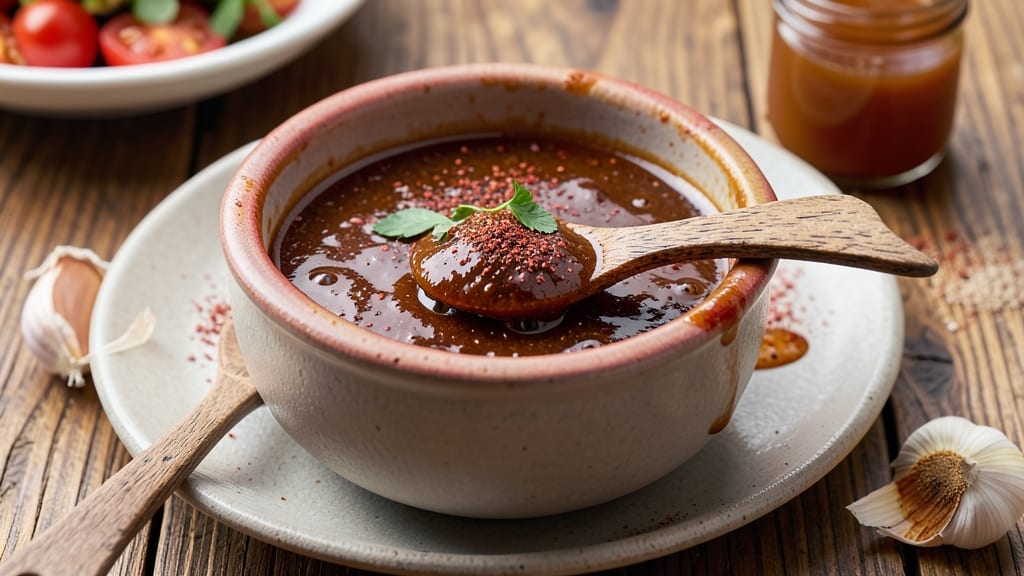
This authentic barbecue sauce recipe delivers the smoky-sweet heat that defines true Southern flavor—deep tomato umami balanced with just the right tang. The secret lies in slow simmering, where vinegar cuts through sweetness while molasses and brown sugar build that signature caramelized depth.
I've perfected this version after years of testing regional styles, ensuring every batch captures that restaurant-quality richness without shortcuts.
The foundation starts with crushed tomatoes and apple cider vinegar, which form the tangy base, while smoked paprika and garlic powder infuse that unmistakable smoky character. A touch of Worcestershire sauce adds complexity, and the sauce thickens beautifully as it reduces, creating a glossy, cling-worthy consistency.
What sets this apart is the patience—letting it simmer low and slow develops layers of flavor that store-bought versions simply can't match.
By the time you're done, you'll have a sauce that's versatile enough for ribs, pulled pork, or even drizzled over grilled vegetables. The balance of sweet, smoky, and tangy hits just right, with no single flavor overpowering.
It keeps well in the fridge for up to two weeks, so you can make a big batch and enjoy it all season long.
For those who love regional variations, this recipe leans toward a Kansas City-inspired style—rich, sweet, and slightly smoky—but the technique works perfectly for Carolina-style tang or Texas-style boldness with minor adjustments. Let's get simmering!
Ingredients for authentic barbecue sauce
Ten ingredients transform into the soul of Southern cooking—smoky, sweet, and tangy all at once.
| Ingredient | Amount | Notes |
|---|---|---|
| Crushed Tomatoes 🍅 | 2 cups | High-quality canned, San Marzano preferred |
| Apple Cider Vinegar 🍏 | ½ cup | Raw, unfiltered for depth |
| Smoked Paprika 🌶️ | 2 tbsp | High-quality, not cayenne |
| Garlic Powder 🧄 | 1 tbsp | Freshly ground preferred |
| Worcestershire Sauce 🍶 | 2 tbsp | Anchovy-free for vegetarian |
| Molasses 🍯 | ¼ cup | Unsulphured for authentic flavor |
| Brown Sugar 🍚 | ¼ cup | Light or dark, packed |
| Kosher Salt 🧂 | 1 ½ tsp | Diamond Crystal preferred |
| Black Pepper 🌶️ | ½ tsp | Freshly cracked for heat |
| Onion Powder 🧅 | 1 tsp | Freshly ground for depth |
The tomatoes are your foundation—San Marzano if you can find it, but any high-quality canned works. Trader Joe's or Whole Foods bulk sections usually have great options. Apple cider vinegar should be raw and unfiltered for that authentic tang. The smoked paprika? Penzeys or McCormick smoked paprika delivers that signature smoky depth without cayenne's heat. Skip the pre-ground spices—freshly ground garlic and onion powder make all the difference. For Worcestershire, Lea & Perrins is the gold standard, but any anchovy-free version works for vegetarian adaptations.
No molasses? Maple syrup at half the amount gets you close, though it lacks that deep caramelized note. Brown sugar substitute? Coconut sugar works 1:1. Short on smoked paprika? Liquid smoke at 1/4 tsp adds depth, but use sparingly. The sauce thickens as it reduces, so don't rush it—patience is key. For a Carolina-style tang, add an extra tablespoon of vinegar. Texas-style boldness? Double the smoked paprika and add a pinch of cayenne. The Worcestershire sauce adds complexity, but if you're avoiding anchovies entirely, vegan Worcestershire works perfectly.
This sauce tastes even better the next day as flavors meld. Store in an airtight container in the fridge for up to 2 weeks, or freeze for 6 months. For easy serving, portion into ice cube trays—perfect for drizzling on ribs or pulled pork. The sauce thickens as it cools, so thin with a splash of water if needed. Double the batch—you'll want leftovers. Trust me, everyone will ask for seconds.
Why You'll Love This Recipe
- Pantry Magic: I swear by this recipe because it uses stuff I always have—no last-minute grocery runs. Crushed tomatoes and vinegar alone give it that tangy backbone, while the Worcestershire adds depth without extra shopping.
- Smoky Kick: That smoked paprika? It’s the secret weapon—just a teaspoon transforms the sauce into something rich and smoky, like a campfire in a jar. The garlic powder ties it all together with a warm, savory punch.
- Weeknight Hero: Between us, this sauce is my go-to for grilled chicken, baked beans, or even pizza night. It’s the kind of recipe that turns a simple meal into something special without extra fuss.
- Budget-Friendly Staple: A single batch stretches across three meals—slather it on ribs one night, toss it in tacos the next, and use the rest for dipping. Honestly, it’s the kind of sauce that makes grocery bills feel lighter.
Step-by-step instructions for authentic barbecue sauce
Here's how to build a sauce with layers of smoky depth, sweet caramel notes, and tangy brightness.
Build the Tomato Base
In a heavy-bottomed saucepan, combine the 2 cups crushed tomatoes and 0.5 cup apple cider vinegar. I like to use San Marzano tomatoes for their natural sweetness and acid balance. Bring this mixture to a gentle boil over medium-high heat, then immediately reduce to medium-low heat and let it simmer uncovered for 10-12 minutes.
This initial cooking step develops the tomato flavor by evaporating some of the water content. You'll notice the sauce becoming slightly thicker and more concentrated. The vinegar will mellow out as it cooks, but it's crucial for that authentic tang. Stir occasionally to prevent sticking, but don't worry about aggressive mixing at this stage.
Add Sweetness and Spices
Once the tomato mixture has reduced slightly, stir in the 0.25 cup molasses, 0.25 cup brown sugar, 2 tbsp smoked paprika, 1 tbsp garlic powder, and 1 tsp onion powder. I use unsulphured molasses for a cleaner, more authentic flavor profile. The spices will dissolve quickly, but give them 2-3 minutes to bloom and release their aromas.
Here's where the sauce starts developing its signature complexity. The molasses and brown sugar will begin to caramelize gently, adding depth of flavor. You'll see tiny bubbles forming along the edges and smell that sweet, smoky aroma building. Keep the heat at medium-low to prevent scorching while allowing the ingredients to meld together.
Incorporate Umami Layers
After the spices have had time to bloom, stir in the 2 tbsp Worcestershire sauce and 1.5 tsp kosher salt. The Worcestershire adds that essential umami depth that makes barbecue sauce truly special. Give everything 5-7 minutes to simmer together, stirring occasionally to ensure even distribution of the ingredients.
This is the moment when all the flavors come together. You'll notice the sauce becoming glossy and more cohesive. Taste it now—it should be sweet, tangy, and developing that smoky character. If you're using anchovy-free Worcestershire, you might want to add a pinch of extra salt to compensate for the lower salt content. The sauce should be balanced but still have room for adjustment.
Finish with Heat and Balance
Finally, stir in the 0.5 tsp freshly cracked black pepper. The pepper adds a subtle heat that cuts through the sweetness and enhances the overall complexity. Let the sauce simmer for another 5-7 minutes until it reaches your desired consistency. For a thicker sauce, simmer longer; for a thinner, more pourable sauce, add a splash of water or apple cider vinegar.
Here's the thing about authentic barbecue sauce—it's all about balance. You want that sweet molasses character, but not so sweet it's cloying. You want the smoky depth from the paprika, but not overpowering. The pepper and vinegar provide that essential balance. Taste as you go and adjust the seasoning if needed. The sauce should be rich, complex, and ready to elevate any grilled creation.
Rest and Ready
Remove the sauce from heat and let it cool slightly for 5-10 minutes. This resting period allows the flavors to fully meld together. I know it's tempting to use it immediately, but giving it a little time makes a noticeable difference in the final result.
Once cooled, transfer the sauce to a clean jar or container. It will continue to thicken as it sits, so you might want to stir it again before using. This authentic barbecue sauce keeps well in the refrigerator for up to 2 weeks, though I doubt it will last that long with how delicious it is. Use it to glaze ribs, drizzle over pulled pork, or serve as a dip for fries and cornbread.
Pro Tips For Making Authentic Barbecue Sauce
- Simmer Slow and Low: I learned this the hard way—boiling your sauce aggressively turns it thin and watery. Keep the heat at a gentle simmer (small bubbles, barely moving) to let the flavors meld without breaking down the tomatoes into mush. If it gets too vigorous, just step it back.
- Strain the Tomatoes First: Skimping on this step leaves your sauce with seeds and bits of tomato skin—trust me, it’s annoying. Use a fine-mesh strainer or cheesecloth to remove the pulp before adding the crushed tomatoes. It’s a little extra work, but the result is silky smooth, not chunky.
- Balance the Vinegar Gradually: Dumping all the apple cider vinegar at once makes your sauce taste harsh and one-note. Start with half, taste it, then add the rest slowly while stirring. You’re aiming for tangy, not sour—think of it like seasoning with acid.
- Toast the Smoked Paprika: Dry-toast the smoked paprika in a small pan over low heat for 30 seconds until it smells deep and nutty. This step removes raw bitterness and intensifies the smoky flavor—don’t skip it, even if the recipe doesn’t say to. (Yes, it’s worth the extra minute.)
Essential equipment for this dish
Heavy-Bottomed Saucepan
This is your most important tool—5-6 quart capacity is ideal for this recipe. I swear by my All-Clad Stainless Steel Saucepan because it distributes heat evenly and prevents scorching. A Le Creuset Dutch oven also works beautifully if you want that classic French flair.
Avoid non-stick pans for this sauce—they don't handle the slow simmering process well and can impart off-flavors. 🔥 If you're on a budget, a Farberware Classic Stainless Steel Saucepan (around $30) delivers excellent results. The key is stainless steel—it conducts heat consistently and won't warp over time like aluminum. For professional-level control, consider a Mauviel M'Cook M300 saucepan, though it's an investment at $150. While this recipe doesn't require blending, an immersion blender becomes invaluable for troubleshooting if your sauce gets too thick or lumpy. My go-to is the Ninja QN250 because it handles hot liquids safely and blends smoothly. For a more budget-friendly option, the Hamilton Beach Multi-Speed works well for under $20. 💫 If you prefer a traditional approach, a high-speed blender like the Vitamix 5200 works too—just cool the sauce slightly before blending. The immersion blender is more convenient for small adjustments during the cooking process, especially if you're making multiple batches. Precision matters with barbecue sauce—digital kitchen scales are my secret weapon for accurate measurements. The OXO Good Grips scale gives exact grams for spices and liquids. For dry ingredients like brown sugar and smoked paprika, I use a spoon rest with leveling edge to avoid overpacking. A set of stainless steel measuring spoons (like Meridian) ensures clean measurements every time. 💡 For vinegar and molasses, I recommend a liquid measuring cup with pour spout—the Pyrex Precision makes pouring effortless. Never eyeball these ingredients; even small variations affect the sauce's balance. If you're making this often, invest in a graduated cylinder for precise liquid measurements down to 1/8 teaspoon. Once your sauce is ready, store it in glass mason jars with airtight lids—I use Ball Wide-Mouth Jars for easy pouring. For freezer storage, quart-sized freezer bags work best, but leave 1 inch headspace for expansion. The Rubbermaid Brilliance bags are my favorite for their durability. 🧊 For serving at gatherings, transfer the sauce to a glass cruet with a pour spout. The Le Creuset Cruet Set adds a touch of elegance to your BBQ spread. If you're prepping for meal prep, consider small glass jars with screw tops—they're perfect for portion control and easy to grab when you're ready to cook.Immersion Blender
Measuring Tools
Storage Containers
Nutrition facts
Frequently asked questions
Can I make this sauce without molasses?
Yes, but the flavor will shift significantly. For a close substitute, use maple syrup at half the amount (about 2 tablespoons) and add 1 teaspoon extra brown sugar to compensate. The sauce will be less deep and caramelized, but still delicious. If you're avoiding sugar entirely, try date syrup in a 1:1 ratio with molasses.
How do I adjust the sweetness level?
Taste as you go! For a sweeter sauce, add 1 tablespoon more brown sugar and simmer 5 more minutes to caramelize. For less sweetness, increase the apple cider vinegar by 1 tablespoon or add ½ teaspoon more smoked paprika to balance. Remember, the sauce thickens as it cools, so adjust before storing.
Can I make this sauce in a slow cooker?
Combine all ingredients in your slow cooker and cook on Low for 3-4 hours, stirring occasionally. The slow cooker method enhances the molasses caramelization naturally. For a quicker version, use High for 1.5-2 hours. Just watch the sauce closely—it may need thinning with water or vinegar if it reduces too much.
Why does my sauce look too thick?
This happens when the sauce reduces too much during cooking. Thin it with 1-2 tablespoons apple cider vinegar or water while warm. For a smoother texture, blend briefly with an immersion blender. If the sauce separates, stir vigorously or simmer gently until fully combined. The sauce should coat the back of a spoon but remain pourable.
What's the best way to use leftover sauce?
Leftover sauce is even better the next day! Use it to glaze ribs or pulled pork during the last 10 minutes of cooking, brush over grilled chicken, or serve as a dip for cornbread or fries. For extra richness, simmer the sauce with 2 tablespoons butter for 5 minutes before using. Store in an airtight container for up to 2 weeks.