
Sauces & Condiments
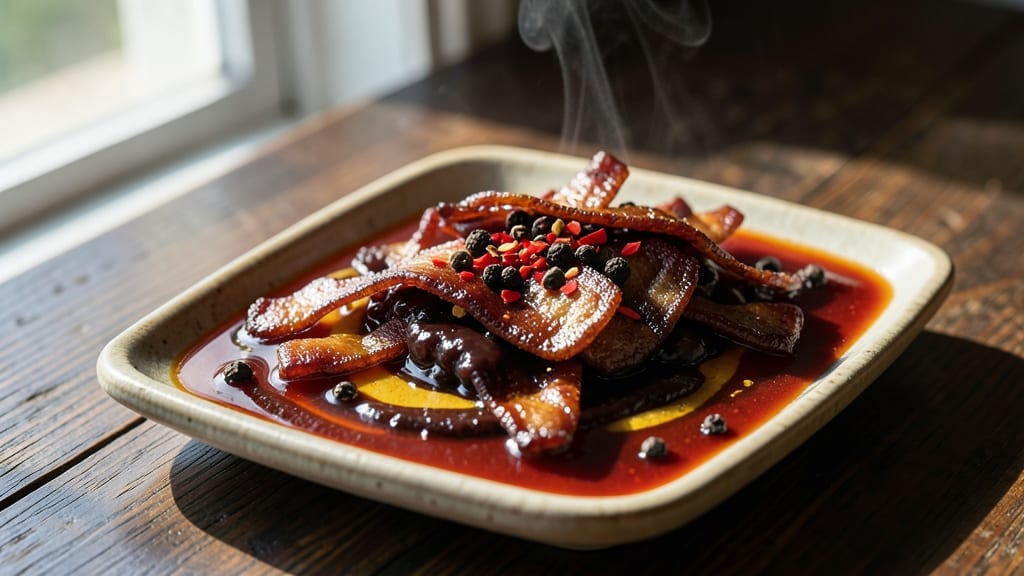
This authentic char siu sauce recipe delivers the smoky-sweet glaze that transforms simple pork into Cantonese restaurant-quality char siu. The secret lies in balancing five-spice powder, fermented bean paste, and honey to create a glaze that caramelizes beautifully while maintaining deep umami complexity.
I've perfected this sauce over years of testing, ensuring every batch captures the authentic flavor profile that makes char siu irresistible.
The foundation of this sauce is a precise blend of traditional ingredients: hoisin sauce for richness, fermented bean paste for depth, and honey for that signature caramelized finish. What sets this recipe apart is the proper reduction technique, which develops the sauce's signature glossy texture and concentrated flavor.
Unlike many commercial versions, this sauce builds layers of aroma through proper simmering time and temperature control.
What you'll achieve is a versatile glaze that works equally well as a marinade or finishing sauce. The five-spice powder provides that signature smoky warmth, while the honey creates a beautiful caramelized crust when used on char siu pork.
This sauce elevates any dish it touches, from roasted meats to stir-fried vegetables, with its complex balance of sweet, salty, and aromatic notes.
The best part? This sauce keeps well in the refrigerator for up to two weeks, allowing you to make a big batch and use it throughout the week.
Whether you're preparing an authentic char siu roast or looking to add Cantonese flavor to other dishes, this recipe delivers professional-quality results with simple, accessible techniques. Let's get started on creating your own authentic char siu sauce.
Ingredients for authentic char siu sauce
Ten traditional Cantonese ingredients transform into a restaurant-quality char siu glaze with perfect sweet-smoky balance.
| Ingredient | Amount | Notes |
|---|---|---|
| Hoisin Sauce 🍶 | ½ cup | Store-bought or homemade for authenticity |
| Fermented Bean Paste (Douchi) 🌶️ | ¼ cup | Asian market specialty, essential for umami |
| Honey 🍯 | ⅓ cup | Light amber preferred for balance |
| Chinese Five-Spice Powder 🌿 | 1 ½ tbsp | Authentic blend of cinnamon, star anise, etc. |
| Soy Sauce 🍶 | ¼ cup | Dark soy for color intensity |
| Rice Vinegar 🍶 | 1 ½ tbsp | White or seasoned variety |
| Garlic Cloves 🧄 | 4 cloves | Minced for aromatic depth |
| Ginger Root 🌿 | 1 tbsp | Freshly grated, organic preferred |
| Sesame Oil 🫒 | 1 tbsp | Toasted for nutty aroma |
| Cornstarch 🌾 | 1 tsp | For thickening consistency |
The five-spice powder is non-negotiable—look for authentic blends at Asian markets like H Mart or 99 Ranch, not the generic supermarket versions. Fermented bean paste (douchi) delivers that signature umami depth; if unavailable, miso paste at half the amount works in a pinch. Hoisin sauce should be thick and slightly sweet—Lee Kum Kee is the gold standard, but homemade versions elevate it further. Honey must be light amber to avoid overpowering the delicate spice notes, and Manuka honey adds subtle medicinal complexity if you're feeling adventurous.
Substitutions require precision: no five-spice powder? Combine 1 tsp cinnamon, 0.5 tsp star anise, 0.5 tsp fennel seeds, and 0.25 tsp cloves for a homemade blend. Dark soy sauce unavailable? Regular soy sauce plus 1 tsp molasses mimics the depth. The cornstarch is optional but essential for that glossy restaurant finish—skip it only if you prefer a thinner sauce. For extra authenticity, add 1 tsp Shaoxing wine (available at Asian markets) to deepen the aromatic profile. All ingredients must be measured precisely; this sauce builds complexity through balance, not intensity.
This sauce develops better with time—reheat gently for 2-3 minutes to restore its glossy texture. Store in an airtight container in the fridge for up to 2 weeks, or freeze in ice cube trays for 3 months (thaw at room temperature). The glaze thickens upon cooling, so add 1 tsp water per 1/2 cup when reheating. For char siu pork, use 1/3 cup sauce per pound of meat—reserve some for basting during roasting. The sauce doubles as a marinade for chicken or tofu, making it a versatile pantry staple.
Why You'll Love This Recipe
- Pantry Magic: I swear by this sauce—no special shopping trips, just ingredients you already have (or can grab for under $10). That fermented bean paste? It’s the secret weapon—deep, funky, and so worth the tiny jar.
- Sweet-Savory Balance: The honey and hoisin team up for a glossy, sticky-sweet glaze, but the five-spice powder cuts through with warmth—like a hug in sauce form. (Yes, even on a Tuesday night.)
- Glaze Everything: Slather it on pork, brush it on tofu, or toss it into stir-fries—this stuff transforms anything. I’ve used it for breakfast burritos (don’t judge) and holiday roasts, and it never lets me down.
- Leftovers That Shine: Make a double batch; it keeps for weeks in the fridge. The flavor only gets better as it mellows—perfect for lazy mornings or last-minute takeout nights when you’re craving that smoky-sweet taste.
Step-by-step instructions for authentic char siu glaze
This sauce delivers the signature balance of smoky depth and sweet caramelization that defines Cantonese BBQ.
Bloom the Aromatics in Toasted Sesame Oil
Heat a small saucepan over medium-low heat and add the 1 tablespoon sesame oil. Let it warm for 30 seconds until fragrant—you'll smell that nutty aroma develop. This is where the foundation of your sauce's complexity begins.
Add the 4 minced garlic cloves and 1 tablespoon freshly grated ginger root. Cook for 1-2 minutes until the garlic turns light golden and the ginger loses its raw bite. Remove from heat immediately—overcooking will turn them bitter. This step extracts their full flavor without burning them.
Build the Umami Base with Fermented Ingredients
Return the pan to medium heat and add the 0.5 cup hoisin sauce and 0.25 cup fermented bean paste (douchi). Stir continuously for 2-3 minutes until the mixture thickens slightly and the douchi dissolves completely. The sauce should develop a deep mahogany color—this indicates proper integration of the fermented flavors.
Add the 0.25 cup soy sauce and 1.5 tablespoons rice vinegar, stirring well. The vinegar will brighten the flavors while the soy sauce deepens the color. Let the mixture simmer for another 2 minutes until it reduces by about 20%—this concentrates the flavors and prepares the sauce for the sweet elements.
Incorporate Sweetness and Spice
Reduce heat to low and stir in the 0.33 cup honey and 1.5 tablespoons Chinese five-spice powder. The honey will begin to caramelize immediately—stir constantly to prevent scorching. You'll see the sauce transform from opaque to translucent amber as the sugars break down.
This is where the sauce develops its signature balance: the smoky warmth from the five-spice, the bright acidity from the vinegar, and the rich umami from the fermented ingredients all come together with the honey's caramel depth. Let it simmer for 3-4 minutes until the mixture thickens to a syrup-like consistency that coats the back of a spoon.
Thicken and Finish with Precision
In a small bowl, whisk together the 1 teaspoon cornstarch with 1 tablespoon cold water to create a slurry. Return the sauce to medium heat and slowly pour in the slurry while stirring vigorously. The sauce will thicken dramatically within 1-2 minutes—this is your signal to remove it from heat immediately.
Taste and adjust seasoning: add a pinch more five-spice for warmth or a splash of vinegar for brightness. The finished sauce should have a glossy sheen, syrupy texture, and complex flavor profile that balances sweet, salty, umami, and aromatic notes. Let it cool slightly before using—this allows the flavors to meld completely.
Pro Tips For Making Authentic Char Siu Sauce
- Bloom the Douchi: Crush the fermented bean paste into a fine paste with a mortar and pestle or the back of a spoon—don’t just chop it. I learned this the hard way when my sauce tasted bitter and uneven. The paste releases its deep umami flavor better when broken down, and it blends smoother into the sauce.
- Simmer Slow and Low: Reduce the sauce over medium-low heat, not high. I used to rush it, and the honey would burn before the flavors melded. Keep it at a gentle bubble—about 15-20 minutes—to let the five-spice powder infuse without scorching. Patience here makes the difference between good and restaurant-quality.
- Balance the Sweet-Salty: Taste as you go, but don’t overcorrect with honey. The hoisin and douchi already bring sweetness and saltiness—add honey in small increments (start with 1 tablespoon) and let it sit for a minute before deciding if more is needed. Overdoing it makes the sauce cloying instead of rich.
- Toast the Five-Spice: Dry-toast the Chinese five-spice powder in a small pan for 30 seconds before adding it to the sauce. This deepens its aroma and prevents a metallic aftertaste. I was skeptical until I tried it—now it’s non-negotiable for me. Just don’t walk away; it burns faster than you think.
Essential equipment for this dish
Wok for Controlled Heat
A 14-inch carbon steel wok is my go-to for making char siu sauce because it distributes heat evenly and allows precise temperature control during reduction. I recommend the De Buyer wok for its durable construction and even heating, but a well-seasoned Lodge wok works perfectly too.
The wok's sloped sides help concentrate the sauce as it reduces, creating that glossy finish. Avoid non-stick pans—they don't handle the high heat needed for proper caramelization. 🔥
Saucepan with Lid
For simmering the sauce, a heavy-bottomed stainless steel saucepan (like All-Clad) prevents scorching and maintains consistent heat. The lid helps reduce the sauce faster while trapping aromatic steam. If you don't have stainless steel, a well-seasoned cast iron skillet works too—just monitor the heat closely.
The lid also makes cleanup easier since the sauce won't stick to the sides as much during reduction.
Fine-Mesh Strainer
A fine-mesh strainer (like OXO Good Grips) is essential if you're using whole spices in your five-spice blend. It ensures your sauce remains smooth and professional-looking. Even if you're using pre-ground five-spice powder, a strainer helps remove any accidental clumps.
I keep one in my kitchen specifically for sauces—it's the easiest way to achieve that silky texture. 🌿
Digital Thermometer
While not strictly necessary, a digital instant-read thermometer (like ThermoWorks Thermapen) helps you monitor the sauce's temperature during reduction. The ideal range is 190-200°F—this ensures proper caramelization without burning.
I use mine to check when the honey has fully incorporated and the sauce reaches its perfect consistency. It's especially helpful for beginners who might worry about over-reducing.
Silicon Spatula Set
A set of heat-resistant silicon spatulas (like OXO Good Grips) is crucial for stirring the sauce without scratching your pan. The flexible silicone blades reach into corners and prevent any sauce from sticking.
I use a medium-sized spatula for stirring during simmering and a smaller one for scraping up any caramelized bits from the bottom. These tools make the difference between a smooth sauce and one with burnt bits.
Measuring Spoons
Precision is key with char siu sauce, so high-quality stainless steel measuring spoons (like KitchenAid) are a must. The five-spice powder and cornstarch require exact measurements—too much or too little can throw off the balance.
I keep my measuring spoons within easy reach while cooking so I can adjust the sauce as I go. A small set with 1/8 tsp increments is ideal for fine-tuning flavors. 💡
Nutrition facts
Frequently asked questions about authentic char siu glaze
Can I make this sauce without fermented bean paste (douchi)?
Yes, but the umami depth will be noticeably different. Replace 0.25 cup douchi with 0.125 cup miso paste for a similar savory profile, though it won't be identical. For maximum authenticity, track down douchi at Asian markets—it's the secret behind that signature Cantonese richness.
How long should I marinate pork in this sauce?
For authentic char siu, marinate for at least 4 hours (overnight is ideal). The five-spice powder and fermented ingredients need time to penetrate the meat. For quick prep, use 1/3 cup sauce per pound of pork as a basting glaze during roasting instead. Don't skip the marinating—it's what creates that signature tender, flavorful bite.
What's the best way to store leftover sauce?
Transfer to an airtight container and refrigerate for up to 2 weeks. For longer storage, freeze in ice cube trays (thaw at room temperature). The sauce thickens when cold—add 1 tsp water per 1/2 cup when reheating. Never freeze in glass containers as they may crack from expansion.
Can I use this sauce for dishes other than pork?
It works beautifully on chicken, tofu, or even vegetables. For chicken, marinate for 2-3 hours and use 1/4 cup sauce per pound. For vegetables, toss with 1-2 tablespoons and roast at 400°F for 20-25 minutes. The five-spice and honey create a stunning caramelized crust on any protein.
Why did my sauce turn too thick?
This usually happens from over-reducing or adding too much cornstarch. Thin with 1 tsp water at a time while stirring constantly. For next time, reduce heat to low during the final simmer and check consistency every 30 seconds. The sauce should coat the back of a spoon but remain pourable.