
Sauces & Condiments
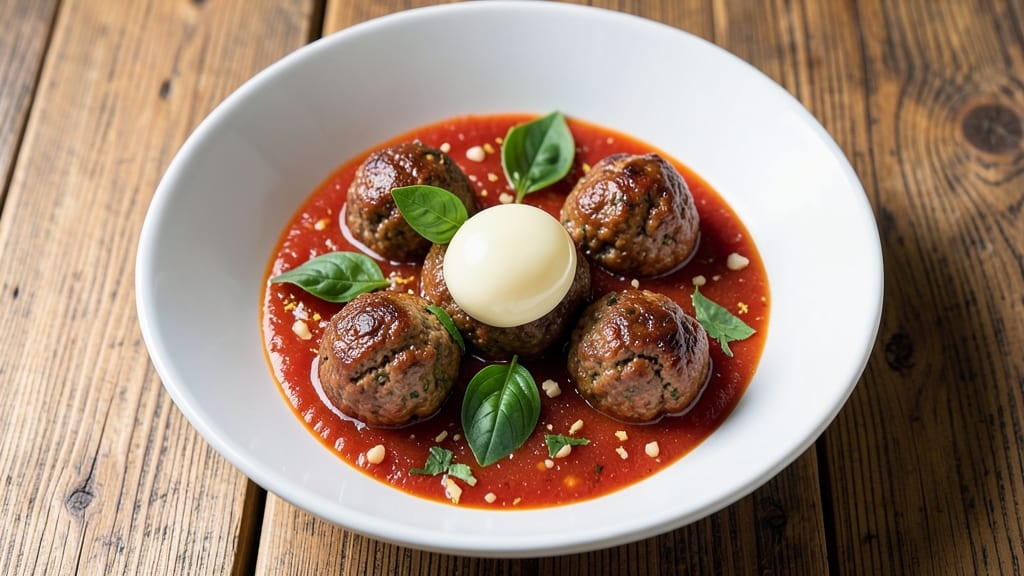
This authentic Italian meatballs in tomato sauce recipe delivers the flavors of Nonna's kitchen—tender, herb-packed meatballs simmered in a rich, slow-cooked marinara that clings to every bite.
The secret lies in hand-formed meatballs with just the right balance of breadcrumbs, egg, and fresh herbs, plus a sauce built layer by layer with garlic, onions, and high-quality San Marzano tomatoes.
I've perfected this technique over years of testing, ensuring each element comes together for a dish that tastes like it's been simmering all day.
The process starts with ground meat—traditionally a mix of beef and pork for depth—combined with finely chopped parsley, basil, and garlic for that signature Italian flavor.
The meatballs are gently formed by hand (no rolling!), then browned in olive oil before being submerged in a sauce that simmers for hours, allowing the flavors to meld and deepen.
This isn't an instant meal; it's a labor of love that rewards patience with a sauce so rich it coats every forkful.
By the time you're done, you'll have meatballs that are juicy on the inside and lightly browned on the outside, floating in a sauce that's perfectly balanced—tangy from the tomatoes, aromatic from the herbs, and just sweet enough to complement the savory meat.
The aroma alone will have everyone gathering around the table, and the taste? That's the kind of dish that makes you feel like you've traveled to Italy without leaving your kitchen.
Serve with crusty bread for soaking up every last drop of sauce or alongside al dente pasta for a complete meal. This recipe is designed to be made ahead, so the flavors only get better with time. Let's get started on creating a dish that's truly authentic and unforgettable.
Ingredients for authentic italian meatballs in tomato sauce
Simple ingredients that transform into Nonna's legendary meatballs and sauce.
| Ingredient | Amount | Notes |
|---|---|---|
| Ground Beef (80% lean) 🥩 | 1 lb | Chilled, not pre-formed |
| Ground Pork 🐷 | ½ lb | Freshly ground preferred |
| Fresh Parsley 🌿 | ½ cup | Finely chopped, stems removed |
| Fresh Basil 🌿 | ¼ cup | Finely chopped, stems removed |
| Garlic Cloves 🧄 | 4 cloves | Minced, not pre-minced |
| Large Eggs 🥚 | 1 whole | Room temperature |
| Plain Breadcrumbs 🍞 | ½ cup | Freshly toasted, not pre-seasoned |
| Extra-Virgin Olive Oil 🫒 | ¼ cup | High quality, fruity |
| San Marzano Tomatoes 🍅 | 28 oz | Canned, whole peeled tomatoes |
| Yellow Onion 🧅 | 1 whole | Finely diced |
| Garlic Cloves 🧄 | 4 cloves | For sauce, minced |
| Dry Red Wine 🍷 | ½ cup | Bold, like Chianti |
| Tomato Paste 🍅 | 2 tbsp | High quality, not powdered |
| Salt 🧂 | 1 ½ tsp | Diamond Crystal preferred |
| Ground Black Pepper 🌶️ | ½ tsp | Freshly ground |
The meat blend is everything—80% lean ground beef gives structure, while pork adds richness. Grab the freshest ground meat from the butcher section (not pre-formed patties). For the herbs, farmers market basil and parsley have more flavor than grocery store containers, but use what you've got. The San Marzano tomatoes are non-negotiable for authentic sweetness—look for the official label at Italian markets or Whole Foods. If you can't find them, any high-quality canned tomatoes work in a pinch, but the flavor won't be the same.
No fresh parsley? Dried works at half the amount, but it won't have that bright pop. Running low on red wine? Substitute beef broth with a splash of balsamic—it's what I do when I forget to grab a bottle. The tomato paste can be the squeeze tube kind from Trader Joe's—no waste, and it keeps forever. For the breadcrumbs, toast your own from stale bread if you've got it. Freshly toasted makes a world of difference. The egg should be room temperature—cold egg makes the meatballs tough.
Meatballs keep beautifully in the fridge for 3 days—make extra! The sauce only gets better with time, so double the batch and freeze portions. For freezing, portion into ziplock bags with parchment between layers to prevent sticking. Thaw overnight in the fridge, then reheat gently on the stove. This dish reheats like it was just made—trust me on that. Leftovers freeze for 3 months without losing flavor.
Why You'll Love This Recipe
- No-Fuss Mixing: I swear by the beef-pork combo—juicier than all-beef, and the pork keeps them tender. Just toss everything in a bowl, no food processor needed. My hands are always sticky, but honestly? Worth it.
- Herb-Packed Punch: That fresh parsley and basil chopped right into the meatballs? Game over. The garlic cloves get minced fast, and suddenly you’ve got layers of flavor—bright, earthy, and just a little funky. (Yes, even on a Tuesday night.)
- Leftovers That Shine: Double the batch, freeze half. Thaw and toss into pasta, over polenta, or straight from the jar with crusty bread. My kids argue over who gets seconds, and I don’t even have to reheat it—just nuke it.
- Budget-Friendly Feast: Ground pork stretches the beef, and a big jar of tomato sauce lasts forever. You’re looking at under $10 for a meal that feeds four, with enough left for lunch the next day. My wallet and I both approve.
Step-by-step instructions for authentic Italian meatballs in tomato sauce
Here's how to craft meatballs that burst with authentic Italian flavor and a sauce that's rich yet balanced.
Prepare the Meatball Mixture
In a large bowl, combine the 1 lb ground beef (80% lean) and 0.5 lb ground pork—using both creates the perfect tender yet flavorful texture. Add the 0.5 cup finely chopped fresh parsley, 0.25 cup finely chopped fresh basil, 4 cloves minced garlic, and the 1 whole large egg (room temperature). Mix gently with your hands until just combined, being careful not to overwork the meat.
Next, fold in the 0.5 cup plain breadcrumbs (toasted for extra flavor) and the 1.5 tsp salt and 0.5 tsp freshly ground black pepper. The mixture should hold together when pressed but still feel slightly loose—this ensures tender meatballs that won't crumble. Cover and refrigerate for 30 minutes to firm up slightly before shaping.
Shape and Brown the Meatballs
Using your hands, roll the chilled mixture into 1.5-inch diameter meatballs (about 16 total). Heat 0.125 cup of the extra-virgin olive oil in a large skillet over medium-high heat until shimmering. Working in batches, add the meatballs in a single layer and cook for 3-4 minutes per side until they develop a deep golden-brown crust. Don't crowd the pan—this ensures even browning.
Once browned, transfer the meatballs to a plate and set aside. The residual heat will keep them warm while you prepare the sauce. If the oil isn't hot enough, the meatballs will steam instead of brown, leading to a dull exterior and less flavorful result.
Build the Tomato Sauce
In the same skillet, reduce heat to medium and add the remaining 0.125 cup extra-virgin olive oil. Sauté the 1 whole finely diced yellow onion for 5 minutes until softened but not browned. Add the 4 cloves minced garlic and cook for 30 seconds until fragrant—don't let it burn, or it will turn bitter.
Pour in the 0.5 cup dry red wine and scrape up any browned bits from the bottom of the pan. Let it simmer for 3-4 minutes until the wine reduces by half. Stir in the 2 tbsp tomato paste and cook for 1 minute to deepen the flavor. Then add the 28 oz San Marzano tomatoes (crushed by hand for authenticity) and bring to a gentle simmer.
Simmer Meatballs in Sauce
Return the browned meatballs to the skillet and pour in enough water to just cover them—about 1 cup. Bring to a gentle simmer, then reduce heat to low and cover partially. Let the meatballs cook for 30-40 minutes, stirring occasionally, until the sauce thickens slightly and the meatballs are cooked through (internal temperature of 160°F).
Uncover and simmer for another 10-15 minutes to let the sauce reduce and develop deeper flavor. The meatballs should float effortlessly in the sauce, and the aroma should be rich with tomato and herbs. Taste and adjust seasoning—you might need a pinch more salt or a crack of black pepper to balance the acidity.
Serve with Confidence
Transfer the meatballs and sauce to a serving dish, letting them rest for 5 minutes before serving. The sauce should coat the meatballs beautifully, with a glossy sheen and just the right balance of sweetness and acidity. Serve with crusty bread or over al dente pasta to soak up every last bit of that authentic Italian flavor.
Here's the thing—these meatballs are best enjoyed fresh, but they'll keep in the fridge for 3 days or freeze for 3 months. The secret to their authenticity lies in the fresh herbs, quality tomatoes, and slow simmer—don't rush this step. Each bite should deliver that perfect harmony of tender meat and vibrant sauce.
Pro Tips For Making Authentic Italian Meatballs In Tomato Sauce
- Chill the Mix: After combining beef, pork, parsley, basil, garlic, breadcrumbs, and eggs, flatten the meatball mixture into a disk and refrigerate for at least 30 minutes. I used to skip this—meatballs turned greasy and fell apart when browning. Cold fat renders cleaner, and the texture tightens up.
- Pulse Garlic: Toss 3–4 cloves of garlic (peeled, with skins on) into the simmering tomato sauce for 2 minutes before straining. The skins infuse flavor without bitterness—no need to mince, and you avoid that overpowering raw-garlic punch. (Yes, even if you’re impatient like me.)
- Brown in Batches: Cook meatballs in a single layer over medium-high heat, not crowded. I learned this the hard way—steaming them instead of searing makes the sauce watery. Use two batches if needed; crispy edges are non-negotiable for authentic texture.
- Toast the Herbs: Pulse fresh parsley and basil in a food processor until finely chopped, then sauté in olive oil for 30 seconds before adding to the meatball mix. This releases their oils and deepens the flavor—no more floating herb bits in the sauce. (Your future self will notice.)
Troubleshooting this dish
Meatballs Too Dry
Overworking the meat mixture or using too many breadcrumbs makes meatballs dense and dry. I find the perfect balance is 0.5 cup breadcrumbs for 1.5 lbs of meat—any more and they'll crumble.
Also, avoid pressing too hard when shaping; gently roll them to maintain moisture. If your meatballs turn out dry, try adding 1 extra tablespoon of olive oil to the mixture next time. 💧
Sauce Too Thin
A watery sauce usually means you didn't reduce it enough. After simmering the meatballs, uncover the pot and cook on medium-low heat for an extra 15-20 minutes to thicken. If it's still too thin, mash 1-2 uncooked meatballs directly into the sauce—their starch will help bind it.
For future batches, reduce the water by ¼ cup and simmer uncovered for longer.
Meatballs Falling Apart
This happens when the mixture is too wet or overworked. The egg acts as a binder, so if your meatballs crumble, try adding 1 extra egg yolk next time.
Also, avoid using pre-formed ground meat—freshly ground meat has better texture. For extra stability, chill the mixture for 30 minutes before shaping, which helps the proteins firm up. 🍽️
Sauce Too Acidic
If the tomatoes taste too sharp, balance it with a pinch of sugar (½ tsp) or a splash of 1 tbsp balsamic vinegar. Simmering longer also mellows acidity—let it cook uncovered for 20-30 minutes to reduce the tang.
For future batches, use slightly underripe tomatoes or add 1 extra clove of garlic to round out the flavors.
Oily Sauce
Too much olive oil in the sauce can make it greasy. I recommend using only ¼ cup total for both browning and sautéing. If your sauce is already too oily, skim off the excess with a spoon or blend in 1 tbsp tomato paste to absorb some of the fat.
For next time, use a nonstick skillet to reduce oil splatter.
Meatballs Not Cooked Through
Use a meat thermometer to check for doneness—meatballs should reach 160°F internal temperature. If they're still pink inside, return them to the sauce and simmer for another 5-10 minutes.
For extra insurance, add 1 extra clove of garlic to the mixture, as garlic has antibacterial properties that help ensure safety. 🌡️
Nutrition facts
Frequently asked questions
Can I make these meatballs ahead of time?
These meatballs are designed for make-ahead success. Form the meatballs and refrigerate them uncovered for 24 hours before cooking—they'll develop even deeper flavor. For the sauce, prepare it up to 3 days ahead and store it in the fridge. When ready to serve, simply reheat both components together on low heat for 15-20 minutes until warmed through. Freezing is also an option: freeze cooked meatballs in sauce for up to 3 months.
What's the best way to shape meatballs without them falling apart?
Use the "gentle roll" method: wet your hands slightly to prevent sticking, then form the meatballs by rolling them between your palms—don't press too hard. The mixture should hold together when pressed lightly but still feel slightly loose. For extra stability, chill the shaped meatballs on a tray for 15 minutes before browning. This helps the proteins firm up without overworking the meat.
Can I substitute chicken or turkey for the beef-pork mix?
You can try, but the texture and flavor won't be identical. Chicken or turkey meatballs will be lighter and less rich. If substituting, use 100% ground chicken or turkey (no pork) and add 1 extra tablespoon of olive oil to compensate for the lower fat content. For best results, stick with the traditional beef-pork blend for that classic Italian flavor and juicy texture.
How do I know when the sauce is ready?
The sauce is perfect when it coats the back of a spoon with a glossy sheen and has reduced enough to thicken slightly. It should take about 1 hour total simmering time (including the meatball cooking). Taste for balance: the acidity from tomatoes should be mellowed, and the herbs should be aromatic but not overpowering. If it's still too thin, simmer uncovered for another 10-15 minutes to reduce further.
What's the secret to making the sauce taste more authentic?
Three key elements: San Marzano tomatoes (their natural sweetness is unmatched), a slow simmer (low heat develops depth), and fresh herbs (parsley and basil at the end brighten the flavor). For extra authenticity, add 1 bay leaf while simmering and remove it before serving. Also, let the sauce rest for 10 minutes after cooking—this allows flavors to meld perfectly.