
Sauces & Condiments
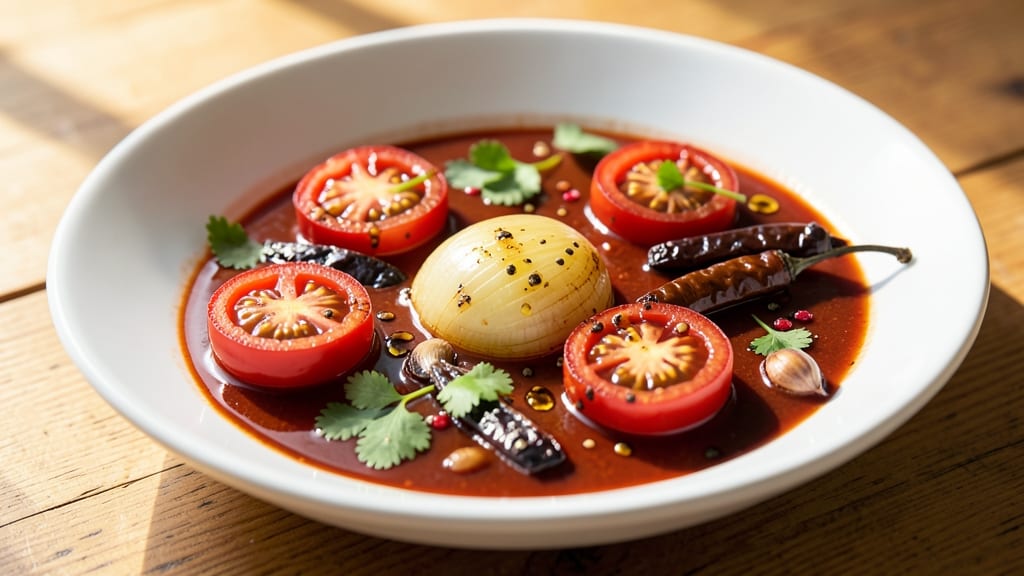
This authentic Mexican tomato sauce recipe transforms simple ingredients into a rich, smoky base for tacos, enchiladas, and more. The secret lies in charring dried chiles and simmering them with tomatoes, garlic, and cumin until the flavors meld into a velvety, slightly tangy sauce.
I’ve perfected this recipe over years of testing—each batch delivers that deep, complex taste you find in Mexican restaurants, not just bottled shortcuts.
The sauce starts with a blend of ancho and guajillo chiles, which add natural sweetness and earthy heat without overpowering. Fresh tomatoes (or canned for convenience) keep it bright, while onion, garlic, and oregano round out the flavor profile.
Simmering low and slow ensures the sauce thickens just enough to coat without turning gluey—a common mistake that ruins texture.
What you’ll end up with is a sauce that’s bold in flavor but balanced—smoky from the chiles, slightly sweet from the tomatoes, and aromatic from the spices.
It’s the kind of sauce that makes ordinary dishes taste extraordinary, whether you’re drizzling it over grilled meats, using it to fill enchiladas, or serving it as a dip with warm tortilla chips.
This sauce keeps well in the fridge for up to a week or freezes beautifully for months, so you can make a big batch and have it ready whenever cravings strike.
The instructions are straightforward, but the result is anything but basic—this is the kind of sauce that turns a simple meal into a taste of Mexico.
Ingredients for authentic mexican tomato sauce
Nine simple ingredients transform into a restaurant-quality sauce with smoky depth and balanced flavor.
| Ingredient | Amount | Notes |
|---|---|---|
| Dried Ancho Chiles 🌶️ | 2 whole | Stems and seeds removed |
| Dried Guajillo Chiles 🌶️ | 2 whole | Stems and seeds removed |
| Fresh Roma Tomatoes 🍅 | 4 whole | Or 1 can (14.5 oz) fire-roasted tomatoes |
| Yellow Onion 🧅 | 1 whole | Quartered, skin on |
| Garlic Cloves 🧄 | 4 cloves | Peeled and smashed |
| Ground Cumin 🌿 | 1 tbsp | Toasted for deeper flavor |
| Dried Mexican Oregano 🍃 | 1 tsp | Not regular oregano |
| Extra-Virgin Olive Oil 🫒 | ½ cup | For charring chiles |
| Salt 🧂 | 1 tsp | Kosher or sea salt |
| Black Pepper 🌶️ | ½ tsp | Freshly ground |
The chiles are the heart of this sauce. Look for ancho and guajillo in the Mexican foods aisle—they’re usually sold in small bags or loose. If you can’t find them, New Mexico chiles work too. Char them in a dry skillet until fragrant and slightly blistered, then soak in hot water for 10 minutes to soften. Trader Joe's and Mexican markets often carry them pre-packaged, but check the expiration date—chiles lose potency over time. The Roma tomatoes add brightness, but fire-roasted canned tomatoes save time and still deliver that smoky flavor.
No Mexican oregano? Regular oregano at half the amount works, but the flavor won’t be quite the same. Short on fresh tomatoes? Canned tomatoes with juices keep the sauce from drying out. The onion and garlic should be fresh—yellow onion adds sweetness, while garlic brings that essential depth. If you’re feeling fancy, toast the cumin in a dry pan for 30 seconds to deepen its flavor. No toasted cumin? Regular ground cumin still works, just use a pinch extra. The olive oil is for charring the chiles—any neutral oil works, but extra-virgin adds a nice fruity note.
This sauce tastes even better the next day as the flavors meld. Store it in an airtight container in the fridge for up to 1 week or freeze for 3 months. I like to make a big batch and freeze it in ice cube trays—just pop out what I need for tacos or enchiladas. The sauce thickens as it cools, so add a splash of water or broth if it’s too stiff when reheating. Trust me, the extra effort is worth it for that authentic Mexican restaurant taste.
Why You'll Love This Recipe
- I’ll be real: I used to dread the soaking step, but these dried chiles—especially the ancho and guajillo—just need a quick toast and a splash of hot water. That’s it. Ten minutes max, and you’re ready to blend.
- No-Soaking Hassle: I’ll be real: I used to dread the soaking step, but these dried chiles—especially the ancho and guajillo—just need a quick toast and a splash of hot water. That’s it. Ten minutes max, and you’re ready to blend.
- Deep Umami Magic: The charred chiles and raw garlic create this perfect balance—smoky, sweet, and just a whisper of heat. Honestly, the first time I tasted it, I immediately grabbed the tortillas and a spoon.
- Pantry-to-Plate Power: This sauce keeps for weeks in the fridge, so I make a big batch on Sundays. Use it for tacos, drizzle it over eggs, or toss it with beans—it’s my go-to for lazy nights and potlucks alike.
Step-by-step instructions for authentic Mexican tomato sauce
Here's how to build bold, smoky depth using traditional Mexican techniques.
Char the Dried Chiles for Smoky Base
Heat a dry skillet over medium-high heat and add the 2 whole dried ancho chiles and 2 whole dried guajillo chiles. Toast them for 30-45 seconds per side until they darken slightly and develop a fragrant aroma. This step unlocks their deep, smoky flavor—don't rush it or they'll burn.
Immediately transfer the toasted chiles to a bowl and cover with ½ cup extra-virgin olive oil. Let them soak for 15 minutes while you prepare the rest. The oil will soften them and infuse with their rich, earthy notes. If you skip this soaking step, the sauce will taste bitter rather than balanced.
Roast Tomatoes and Onion for Sweet Depth
While the chiles soak, preheat your broiler to high heat. Place the 4 whole fresh roma tomatoes and the 1 whole yellow onion (quartered, skin on) on a baking sheet. Broil for 8-10 minutes, turning occasionally, until the skins blacken in spots and the onion softens. You're looking for charred edges—not complete carbonization.
This roasting process caramelizes natural sugars and deepens the tomato flavor. Once done, peel off the blackened skins (if desired) and transfer the roasted tomatoes and onion to a cutting board. Let them cool slightly before processing—they'll be hot!
Build the Sauce with Toasted Spices
In a large skillet, heat 1 tablespoon ground cumin and 1 teaspoon dried Mexican oregano over medium heat for 1 minute until fragrant. This toasting step awakens their flavors—don't walk away, or they'll burn quickly. Add the peeled garlic cloves and toast for another 30 seconds until golden.
Pour in the soaked chiles with their infused oil, then add the roasted tomatoes and onion. Stir everything together and bring to a gentle simmer. Let it cook uncovered for 10-12 minutes until the mixture thickens slightly and the flavors meld. You'll notice the sauce darken and develop a rich, complex aroma—this is your signal it's working.
Season and Simmer to Perfection
Add 1 teaspoon salt and ½ teaspoon black pepper, then taste. The sauce should be vibrant, smoky, and slightly sweet with a touch of heat. If it needs more depth, simmer uncovered for another 5 minutes to concentrate the flavors. For a smoother texture, blend with an immersion blender until silky.
This authentic Mexican tomato sauce works beautifully as a base for enchiladas, tacos, or even as a condiment. The key to its success lies in the charred chiles and roasted vegetables—they carry the smoky, earthy essence that makes this sauce truly special. Store any leftovers in the refrigerator for up to 5 days or freeze for 3 months.
Pro Tips For Making Authentic Mexican Tomato Sauce
- STEAM THE CHILES FIRST: Toss dried ancho and guajillo chiles into a bowl with 1 cup hot water, cover, and let sit for 15 minutes before removing stems/seeds. This softens them faster than dry toasting—no charred bits in your sauce, and they blend smoother. (Yes, I’ve tried skipping this and ended up with gritty sauce.)
- CHAR THE ONIONS LOW: Cook sliced onion over medium-low heat until deeply golden, not browned—about 12-15 minutes. High heat burns them before they caramelize, and you’ll taste it in every bite. I learned this the hard way when my sauce ended up bitter.
- PEEL THE TOMATOES: Blister whole Roma tomatoes directly over the flame for 30 seconds per side, then peel under cold water. The skins stay put during blending, but peeled tomatoes give you that silky, restaurant-quality texture. (No, peeling isn’t mandatory—but it’s worth the extra 2 minutes.)
- SAVE THE CHILE WATER: Strain the soaking liquid from the chiles and reserve it—it’s liquid gold for balancing heat and depth. Skip this, and your sauce will taste thinner and less complex. I used to dump it, then realized it’s the difference between good and exceptional.
Flavor customization for this authentic mexican tomato sauce
Spicy Heat Boost
For extra heat, add 1-2 dried arbol chiles (seeds removed) to the charring step—they pack a fiery kick without overpowering. I like to toast them alongside the ancho and guajillo, then soak with the oil.
Start with 1 chile for mild heat or 2 chiles for serious spice. Remove them before blending if you want visible chile flecks for texture. 🌶️
Sweet Balance
To mellow the heat or add natural sweetness, stir in 1 tablespoon honey or 1 teaspoon piloncillo sugar (unrefined cane sugar) during the final simmer. The piloncillo adds a caramelized depth that’s traditional in Mexican cooking.
For a fruity twist, blend in ½ cup roasted pineapple chunks—they pair surprisingly well with the smoky chiles.
Herb Variations
Swap out the oregano for 1 teaspoon dried epazote (common in Mexican cooking) for an earthy, slightly anise-like flavor. Or add 2 fresh cilantro stems during the final simmer—they’ll wilt into the sauce, adding bright freshness.
For a more complex profile, toss in 1 bay leaf while simmering and remove it before serving.
Texture Adjustments
For a chunky texture, skip blending and simply mash the roasted tomatoes and onion with a potato masher. For ultra-smooth sauce, blend until silky, then strain through a fine-mesh sieve to remove any seeds or skins.
If you love texture, blend only half the batch and leave the other half rustic—layer them for visual appeal on tacos or enchiladas. 💫
Acidity Tweaks
Brighten the sauce with 1 tablespoon lime juice or ½ teaspoon white vinegar at the end—this cuts through the richness and balances the sweetness. For tangy depth, add 1 teaspoon tomato paste during the final simmer. The acidity also helps preserve the sauce longer in the fridge or freezer.
Smoky Depth Upgrade
For an extra-smoky flavor, char the garlic cloves in the same dry skillet you used for the chiles before adding them to the sauce. Or, for a deeper char, broil the tomatoes and onion with 1-2 wood chips** (like apple or oak) on the baking sheet.
The smoke infuses directly into the vegetables, adding complexity that’s hard to replicate otherwise.
Nutrition facts
Frequently asked questions
Can I substitute fresh chiles for the dried ancho and guajillo?
Yes, but the flavor will be less smoky and deep. Use 3-4 fresh poblano peppers (roasted and peeled) plus 1-2 jalapeños for heat. Char them first in a dry skillet or under a broiler, then remove seeds before blending. The sauce will still be delicious but will lack the complex, earthy notes from dried chiles.
How do I adjust the heat level in this sauce?
For milder heat, remove seeds and membranes from the dried chiles before charring. For extra spice, add 1-2 dried arbol chiles (seeds removed) during the charring step. You can also strain out chile pieces after blending if you prefer a smoother texture without visible heat. Taste as you go—this sauce is forgiving!
Can I make this sauce without a blender?
Skip blending and simply mash the roasted tomatoes and onion with a potato masher or fork. For a smoother texture, press the mixture through a fine-mesh sieve to remove skins and seeds. The sauce will have a rustic, chunky texture that works beautifully as a dip or topping for tacos.
What's the best way to use leftover sauce?
This versatile sauce freezes perfectly—portion into ice cube trays for easy use in future meals. Thaw overnight in the fridge, then reheat gently. Use it as a base for enchiladas, drizzle over grilled meats, or serve with warm corn tortillas. For extra richness, stir in a spoonful of sour cream or avocado when serving.
Why does my sauce taste bitter?
Bitter flavor usually means the chiles weren't soaked long enough in oil or water. Always soak toasted chiles for 15 minutes in oil before using. If the sauce is already made, balance the bitterness by adding 1 tablespoon lime juice or 1 teaspoon piloncillo sugar during reheating. The acidity will brighten the flavor.