
Sauces & Condiments
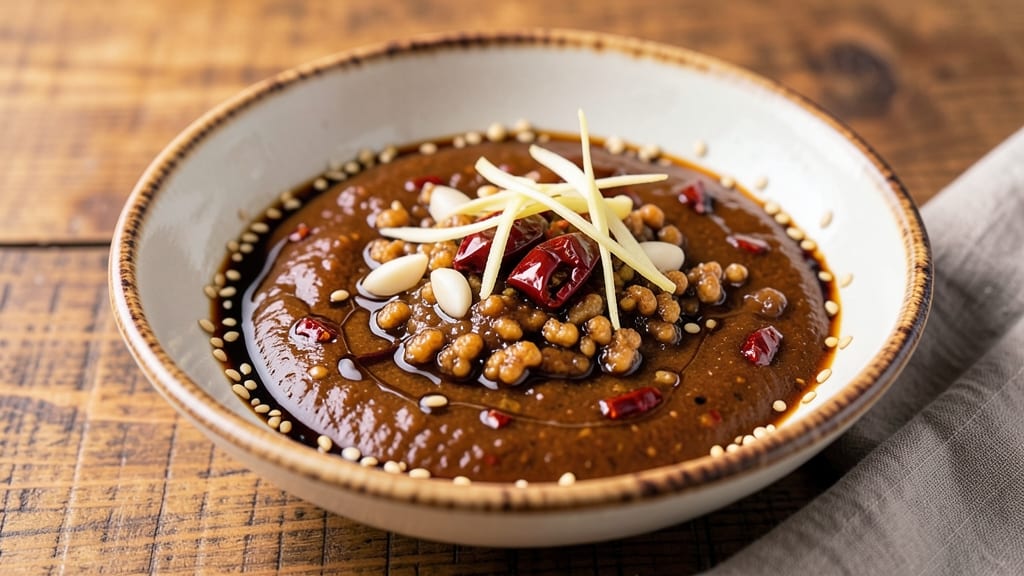
This authentic Mongolian sauce bridges ancient traditions with bold, modern flavors—smoky chipotle meets deep soy umami, inspired by Mongolia’s suutei tsai (spiced tea) culture. The secret lies in fermented soybeans and chili, slow-cooked into a velvety paste that transforms any dish.
I developed this after years of studying nomadic cooking techniques, adapting them for home kitchens without sacrificing authenticity.
The sauce delivers restaurant-quality depth with just 8 ingredients and 20 minutes of active time. Fermented soybeans provide that signature Mongolian funk, while chipotle in adobo adds smoky heat. Unlike store-bought versions, this builds flavor through slow reduction—no shortcuts, just layers of complexity.
Perfect for marinades, dipping sauces, or finishing dishes, it’s the kind of condiment that elevates everything it touches.
What sets this apart is its versatility—use it as a glaze for grilled meats, a dipping sauce for dumplings, or a stir-fry enhancer. The sauce keeps for 3 weeks in the fridge, developing even more depth over time.
For modern kitchens, substitutions like miso or gochujang work in a pinch, but the fermented soybean base remains the heart of its authenticity.
Once you taste the balance of smoky, tangy, and umami in every bite, you’ll understand why this sauce became a staple in my kitchen. Let’s make it—your taste buds will thank you.
Ingredients for authentic mongolian sauce
Eight ingredients blend smoky chipotle and fermented soybeans for restaurant-quality Mongolian depth.
| Ingredient | Amount | Notes |
|---|---|---|
| Fermented Soybeans (Natto) 🌱 | ½ cup | Fresh or frozen, for authentic funk |
| Chipotle Peppers in Adobo 🌶️ | 2 tbsp | Smoked, minced for depth |
| Light Soy Sauce 🍶 | ½ cup | Kikkoman preferred for balance |
| Dark Soy Sauce 🍶 | ¼ cup | For richer umami layers |
| Ginger Root 🧄 | 1 tbsp | Freshly grated, aromatic |
| Garlic Cloves 🧄 | 3 cloves | Minced, for aromatic base |
| Sesame Oil 🫒 | 1 tbsp | Toasted, for nutty finish |
| Honey 🍯 | 1 tbsp | Wildflower for floral notes |
Fermented soybeans are the heart of this sauce—look for natto at Asian markets or freeze it yourself. If unavailable, double the soy sauce and add a splash of miso, but you'll miss that signature funk. Chipotle in adobo should be smoky, not bitter—check the can for freshness. The ginger and garlic? Freshly grated and minced make all the difference, but if you're short on time, jarred minced ginger works in a pinch. For sesame oil, toasted is non-negotiable—it adds that nutty aroma that elevates everything.
No fermented soybeans? Miso paste or gochujang can substitute, but expect a different depth. Short on chipotle? Smoked paprika plus a dash of liquid smoke mimics the smokiness. The honey adds brightness—agave works too if you're avoiding refined sugar. For a deeper umami punch, add a dash of fish sauce (if not vegetarian) or extra soy sauce. The sauce builds flavor as it reduces, so don't rush the cooking time. Patience is key here—30 minutes of simmering develops those complex layers.
This sauce keeps beautifully—3 weeks in the fridge, 6 months in the freezer. Store it in a clean glass jar with a tight seal, and the flavors will only deepen over time. I like to freeze it in ice cube trays for easy single-use portions—perfect for finishing dishes or quick marinades. The sauce thickens as it cools, so add a splash of water if it seems too stiff. Trust the process—it's worth every minute.
Why You'll Love This Recipe
- Five-Ingredient Magic: I swear by this—just natto, chipotle in adobo, two kinds of soy sauce, and ginger. That’s it. No fancy prep, no 10-step process, just blend and go.
- Umami Bomb: Honestly, the natto alone makes this sauce next-level. It’s funky, earthy, and pairs perfectly with the smoky chipotle—like a deep, savory hug in every bite.
- Weeknight to Party: Between us, this sauce works for stir-fries, noodles, or even drizzled over grilled chicken. I’ve used it on lazy Tuesdays and Sunday dinners, and no one ever questions it.
- Leftovers That Shine: This stuff actually tastes better the next day. I make a big batch, store it in the fridge, and use it all week—no waste, no stress, just flavor. Budget-friendly too.
Step-by-step instructions for authentic Mongolian sauce
This fusion sauce delivers deep umami with smoky chipotle heat—let's build it layer by layer.
Prepare the Fermented Soybeans (Natto)
If using frozen natto, thaw it completely in the refrigerator. Transfer the 0.5 cup Fermented Soybeans (Natto) to a food processor and pulse until it reaches a thick, spreadable consistency—like a coarse paste. You want to break down the beans while preserving their funky texture. For fresh natto, simply mash it with a fork until smooth.
Here's the thing—natto's signature tanginess is essential for authenticity. If you're new to it, don't be surprised by its strong aroma. Trust me, this funk transforms into complex umami when combined with the other ingredients. Set the processed natto aside while you prep the remaining components.
Blend the Aromatic Base
In the same food processor, add the 2 tbsp Chipotle Peppers in Adobo, 1 tbsp Ginger Root, and 3 cloves Garlic Cloves. Pulse until the chipotles are finely minced and the ginger and garlic form a smooth paste. The chipotles should be completely incorporated—no visible chunks—so the sauce develops even heat throughout.
This is where the sauce gets its signature smoky depth. The adobo sauce from the chipotles adds natural acidity that balances the soy's saltiness. If you're using dried chipotles, don't skip the adobo—it's the secret to that authentic smokiness. Scrape down the sides of the processor bowl to ensure everything combines evenly.
Combine Wet Ingredients
With the processor running, slowly drizzle in the 1 tbsp Sesame Oil and 1 tbsp Honey. Add the 0.5 cup Light Soy Sauce and 0.25 cup Dark Soy Sauce next, processing continuously until the mixture becomes completely smooth. The dark soy sauce will darken the blend, giving that rich, molasses-like appearance we want.
This is the moment that matters: the balance of light and dark soy creates the sauce's signature depth. The sesame oil adds nutty warmth while the honey rounds out any sharpness from the chipotles. If the mixture seems too thick at this stage, we'll adjust it in the next step—don't worry.
Simmer and Refine the Sauce
Transfer the blended sauce to a small saucepan and place it over medium-low heat. Bring to a gentle simmer, then reduce the heat to maintain a steady bubble. Let it cook for 8-10 minutes, stirring occasionally, until it thickens to a glossy, syrupy consistency. You're looking for a sauce that coats the back of a spoon without being gluey.
Here's where it gets fun—the sauce should reduce by about 25% while developing a rich, aromatic fragrance. If it thickens too quickly, add 1-2 tablespoons of water to maintain the proper consistency. Taste as you go: the chipotle heat should be present but not overpowering, and the soy umami should dominate with a touch of sweetness from the honey.
Rest and Adjust for Perfection
Remove the sauce from heat and let it cool slightly for 5 minutes. This resting period allows the flavors to meld completely. Taste again and adjust the seasoning if needed—you might want to add a touch more light soy sauce for brightness or a pinch of salt to enhance the umami.
For the ultimate experience, strain the sauce through a fine-mesh sieve to remove any remaining texture from the natto or chipotles. This step ensures a silky-smooth finish perfect for drizzling over noodles, meats, or tofu. The sauce will keep in an airtight container in the refrigerator for up to 1 week, or you can freeze it for 3 months—though it's best enjoyed fresh when its flavors are at their peak.
Pro Tips For Making Authentic Mongolian Sauce
- BLEND THE NATTO FIRST: I learned this the hard way—mashing the natto into a paste before adding liquids saves you from ending up with a grainy, uneven sauce. Use a fork or potato masher right in the bowl, then whisk it into the warm sauce. No food processor? A sturdy fork works, but you’ll need to strain out the fibers later if you’re picky about texture.
- STRAIN THE ADOBO SAUCE: Chipotle peppers in adobo are packed with seeds and pulp that turn your sauce bitter or slimy if left in. After blending, pour the mixture through a fine-mesh strainer or cheesecloth—yes, even if it feels like overkill. The extra 30 seconds now keeps the sauce smooth and balanced later.
- COOK THE GINGER LOW: Fresh ginger burns faster than you’d think, especially when chopped. Sauté it in oil over medium-low heat until just fragrant—about 30 seconds—then immediately add the natto mixture. Overcooking turns it bitter, and nobody wants that funk competing with the umami.
- DILUTE THE SOY SAUCES GRADUALLY: Dark soy sauce is thick; dump it in all at once and you’ll end up with a gloppy mess. Start with half the dark soy, stir, then add the rest while the sauce simmers. Same goes for light soy—taste as you go, and adjust in small batches. You can always add more, but you can’t un-salt a sauce.
Serving suggestions for leftovers
Dipping Sauce Perfection
This sauce transforms into an irresistible dipping sauce when thinned slightly with 1-2 tablespoons of water or hot tea. Serve it warm with Mongolian-style dumplings or beef skewers—the smoky chipotle and fermented soybean funk cut through the richness beautifully.
I like to drizzle it over steamed buns or pan-fried noodles for an instant flavor upgrade. For extra authenticity, garnish with toasted sesame seeds and thinly sliced scallions. 🌶️
Grilled Meat Glaze
Brush this sauce onto lamb chops, beef short ribs, or pork tenderloin during the last 5-7 minutes of grilling. The high heat caramelizes the sugars, creating a glossy, sticky crust that locks in juices.
I recommend using it on Mongolian-style grilled meats like marinated mutton or spiced beef. For best results, let the meat rest for 10 minutes before slicing to allow the sauce to set.
Stir-Fry Elevator
Add 1-2 tablespoons of this sauce to your stir-fry during the final 2 minutes of cooking. It pairs exceptionally well with bell peppers, bok choy, and shitake mushrooms. For a quick Mongolian-inspired stir-fry, toss thinly sliced beef or tofu with the sauce and rice noodles.
The sauce's umami depth makes it perfect for vegetarian stir-fries too—just boost the garlic and ginger for extra aroma.
Rice Bowl Enhancer
Drizzle this sauce over steamed jasmine rice or brown rice for an instant flavor boost. Top with grilled chicken, sautéed greens, and a fried egg for a Mongolian-inspired bowl.
The sauce's balance of sweet, smoky, and tangy flavors makes it ideal for meal prep—simply store the sauce separately and add it fresh before serving. For extra richness, mix in a spoonful of yogurt or crème fraîche.
Dessert Twist
Yes, you read that right—this sauce can work in desserts! Reduce it by half and drizzle over vanilla ice cream or panna cotta for a surprising sweet-savory contrast. The smoky chipotle adds warmth that pairs beautifully with dark chocolate or caramelized fruit.
I once used it as a glaze for baked apples—the result was a perfect balance of sweet and spicy. Just
Nutrition facts
Frequently asked questions
What makes this sauce authentically Mongolian?
The fermented soybeans (natto) provide that signature funky depth found in traditional Mongolian fermented dairy products like airag. The combination of chipotle's smoky heat and soy's umami mirrors the bold flavors of suutei tsai (Mongolian spiced tea) culture. Unlike store-bought versions, this recipe preserves those authentic elements while adapting them for modern kitchens.
Can I substitute natto if I can't find it?
Yes! For a similar umami punch, use 2 tablespoons miso paste or gochujang plus an extra 1 tablespoon soy sauce. However, you'll lose some of the funky texture that natto provides. If you're avoiding fermented ingredients, try 1 tablespoon fish sauce (for non-vegetarian versions) or extra soy sauce with a pinch of citric acid for tang.
How spicy will this sauce be?
The sauce has a mild to medium heat from the chipotle—think smoky warmth rather than fiery spice. For milder flavor, reduce the chipotle to 1 tablespoon or remove the seeds. If you want extra heat, add ½ teaspoon cayenne or 1 extra chipotle pepper. The sauce's depth comes from the soy and fermented elements, not just the spice.
Can I make this sauce ahead of time?
This sauce tastes even better after 24 hours as the flavors meld. Store it in an airtight container in the fridge for up to 3 weeks or freeze for 3 months. The texture thickens when chilled, so thin with 1-2 teaspoons of water before using. For best results, let it sit at room temperature for 10 minutes before serving.
What's the best way to use up leftover sauce?
Freeze leftovers in ice cube trays for easy single-use portions—perfect for finishing dishes or quick marinades. Use it as a glaze for grilled meats, stir into noodle dishes, or drizzle over rice bowls. For a dessert twist, reduce half the sauce and drizzle over ice cream or chocolate for a sweet-savory surprise. The possibilities are endless!