
Sauces & Condiments
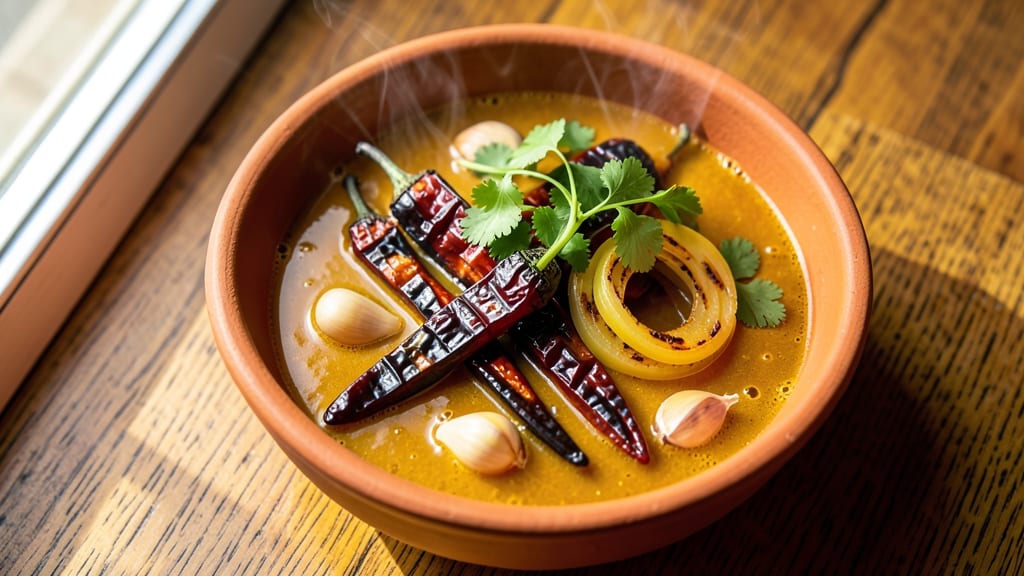
This authentic Peruvian aji sauce transforms simple ingredients into a vibrant, smoky condiment that elevates every dish it touches. The secret lies in balancing the fiery heat of aji amarillo peppers with bright herbs and a touch of vinegar, creating a sauce that’s both complex and approachable.
I’ve perfected this recipe over years of testing, ensuring the perfect harmony of smoky depth and freshness that defines Peruvian cuisine.
The foundation starts with charred aji peppers—whether you use aji amarillo, rocoto, or charapita—roasted until their skins blacken slightly, unlocking their natural sweetness and smokiness. Garlic and onions caramelize gently, while cilantro and parsley add that signature freshness.
The result is a sauce that’s versatile enough for drizzling over ceviche, grilled meats, or even potatoes, yet rich enough to stand alone as a condiment.
What makes this sauce truly special is its authentic balance—the smoky char of the peppers, the tang of vinegar, and the bright herbs create a flavor profile that’s impossible to replicate with shortcuts.
Unlike store-bought versions, this recipe delivers layers of complexity that turn a simple meal into something extraordinary. The texture is silky yet vibrant, with just enough body to cling to every bite.
Once you taste this sauce, you’ll never go back to bottled versions. It’s the kind of condiment that turns ordinary dishes into restaurant-quality experiences—perfect for weeknight dinners or special occasions. Let’s make it.
Ingredients for authentic peruvian aji sauce
Nine ingredients, smoky depth, vibrant brightness—this is your authentic Peruvian aji sauce.
| Ingredient | Amount | Notes |
|---|---|---|
| Aji Amarillo Peppers 🌶️ | 4 whole | Charred until skins blacken |
| Yellow Onion 🧅 | 1 whole | Medium size, finely chopped |
| Garlic Cloves 🧄 | 6 cloves | Peeled, roughly chopped |
| Fresh Cilantro 🌿 | ½ cup | Packed, stems removed |
| Fresh Parsley 🌿 | ¼ cup | Flat-leaf, chopped |
| White Vinegar 🍶 | ¼ cup | Distilled, not apple cider |
| Olive Oil 🫒 | ½ cup | Extra-virgin, fruity |
| Salt 🧂 | 1 tsp | Diamond Crystal preferred |
| Ground Black Pepper 🌶️ | ¼ tsp | Freshly ground |
| Water 💧 | ½ cup | Room temperature |
The aji peppers are non-negotiable. Latin markets or specialty grocery stores are your best bet for aji amarillo, but rocoto or charapita work too. Char them over an open flame or under a broiler until the skins blacken—this unlocks their natural sweetness and smoky depth. No char? A pinch of smoked paprika can help, but it’s not the same. For the onion, medium size is perfect—too small and it overpowers; too large and it’s underwhelming. The garlic should be fresh, not pre-minced, and roughly chopped for better texture in the final sauce.
No aji peppers? Habanero or serrano peppers can stand in, but reduce the amount by half—they’re hotter. Fresh herbs are ideal, but dried cilantro or parsley at one-third the amount works in a pinch. The vinegar matters here—stick with white vinegar for tang, not apple cider. Olive oil should be extra-virgin; Trader Joe’s or local olive mills have great options. If you’re short on time, blend everything raw, but charring the peppers is worth the effort for that authentic smoky flavor.
This sauce keeps beautifully—1 week in the fridge or 3 months frozen. For freezing, portion into ice cube trays for easy use. The texture thickens as it sits, so add a splash of water if it’s too stiff after storage. Drizzle over ceviche, mix into mayonnaise for aji mayo, or use as a marinade. Leftovers taste even better the next day—the flavors meld and deepen.
Why You'll Love This Recipe
- Five-Ingredient Magic: I swear by this list—aji amarillo, onion, garlic, cilantro, and parsley. That’s it. No fancy gadgets, no last-minute grocery runs. Just chop, blend, and boom—you’ve got a sauce that tastes like it simmered for hours.
- Umami Bomb: The aji amarillo peppers bring that signature tangy, slightly sweet heat, while the garlic and onion deepen it into something rich. Honestly? It’s the kind of flavor that makes you pause mid-bite—like discovering a secret ingredient in your own kitchen.
- Weeknight to Party: Drizzle it on grilled chicken for Tuesday dinner, toss it into rice for a quick lunch, or let it shine on ceviche at your next gathering. Between us, it’s the one sauce that works everywhere—no excuses.
- Leftovers That Beg for More: Make a double batch—trust me, you will. The sauce keeps for weeks in the fridge, and every time you pull it out, it’s still vibrant. My freezer’s full of it because I can’t resist using it on everything.
Step-by-step instructions for authentic Peruvian aji amarillo sauce
Here's how to capture that signature Peruvian balance of smoky heat and fresh herb brightness.
Char the Aji Amarillo Peppers for Deep Flavor
Start by charring the 4 whole aji amarillo peppers over an open flame or under a broiler until their skins blacken completely. I rotate them constantly to ensure even charring—this develops that signature smoky depth that defines authentic Peruvian aji sauce. Once charred, transfer them to a bowl and cover with plastic wrap for 10 minutes to steam and soften their skins.
The charring process is crucial—it transforms the peppers' raw bite into complex, smoky sweetness. You'll know they're ready when you can easily peel off the blackened skins, revealing vibrant yellow flesh underneath. Discard the skins and set the softened peppers aside for the next step.
Sauté Onion and Garlic Until Translucent
Heat the 0.5 cup olive oil in a medium saucepan over medium heat. Add the 1 whole yellow onion (finely chopped) and cook for 5-6 minutes until it softens and becomes translucent. Then add the 6 cloves garlic (roughly chopped) and cook for another 1-2 minutes until fragrant but not browned.
This foundational step builds flavor through the Maillard reaction without letting the garlic burn. You'll notice the onions release moisture and the garlic releases its aromatic oils—this is where the sauce's depth begins. Keep the heat steady; if it gets too hot, the garlic will turn bitter before it's ready.
Blend All Ingredients for Silky Texture
Add the charred aji amarillo peppers, 0.25 cup white vinegar, 0.5 cup water, 1 tsp salt, and 0.25 tsp ground black pepper to the pan. Stir well to combine, then transfer everything to a blender. Blend until completely smooth, scraping down the sides as needed. This should take about 1-2 minutes of continuous blending.
The sauce should be velvety with no visible texture—this is what gives authentic Peruvian aji its signature silky mouthfeel. Taste and adjust seasoning if needed; you might want to add a bit more salt or vinegar to balance the flavors. The sauce should be tangy, slightly sweet, and packed with smoky heat.
Finish with Fresh Herbs for Brightness
Return the blended sauce to the saucepan and bring to a gentle simmer over medium-low heat. Stir in the 0.5 cup fresh cilantro (packed, stems removed) and 0.25 cup fresh parsley (flat-leaf, chopped). Let it simmer for 3-4 minutes, stirring occasionally, until the herbs are just wilted but still vibrant.
This final step adds the fresh herb brightness that balances the sauce's smoky depth. The herbs should infuse the sauce with their bright, slightly peppery notes without overpowering the aji amarillo's signature flavor. The sauce is now ready to use—it will keep well in the refrigerator for up to 5 days, with flavor actually improving as it sits.
Pro Tips For Making Authentic Peruvian Aji Sauce
- CHAR THE ONIONS LOW: I used to burn them every time—aji sauce needs sweet, caramelized onions, not bitter ashes. Cook them on medium-low with a splash of water or broth, stirring often, until they’re deep gold and almost jammy. That’s when they’ll actually blend into the sauce instead of tasting like regret.
- DESEED THE AJI DRY: Wet your hands and rub the seeds out of the aji amarillo—don’t just slice and hope. The seeds pack the heat, and if you’re not chasing a fire alarm, you’ll want to control it. Pat them dry after, or they’ll steam in the pan and make your sauce watery.
- BLEND IN STAGES: Don’t dump everything in the blender at once. Pulse the peppers, onion, and garlic first until it’s a rough paste—this prevents a gloppy, unbalanced sauce. Then add the herbs and liquid, blending until silky. Trust me, your sauce will thank you.
- SALT THE GARLIC: Toss those garlic cloves in a pinch of salt before cooking—it keeps them from burning and pulls out their sweetness. I learned this the hard way after making sauce taste like charred disappointment. Works for onions too, if you’re feeling fancy.
Essential equipment for this recipe
Blender Essentials
Your blender is the heart of this sauce, transforming charred peppers and herbs into velvety perfection. I recommend a high-speed blender like the Ninja BN601 or Vitamix 5200—their powerful motors handle the fibrous peppers without overheating.
For smaller batches, a immersion blender works too, but you’ll need to pulse more carefully to avoid lumps. 💫
Heat Source Options
Char the aji peppers over a gas flame (best for even heat) or under a broiler (preheat to high for 5-6 minutes). For stovetop cooking, a stainless steel saucepan distributes heat evenly—avoid nonstick, as it can impart flavors.
If you’re grilling outdoors, use a grill grate over direct heat for smoky char.
Measuring Tools
Precision matters for balance. Use a small kitchen scale for vinegar and olive oil (I weigh my 0.25 cup vinegar at 60g for consistency). A microplane is perfect for garlic—it creates fine, even texture without mincing. For herbs, a sharp chef’s knife and cutting board ensure clean, uniform chopping.
Storage Containers
Store leftover sauce in glass jars (like Le Parfait 16oz) for airtight freshness. For freezing, use silicone ice cube trays—portion into 1-tbsp servings for easy drizzling.
Mason jars work too, but leave 1-inch headspace to prevent expansion cracks. Label with dates—this sauce tastes even better after 2-3 days in the fridge! ❄️
Nutrition facts
Frequently asked questions
Can I substitute aji amarillo peppers if I can't find them?
Yes! For a similar heat level, use habanero or serrano peppers, but reduce the amount by half since they're hotter. If you want milder heat, try yellow bell peppers (though they lack the smoky depth). For authentic flavor, seek out rocoto or charapita peppers at Latin markets—they're often available frozen.
How do I adjust the heat level in this sauce?
For less heat, remove the pepper seeds before charring or use fewer peppers. For extra spice, add 1-2 drops of hot sauce or blend in ½ teaspoon of cayenne pepper. Always taste first—you can balance heat with more vinegar or herbs if needed.
What's the best way to use this aji sauce?
Drizzle over ceviche, grilled fish, or roasted potatoes for instant Peruvian flair. Mix into mayonnaise for aji mayo or use as a marinade for chicken or pork. It also elevates rice dishes or soups—just 1-2 tablespoons per serving adds bold flavor. The sauce keeps well, so make a batch to enjoy throughout the week!
Why does my aji sauce look thin after blending?
The sauce should thicken as it sits—if it's too thin, simmer it uncovered for 5-10 minutes to reduce. For immediate thickening, blend in 1 tablespoon of cornstarch mixed with 2 tablespoons water until smooth. If it's too thick, thin with 1 teaspoon of water or vinegar at a time.
Can I make this sauce without fresh herbs?
Yes, but the flavor will be less vibrant. Use 1 tablespoon dried cilantro and 1 teaspoon dried parsley (about one-third the fresh amount). For extra brightness, add ½ teaspoon of lemon zest or a pinch of ground coriander. Fresh herbs are ideal, but dried works in a pinch!