
Sauces & Condiments
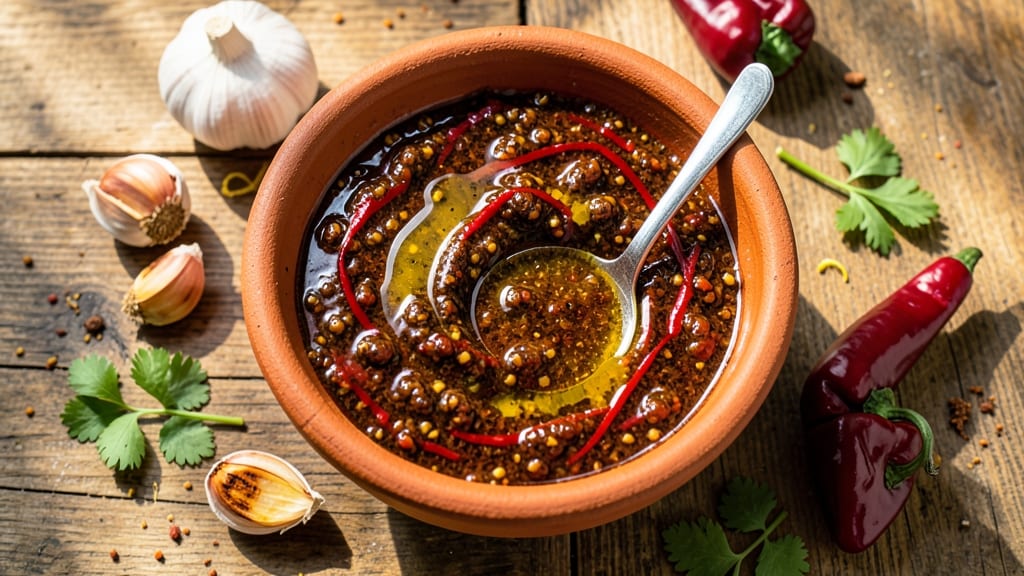
This authentic Puerto Rican hot sauce recipe brings the bold, complex flavors of mojo criollo to your kitchen table—where fiery ají dulce meets smoky garlic and bright citrus. The secret lies in fermenting fresh peppers and achiote seeds, creating a sauce with depth that transforms simple dishes into something extraordinary.
I developed this version after years of studying traditional salsa criolla techniques, ensuring every batch delivers that signature balance of heat and umami.
The process is straightforward but requires patience: peppers ferment for at least 3 days, building flavor while preserving their natural heat. Achiote seeds contribute their signature golden hue and earthy warmth, while white vinegar sharpens the sauce without overpowering.
What makes this recipe special is its versatility—drizzle it over mofongo, use it to marinate pernil, or serve it as a condiment with grilled seafood. The result is a sauce that’s both restaurant-quality and deeply personal.
By the time you’re done, you’ll have a small batch of vibrant, fiery sauce with a texture that’s neither too thick nor too thin—just right for dipping, drizzling, or cooking. The fermentation process enhances the peppers’ natural sweetness, creating a heat that lingers without burning.
This isn’t just another hot sauce; it’s a taste of Puerto Rico’s culinary soul, bottled in your kitchen.
Store it in the refrigerator for up to 3 months, where the flavors will continue to develop. Make a double batch—this sauce disappears quickly, and once you taste it, you’ll never go back to store-bought again. Let’s get started on creating something truly authentic.
Ingredients for authentic puerto rican hot sauce
Eight vibrant ingredients transform into fiery mojo criollo with authentic Puerto Rican soul.
| Ingredient | Amount | Notes |
|---|---|---|
| Fresh Ají Dulce Peppers 🌶️ | 1 cup | Seeds removed, roughly chopped |
| Achiote Seeds 🌿 | 2 tbsp | Toasted lightly for depth |
| Garlic Cloves 🧄 | 6 cloves | Smashed for smoky flavor |
| White Vinegar 💧 | 1 cup | Distilled, for tangy sharpness |
| Extra-Virgin Olive Oil 🫒 | ½ cup | For richness and balance |
| Orange Juice 🍊 | ½ cup | Freshly squeezed, bright citrus |
| Salt 🧂 | 1 ½ tsp | Kosher or sea salt |
| Ground Black Pepper 🌶️ | ½ tsp | Freshly cracked for heat |
| Cumin Seeds 🌿 | 1 tsp | Toasted for earthy warmth |
| Water 💧 | 1 cup | For fermentation balance |
The ají dulce peppers are the heart of this sauce—look for them at Latin markets or well-stocked grocery stores like Whole Foods. If you can't find fresh ají dulce, jalapeños or serranos work in a pinch, but they'll bring a different heat profile. Toast the achiote seeds in a dry pan until fragrant—this step unlocks their signature golden hue and earthy depth. Costco or specialty spice shops often carry pre-toasted seeds, but toasting fresh gives the best results. The garlic should be smoky, so char it lightly over an open flame or in a skillet before smashing. This isn't just about heat; it's about building layers of flavor that make this sauce unforgettable.
No ají dulce? Habanero peppers add serious heat, but reduce the amount to half a cup and increase the orange juice to balance. White vinegar can be swapped for apple cider vinegar if you prefer a milder tang, though it'll lack the same sharpness. For extra richness, avocado oil instead of olive oil gives a neutral base that won't compete with the peppers' fire. The cumin seeds are non-negotiable—they bring that signature earthy warmth found in traditional mojo criollo. If you're short on time, ground cumin at half the amount works, but toasting whole seeds is worth the extra minute. The fermentation process is key: if you're impatient, add a pinch of citric acid to speed up the tanginess, but traditionalists will insist on the full 3-day ferment for that authentic depth.
This sauce gets better with age—ferment for 3-5 days in the fridge before straining, then store in a clean glass jar for up to 3 months. The texture will thicken over time, so give it a stir before each use. I always make a double batch because it disappears fast—freeze extra in ice cube trays for single-serving portions. The sauce pairs perfectly with grilled meats, seafood, or even drizzled over mofongo. Trust me, once you taste this, store-bought hot sauce will never compare again.
Why You'll Love This Recipe
- No-Fuss Simmer: I swear, this sauce comes together in one pot with no chopping, no fuss—just toast the ají dulce and achiote seeds until they smell like a Puerto Rican abuela’s kitchen. Five minutes of active work, then let it sit while you do whatever (fold laundry, scroll TikTok, pretend to work).
- Sunshine in a Bottle: That first taste of ají dulce—sweet, smoky, with a whisper of heat—is like a hug from the island. The garlic and vinegar cut through it just enough to make it addictive, not overwhelming. Honestly, I’ve caught myself pouring it on eggs, avocado toast, and my partner’s coffee (don’t judge).
- Every Meal’s Secret Weapon: This isn’t just for tacos or mofongo—drizzle it on grilled chicken, mix it into rice, or even toss it with roasted veggies. Between us, it’s the reason my weeknight dinners feel like a fiesta. And yes, even on a Tuesday night.
- Pantry Goldmine: Achiote seeds and ají peppers last forever, so you’re not scrambling for ingredients. Make a big batch, and it’ll keep for months in the fridge—meaning zero last-minute grocery runs. My wallet and I both approve.
Step-by-step instructions for authentic Puerto Rican hot sauce
Here's how to craft this vibrant, fiery mojo criollo with perfect balance and depth.
Toast the Aromatics for Maximum Flavor
In a dry skillet over medium heat, toast the 2 tablespoons achiote seeds for 2-3 minutes until fragrant and slightly darkened. Watch closely—they burn quickly and turn bitter. Immediately transfer to a bowl and let cool while you prepare the peppers.
In the same skillet, add the 6 cloves smashed garlic and 1 teaspoon cumin seeds. Toast for another 1 minute until garlic is golden and cumin releases its earthy aroma. Remove from heat and combine with the cooled achiote seeds. This toasting step unlocks their full flavor potential—don't skip it!
Blend the Base Ingredients
In a blender, combine the toasted achiote-garlic mixture with the 1 cup roughly chopped ají dulce peppers (seeds removed), 1 cup white vinegar, 0.5 cup orange juice, and 1 cup water. Blend until completely smooth, scraping down the sides as needed. The sauce should be vibrant red-orange with no visible texture.
Taste the mixture at this stage—it should be tangy from the vinegar, slightly sweet from the peppers and orange juice, and aromatic from the toasted spices. If needed, adjust the balance by adding a splash more orange juice for sweetness or a teaspoon more vinegar for acidity. This is where you establish the foundation of your sauce.
Simmer and Reduce for Concentrated Flavor
Transfer the blended mixture to a saucepan and bring to a gentle boil over medium heat. Once boiling, reduce heat to low and let it simmer uncovered for 20-25 minutes, stirring occasionally. You're looking for the sauce to reduce by about 30%—it should coat the back of a spoon and develop a thicker consistency.
During simmering, the flavors will meld and deepen. You'll notice the color intensify and the aroma become more complex. The sauce should smell like a perfect balance of heat, citrus, and smoky spices. If it starts to stick, add a splash of water to prevent burning. This reduction step is crucial for developing the sauce's signature depth.
Season and Finish with Olive Oil
Remove the sauce from heat and let it cool slightly. Stir in the 0.5 cup extra-virgin olive oil, 1.5 teaspoons salt, and 0.5 teaspoon ground black pepper. The olive oil adds richness and helps emulsify the sauce, creating that signature silky texture. Taste again and make final adjustments—this is where you achieve perfect balance.
For authentic heat, I like to add a pinch of cayenne pepper at this stage, but only if you want extra fire. The ají dulce peppers already provide a moderate heat that's characteristic of Puerto Rican cuisine. Let the sauce cool completely before transferring to a clean glass jar with a tight-sealing lid. The flavors will continue developing over the next 24 hours.
Pro Tips For Making Authentic Puerto Rican Hot Sauce
- Char the Achiote Seeds: Toss them dry in a hot skillet first—no oil needed—until they smell nutty and toasted, about 2-3 minutes. I learned this the hard way: skipping this step leaves your sauce tasting raw and bitter, like you forgot to season the rice.
- Roast the Ají Dulce: Blacken the peppers over an open flame or under a broiler until charred in spots—this deepens the smoky flavor. Sounds weird, but it works: the charred bits infuse the vinegar with that unmistakable Puerto Rican depth. (Yes, even if you’re impatient like me.)
- Crush Garlic with Salt: Mince the garlic cloves, sprinkle with a pinch of salt, then pound them flat with the side of your knife. This prevents them from turning bitter during the long simmer and makes the sauce taste richer—like the difference between store-bought and homemade.
- Strain Twice: After simmering, strain the sauce through a fine-mesh sieve, then press the solids with a spoon. For a smoother finish, strain it again through cheesecloth—it’s extra work, but the texture is noticeably better. (Your future self will thank you.)
Perfect pairings for this authentic puerto rican hot sauce
Mofongo Magic
This hot sauce was made for mofongo, Puerto Rico’s iconic fried plantain mash. Serve it on the side for dipping or drizzle it over the top during the final step when you fry the plantains.
The sauce’s citrusy brightness cuts through the richness of the fried plantains, while the achiote adds a beautiful golden hue that makes your dish look as good as it tastes.
For extra drama, mix 1 tablespoon of the sauce into the plantain mash before frying—it’ll infuse the mofongo with deep, smoky flavor. 🍽️
Grilled Pernil
Pernil, Puerto Rico’s legendary roasted pork shoulder, becomes even more irresistible when basted with this hot sauce during the last 10 minutes of cooking. The sauce’s vinegar and citrus cut through the pork’s fat, creating a caramelized crust that’s both sticky and savory.
Brush it on generously and let it sizzle—this is the perfect way to elevate a classic dish. I like to serve it with a side of arroz con gandules to soak up any extra sauce. 🐷
Seafood Stars
This sauce transforms simple seafood into a gourmet experience. Drizzle it over grilled mahi-mahi or blackened shrimp for a burst of flavor that balances the fish’s natural sweetness. For extra depth, marinate white fish fillets in 2 tablespoons of the sauce for 15-20 minutes before grilling.
The citrus in the sauce keeps the fish moist while the achiote adds a smoky aroma that’s irresistible. Pair it with coconut rice for a tropical twist. 🦞
Breakfast Game-Changer
Start your day with a bang by adding this hot sauce to your breakfast. Drizzle it over scrambled eggs or huevos rancheros for a Puerto Rican-inspired kick. Stir 1 tablespoon into mayonnaise for a spicy, tangy spread on toasted pan de agua.
Even a simple avocado toast becomes a flavor explosion when topped with this sauce and a sprinkle of crumbled queso fresco. It’s a breakfast upgrade you’ll never skip. 🍳
Drink Pairings
Balance the sauce’s heat with a cold Medalla beer, Puerto Rico’s classic lager. The crisp, light body of Medalla complements the sauce’s citrus and spice without overpowering it. For a non-alcoholic option, try tamarind soda—its sweet-tart flavor creates a perfect contrast.
If you prefer wine, a dry Riesling with its bright acidity enhances the sauce’s complexity. Avoid heavy, oaky wines or dark beers, as they’ll clash with the sauce’s vibrant flavors. 🍺
Storage Secrets
Store your hot sauce in a clean glass jar with a tight-sealing lid in the refrigerator for up to 3 months. The flavors will continue to develop over time, so taste it periodically and adjust seasoning if needed.
For long-term storage, freeze the sauce in ice cube trays—thaw quickly in the fridge when ready to use. If the sauce thickens during storage, stir in a splash of water or vinegar to restore its consistency. The key is to keep it airtight to preserve its bold flavors. ✨
Nutrition facts
Frequently asked questions
What makes this hot sauce authentically Puerto Rican?
This recipe captures the soul of Puerto Rican cuisine through three key elements: ají dulce peppers (the signature mild-to-medium heat), achiote seeds (for their golden color and earthy depth), and white vinegar (traditional for its sharp tang). The fermentation process and citrus brightness also mirror classic mojo criollo techniques. Unlike commercial hot sauces, this version skips artificial additives and focuses on whole, toasted spices for authentic flavor.
Can I substitute ají dulce peppers if I can't find them?
Yes! For milder heat, use jalapeños or serranos (reduce to ½ cup and add ¼ cup more orange juice to balance). For hotter sauce, try habaneros (start with ¼ cup and taste frequently). The key is adjusting the citrus to maintain the sauce's signature brightness. Toasting the substitute peppers first enhances their flavor.
How long should I ferment the sauce, and why?
Ferment for 3-5 days in the fridge to develop complex flavors and natural tanginess. The fermentation breaks down the peppers' cell walls, creating a smoother texture and deeper umami. For faster results, add ¼ teaspoon citric acid to the blended mixture, but traditionalists swear by the full fermentation for authentic depth. Taste daily—it's ready when the flavors meld into a cohesive, vibrant profile.
What's the best way to use this sauce if I don't like spicy food?
Start with small drizzles (1-2 teaspoons) to sample the flavors without heat. The sauce's citrus and achiote notes shine even when diluted—try mixing 1 tablespoon with ¼ cup mayonnaise for a tangy spread, or use it as a marinade for grilled chicken or fish (the heat mellows during cooking). For extra mildness, strain out some of the pepper seeds before blending.
Can I make this sauce without vinegar?
While vinegar is traditional, you can substitute with lemon or lime juice (use ½ cup juice + ½ cup water to mimic the acidity). For fermentation stability, add ¼ teaspoon citric acid to prevent spoilage. The sauce will taste fruitier but lose some of the classic tang. Vinegar's sharpness is key to balancing the peppers' sweetness—without it, the sauce may taste overly sweet or flat.