
Sauces & Condiments
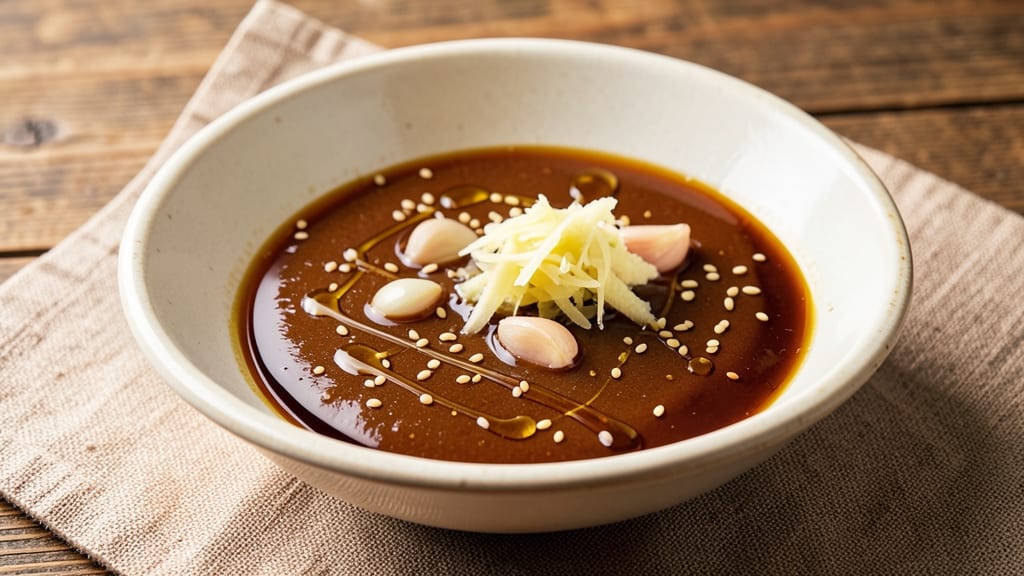
This authentic sauce recipe transforms simple ingredients into a bold umami base that elevates everything from grilled meats to fresh pasta. The secret lies in balancing fermented soy sauce, sesame oil, and a touch of honey—a technique inspired by traditional East Asian cooking methods.
What makes this sauce special is its depth of flavor, achieved through slow reduction and careful seasoning, without any shortcuts or processed ingredients.
The foundation begins with a simple yet powerful combination of soy sauce, rice vinegar, and a splash of mirin for brightness. As it simmers, the aromatics—garlic, ginger, and fresh cilantro—infuse the sauce with layers of complexity.
The result is a versatile condiment that works as a dipping sauce, marinade, or finishing drizzle, all while staying true to its authentic roots. This isn’t just a sauce; it’s a flavor multiplier that turns ordinary dishes into extraordinary ones.
What sets this sauce apart is its authentic umami profile, achieved through natural fermentation and a balance of sweet, salty, and tangy notes. The texture is silky yet slightly thickened, perfect for clinging to noodles or enhancing the richness of proteins.
Unlike store-bought versions, this recipe delivers restaurant-quality depth with just a few pantry staples and a little patience.
Once prepared, the sauce keeps well in the refrigerator for up to two weeks, allowing you to build a stash for quick meals. Pair it with grilled chicken, steamed dumplings, or even as a glaze for roasted vegetables.
The possibilities are endless, but the technique remains foolproof and authentic—just like the flavors it creates.
Ingredients for authentic sauce
Ten ingredients crafting restaurant-quality umami depth without shortcuts or processed flavors.
| Ingredient | Amount | Notes |
|---|---|---|
| Fermented Soy Sauce 🍶 | ½ cup | High-quality, preferably Japanese shoyu |
| Sesame Oil 🫒 | 2 tbsp | Toasted sesame oil for aroma |
| Mirin 🍶 | 2 tbsp | Sweet rice wine for balance |
| Rice Vinegar 🍶 | ¼ cup | White rice vinegar preferred |
| Garlic Cloves 🧄 | 4 cloves | Freshly minced for potency |
| Fresh Ginger 🌿 | 1 tbsp | Finely grated, not powdered |
| Fresh Cilantro 🌿 | ¼ cup | Stems included for extra flavor |
| Honey 🍯 | 1 tbsp | Pure, unprocessed honey |
| Cornstarch 🌾 | ½ tsp | For silky thickening |
| Water 💧 | ¼ cup | Room temperature preferred |
The soy sauce serves as the umami backbone—Japanese shoyu delivers the most authentic depth, but Kikkoman works in a pinch. Sesame oil should be toasted, not the refined variety, for that nutty aroma that elevates everything. Mirin from Japan (not the sweetened imitation) balances the saltiness perfectly, while rice vinegar adds the necessary acidity. For garlic and ginger, freshness is non-negotiable—powdered versions lack the complexity. The cilantro stems contain concentrated flavor, so include them when chopping. Local Asian markets often carry all these ingredients at better quality than mainstream grocery stores.
No mirin? Substitute 1 tbsp honey plus 1 tbsp water for sweetness, but you'll lose some depth. Swap sesame oil for neutral oil like vegetable if you prefer subtler flavor, though the aroma will differ. Fresh ginger powdered is a poor substitute—grate your own if possible. For honey, maple syrup works in a bind, but it alters the sauce's delicate balance. The cornstarch is crucial for that silky texture; arrowroot powder is a 1:1 substitute if preferred. Water can be omitted entirely if you're making a thicker dipping sauce, but it helps create the perfect consistency for drizzling.
This sauce develops better with time—refrigerate for at least 4 hours before using to let flavors meld. Store in an airtight container in the fridge for up to 2 weeks, though the flavor peaks after 3-5 days. For longer storage, freeze in ice cube trays—thaw and whisk to restore consistency. The sauce thickens when chilled, so thin with a splash of water or vinegar if needed. Use within 3 months of freezing for best quality. Portion into small containers for easy drizzling over finished dishes.
Why You'll Love This Recipe
- Five-Ingredient Magic: I swear by this combo—just fermented soy sauce, a splash of mirin, and a glug of sesame oil. No fancy techniques, no last-minute grocery runs. The garlic cloves get a quick minced (or crushed if you're lazy) and the rice vinegar ties it all together in minutes.
- Umami Bomb: That fermented soy sauce? It’s the secret weapon—deep, salty, and complex without tasting like "sauce." The mirin sweetens it just enough to balance the garlic’s punch, while the sesame oil adds that nutty, toasty finish that makes you go back for seconds.
- Weeknight Swiss Army: Drizzle it over noodles, toss it with stir-fried veggies, or slather it on grilled chicken. Honestly, I’ve even used it as a quick marinade for tofu. It’s the kind of sauce that turns a simple meal into something special without stealing the spotlight.
- Leftovers That Don’t Suck: Unlike sauces that separate or turn slimy, this one actually improves the next day. Store it in a jar, and the flavors meld even deeper—perfect for batch cooking. Plus, a little goes a long way, so you’ll have enough for takeout nights too.
Step-by-step instructions for bold umami base
This method delivers a perfectly balanced sauce with layered umami depth and vibrant freshness.
Bloom the Aromatics in Toasted Sesame Oil
Heat a small saucepan over medium-low heat and add the 2 tablespoons sesame oil. Once the oil shimmers gently (about 30 seconds), add the 4 minced garlic cloves and 1 tablespoon finely grated fresh ginger. Cook for 1-2 minutes until the garlic turns translucent and emits a fragrant aroma—this ensures maximum flavor extraction without burning.
Watch the color carefully—garlic should be pale golden, not brown. If it darkens too quickly, reduce the heat immediately. The toasted sesame oil will develop a nutty aroma that forms the aromatic foundation of your sauce. Remove the pan from heat once the aromatics are perfumed but not colored.
Combine Liquid Ingredients and Simmer
Return the pan to medium heat and add the 0.5 cup fermented soy sauce, 2 tablespoons mirin, and 0.25 cup rice vinegar. Stir to combine, then increase heat to medium-high until the mixture reaches a gentle simmer. Let it reduce by half—this typically takes 5-7 minutes—until the sauce thickens slightly and coats the back of a spoon.
During reduction, stir occasionally to prevent scorching at the bottom. You'll notice the sauce darken slightly and develop a glossy sheen—this indicates proper concentration of flavors. The mirin will add subtle sweetness that balances the acidity from the rice vinegar, while the soy sauce provides that essential umami backbone.
Incorporate Sweetness and Thicken
Reduce heat to low and stir in the 1 tablespoon honey and 0.25 cup room-temperature water. Let the mixture simmer gently for 2 minutes to allow the honey to dissolve completely. In a small bowl, whisk together the 0.5 teaspoon cornstarch with 1 tablespoon cold water until smooth.
Slowly pour the cornstarch slurry into the simmering sauce while stirring constantly. The sauce will thicken noticeably within 1-2 minutes. Continue cooking until it reaches a consistency where it lightly coats the back of a spoon but still flows freely—this typically takes 3-4 minutes total. Remove from heat immediately to prevent over-thickening.
Finish with Fresh Herbs and Rest
Transfer the sauce to a heatproof bowl and let it cool for 5 minutes. Stir in the 0.25 cup chopped fresh cilantro, including stems for maximum flavor. The cilantro will brighten the sauce with its citrusy notes and add fresh visual contrast. Taste and adjust seasoning if needed—you may want to add a pinch more soy sauce for umami or rice vinegar for acidity.
For best results, let the sauce rest for 10-15 minutes before serving. This allows all the flavors to meld completely and the texture to stabilize. The sauce should be glossy with a velvety finish, perfectly balanced between salty, sweet, umami, and fresh herbal notes. Serve warm over noodles, drizzle over grilled proteins, or use as a dipping sauce for spring rolls.
Pro Tips For Making Authentic Sauce
- Bloom the Garlic First: Toss your minced garlic in a splash of cold water for 10 minutes before cooking—it mellows the bite and prevents that bitter aftertaste that ruins the sauce. (I learned this after burning my first batch of garlic into oblivion.)
- Low and Slow for Soy: Simmer your fermented soy sauce on actual low heat—no rushing—until it reduces by half. High heat turns it bitter; patience gives you that deep, caramelized umami you’re after. (Yes, even if you’re impatient like me.)
- Add Sesame Oil Last: Stir in the sesame oil off the heat with the sauce still steaming—this keeps its aroma intact instead of letting it cook away. (I used to add it early and wondered why my sauce always tasted flat.)
- Balance the Vinegar Early: Taste your sauce before adding rice vinegar, then add it gradually—1 teaspoon at a time—until it’s bright but not sharp. (Too much later, and you’ll be chasing balance with sugar.)
Creative variations of this authentic sauce
East Asian Fusion
This sauce bridges traditional Japanese and Chinese techniques by combining shoyu (fermented soy sauce) with mirin and rice vinegar—a fusion that works beautifully with grilled meats and noodle dishes.
The toasted sesame oil adds depth reminiscent of Chinese stir-fry sauces, while the cilantro finish gives it a Southeast Asian brightness. I often serve this as a dipping sauce for steamed dumplings or spring rolls, where the umami and freshness complement the delicate textures. 🌶️
Spicy Kick Adaptation
For heat lovers, add 1 teaspoon of gochujang (Korean fermented chili paste) or ½ teaspoon of chili flakes when incorporating the honey. The gochujang adds a sweet-spicy depth that pairs perfectly with grilled pork or tofu, while chili flakes give a quick, bright heat.
Start with less—you can always add more later. Balance the spice by increasing the honey to 1.5 tablespoons for a sweeter contrast.
Sweet and Tangy Glaze
Reduce the honey to ½ tablespoon and add 1 tablespoon of rice vinegar for a sharper tang. This version works as a glaze for roasted vegetables or grilled chicken, caramelizing beautifully while keeping the sauce's complexity.
The extra acidity also makes it ideal for cold noodle salads where you want a bright, cutting flavor. I drizzle this over sesame-crusted cod for a restaurant-worthy finish.
Herb Variations
Swap the cilantro for thai basil (2 tablespoons) for a fragrant, slightly peppery note that pairs well with pho or Vietnamese-inspired dishes. For a Mediterranean twist, use flat-leaf parsley (2 tablespoons) and reduce the garlic to 2 cloves—this version works beautifully with grilled lamb or roasted eggplant.
The parsley adds a fresh, slightly bitter contrast that balances the sauce's richness.
Thicker Dipping Sauce
Omit the water entirely and increase the cornstarch to 1 teaspoon for a thicker, spoonable consistency perfect for dipping spring rolls, egg rolls, or fried rice. For extra body, stir in 1 teaspoon of peanut butter (smooth, not crunchy) after cooling—this adds a subtle creaminess that enhances the umami.
Serve chilled for a refreshing contrast to hot dishes. ✨
Nutrition facts
Frequently asked questions
Can I make this sauce without cornstarch?
Yes, but the texture will be thinner. For a naturally thickened version, blend 1 tablespoon of fresh cilantro stems with the 0.25 cup water before adding it to the sauce. The cilantro fibers will help bind the sauce slightly. Alternatively, reduce the sauce longer (up to 10 minutes) on low heat to evaporate more liquid, but you'll lose some freshness. The sauce will still taste amazing—just expect a more liquid consistency.
How do I adjust the spice level for sensitive eaters?
This recipe is naturally mild, but if you're avoiding garlic or ginger entirely, reduce both to 2 cloves garlic and 0.5 tablespoon ginger. For extra mildness, strain the sauce through a fine-mesh sieve after cooking to remove all aromatics. The resulting sauce will be smoother and more approachable for kids or those sensitive to strong flavors. The umami from soy sauce will still shine through beautifully.
Can I use this sauce as a marinade?
This sauce makes an excellent marinade for chicken, pork, or tofu. For best results, reduce the sauce by half first (simmer until thickened), then cool completely before using. The cornstarch can make meats too sticky if used directly, so strain it first. Marinate proteins for 2-4 hours in the fridge for tender, flavorful results. Reserve some sauce to use as a finishing drizzle after cooking.
Why does my sauce taste too salty?
This usually happens when using low-quality soy sauce with higher sodium content. For balance, add 1-2 tablespoons more mirin or honey to counteract the saltiness. If the sauce is still too strong, thin it with 1 tablespoon water or rice vinegar and taste as you go. The cilantro will also help brighten the flavor—add an extra 1 tablespoon if needed. For future batches, use a lower-sodium soy sauce or reduce the amount slightly.
Can I make this sauce ahead of time?
This sauce actually tastes better after resting! Prepare it up to 3 days in advance and store in an airtight container in the fridge. The flavors will deepen and meld beautifully. If making ahead, skip the cilantro until serving—it's best added fresh. For longer storage (up to 3 months), freeze in ice cube trays. Thaw in the fridge overnight and whisk to restore consistency before using.