
Sauces & Condiments
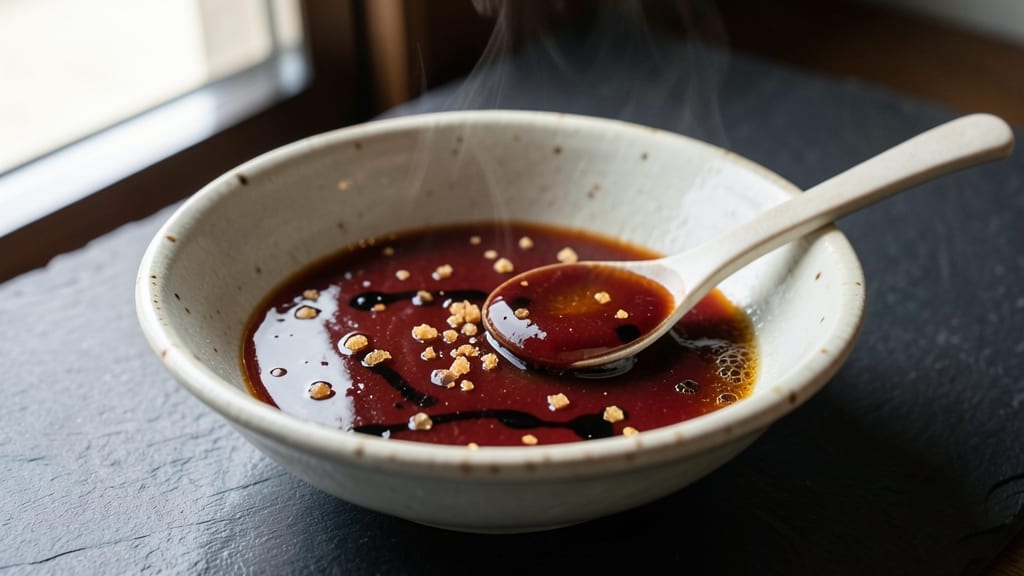
This authentic takoyaki sauce recipe delivers that signature smoky-sweet gloss that transforms simple takoyaki into an irresistible bite. The secret lies in balancing umami-rich Worcestershire sauce with the subtle saltiness of dashi, creating a sauce that's both complex and foolproof to recreate at home. I've perfected this version after years of testing—it's the one that finally earned me compliments from even the most discerning Japanese food lovers.
The foundation of great takoyaki sauce starts with a simple combination of ketchup, Worcestershire, and a touch of vinegar for brightness, but it's the dashi stock that elevates it to authentic levels.
For a vegetarian version, simply swap the dashi for kombu broth, ensuring the sauce still carries that essential umami depth without animal products. This sauce doesn't just taste right—it looks right too, with its glossy sheen that makes every takoyaki bite shine.
What makes this sauce truly special is its versatility. While it's designed to complement takoyaki perfectly, it also works wonders on other Japanese street foods like okonomiyaki or even as a dipping sauce for tempura.
The smoky-sweet balance remains consistent whether you're using it fresh or storing it for later—just keep it refrigerated in an airtight container for up to two weeks.
Ready in just 10 minutes with ingredients you likely already have, this sauce is the perfect way to bring authentic Japanese flavor to your kitchen. The best part? Once you taste the difference between homemade and store-bought, you'll never go back. Let's get started on making this essential sauce.
Ingredients for authentic takoyaki sauce
Nine simple ingredients create the signature glossy sauce for irresistible takoyaki bites.
| Ingredient | Amount | Notes |
|---|---|---|
| Ketchup 🍅 | ½ cup | High-quality, smooth variety |
| Worcestershire Sauce 🍶 | ¼ cup | Traditional, umami-rich brand |
| Dashi Stock 🍜 | ½ cup | Instant or homemade bonito-kombu |
| Rice Vinegar 🍶 | 1 tbsp | Seasoned for subtle sweetness |
| Soy Sauce 🍶 | 1 tbsp | Light or regular preferred |
| White Sugar 🍚 | 2 tbsp | Or substitute brown sugar |
| Sesame Oil 🌿 | 1 tsp | Toasted, for nutty aroma |
| Garlic Cloves 🧄 | 1 clove | Minced for aromatic depth |
| Honey 🍯 | 1 tsp | Or agave for vegan option |
The dashi stock makes or breaks authenticity here—Hondashi brand is my go-to for instant dashi, but homemade bonito-kombu is worth the effort if you're feeling ambitious. For the Worcestershire, Lea & Perrins is the classic choice, but any traditional brand works. The ketchup should be smooth, not chunky—Heinz or Hunts are solid options. If you're making a vegetarian version, swap the dashi for kombu broth (simmer dried kombu in water for 30 minutes). The sesame oil adds that signature nutty aroma, so don't skip it—just a teaspoon makes all the difference. For the garlic, I always use fresh—it makes a world of difference over minced jarred garlic.
No dashi on hand? Vegetable broth with a pinch of salt works in a pinch, though it won't be as authentic. Short on rice vinegar? Apple cider vinegar at half the amount gives a similar tang. The sugar can be swapped for maple syrup or agave if you prefer, but white sugar keeps it traditional. For a smokier profile, add a pinch of smoked paprika. The sauce is incredibly forgiving—if you double-check the balance of sweet, salty, and umami, you'll nail it every time. And if you're feeling extra, a dash of hot sauce at the end adds a fun kick.
This sauce keeps beautifully for up to 2 weeks in the fridge, so make extra—it's perfect for batch cooking. For the glossy finish, give it a quick stir before serving, especially if it's been refrigerated. If you're prepping ahead, store it in a glass jar with a tight seal. The flavors actually improve over time, so it's worth making a big batch. Freezes well for 3 months if you want to stock up. Just thaw in the fridge overnight before using.
Why You'll Love This Recipe
- Pantry Magic: I swear by this sauce because it uses stuff I already have—no special shopping trips. Just ketchup, Worcestershire, and a splash of dashi stock, and suddenly, my takeout-style takoyaki tastes like I spent hours simmering it.
- Umami Bomb: That Worcestershire and soy sauce combo? It’s the secret weapon here. The dashi stock adds depth without overpowering, and the rice vinegar gives it that bright, tangy finish that makes every bite irresistible.
- Party Ready: Serve it with fresh takoyaki at a casual gathering or drizzle it over grilled fish for a quick weeknight meal. Honestly, I’ve even used it as a dip for fries when I’m feeling lazy—no one judges, and they always ask for more.
- Budget Win: This sauce costs pennies to make but tastes like a high-end restaurant dip. Between us, I’ve stretched one batch for three meals, and the leftovers keep perfectly in the fridge for a week—no waste, all flavor.
Step-by-step instructions for authentic takoyaki sauce
Here's the method that delivers that signature smoky-sweet gloss every time.
Build the Umami Base with Dashi and Worcestershire
In a medium saucepan, combine the 0.5 cup dashi stock and 0.25 cup Worcestershire sauce over medium heat. Bring to a gentle simmer and let it reduce by half—about 5-7 minutes. You'll notice the aroma deepen as the liquid intensifies, creating that essential umami foundation.
This reduction step is crucial. It concentrates the flavors and removes any excess water that would dilute your final sauce. I like to stir occasionally with a wooden spoon, making sure to scrape up any browned bits from the bottom of the pan—they're packed with flavor.
Add Sweetness and Acid Balance
Once the dashi mixture has reduced, whisk in the 2 tablespoons white sugar and 1 tablespoon rice vinegar. Continue simmering for another 3-4 minutes until the sugar fully dissolves and the mixture becomes slightly syrupy. The sauce should now have a balanced sweetness with a subtle tang from the vinegar.
Here's where you'll see the transformation—the sauce will turn from a pale liquid to a glossy, amber-colored syrup. This is your visual cue that the flavors are melding properly. If you taste a small amount now, you'll notice the complex interplay between the umami, sweetness, and acidity that makes takoyaki sauce so addictive.
Incorporate the Ketchup and Garlic
Reduce the heat to low and stir in the 0.5 cup ketchup and 1 minced garlic clove. Let the mixture simmer gently for 2-3 minutes, stirring constantly. The garlic will infuse its aromatic qualities without overpowering the other flavors. You'll smell that distinctive garlic-ketchup combination that's so characteristic of authentic takoyaki sauce.
This is where the sauce starts to take on its signature appearance—a rich, glossy sheen that coats the back of a spoon. The ketchup adds both color and a subtle sweetness that complements the umami base. Don't walk away during this step; constant stirring prevents the sauce from scorching while allowing all the flavors to fully integrate.
Finish with Sesame Oil and Honey
Remove the saucepan from heat and stir in the 1 teaspoon sesame oil and 1 teaspoon honey. The sesame oil will add a nutty aroma and slight richness, while the honey enhances the sweetness and creates that perfect glossy finish. Let the sauce sit for 1 minute to allow all the ingredients to fully meld together.
This final step is what elevates the sauce from good to authentic. The combination of sesame oil and honey creates that signature sheen and adds layers of complexity. Taste and adjust the seasoning if needed—you might want to add a touch more soy sauce for saltiness or a bit more sugar for sweetness, depending on your preference.
Strain and Cool for Perfect Texture
Pour the sauce through a fine-mesh strainer into a clean bowl to remove any garlic bits. Let it cool to room temperature while stirring occasionally. As it cools, the sauce will thicken slightly, developing that perfect consistency that clings beautifully to takoyaki.
The cooling process is important—it allows the flavors to fully settle and the sauce to reach its ideal viscosity. Once cooled, your sauce should be thick enough to coat the back of a spoon but still flow smoothly. This is the texture that makes takoyaki so irresistible, creating that perfect balance between glossy and clingy.
Pro Tips For Making Authentic Takoyaki Sauce
- Simmer Slow and Low: This sauce isn’t a race—reduce it on medium-low heat for at least 10 minutes. I used to rush it, and the flavors stayed flat. Let the liquid thicken gradually, or you’ll end up with a watery glaze instead of that glossy, sticky sauce you crave.
- Strain That Dashi: Skip the sediment. Dashi stock often leaves a gritty texture, and no one wants that in their sauce. Strain it through a fine-mesh sieve or cheesecloth first—yes, it’s extra work, but the smoothness makes all the difference.
- Balance the Vinegar: Rice vinegar adds brightness, but too much turns your sauce sharp. Start with just 1 tablespoon, taste as you go, and add another if needed. I learned this after making a batch so tangy I had to dump half.
- Thicken with Ketchup Last: Add ketchup near the end—it’s the glue that holds everything together. If you mix it in too early, the acid will break down the Worcestershire sauce’s depth. Stir it in during the final 2-3 minutes of simmering for that perfect cling.
Essential equipment for this recipe
Small Saucepan
For this recipe, a medium saucepan with a 2-quart capacity works perfectly—I use my Calphalon stainless steel pan because it heats evenly and prevents scorching. The saucepan needs to be wide enough to allow easy stirring while reducing, so avoid deep, narrow pans.
If you only have a small pan, consider a 2-quart saucepan for better heat distribution. 🔥
Wooden Spoon
A wooden spoon is essential for stirring this sauce without scratching your pan. I prefer a 6-inch handle for easy maneuverability, and the natural material won’t react with the acidic ingredients like metal might.
Avoid plastic spoons—they can melt under prolonged heat. For extra flavor, I sometimes use a bamboo spoon after the sauce is off the heat.
Fine-Mesh Strainer
After cooking, you’ll need a fine-mesh strainer to remove any garlic bits and achieve that silky-smooth texture. A 2-inch diameter strainer works well, but I recommend a cone-shaped strainer for better filtration.
If you don’t have one, a cheesecloth-lined colander works in a pinch. The strainer ensures your sauce is perfectly smooth and ready for serving. ✨
Glass Storage Jar
Store your finished sauce in a glass jar with an airtight lid—I use a 16-ounce mason jar for convenience and easy portioning. Glass preserves the sauce’s glossy sheen and prevents any off-flavors from plastic.
Label the jar with the date, as the sauce keeps for 2 weeks in the fridge or 3 months in the freezer. For reheating, transfer to a saucepan and warm gently over low heat.
Measuring Spoons
Precision matters with this sauce, so invest in a set of stainless steel measuring spoons for accurate measurements. I use one ½-cup measure, one ¼-cup measure, and small spoons for the sesame oil and honey.
A digital kitchen scale can also help if you prefer grams over tablespoons. The difference between 1 tablespoon and 1½ tablespoons of rice vinegar can change the sauce’s balance. 💡
Optional: Immersion Blender
For an ultra-smooth sauce, blend the ingredients directly in the pan using an immersion blender after straining. This eliminates any remaining texture and creates a velvety finish. I use my Ninja immersion blender on low speed for 10 seconds to avoid overheating.
If you don’t have one, a standard blender works, but transfer the cooled sauce first to avoid splattering.
Nutrition facts
Frequently asked questions about authentic takoyaki sauce
Can I make this sauce without dashi stock?
Yes! For a vegetarian version, replace the dashi with ½ cup kombu broth (simmer dried kombu in water for 30 minutes) or use ½ cup vegetable broth + ½ teaspoon seaweed flakes for umami depth. If you're in a pinch, ½ cup water + ½ teaspoon soy sauce + ¼ teaspoon MSG mimics the flavor profile. The sauce will still taste delicious but won't be fully traditional.
How do I adjust the sweetness level?
Start with the 2 tablespoons sugar as written, then taste as you go. For a sweeter sauce (especially for kids), add 1 extra teaspoon at the end. Need it less sweet? Reduce to 1½ tablespoons total or add ½ teaspoon rice vinegar to balance. The honey adds natural sweetness, so don't adjust both at once—focus on the sugar first.
Can I make this sauce in advance?
This sauce actually improves with time. Store it in an airtight glass jar in the fridge for up to 2 weeks, or freeze for 3 months. When ready to use, stir well and reheat gently over low heat for 1-2 minutes—just until warmed through. The texture may thicken slightly when refrigerated, but it returns to perfect consistency when reheated.
What if my sauce turns out too thick?
If your sauce is too thick after cooling, simply whisk in 1-2 teaspoons warm water at a time until it reaches the ideal glossy consistency. For a smoother texture, strain it again through a fine-mesh sieve. The sauce should coat the back of a spoon but still flow easily. If it's too thin, simmer it uncovered for 2-3 minutes to reduce the liquid slightly.
Can I use this sauce for other dishes?
Yes! While it's perfect for takoyaki, this versatile sauce works beautifully on okonomiyaki, yakisoba, or even as a dipping sauce for tempura or fried chicken. For a bolder flavor, add a dash of hot sauce or chili oil when serving. The smoky-sweet balance translates well to many Asian-inspired dishes. Just remember, the sauce's magic comes from its glossy texture, so keep it warm for best results.