
Sauces & Condiments
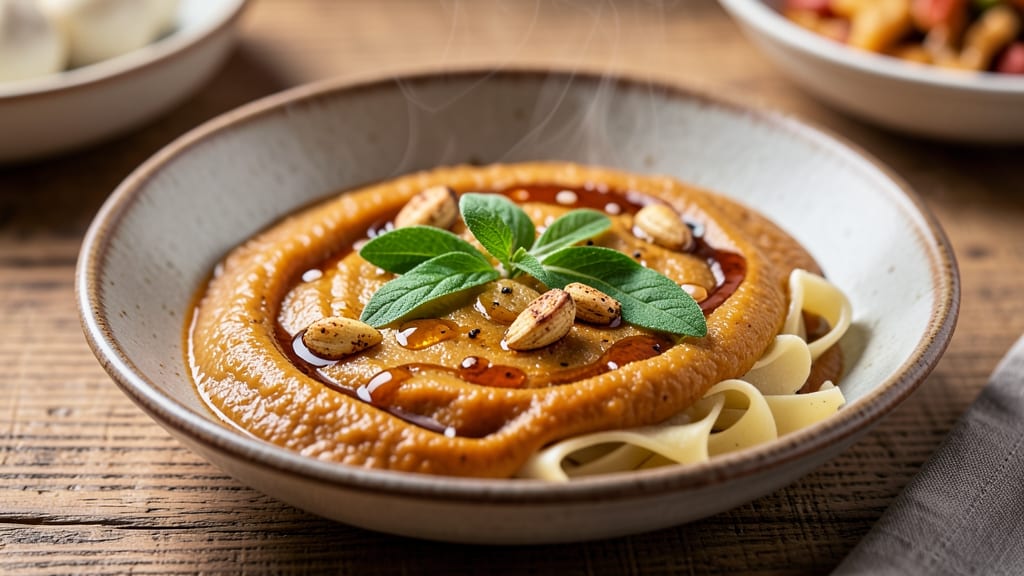
This autumn harvest pasta sauce transforms seasonal squash and aromatic sage into velvety richness that elevates every dish. 🍂 The key lies in roasting butternut squash until caramelized—this simple step unlocks deep, nutty sweetness that forms the sauce's foundation.
I developed this recipe after craving a dish that celebrated autumn's bounty without relying on heavy cream, and the result is a velvety, balanced sauce that's equally at home on pasta, risotto, or even as a dipping sauce for crusty bread.
The preparation begins with roasting the squash until tender and golden, then blending it with fresh sage, garlic, and a touch of apple cider for brightness. Simmering with vegetable broth and a splash of white wine creates a smooth, rich consistency that coats pasta perfectly.
What makes this sauce truly special is how its flavors develop as it simmers—starting with caramelized squash notes that evolve into a complex, savory-sweet profile.
What you'll end up with is a sauce that's rich yet light, with a velvety texture that clings beautifully to every strand of pasta. The roasted squash adds natural sweetness, while the sage and apple cider provide aromatic depth and a subtle tang.
This isn't just another pasta sauce—it's a celebration of autumn's flavors, designed to transform simple meals into something extraordinary.
The best part? This sauce keeps well in the refrigerator for up to five days, making it perfect for meal prep. Let it come to room temperature before reheating, and you'll be rewarded with a sauce that tastes even better the second time around.
Whether you're serving it over your favorite pasta, using it as a risotto base, or dipping crusty bread, this autumn harvest sauce delivers restaurant-quality results with minimal effort.
Ingredients for autumn harvest pasta sauce
Seasonal squash, aromatic herbs, and simple pantry staples create this velvety autumn masterpiece.
| Ingredient | Amount | Notes |
|---|---|---|
| Butternut Squash 🎃 | 2 lb | Peeled, cubed, roasted until tender |
| Fresh Sage Leaves 🌿 | ½ cup | Packed, stems removed |
| Garlic Cloves 🧄 | 4 cloves | Peeled, minced |
| Apple Cider 🍎 | ½ cup | Unfiltered for best flavor |
| Vegetable Broth 💧 | 2 cups | Low-sodium preferred |
| Dry White Wine 🍷 | ½ cup | Sauvignon Blanc or Pinot Grigio |
| Extra-Virgin Olive Oil 🫒 | ¼ cup | High quality, fruity |
| Salt 🧂 | 1 tsp | Diamond Crystal preferred |
| Black Pepper 🌶️ | ½ tsp | Freshly ground |
| Pasta 🍝 | 12 oz | Any shape, cooked al dente |
The butternut squash is the star—look for small, firm squash with no soft spots. Trader Joe's and Whole Foods usually have the best selection, or check your local farmers market. Roasting brings out its natural sweetness, so don't skip this step. For extra flavor, I like to toss the cubed squash with a drizzle of olive oil and a pinch of salt before roasting. If you can't find butternut, acorn or kabocha squash work beautifully too. Fresh sage is ideal, but if you only have dried, use one-third the amount. The garlic should be fresh—jarred minced garlic lacks flavor here.
No white wine? Vegetable broth with a splash of apple cider works perfectly. The apple cider adds brightness—use unfiltered for best flavor. If you're making this ahead, the sauce actually tastes better the next day as the flavors meld. For extra richness, stir in a tablespoon of nutritional yeast at the end. The pasta shape doesn't matter—anything from penne to farfalle works, but make sure it's cooked al dente. The sauce should cling beautifully to whatever you choose. If you prefer a creamier texture without dairy, blend in a splash of cashew cream at the end.
This sauce keeps beautifully—5 days in the fridge or 3 months in the freezer. I like to portion it into small jars for easy reheating. When reheating, bring it to a simmer over low heat—never boil or it'll break. The sauce thickens as it cools, so if it seems too thick after reheating, just add a splash of broth or water. For extra flavor, toss the reheated sauce with a pinch of freshly cracked black pepper and a drizzle of olive oil. It's perfect for meal prep—make a double batch and freeze half for later.
Why You'll Love This Recipe
- Fewer Dirty Dishes: The butternut squash just roasts itself while you chop garlic—no blender, no straining, no mess. I swear by the sheet pan method: toss cubes with oil and salt, roast until caramelized, then blend right in the pan with the broth.
- Sagey, Sweet, Savory Magic: That first whiff of fresh sage simmering in apple cider? Instant cozy vibes. The squash adds natural sweetness while the cider keeps it bright—like a hug in a bowl, but with actual garlic cloves that make you go back for more.
- Double-Duty Dinner: Make a big batch on Sunday and it’s your weeknight savior. Toss with pasta for dinner, use it as a pizza sauce the next night, or even spoon it over roasted chicken. My freezer’s full of jars of this stuff—always a lifesaver when I forget to meal prep.
- Budget Booster: Butternut squash is cheap in season, and this sauce stretches like crazy. A single roasted squash and a bottle of cider feed my family for days—plus, the leftovers taste even better reheated than they do fresh. (Yes, even on a Tuesday night.)
Step-by-step instructions for autumn harvest pasta sauce
This velvety sauce comes together with deep autumn flavors—roasted squash, aromatic sage, and a touch of wine.
🔥 Step 1: Roast the Butternut Squash Until Caramelized
Preheat your oven to 400°F and line a baking sheet with parchment paper. Toss the 2 lb butternut squash with 2 tablespoons of the extra-virgin olive oil and ½ teaspoon of the salt. Spread the cubes in a single layer—they need room to brown.
Roast for 25-30 minutes, stirring halfway, until the edges are deep golden brown and a knife slides in easily. The squash should be tender but still hold its shape. Real talk: if you see steam when you remove it, it's not quite done—put it back in for another 5-10 minutes. This caramelization is what gives the sauce its rich, sweet depth.
🍳 Step 2: Sauté Garlic and Sage in Olive Oil
While the squash roasts, heat the remaining 2 tablespoons extra-virgin olive oil in a large skillet over medium heat. Add the 4 cloves minced garlic and cook for 30 seconds until fragrant—don't let it brown, or it'll turn bitter. Toss in the 0.5 cup packed fresh sage leaves and cook for 1-2 minutes until the leaves just begin to wilt.
Here's where it gets good: the sage should smell intensely aromatic, like a forest after rain. If it looks dry or crispy before the garlic browns, you've gone too far. Remove the skillet from heat and set it aside—we'll come back to it in a minute.
🥘 Step 3: Build the Sauce with Wine and Broth
In the same skillet (no need to clean it—those browned bits are flavor!), pour in the 0.5 cup dry white wine and scrape up any stuck-on bits with a wooden spoon. Let it simmer for 2-3 minutes until reduced by half—you want the alcohol to cook off and the wine to concentrate.
Add the 2 cups vegetable broth and the roasted butternut squash (including any pan juices). Bring to a gentle boil, then reduce heat to medium-low and let it simmer for 10 minutes until the squash breaks down into a thick, creamy purée. Stir occasionally, but don't overwork it—this sauce is about texture.
⏰ Step 4: Finish with Apple Cider and Season
Stir in the 0.5 cup apple cider and simmer for another 5 minutes until slightly reduced. The cider adds a bright, almost cider-like sweetness that balances the earthy squash. Taste and adjust seasoning with the remaining ½ teaspoon salt and ½ teaspoon black pepper—this sauce should be rich but not salty.
For the ultimate texture, use an immersion blender to purée the sauce until smooth, or carefully transfer it to a blender and blend until velvety. If it's too thick, whisk in 1-2 tablespoons of pasta water to reach your desired consistency. Keep it warm over low heat while you cook the 12 oz pasta.
🍽️ Step 5: Toss and Serve with Fresh Herbs
Drain the pasta and immediately toss it with the sauce, adding a splash of pasta water if needed to coat the strands evenly. The sauce should cling like a dream—if it's too thick, loosen it with more pasta water. Garnish with additional fresh sage leaves and a drizzle of extra-virgin olive oil for a pop of color and freshness.
Serve immediately while the sauce is still warm and glossy. Each bite should deliver that perfect balance of sweet roasted squash, herby sage, and a touch of wine brightness—like a cozy autumn hug in a bowl. Leftovers? Store in an airtight container for up to 3 days, but honestly, this sauce tastes even better the next day as the flavors meld further.
Pro Tips For Making Autumn Harvest Pasta Sauce
- ROAST THE SQUASH FIRST: Toss peeled butternut cubes in olive oil, salt, and pepper, then roast at 400°F (200°C) for 25-30 minutes until caramelized—this builds natural sweetness and depth that no amount of simmering can match. I used to try to sauté it first, but the texture turns out mealy and the flavor lacks that smoky richness.
- SWEAT THE GARLIC LOW: Cook minced garlic in olive oil over low heat until just golden—no browning, no burning. High heat turns it bitter, and this sauce relies on that bright, mellow garlic aroma to balance the apple cider’s tang. I learned this after a batch tasted like a charred campfire.
- STRAIN THE APPLE CIDER: Reduce apple cider by half before adding it to the sauce—this concentrates the flavor and thickens the sauce without making it watery. Skip the straining, and you’ll end up with a thin, vinegary mess instead of a luscious, autumnal glaze.
- ADD SAGE LATE: Tuck whole sage leaves into the sauce after everything else is simmering—this keeps their delicate aroma intact instead of letting them turn bitter from overcooking. Remove them before serving (or not, if you’re feeling bold).
Perfect pairings for these flavors
Pasta Pairings
This velvety sauce works beautifully with pasta shapes that trap sauce—think penne, rigatoni, or farfalle. I love using bronze-cut farfalle because the ridges catch every bite of the roasted squash.
For a rustic touch, try pappardelle or fettuccine, but be sure to cook them al dente so they hold up to the rich sauce. 🍝
If you want extra texture, toss in toasted walnuts or pecans before serving. The nutty crunch contrasts perfectly with the sauce's smoothness. For a heartier dish, serve with crispy sage leaves that add a delightful pop when you bite into them.
Risotto Base
This sauce transforms creamy risotto into a showstopper—just stir it into your cooked Arborio rice at the end. I recommend using wild mushrooms sautéed in olive oil before adding the sauce for an earthy depth. The roasted squash adds natural sweetness that balances the umami from the mushrooms. 🍄
For a one-pot wonder, cook your risotto in the same skillet where you made the sauce. The fond (browned bits) will infuse even more flavor into the rice. Finish with a sprinkle of Parmigiano-Reggiano and a drizzle of olive oil for a restaurant-worthy dish.
Bread Dipping
Warm, crusty sourdough or ciabatta becomes irresistible when dipped in this sauce. I like to spread a thin layer on the bread and broil it for 1-2 minutes until golden and bubbly. The contrast of crispy bread with the velvety sauce is pure magic. 🥖
For a gourmet twist, serve with grilled cheese sandwiches made with sharp cheddar and Gruyère. The sauce's richness complements the melty cheese perfectly. You can also use it as a dipping sauce for roasted vegetables like Brussels sprouts or carrots.
Protein Pairings
This sauce pairs wonderfully with roasted chicken or pan-seared duck breast. The sweetness of the squash complements the richness of the meat beautifully. I often serve it with herb-roasted chicken thighs for a cozy weeknight dinner. 🍗
For a vegetarian option, try it with mushroom Wellington or stuffed bell peppers. The sauce's depth adds a luxurious touch to plant-based dishes. If you're serving with meat, make sure it's cooked to 165°F internal temperature for safety.
Nutrition facts
Frequently asked questions
Can I substitute butternut squash with another type?
Acorn or kabocha squash work beautifully—they have similar textures and sweetness. For a different flavor profile, try delicata squash (peelable skin) or even sweet potatoes (roast at 425°F for 20 minutes instead). Just adjust roasting time based on size—smaller pieces cook faster.
How do I make this sauce without wine?
No problem! Replace the 0.5 cup white wine with 0.5 cup apple cider or vegetable broth. For extra depth, add 1 teaspoon lemon juice to mimic the wine's acidity. The sauce will still develop rich flavors—just without the alcohol.
Can I make this sauce in a slow cooker?
Yes! After roasting the squash, combine all ingredients in your slow cooker and cook on LOW for 4-5 hours or HIGH for 2-3 hours. Stir occasionally to prevent sticking. The slow cooking enhances the squash's sweetness even more. Just blend at the end for that velvety texture.
Why did my sauce turn out too thick?
This usually happens if the squash broke down too much during simmering. Thin with 1-2 tablespoons of pasta water or vegetable broth while stirring. For future batches, simmer for 8-10 minutes instead of 10-12 minutes to control thickness. The sauce should coat the back of a spoon but still be pourable.
How can I add more protein to this dish?
Toss in 1 cup cooked white beans (like cannellini) or ½ cup crumbled feta at the end for extra protein. For meat lovers, add ½ lb shredded chicken or ½ cup cooked lentils. If using dairy, stir it in during the last 5 minutes of simmering so it doesn't curdle.