
Sauces & Condiments
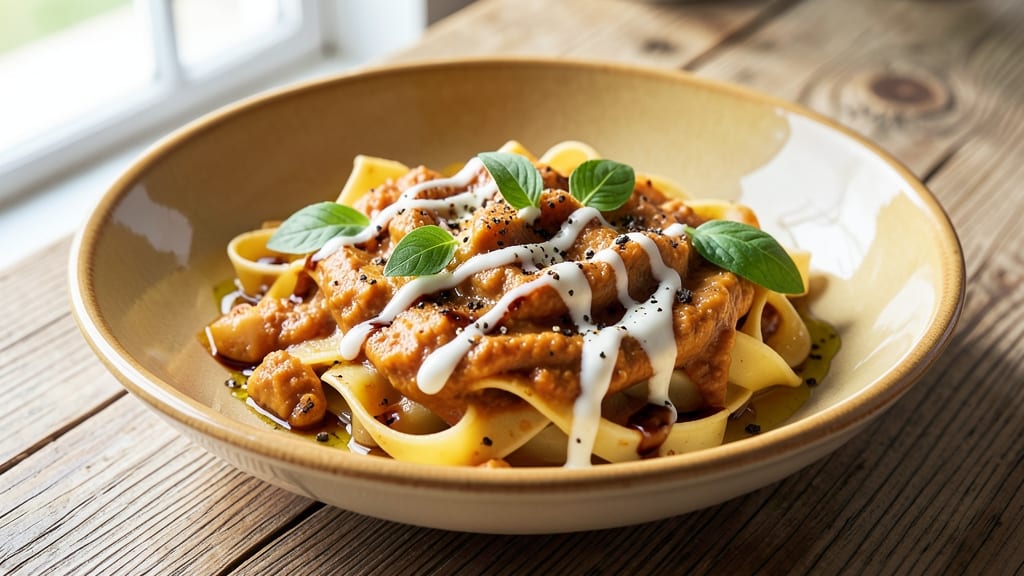
This autumnal harvest pasta sauce recipe transforms humble pantry staples into a velvety, aromatic masterpiece that captures the essence of fall. 🍂 The secret lies in roasting butternut squash and fresh sage until caramelized, then blending with garlic, Parmesan, and a touch of cream for unmatched richness.
It’s the kind of sauce that turns simple pasta into a restaurant-worthy meal without requiring advanced techniques.
The beauty of this recipe is its simplicity—just a handful of ingredients, but each plays a crucial role. Roasting the squash deepens its natural sweetness, while sage adds an earthy aroma that’s pure autumn.
A slow simmer with garlic and white wine reduces the sauce into a silky consistency that clings perfectly to every strand of pasta. The result? A sauce so flavorful, it elevates even the most basic dish.
What makes this sauce truly special is its versatility. Use it as a base for creamy pasta, drizzle it over roasted vegetables, or even serve it alongside grilled meats. The flavors develop even more the next day, making it ideal for meal prep.
Plus, it freezes beautifully, so you can enjoy this taste of fall anytime you crave it.
Whether you’re hosting a dinner party or simply craving a cozy weeknight meal, this sauce delivers depth and warmth in every bite. Ready to create something extraordinary with just a few ingredients? Let’s get started.
Ingredients for autumnal harvest pasta sauce
Roasted squash and aromatic sage create this velvety autumnal sauce—simple yet deeply flavorful.
| Ingredient | Amount | Notes |
|---|---|---|
| Butternut Squash 🎃 | 1 ½ lb | Peeled, cubed, roasted until caramelized |
| Fresh Sage Leaves 🌿 | ½ cup | Packed, stems removed |
| Garlic Cloves 🧄 | 4 cloves | Peeled, minced |
| Extra-Virgin Olive Oil 🫒 | ½ cup | High-quality, fruity |
| Dry White Wine 🍷 | ½ cup | Sauvignon Blanc or Pinot Grigio |
| Heavy Cream 🥛 | ½ cup | Full-fat for richness |
| Parmesan Cheese 🧀 | ½ cup | Freshly grated, aged |
| Vegetable Broth 💧 | 1 cup | Low-sodium preferred |
| Salt 🧂 | 1 tsp | Diamond Crystal kosher |
| Black Pepper 🌶️ | ½ tsp | Freshly ground |
The butternut squash is the heart of this sauce. Look for sweet, dense squash—the kind with smooth skin and no soft spots. Trader Joe's and Whole Foods often carry the best quality, but any grocery store’s organic section works. Roast it until deeply caramelized (about 30 minutes at 400°F)—this sweetness is what makes the sauce sing. Fresh sage is non-negotiable here; dried just won’t give the same earthy aroma. Buy it in small bunches and use it within a week for maximum flavor. The garlic? Freshly minced makes all the difference—pre-minced cloves taste dull in comparison.
No white wine? Substitute vegetable broth with a splash of apple cider vinegar for brightness. Short on sage? Thyme or rosemary at half the amount works, but the flavor will shift slightly. Prefer a lighter sauce? Reduce the cream to 1/4 cup and add an extra splash of broth. The Parmesan should be aged—Parmigiano-Reggiano is ideal, but any good-quality grated cheese will do. For extra richness, add a pat of butter at the end while blending, but keep it optional if you're watching fat content.
This sauce tastes even better the next day—make a double batch and store it in the fridge for up to 5 days. For longer storage, freeze in ice cube trays—thaw and reheat portions as needed. The roasted squash keeps for 3 days in the fridge if prepped ahead, but I recommend roasting it fresh the day you make the sauce. If you're prepping for a crowd, scale up the squash and broth—the sauce thickens as it sits, so start with slightly less cream if making a large batch.
Why You'll Love This Recipe
- No Chopping Chaos: I roast the butternut squash whole—peel and slice, done. That’s it. No small dice, no mess, just sweet, caramelized cubes waiting to melt into the sauce.
- Wine-Paired Magic: That splash of dry white wine? It cuts through the squash’s richness while letting the sage sing. Honestly, it’s the kind of flavor that makes you pause mid-bite—like autumn in a bowl.
- Weeknight to Dinner Party: Same sauce, different vibes. Toss it with spaghetti for a quick weeknight meal, or drizzle it over polenta for a fancy-looking dish. My roommates never know which is which.
- Leftovers That Don’t Suck: This sauce actually improves the next day—deeper, richer, and perfect for reheating. I make double batches because it’s the only pasta sauce I don’t dread eating cold. (Yes, even on a Tuesday night.)
Step-by-step instructions for autumnal harvest pasta sauce
Transform simple ingredients into a rich, velvety sauce with layers of autumnal flavor.
🔥 Step 1: Roast the Butternut Squash Until Caramelized
Preheat your oven to 400°F and line a rimmed baking sheet with parchment paper. Arrange the 1.5 lb butternut squash cubes in a single layer, leaving space between each piece. Drizzle with 2 tablespoons of the 0.5 cup extra-virgin olive oil and sprinkle with ½ teaspoon of the 1 tsp salt and ¼ teaspoon of the 0.5 tsp black pepper.
Roast for 25-30 minutes until the squash is tender when pierced with a fork and the edges are deep golden brown. The squash should smell sweetly caramelized—this is your cue it's ready. Remove from the oven and let it cool slightly before transferring to a food processor.
🍳 Step 2: Build the Sauce Base with Wine and Broth
Heat 2 tablespoons of the remaining 0.5 cup extra-virgin olive oil in a large skillet over medium heat. Add the 4 minced garlic cloves and sauté for 30 seconds until fragrant—don't let it brown or it'll turn bitter. Pour in the 0.5 cup dry white wine and scrape up any browned bits from the bottom of the pan with a wooden spoon.
Simmer for 3-4 minutes until the wine reduces by half and the alcohol flavor cooks off. Add the 1 cup vegetable broth and bring to a gentle simmer. Let it reduce by another third, about 5 minutes, until it thickens slightly but remains pourable.
🥘 Step 3: Blend Roasted Squash into the Sauce
Transfer the roasted squash to the skillet and stir to combine with the wine-broth mixture. Cook for 2-3 minutes until heated through. Remove from heat and let cool slightly. Add the 0.5 cup packed fresh sage leaves and pulse in a food processor until the sauce is smooth but still slightly textured—you want to keep some body for that velvety depth.
Return the blended sauce to the skillet and stir in the 0.5 cup freshly grated parmesan cheese and 0.5 cup heavy cream. Simmer over low heat for 5 minutes, stirring occasionally, until the sauce thickens to a luxurious consistency. Taste and adjust seasoning with remaining salt and pepper if needed.
⏰ Step 4: Finish and Serve Over Pasta
Let the sauce rest off heat for 5 minutes—this allows the flavors to meld and the sauce to thicken slightly. The final texture should coat the back of a spoon with a silky, velvety quality. If the sauce is too thick, whisk in 1-2 tablespoons of pasta water to reach your desired consistency.
Serve immediately over your choice of pasta, reserving some sauce to drizzle on top. The rich, caramelized squash flavor pairs beautifully with the earthy sage and creamy parmesan, creating a sauce that's perfect for autumn evenings. Garnish with additional fresh sage leaves if desired.
Pro Tips For Making Autumnal Harvest Pasta Sauce
- Roast Squash Until Tender: I learned this the hard way—squash straight from the fridge or undercooked turns to mush in the sauce. Roast butternut squash cubes at 400°F (200°C) for 25-30 minutes until a knife slides in like butter, not resistance. The edges should caramelize just slightly—this sweetness is where the sauce’s depth lives.
- Toast Sage Leaves First: Fresh sage leaves straight into the sauce? They’ll just wilt into oblivion. Dry them in a hot pan with a splash of olive oil for 10 seconds until they crisp at the edges—this releases their aroma and keeps them vibrant. Remove them just before serving, then sprinkle back on top (your guests will notice the difference).
- Deglaze with Wine Early: Don’t wait until the garlic’s burned to toss in that white wine—it’ll just steam away. Add it right after the garlic hits golden, swirling to lift up the browned bits. Let it reduce by half before adding squash; this builds flavor faster than simmering later. (Yes, even if you’re impatient like me.)
- Salt the Wine: This isn’t the prettiest method, but it’s the tastiest. After deglazing, add a pinch of salt to the wine while it reduces—it balances the acidity and rounds out the sauce’s richness. Skip this, and the wine’s sharpness will fight the squash’s sweetness instead of marrying it.
Wine and beer pairings for autumnal harvest pasta sauce
White Wine Pairings
This creamy squash sauce pairs beautifully with crisp, dry white wines that complement its caramelized sweetness and earthy sage. I always reach for a Sauvignon Blanc from New Zealand—its bright citrus notes cut through the richness while enhancing the butternut squash's natural sweetness.
A Chardonnay with light oak (like one from California) works wonders too, adding a subtle buttery texture that mirrors the sauce's creaminess. 🍷
Red Wine Options
For those who prefer red, a light-bodied Pinot Noir from Oregon or Burgundy is perfect—its red fruit flavors and silky tannins won't overpower the delicate autumnal notes. Avoid bold reds like Cabernet Sauvignon, as their heavy tannins clash with the sauce's velvety texture.
I've found a Gamay from Beaujolais also works surprisingly well, offering juicy raspberry flavors that play nicely with the sage.
Beer Pairings
Craft beer lovers should try a Belgian Witbier like Hoegaarden—its coriander and citrus notes provide a refreshing contrast to the creamy sauce. For something heartier, a German Helles Lager offers a clean, malty backdrop that lets the squash and sage shine.
Avoid hoppy IPAs, as their bitterness can compete with the sauce's natural sweetness. 🍺
Non-Alcoholic Choices
For a non-alcoholic option, I recommend a sparkling apple cider with a touch of ginger—its effervescence cleanses the palate between bites. A cucumber-mint infused water with a splash of lime also works beautifully, especially on warm autumn evenings when you want something light but still complementary.
The mint adds a fresh note that pairs surprisingly well with the sage.
Seasonal Cocktail Pairing
For a festive touch, try serving this sauce with a White Sangria made with Sauvignon Blanc, sliced apples, and a hint of cinnamon. The warm spices echo the autumnal flavors while the wine's acidity balances the sauce's creaminess.
I like to add a splash of grenadine for a subtle berry note that enhances the overall harmony. ✨
Nutrition facts
Frequently asked questions
Can I substitute butternut squash with another autumn vegetable?
For a similar texture, try acorn squash or delicata squash—both roast beautifully and add natural sweetness. Sweet potatoes work too, but they have a slightly different flavor profile. Just adjust roasting time (sweet potatoes may need 15-20 minutes less) and increase the cream slightly to balance their moisture.
How do I make this sauce dairy-free?
Swap the heavy cream and Parmesan for full-fat coconut milk and nutritional yeast (2 tablespoons). For extra richness, add 1 tablespoon cashew cream (soaked cashews blended with water). The sauce will still be velvety, though the texture may be slightly lighter. Taste and adjust seasoning—nutritional yeast adds a cheesy flavor but no actual dairy.
Why did my sauce turn out too thin?
This usually happens if the squash wasn't roasted enough (releasing less natural starch) or the sauce wasn't simmered long enough. Next time, roast the squash until very soft and caramelized, then simmer the sauce uncovered for an extra 5 minutes to reduce it. If it's still too thin, stir in 1 tablespoon cornstarch mixed with 2 tablespoons cold water and cook until thickened.
Can I make this sauce without wine?
Yes! Replace the white wine with apple cider vinegar (2 tablespoons) plus ¼ cup extra broth for brightness. The vinegar adds acidity to balance the sweetness, while the broth maintains depth. For a non-acidic option, use extra vegetable broth (¼ cup more) and a pinch of sugar to compensate for lost sweetness.
What’s the best pasta to pair with this sauce?
This creamy sauce clings beautifully to fettuccine, pappardelle, or penne. For extra texture, try rigatoni or gemelli. If you want to lighten it up, serve over whole wheat spaghetti or zucchini noodles. Avoid thin noodles like angel hair—they’ll get overwhelmed by the richness.