
Sauces & Condiments
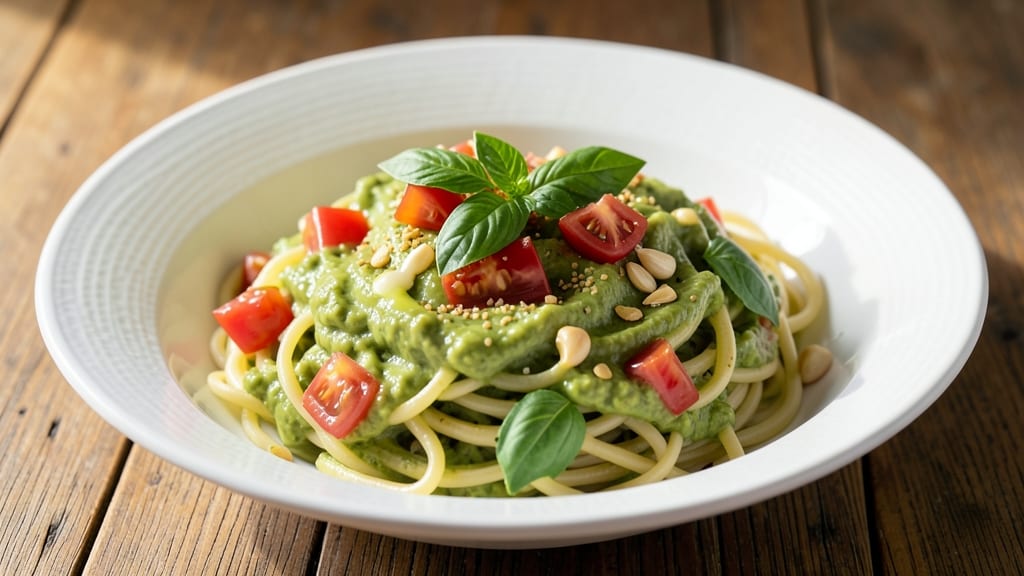
This avocado spaghetti sauce transforms your pasta night with a creamy, vibrant green fusion that’s rich, tangy, and packed with healthy fats. The secret lies in blending ripe avocado with tomatoes, garlic, and herbs—creating a velvety texture that clings perfectly to noodles without dairy.
I developed this recipe after craving something fresh yet hearty, and it’s become my go-to for quick, nutrient-dense meals that impress even non-vegan eaters.
The beauty of this sauce is its 15-minute prep time—no simmering required. Simply blend avocado, canned tomatoes, garlic, nutritional yeast, and a splash of lemon juice until smooth, then adjust seasoning to taste.
The result is a sauce that’s creamy from the avocado’s natural oils, tangy from the lemon, and umami-rich thanks to the nutritional yeast. It’s versatile enough to drizzle over pasta, spread on toast, or serve as a dip for crudités.
What sets this apart is how it elevates simple ingredients into something extraordinary. The avocado adds a luxurious creaminess, while the tomatoes and herbs keep it bright and flavorful. Unlike traditional tomato sauces, this one stays fresh-tasting even after refrigeration, making it perfect for meal prep.
Store it in an airtight container for up to 3 days, or freeze for longer shelf life—just thaw and stir before using.
Pair it with whole-wheat spaghetti for extra fiber, or use it as a base for veggie stir-fries. The possibilities are endless, but the execution is straightforward: blend, taste, and enjoy. This sauce proves that plant-based cooking can be just as satisfying—and delicious—as its traditional counterparts.
Ingredients for avocado spaghetti sauce
Ripe avocados and canned tomatoes create this ultra-creamy, vibrant green sauce in minutes.
| Ingredient | Amount | Notes |
|---|---|---|
| Ripe Avocados 🥑 | 2 whole | Pitted, flesh scooped |
| Canned Diced Tomatoes 🍅 | 15 oz | No salt added preferred |
| Garlic Cloves 🧄 | 4 cloves | Fresh, peeled, minced |
| Lemon Juice 🍋 | 2 tbsp | Freshly squeezed |
| Nutritional Yeast 🧀 | ¼ cup | Fortified, for umami |
| Fresh Basil Leaves 🌿 | ½ cup | Packed, stems removed |
| Extra-Virgin Olive Oil 🫒 | ¼ cup | For richness, not cooking |
| Salt 🧂 | 1 tsp | Adjust to taste |
| Black Pepper 🌶️ | ½ tsp | Freshly ground |
| Red Pepper Flakes 🌶️ | ½ tsp | Optional for heat |
Avocados are the heart of this sauce—pick ones that yield slightly to gentle pressure. Trader Joe's or Whole Foods usually have the ripest selection, but any grocery store works if you check the date. Nutritional yeast is a game-changer for that savory depth—Bob's Red Mill or Bragg are solid brands. Fresh basil adds brightness, but dried will work in a pinch (use half the amount). The olive oil isn't for cooking—it's what makes the sauce luxuriously smooth, so use the good stuff you'd drizzle on salads.
No avocados? Silken tofu blended until smooth mimics the creaminess, though the flavor won't be identical. Ran out of nutritional yeast? Soy sauce or miso paste at half the amount gives umami, but you'll lose that cheesy note. Subbing canned tomatoes? Fresh tomatoes blended with their juices work, but you'll need about 1.5 cups. For extra richness, stir in 1 tbsp vegan mayo or tahini after blending. The red pepper flakes can be swapped for cayenne, but go light—this sauce is already bold.
This sauce keeps beautifully—3 days in the fridge sealed tightly, or 3 months frozen. For freezing, portion into ice cube trays first—thaw and stir before using. The lemon juice prevents browning, so if you're prepping ahead, squeeze it in last. Store the avocado separate until blending to avoid discoloration. Leftovers? Toss with pasta, spread on toast, or use as a dip—it's that versatile.
Why You'll Love This Recipe
- No Blender Required: I swear by this—just mash the avocado with a fork right in the pot. No small appliances, no extra bowls, just a quick stir and you’re golden. (Yes, even on a Tuesday night when you’ve got a million things going.)
- Umami Bomb: That nutritional yeast? It’s the secret weapon here. One teaspoon turns this into something rich and savory—like a creamy tomato sauce had a flavor upgrade. The lemon juice cuts through the richness just enough to keep it bright.
- Leftover Hero: This sauce actually improves overnight. The flavors meld, the texture thickens just right, and it reheats like a dream. I make a double batch every Sunday because it’s my go-to for lazy lunches or quick dinners when I’m not in the mood to cook.
- Budget-Friendly Luxury: Avocados are the star, but they stretch so far with the canned tomatoes and garlic. Honestly, I’ve made this for under $3 per serving, and it tastes like I spent hours simmering something fancy. (Between us, my picky roommate never questions the grocery bill.)
Step-by-step instructions for avocado spaghetti sauce
This vibrant green sauce comes together faster than you can boil water—no cooking required.
Blend the Avocado Base
In a food processor or high-powered blender, combine the flesh from the 2 whole ripe avocados, the 15 oz canned diced tomatoes (with juices), the 4 cloves minced garlic, and the 2 tablespoons freshly squeezed lemon juice. Pulse until completely smooth—you want a velvety texture without any visible chunks. Here's the thing: avocado's natural oils will emulsify beautifully with the tomato juices, creating that signature creamy consistency the sauce is known for.
I like to add a splash of the reserved tomato juices if needed to reach the perfect blending consistency. The mixture should be thick but pourable, almost like a smooth green hummus. If it's too thick, add 1-2 tablespoons of water to loosen it slightly. Taste at this stage—you should detect the bright acidity from the lemon and the natural sweetness of the tomatoes balancing the rich avocado.
Build Flavor with Nutritional Yeast and Aromatics
Transfer the avocado-tomato blend to a medium saucepan set over low heat. Add the 0.25 cup nutritional yeast and the 0.5 cup packed fresh basil leaves. Stir continuously for 2-3 minutes, allowing the nutritional yeast to bloom and release its umami depth. The basil will soften slightly but maintain its vibrant green color—this is what gives the sauce its signature freshness.
Here's where it gets interesting: the nutritional yeast not only adds that cheesy, savory note but also helps stabilize the sauce's creaminess. You'll notice the mixture becoming slightly thicker as it warms—this is normal and actually enhances the sauce's body. Keep the heat gentle; we're not trying to cook anything, just infuse flavors.
Finish with Olive Oil and Seasonings
Remove the saucepan from heat and let the mixture cool for 2 minutes. This cooling step is crucial—it prevents the extra-virgin olive oil from separating when added. Slowly drizzle in the 0.25 cup olive oil while whisking vigorously. The sauce should transform from a thick paste to a silky, glossy consistency. If it looks too thick, add 1 tablespoon of water at a time until it reaches your desired pouring consistency.
Now season with the 1 teaspoon salt, 0.5 teaspoon freshly ground black pepper, and the 0.5 teaspoon red pepper flakes (if using). Taste and adjust—this is where you can really customize the heat level. The red pepper flakes add a subtle warmth that complements the avocado's richness without overpowering it. Let the sauce sit for 5 minutes before serving to allow all the flavors to meld completely.
Serve Immediately Over Pasta
Bring a pot of well-salted water to a boil and cook your spaghetti according to package instructions until al dente. Reserve 1 cup of pasta water before draining. Toss the drained pasta with the avocado sauce, adding reserved pasta water as needed to achieve the perfect clinging consistency. The starch in the pasta water acts as a natural emulsifier, helping the sauce coat every strand beautifully.
I like to garnish with additional fresh basil leaves and a drizzle of olive oil just before serving. The contrast between the warm pasta and the cool, creamy sauce is what makes this dish so special. Serve immediately while the sauce is at its peak creamy texture—it won't keep well once combined with pasta, so enjoy it fresh from the pot.
Pro Tips For Making Avocado Spaghetti Sauce
- Blend in Batches: Avocados turn to mush fast—trust me, I’ve seen it. Pulse the garlic and tomatoes first, then add the avocado in 2-3 small batches. This keeps the texture creamy without turning it into guacamole.
- Drain the Tomatoes: Skip the juice, keep the solids. Drain the canned tomatoes well (even if it means extra work) to avoid a watery sauce. The thicker the base, the richer the final texture.
- Salt the Avocado: Toss avocado slices with a pinch of salt before blending. Lets the flesh soften and release more flavor—no more wondering why your sauce tastes bland.
- Finish with Heat: Warm the sauce gently at the end (just 2-3 minutes on low) to brighten the lemon and deepen the garlic. Cold avocado blends taste flat—this step makes all the difference.
Best sauces and condiments for avocado spaghetti sauce
Creamy Avocado Variations
For an extra-rich texture, blend in ½ cup silken tofu with the avocados—this adds protein and prevents browning. I’ve also had great success with ¼ cup vegan mayo or 1 tablespoon tahini for a nutty depth.
If you love cashews, soak ½ cup raw cashews overnight, then blend them with the avocado base for a decadent, nutty creaminess. 🥑
Herb and Spice Twists
Swap basil for cilantro or parsley to brighten the sauce with a different herbal note. Add ½ teaspoon smoked paprika for a subtle smokiness, or 1 teaspoon dried oregano for a Mediterranean flair.
For heat lovers, blend in 1 jalapeño seedless with the avocado base—it adds a smooth, fruity spice without overpowering. 🌶️
Umami Boosters
Enhance the savory profile with 1 teaspoon soy sauce or ½ teaspoon miso paste when blending. A dash of white miso adds complexity without altering the sauce’s vibrant green hue.
For a deeper umami punch, stir in 1 tablespoon nutritional yeast** after blending—it’s a game-changer for that cheesy, savory kick. 🧀
Acid Balance Adjustments
Need more tang? Add 1 extra tablespoon lemon juice or a splash of apple cider vinegar to brighten the sauce. For a tropical twist, blend in ½ cup pineapple juice (strained) with the avocado base—it adds a subtle sweetness that balances the richness. 🍍
Texture Customizations
For a chunkier texture, reserve ¼ cup diced avocado or tomatoes before blending and fold them in at the end. If you prefer a smoother sauce, strain the blended mixture through a fine-mesh sieve to remove any fibrous bits.
For a velvety finish, chill the sauce for 30 minutes before serving—it thickens beautifully in the fridge. ✨
Nutrition facts
Frequently asked questions
Can I make this sauce without a food processor?
Use a high-powered blender or even a sturdy immersion blender. For a smoother texture, cut the avocado into small chunks before blending. If you don't have any blending tools, mash the avocado with a fork first, then stir it into the canned tomatoes and other ingredients in a bowl. The texture will be slightly chunkier but still delicious.
Why does my avocado sauce turn brown after blending?
Avocados oxidize quickly when exposed to air, causing browning. To prevent this, squeeze the 2 tablespoons lemon juice over the avocado immediately after blending, or add a pinch of salt to slow oxidation. For storage, press plastic wrap directly onto the sauce's surface in the container to minimize air exposure. The sauce is safe to eat even if browned—it won't affect the flavor.
How can I make this sauce spicier?
Add 1-2 teaspoons of red pepper flakes during blending, or stir in ½ teaspoon cayenne pepper after blending. For a smoky kick, blend in 1 teaspoon smoked paprika with the avocado base. If you prefer fresh heat, blend in 1 jalapeño seedless with the avocado—it adds a smooth, fruity spice without overpowering the sauce.
Can I use this sauce on dishes other than pasta?
This versatile sauce works beautifully on toasted bread, as a dip for veggie sticks or chips, or even as a marinade for grilled vegetables or tofu. It also makes a fantastic sandwich spread or pizza sauce base. The creamy texture and vibrant flavor adapt well to different textures and dishes—just adjust seasoning to complement the new application.
What's the best way to store leftovers?
Store in an airtight container in the fridge for up to 3 days, or freeze for 3 months. For freezing, portion into ice cube trays first—this makes thawing easier. When ready to use, thaw overnight in the fridge and stir before serving. The sauce may thicken slightly after refrigeration, so add 1-2 tablespoons water when reheating to restore its creamy consistency.